
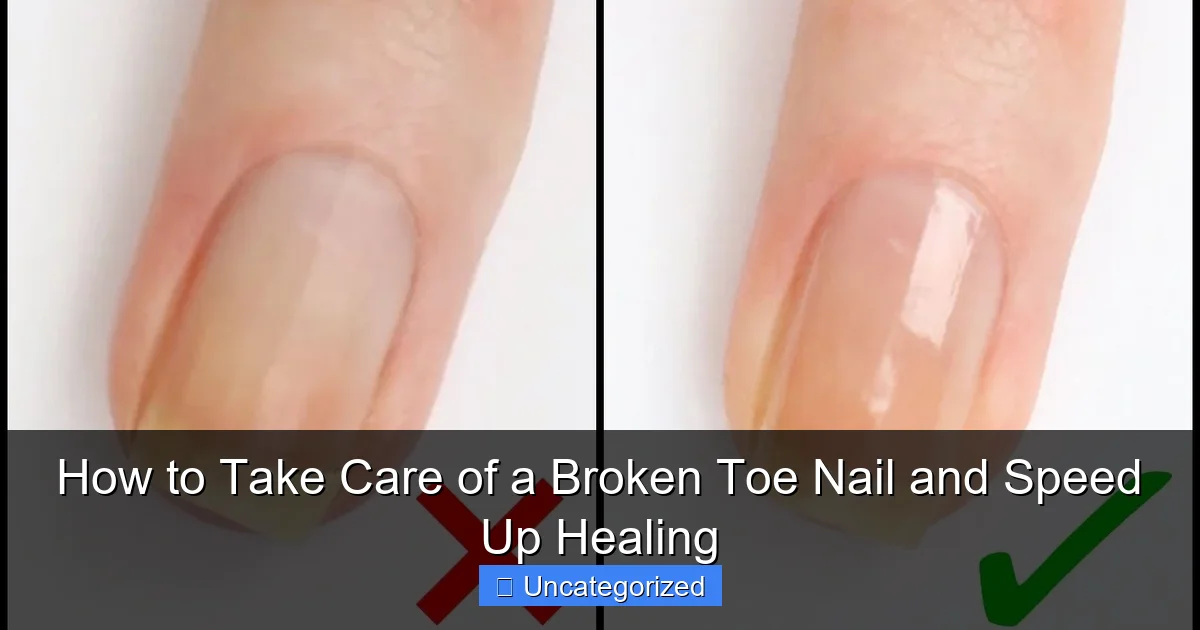
Featured image for how to take care of a broken toe nail
Image source: i.ytimg.com
Keep the area clean and protected to prevent infection and support faster healing of a broken toenail. Trim carefully, apply antiseptic, and wear open-toed shoes to reduce pressure and irritation while the nail recovers.
Key Takeaways
- Clean daily: Wash with mild soap and water to prevent infection.
- Trim carefully: Cut straight across to avoid further splitting or ingrown nails.
- Moisturize nails: Apply vitamin E oil to strengthen and hydrate the nail bed.
- Wear proper footwear: Choose wide-toe shoes to reduce pressure and friction.
- Protect the nail: Use a breathable bandage or toe cap during activity.
- Monitor for infection: Seek medical help if you notice pus or severe redness.
📑 Table of Contents
Understanding a Broken Toe Nail: Causes and Symptoms
What Is a Broken Toe Nail?
A broken toenail, also known as a toenail fracture or onychoschisis, refers to any type of damage to the nail plate—ranging from small cracks or splits to complete separation from the nail bed. Unlike minor chips that may only affect the cosmetic appearance of the nail, a broken toenail can be painful, especially if the injury extends beneath the nail or into the nail matrix (the living tissue under the base of the nail). The big toe is particularly vulnerable due to its size, frequent pressure from footwear, and role in weight-bearing activities.
Toenails are composed of keratin, a tough protein that provides protection to the sensitive soft tissue beneath. However, this structure isn’t indestructible. When subjected to trauma, repetitive stress, or underlying health conditions, the nail can crack, split vertically or horizontally, or even detach entirely. In some cases, a broken toenail may be accompanied by bleeding, swelling, or signs of infection, requiring prompt attention. Early intervention not only reduces discomfort but also prevents complications such as chronic pain, bacterial or fungal infections, or permanent nail deformities.
Common Causes of a Broken Toe Nail
- Trauma or Impact: Dropping a heavy object on your foot, stubbing your toe, or kicking a hard surface are among the most frequent causes. For example, stepping off a curb and catching your big toe on the edge can result in a sudden, forceful impact leading to a fracture.
- Tight-Fitting Shoes: Wearing shoes that compress the toes—especially high heels or narrow-toed athletic shoes—can cause repeated pressure on the toenails. Over time, this leads to chronic microtrauma, weakening the nail structure and making it prone to splitting.
- Fungal Infections: Onychomycosis (toenail fungus) softens and thickens the nail, increasing its brittleness. Infected nails are more likely to crack or crumble under minimal stress.
- Moisture Exposure: Prolonged exposure to water or damp environments—common among swimmers, gardeners, or those who frequently walk barefoot in wet areas—can soften the nail, making it more susceptible to splitting.
- Underlying Health Conditions: Conditions like psoriasis, thyroid disorders, anemia, or poor circulation can affect nail strength and growth. Diabetics, for instance, are at higher risk due to impaired healing and sensory neuropathy.
- Improper Nail Trimming: Cutting nails too short or rounding the edges can create weak spots, while using dull or dirty clippers increases the risk of jagged tears.
Recognizing the Symptoms
Identifying a broken toenail early helps determine the best course of action. Key symptoms include:
- Visible cracks, splits, or peeling of the nail
- Pain or tenderness when pressure is applied
- Bleeding or pooling of blood under the nail (subungual hematoma)
- Swelling or redness around the nail
- Discoloration (yellow, green, or black hues indicating infection or bruising)
- Loose or detached nail (onycholysis)
- Foul odor (sign of bacterial or fungal infection)
While minor cracks may heal on their own, any sign of infection, persistent pain, or nail detachment warrants medical evaluation. Early recognition prevents the condition from worsening and supports faster recovery.
Immediate First Aid for a Broken Toe Nail
Assess the Severity
The first step after noticing a broken toenail is to assess its severity. Ask yourself:
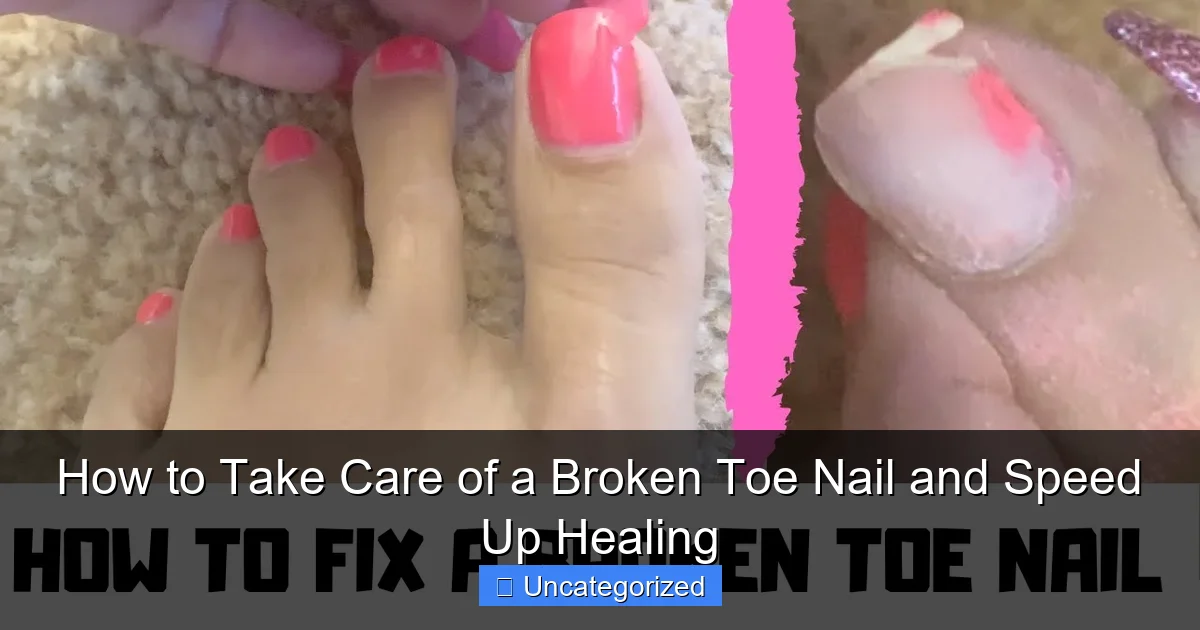
Visual guide about how to take care of a broken toe nail
Image source: i.ytimg.com
- Is there active bleeding?
- Is the pain sharp, throbbing, or constant?
- Is the nail partially or fully detached?
- Are there signs of infection (pus, red streaks, fever)?
For minor breaks (small splits, no bleeding, mild discomfort), home care is usually sufficient. However, moderate to severe injuries—such as those with heavy bleeding, a loose nail, or suspected bone involvement—require urgent medical attention. For example, a runner who trips and feels a sharp crack in their big toe should stop activity immediately and examine the area. If the nail is lifted and there’s a visible wound beneath, it’s best to visit a podiatrist or urgent care clinic.
Stop the Bleeding and Clean the Area
If there’s bleeding, apply gentle pressure with a clean cloth or gauze for 5–10 minutes. Avoid using cotton balls, as fibers can stick to the wound. Once the bleeding stops:
- Wash your hands thoroughly with soap and water.
- Soak the affected foot in warm water with mild antibacterial soap for 10–15 minutes. This softens the area and removes debris.
- Gently pat the foot dry with a clean towel. Do not rub.
- Inspect the nail for dirt, splinters, or foreign material. Use sterilized tweezers (wiped with rubbing alcohol) to remove any debris.
Tip: Add a tablespoon of Epsom salt to the soaking water. It helps reduce inflammation and provides mild antiseptic properties. For instance, a construction worker who accidentally dropped a hammer on his foot can use this soak to clean the wound and soothe the pain before further treatment.
Apply Antiseptic and Protect the Nail
After cleaning, apply an antiseptic solution such as povidone-iodine or hydrogen peroxide (use sparingly, as it can delay healing). Then:
- Apply a thin layer of antibiotic ointment (e.g., Neosporin or Polysporin).
- Cover the toe with a sterile, non-stick bandage or gauze pad.
- Secure with medical tape or a toe sleeve designed for nail injuries.
For a partially detached nail, avoid pulling it off. The nail acts as a natural bandage, protecting the sensitive nail bed. If the nail is hanging by a thread, trim only the loose portion with sterilized clippers to prevent further tearing. For example, a dancer with a split toenail from repeated toe strikes should keep the remaining nail intact to avoid exposing the tender tissue underneath.
Manage Pain and Swelling
Use over-the-counter pain relievers like ibuprofen (Advil) or acetaminophen (Tylenol) as directed. Ibuprofen also helps reduce inflammation. Apply a cold pack (wrapped in a cloth) for 15–20 minutes every few hours during the first 24–48 hours to minimize swelling. Avoid placing ice directly on the skin, as it can cause frostbite.
Example: A hiker who sustains a toenail injury on the trail can use a cold compress made from a damp cloth and store it in a plastic bag. After returning, they can take ibuprofen and elevate the foot to reduce throbbing pain.
When to Seek Medical Help
Contact a healthcare provider if:
- Bleeding doesn’t stop after 20 minutes of pressure
- The nail is completely detached or loose, exposing the nail bed
- There’s severe pain, especially if it worsens over time
- Signs of infection appear (increasing redness, pus, fever)
- You have diabetes, peripheral artery disease, or a weakened immune system
- You suspect a fracture in the toe bone (pain when moving the toe, visible deformity)
Medical professionals may perform procedures like trephination (drilling a small hole to relieve pressure from a subungual hematoma) or prescribe antibiotics for infection. In rare cases, partial or total nail removal (nail avulsion) may be necessary.
Home Care and Daily Management
Proper Footwear Choices
Your shoes play a crucial role in healing and preventing re-injury. During recovery, prioritize comfort and protection:
- Choose wide-toed shoes with a deep toe box (e.g., athletic shoes with mesh uppers or orthopedic footwear).
- Avoid high heels, flip-flops, and pointed-toe shoes that compress the toes.
- Wear moisture-wicking socks made of cotton or synthetic blends to keep feet dry.
- Consider protective toe caps or nail shields—soft silicone sleeves that cushion the injured nail during movement.
Tip: A nurse working 12-hour shifts should opt for supportive, slip-resistant shoes with ample toe space. Using gel inserts can further reduce pressure on the affected toe.
Daily Cleaning and Moisturizing Routine
Consistent hygiene prevents infection and supports healing:
- Wash feet daily with mild soap and lukewarm water.
- Soak the foot for 10–15 minutes every 2–3 days to soften the nail and surrounding skin.
- Dry thoroughly, especially between the toes, to prevent fungal growth.
- Apply a fragrance-free moisturizer (e.g., CeraVe or Eucerin) to the skin around the nail—avoid applying lotion directly on the broken nail, as excess moisture can weaken it.
- Trim the nail straight across with sterilized clippers, leaving a small edge to protect the nail bed.
Example: A retiree gardening in damp soil can use this routine after each session. Wearing waterproof sandals and changing socks frequently helps maintain a dry environment.
Nutrition and Supplements for Nail Health
Nail strength is closely linked to overall nutrition. Key nutrients include:
- Biotin (Vitamin B7): Supports keratin production. Found in eggs, nuts, and sweet potatoes. Consider a daily supplement (2.5–5 mg) if deficient.
- Vitamin C: Promotes collagen formation. Citrus fruits, bell peppers, and broccoli are excellent sources.
- Iron: Prevents brittle nails. Red meat, spinach, and lentils are rich in iron.
- Zinc: Aids wound healing. Found in oysters, pumpkin seeds, and whole grains.
- Omega-3 Fatty Acids: Reduce inflammation. Found in fatty fish, flaxseeds, and walnuts.
Tip: A vegetarian with a broken toenail might include a daily biotin supplement, a spinach salad with lemon juice (vitamin C enhances iron absorption), and a flaxseed smoothie for omega-3s.
Activity Modifications
Reduce stress on the injured toe:
- Avoid high-impact activities (running, jumping) for at least 2–4 weeks.
- Use crutches or a walking boot if pain persists.
- Modify workouts: switch to swimming, cycling, or seated strength training.
- Take frequent breaks when standing or walking.
Example: A fitness enthusiast recovering from a broken toenail can replace running with elliptical training or yoga, ensuring the injured toe remains protected.
Monitoring for Complications
Check the nail daily for:
- Increasing pain or redness
- Pus or foul odor
- Changes in nail color or texture
- Slow healing (no improvement after 2 weeks)
If any of these occur, consult a doctor. Early intervention prevents long-term issues like chronic pain or permanent nail loss.
Medical Treatments and Professional Interventions
When to See a Podiatrist
Seek specialized care for:
- Recurrent toenail injuries
- Suspected fungal or bacterial infections
- Diabetes or poor circulation
- Persistent pain or swelling
- Need for nail removal or surgical repair
Podiatrists use advanced tools like dermatoscopes and X-rays to assess nail and bone health. They can also provide custom orthotics to reduce pressure on the toes.
Common Medical Procedures
- Trephination: A small hole is made in a discolored nail to drain pooled blood, relieving pressure and pain.
- Nail Avulsion: Partial or complete removal of the nail under local anesthesia. The nail bed is cleaned and protected with a dressing.
- Antibiotic Therapy: Oral or topical antibiotics for infected nails. For example, clindamycin or cephalexin may be prescribed for bacterial infections.
- Antifungal Treatment: If a fungal infection is detected, oral medications like terbinafine or topical solutions like ciclopirox are used.
- Surgical Correction: For chronic ingrown nails or severe deformities, minor surgery may be required to reshape the nail bed.
Advanced Therapies
In some cases, newer treatments are used:
- Laser Therapy: Targets fungal infections without damaging surrounding tissue.
- Platelet-Rich Plasma (PRP) Injections: Promotes tissue regeneration and speeds healing in chronic cases.
- Nail Bracing: A small wire or resin brace supports a cracked nail, allowing it to heal in alignment.
Recovery Timeline and Expectations
Healing varies based on severity:
- Minor cracks: 2–6 weeks
- Partial nail loss: 3–6 months (new nail grows at ~1–2 mm per month)
- Complete nail regrowth: 12–18 months for the big toe
During this time, avoid picking or biting the nail. Use a clear nail strengthener (e.g., OPI Nail Envy) to protect the new growth.
Prevention Strategies and Long-Term Nail Care
Proper Nail Trimming Techniques
Trim toenails straight across, slightly longer than the tip of the toe. Avoid rounding the corners, which can lead to ingrown nails. Use sharp, sterilized clippers and file rough edges with a clean emery board.
Footwear and Activity Precautions
- Replace worn-out shoes every 6–12 months.
- Wear steel-toe boots in hazardous environments.
- Use cushioned insoles for high-impact sports.
- Inspect feet daily—especially important for diabetics.
Hygiene and Moisture Control
Wash and dry feet daily. Use antifungal powder in shoes if prone to athlete’s foot. Change socks twice daily if feet sweat heavily.
Regular Foot Checks
Schedule annual podiatry visits if you have chronic conditions. Early detection of nail changes can prevent serious injuries.
Data Table: Healing Timeline and Care Recommendations
| Injury Type | Healing Time | Key Care Steps | When to See a Doctor |
|---|---|---|---|
| Minor crack or split | 2–6 weeks | Keep clean, trim carefully, wear protective shoes | If pain increases or infection signs appear |
| Partial nail detachment | 3–6 months | Cover with bandage, avoid moisture, monitor for infection | If nail bed is exposed or bleeding persists |
| Complete nail loss | 12–18 months | Protect nail bed, maintain hygiene, use antibiotic ointment | If no new growth after 3 months or signs of infection |
| Fungal infection with breakage | 6–12 months (with treatment) | Antifungal meds, keep dry, trim regularly | If no improvement after 4 weeks of treatment |
| Trauma with bleeding under nail | 4–8 weeks (with drainage) | Trephination (if needed), pain relief, elevation | Immediate care for severe pain or swelling |
Conclusion
Taking care of a broken toenail requires a combination of immediate first aid, consistent home care, and preventive strategies. While minor injuries often heal on their own, proper attention reduces pain, prevents infection, and supports faster recovery. By understanding the causes—from trauma and tight shoes to underlying health conditions—you can tailor your approach to your specific situation. Whether you’re an athlete, a busy professional, or managing a chronic condition, adopting daily habits like proper footwear, nutrition, and hygiene makes a significant difference.
Remember, your toenails are more than just a cosmetic feature—they protect sensitive tissues and play a vital role in foot function. Don’t ignore persistent pain, discoloration, or slow healing. Early medical intervention can prevent complications and ensure your nail regrows strong and healthy. With patience, diligence, and the right care, most broken toenails heal fully, allowing you to return to your normal activities without discomfort. Prioritize foot health today to keep moving forward—pain-free—tomorrow.
Frequently Asked Questions
How do I take care of a broken toe nail to prevent infection?
Keep the area clean and dry by washing it gently with mild soap and water. Apply an antiseptic ointment and cover it with a sterile bandage to reduce the risk of infection while the broken toe nail heals.
Should I see a doctor for a broken toe nail?
If the nail is severely cracked, bleeding, or accompanied by intense pain or swelling, consult a healthcare professional. A doctor can assess for underlying damage and recommend treatments to speed up healing.
What’s the best way to relieve pain from a broken toe nail?
Elevate your foot and apply a cold compress to reduce swelling and pain. Over-the-counter pain relievers like ibuprofen can also help manage discomfort during recovery.
How long does it take for a broken toe nail to heal?
Healing time varies but typically takes 6–12 weeks, depending on the severity and your overall health. Protecting the toe and avoiding tight footwear can help speed up healing.
Can I trim a broken toe nail to make it heal faster?
Trim carefully with clean, sterilized clippers, but avoid cutting too close to the skin or removing large pieces. This reduces further trauma and supports proper healing of the broken toe nail.
What kind of shoes should I wear with a broken toe nail?
Choose roomy, soft shoes with a wide toe box to minimize pressure on the injured nail. Avoid high heels or tight-fitting footwear that could aggravate the condition.