
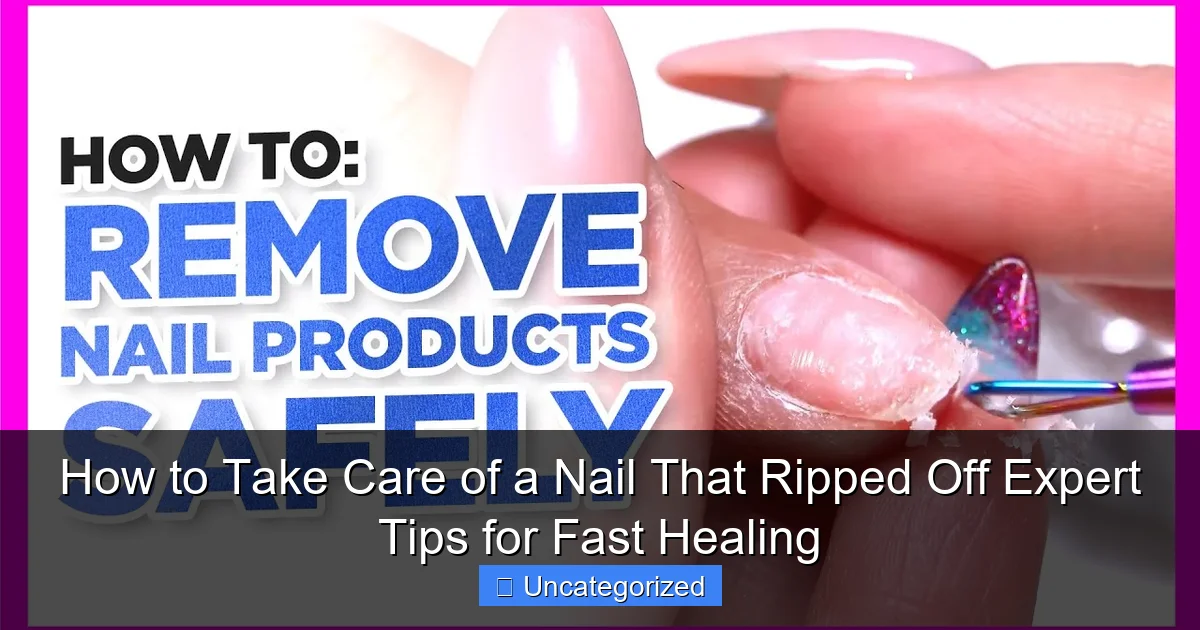
Featured image for how to take care of a nail that ripped off
Image source: i.ytimg.com
Act quickly to clean and protect the injured nail bed by gently washing it with soap and water, then applying an antiseptic to prevent infection. Cover it with a sterile bandage and keep the area elevated to reduce swelling and promote faster healing—avoid picking or trimming loose nail fragments to let it heal naturally.
Key Takeaways
- Stop bleeding immediately: Apply gentle pressure with a clean cloth to prevent infection.
- Keep the area dry: Moisture slows healing; cover with a sterile bandage.
- Elevate your hand: Reduce swelling and pain by keeping it raised.
- Use antiseptic daily: Clean the nail bed to avoid bacterial growth.
- Trim carefully: Avoid further damage by using sanitized tools to remove loose parts.
- Monitor for infection: Watch for redness, pus, or fever; seek medical help if needed.
📑 Table of Contents
- Understanding a Ripped-Off Nail: Causes and Immediate Reactions
- Immediate First Aid: What to Do Right After the Injury
- Managing Pain, Swelling, and Infection Risk
- Promoting Nail Regrowth and Healing
- When to See a Doctor: Recognizing Complications
- Long-Term Prevention: Avoiding Future Nail Injuries
- Conclusion
Understanding a Ripped-Off Nail: Causes and Immediate Reactions
Few things are as jarring—and sometimes painful—as watching a nail tear off from your finger or toe. Whether it’s the result of an accidental stub, a sports injury, or repetitive trauma from tight shoes, a ripped-off nail can be alarming. The immediate reaction is often a mix of shock, pain, and concern: “Is this serious? Will my nail grow back? How do I prevent infection?” These are valid questions, and the good news is that with proper care, most people recover fully, and the nail typically regrows within weeks to months.
Understanding what happens when a nail rips off is the first step in effective care. The nail, composed of keratin, protects the sensitive nail bed underneath. When it detaches—either partially or completely—the exposed nail bed is vulnerable to infection, pain, and further trauma. The severity depends on whether the nail bed is damaged, whether the nail root (matrix) is affected, and how quickly you respond. While minor tears may heal on their own, more severe cases require immediate attention. This guide offers expert-backed strategies for managing a ripped-off nail, minimizing complications, and promoting fast, healthy regrowth.
Immediate First Aid: What to Do Right After the Injury
Time is of the essence when a nail rips off. The first few minutes can determine how quickly and safely your nail heals. Acting quickly reduces the risk of infection, pain, and long-term damage. Here’s a step-by-step guide to immediate first aid.
Visual guide about how to take care of a nail that ripped off
Image source: i.ytimg.com
Assess the Severity of the Injury
Start by evaluating the extent of the damage. Ask yourself:
- Is the nail completely detached or partially hanging?
- Is there visible bleeding or exposed nail bed?
- Is the fingertip or toe swollen, throbbing, or numb?
- Is there debris (dirt, glass, metal) embedded in the area?
Example: If you dropped a heavy object on your toe and the nail is hanging by a small piece, but the skin underneath is intact and bleeding slightly, it’s a partial avulsion. If the entire nail is gone and the nail bed is raw and bleeding, it’s a complete avulsion and requires more careful handling.
Control Bleeding and Clean the Area
Use a clean cloth or sterile gauze to apply gentle pressure to stop bleeding. Avoid using tissues, which can leave fibers behind. Once the bleeding slows:
- Rinse the area under cool, running water for 3–5 minutes to remove dirt and bacteria.
- Use mild soap (like antibacterial hand soap) to gently cleanse around the injury.
- Do not scrub the exposed nail bed—this can cause more trauma.
- Pat dry with a clean towel or gauze.
Tip: If the nail is still partially attached but loose, do not pull it off. The remaining nail acts as a natural bandage, protecting the nail bed. Only remove it if it’s dangling and likely to snag.
Apply Antiseptic and Protect the Wound
After cleaning, apply an antiseptic solution such as hydrogen peroxide (diluted), povidone-iodine (Betadine), or chlorhexidine. These reduce the risk of infection. Then:
- Cover the area with a non-stick sterile dressing (e.g., Telfa pad).
- Secure it with medical tape or a small bandage.
- Change the dressing at least once daily or whenever it becomes wet or dirty.
Expert Insight: According to the American Academy of Dermatology, keeping the wound clean and moist (not soaked) speeds healing. A moist environment promotes cell regeneration and reduces scab formation, which can delay recovery.
Managing Pain, Swelling, and Infection Risk
A ripped-off nail can be painful, especially if the nail bed is exposed. Pain management and infection prevention are critical during the first 48–72 hours, when the risk of complications is highest.
Reduce Pain and Inflammation
To manage discomfort:
- Take over-the-counter pain relievers like ibuprofen (Advil) or acetaminophen (Tylenol). Ibuprofen also reduces inflammation.
- Apply a cold compress (ice wrapped in a cloth) for 10–15 minutes every 1–2 hours during the first 24 hours. This reduces swelling and numbs pain.
- Elevate the hand or foot above heart level to minimize blood flow and swelling.
Caution: Avoid applying ice directly to the skin—this can cause frostbite or further tissue damage.
Recognize Signs of Infection
Infections are a serious concern with exposed nail beds. Watch for these symptoms, which typically appear 2–5 days after the injury:
- Increasing redness, warmth, or swelling around the injury
- Pus (yellow or green discharge)
- Foul odor
- Throbbing or worsening pain
- Fever or chills
If any of these signs appear, seek medical attention immediately. A doctor may prescribe topical or oral antibiotics. Do not delay treatment—untreated infections can spread to the bone (osteomyelitis) or bloodstream.
Use Antibiotic Ointments (With Caution)
While antibiotic ointments like bacitracin or neomycin can help prevent infection, overuse may cause allergic reactions or antibiotic resistance. Apply a thin layer once or twice daily after cleaning. Avoid using petroleum jelly (Vaseline) alone, as it doesn’t have antimicrobial properties.
Example: A 2020 study in the Journal of the American Academy of Dermatology found that patients using bacitracin had a 30% lower infection rate in minor hand injuries compared to those using no ointment. However, those using triple-antibiotic ointments had higher rates of contact dermatitis.
Promoting Nail Regrowth and Healing
Once the initial trauma is managed, the focus shifts to supporting nail regrowth. The nail matrix (located under the cuticle) is responsible for producing new nail cells. With proper care, most nails regrow fully within 6–9 months for fingernails and 12–18 months for toenails.
Support the Nail Matrix with Nutrition
Nail health is deeply tied to overall nutrition. Key nutrients for nail regrowth include:
- Biotin (Vitamin B7): Supports keratin production. Found in eggs, nuts, and sweet potatoes. Supplements (1,000–5,000 mcg/day) may help, but results vary.
- Protein: Nails are 80% protein. Include lean meats, legumes, and dairy in your diet.
- Iron: Iron deficiency can cause brittle nails. Red meat, spinach, and lentils are rich sources.
- Zinc and Vitamin C: Support collagen formation and wound healing. Citrus fruits, bell peppers, and oysters are excellent sources.
Tip: Consider a multivitamin if your diet is limited, but prioritize whole foods for better absorption.
Keep the Nail Bed Moisturized
A dry, cracked nail bed slows healing. Use a fragrance-free moisturizer (like Eucerin or CeraVe) around the injury daily. For the nail bed itself, a tiny drop of jojoba oil or vitamin E oil can help maintain moisture without clogging pores.
Caution: Avoid soaking the finger or toe in water for long periods (e.g., long showers, baths). Prolonged moisture weakens the skin and increases infection risk. Wear waterproof gloves when washing dishes or cleaning.
Protect the Area During Daily Activities
To prevent further trauma:
- Wear gloves during manual work, gardening, or household chores.
- Use a finger splint or protective cap (available at pharmacies) to shield the injured nail.
- Choose loose-fitting shoes if the injury is on a toe. Avoid high heels or tight sneakers.
Example: A construction worker who ripped off a thumbnail should wear a finger guard and avoid using the injured hand for heavy lifting until the nail bed stabilizes.
When to See a Doctor: Recognizing Complications
While most ripped-off nails heal at home, certain situations require professional medical care. Knowing when to seek help prevents long-term damage.
Signs You Need Immediate Medical Attention
Contact a healthcare provider if:
- The bleeding doesn’t stop after 15–20 minutes of pressure.
- There’s a deep cut or laceration in the nail bed (visible with a magnifying glass).
- The nail root (matrix) is damaged—this may appear as a dark, irregular spot or bleeding under the cuticle.
- You experience numbness, tingling, or loss of sensation (possible nerve damage).
- The injury was caused by a crush (e.g., car door, heavy machinery), which increases the risk of bone fractures.
Expert Advice: A 2019 study in Emergency Medicine Journal found that 12% of nail avulsion cases required surgical intervention due to underlying fractures or matrix damage. Early imaging (X-ray or MRI) can detect these issues.
Professional Treatments and Procedures
Doctors may use several techniques to aid healing:
- Nail Bed Repair: If the nail bed is torn, stitches or tissue glue may be used.
- Nail Removal: For severely damaged nails, a doctor may remove the remaining piece under local anesthesia.
- Drainage: If blood accumulates under the nail bed (hematoma), a small hole may be made to drain it.
- Antibiotics: Prescribed if infection is suspected or confirmed.
Case Study: A runner who tore off a toenail after a long-distance race was found to have a subungual hematoma. The podiatrist drained the blood, reducing pain and preventing further nail bed damage.
Follow-Up Care and Monitoring
Even after initial healing, monitor the area for:
- Delayed regrowth (may take 3+ months for visible signs)
- Abnormal nail shape (ridged, split, or thickened)
- Recurring pain or swelling
Follow up with a dermatologist or podiatrist if regrowth is slow or irregular—this may indicate an underlying condition like psoriasis, fungal infection, or nutritional deficiency.
Long-Term Prevention: Avoiding Future Nail Injuries
Prevention is the best medicine. By adopting healthy nail habits, you can reduce the risk of future avulsions.
Maintain Proper Nail Hygiene
Trim nails straight across (not rounded) to prevent ingrown toenails. Use clean, sharp nail clippers. Avoid cutting cuticles—they protect the nail matrix. Moisturize cuticles daily with cuticle oil.
Wear Protective Footwear and Gloves
Choose shoes with a wide toe box and cushioning. Replace worn-out athletic shoes every 300–500 miles. For work or hobbies, use impact-resistant gloves (e.g., leather, rubber-coated).
Manage Underlying Health Conditions
Conditions like diabetes, peripheral artery disease, or fungal infections increase nail vulnerability. Regular check-ups and proper management reduce complications.
Data Table: Average Nail Regrowth Timelines
| Nail Type | Average Regrowth Time | Key Factors Affecting Growth |
|---|---|---|
| Fingernails | 6–9 months | Age, nutrition, circulation, matrix damage |
| Toenails | 12–18 months | Shoe pressure, diabetes, fungal infections |
| Thumbnails | 6–8 months | Frequency of use, trauma risk |
| Big Toenails | 12–15 months | Footwear, running/athletic activity |
Stay Informed and Proactive
Educate yourself about nail anatomy and care. If you’re active in sports or manual labor, consider using protective nail coatings (e.g., gel overlays) or orthotics for foot support.
Conclusion
A ripped-off nail is more than a cosmetic issue—it’s a wound that requires thoughtful, proactive care. From immediate first aid to long-term prevention, every step you take influences how quickly and completely your nail heals. By controlling bleeding, preventing infection, managing pain, and supporting regrowth through nutrition and protection, you can turn a painful injury into a manageable recovery.
Remember, the nail matrix is resilient but delicate. Avoid self-diagnosis for severe cases—when in doubt, consult a healthcare professional. With patience, proper care, and attention to detail, your nail will regrow stronger than ever. Don’t let a temporary setback affect your confidence or lifestyle. Take charge of your nail health today, and you’ll see the results in just a few months. Whether it’s a fingertip or a toenail, your body has the power to heal—give it the tools it needs to do so safely and efficiently.
Frequently Asked Questions
What should I do immediately after a nail ripped off?
If your nail has ripped off, the first step is to clean the area with mild soap and water to prevent infection. Apply an antiseptic ointment and cover it with a sterile bandage to protect the exposed nail bed while it heals. Avoid picking at the area to support faster recovery.
How can I speed up healing for a ripped-off nail?
To promote fast healing, keep the area moisturized with vitamin E oil or petroleum jelly and avoid excessive water exposure. Elevating your hand or foot can reduce swelling, and wearing protective gloves during chores helps prevent further irritation.
Is it normal for the area to hurt after a nail ripped off?
Yes, mild pain and sensitivity are normal due to exposed nerve endings in the nail bed. If pain worsens or is accompanied by pus, swelling, or redness, it may indicate an infection, and you should consult a doctor immediately.
How to take care of a nail that ripped off to avoid infection?
To avoid infection, clean the area twice daily with saline solution or antiseptic and reapply a fresh bandage. Avoid tight shoes or activities that put pressure on the nail, and monitor for signs of infection like throbbing pain or yellow discharge.
Can I trim the remaining nail after it ripped off partially?
Yes, carefully trim loose or jagged edges with sterilized nail clippers to prevent snagging, but avoid cutting too close to the nail bed. File sharp edges gently and keep the area dry to reduce infection risk.
How long does it take for a new nail to grow after one ripped off?
Regrowth typically takes 6–9 months for fingernails and up to 12–18 months for toenails, depending on your health and nail growth rate. Proper care of the nail bed, including keeping it clean and moisturized, supports healthy regrowth.