
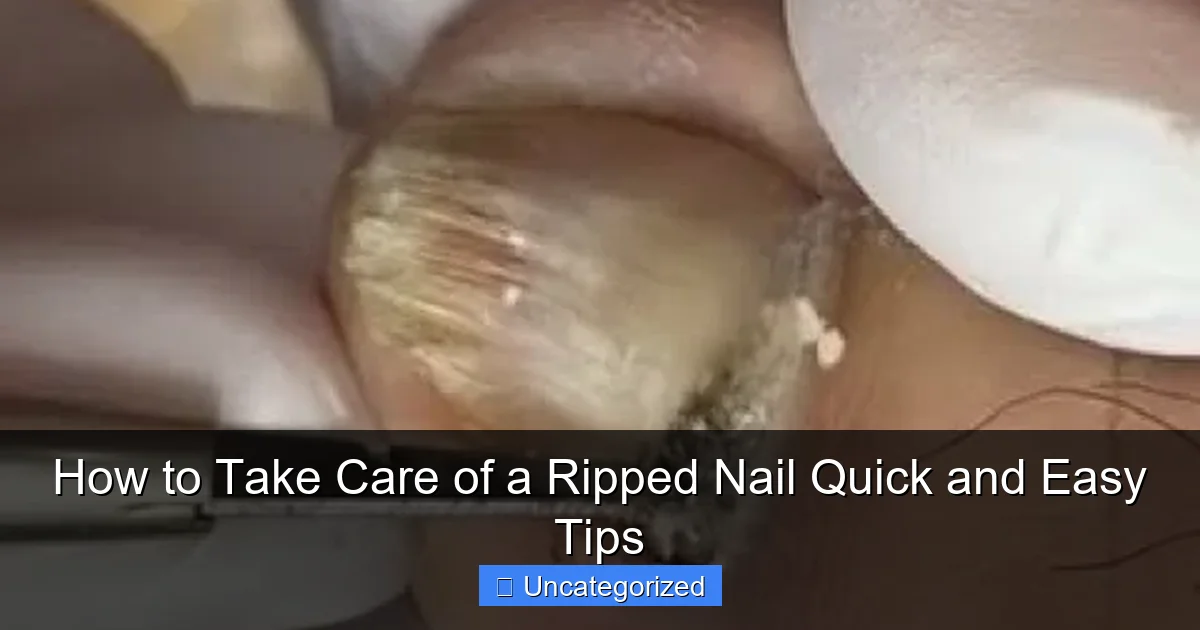
Featured image for how to take care of a ripped nail
Image source: i.ytimg.com
Act quickly to clean and protect the ripped nail by gently trimming any loose edges with sterile clippers and applying an antiseptic to prevent infection. Keep the area dry and covered with a bandage or nail wrap to promote faster healing and avoid further damage. Moisturize daily and avoid harsh chemicals to support strong, healthy regrowth.
Key Takeaways
- Stop further tearing: Trim the ripped edge with clean nail clippers immediately.
- Hydrate daily: Apply cuticle oil to strengthen and prevent dryness.
- Protect with glue: Use nail glue to seal minor splits temporarily.
- Wear gloves: Shield nails during chores to avoid water and chemicals.
- File gently: Smooth rough edges with a fine-grit file in one direction.
- Keep short: Maintain shorter nails while healing to reduce snagging risks.
📑 Table of Contents
- How to Take Care of a Ripped Nail Quick and Easy Tips
- 1. Immediate First Aid: What to Do Right After the Rip
- 2. Protecting the Nail Bed and Preventing Infection
- 3. Pain Management and Soothing Techniques
- 4. Promoting Healthy Nail Regrowth
- 5. When to See a Doctor: Recognizing Serious Cases
- 6. Long-Term Nail Health: Preventing Future Rips
How to Take Care of a Ripped Nail Quick and Easy Tips
Imagine you’re in the middle of a busy day, reaching for your keys or typing an important email, and suddenly you feel a sharp pain. You look down and realize one of your nails has torn—ripped halfway down the nail bed or split vertically. A ripped nail is not only painful but can also be unsightly and inconvenient. Whether it’s a fingernail or toenail, a tear can expose sensitive tissue, increase the risk of infection, and even disrupt your daily activities. While nail injuries are common, knowing how to take care of a ripped nail properly can make a significant difference in healing time, comfort, and preventing complications.
Nails are made of keratin, a tough protein that protects the tips of your fingers and toes. However, they are still vulnerable to trauma, excessive moisture, improper grooming, and underlying health conditions. A ripped nail can occur from accidental trauma (like slamming a finger in a door), repetitive stress (such as typing or playing an instrument), or even from brittle nails due to aging, vitamin deficiencies, or frequent exposure to water. The good news? With the right care, most ripped nails heal within a few weeks to a few months, depending on the severity. This guide will walk you through how to take care of a ripped nail with quick, easy, and effective tips—covering everything from immediate first aid to long-term nail health strategies. Whether it’s a minor split or a deep tear, these steps will help you manage the injury safely and promote faster, healthier regrowth.
1. Immediate First Aid: What to Do Right After the Rip
When a nail rips, your first reaction might be panic—especially if there’s bleeding or intense pain. But acting quickly and calmly can prevent further damage and reduce discomfort. The goal during this initial phase is to clean the area, minimize bleeding, and protect the exposed nail bed or tissue.
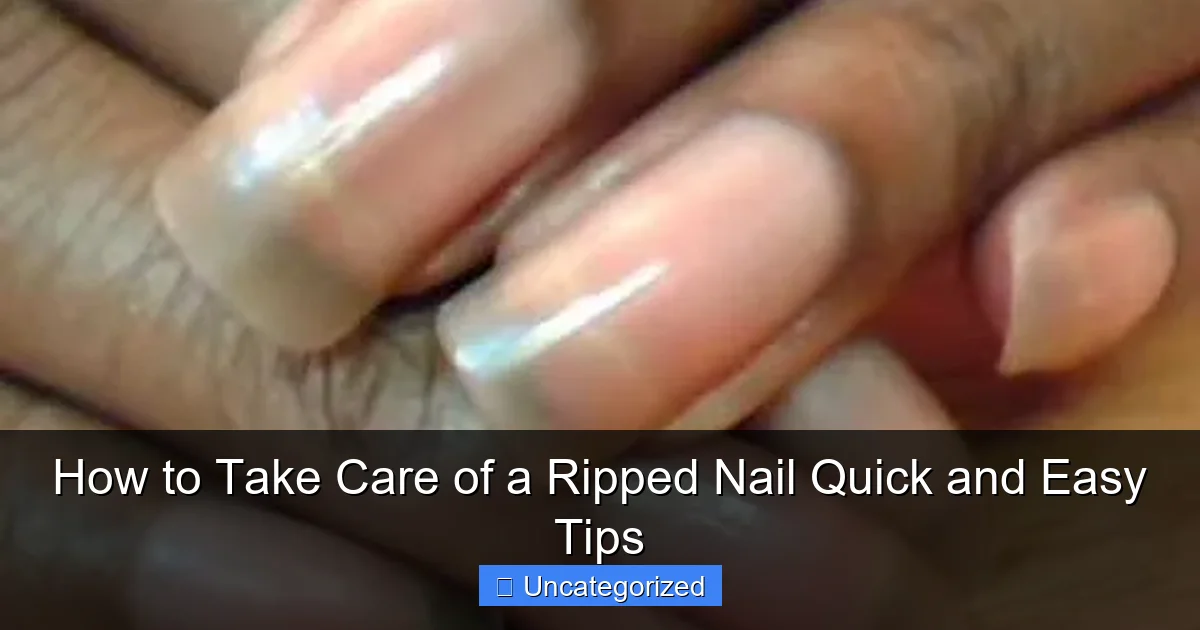
Visual guide about how to take care of a ripped nail
Image source: i.ytimg.com
Step-by-Step First Aid Protocol
- Stop the bleeding: If the nail is bleeding, apply gentle pressure with a clean gauze or cloth for 3–5 minutes. Avoid using tissues, which can stick and cause more pain when removed. If bleeding persists after 10 minutes, seek medical attention—this could indicate a deeper injury or blood vessel damage.
- Wash the area: Once bleeding stops, clean the affected finger or toe with mild soap and lukewarm water. This removes dirt, bacteria, and debris that could lead to infection. Gently pat dry with a clean towel.
- Disinfect the wound: Apply an antiseptic solution like hydrogen peroxide (3%) or rubbing alcohol (70% isopropyl). While these can sting, they help kill surface bacteria. Alternatively, use povidone-iodine (Betadine) for a less irritating option.
- Trim loose nail fragments: If part of the nail is hanging off, use sterilized nail clippers (cleaned with alcohol) to carefully cut it off. Do not pull or yank—this can tear more tissue and increase pain. Only remove what’s loose and easily detached.
- Apply antibiotic ointment: Dab a thin layer of over-the-counter antibiotic ointment (e.g., Neosporin) to prevent infection. Avoid using petroleum jelly (Vaseline) unless advised by a doctor, as it can trap bacteria if not changed regularly.
- Cover with a sterile bandage: Use a breathable adhesive bandage or non-stick gauze pad secured with medical tape. Change the dressing daily or whenever it gets wet or dirty.
What NOT to Do
Many people make the mistake of wrapping a ripped nail too tightly or using non-sterile materials. Avoid:
- Using regular tape or non-sterile cloths (increases infection risk)
- Soaking the nail in hot water (can worsen swelling)
- Applying nail polish or acrylics (traps moisture and bacteria)
- Ignoring signs of infection (redness, pus, fever)
Example: Sarah, a 28-year-old graphic designer, ripped her thumbnail while opening a package. She immediately cleaned it, trimmed the loose edge with sterilized clippers, applied Neosporin, and covered it with a bandage. She changed the dressing every morning and avoided typing with that hand for two days. Within a week, the pain subsided, and new nail began growing underneath the old one.
2. Protecting the Nail Bed and Preventing Infection
The nail bed—the skin beneath the nail—is highly sensitive and vulnerable once exposed. A ripped nail can leave it open to bacteria, moisture, and further trauma. Protecting the nail bed is crucial not only for comfort but also for ensuring proper regrowth.
Use Moisture-Resistant Barriers
Keeping the area dry and protected is essential. Moisture encourages bacterial and fungal growth, especially in warm, dark environments like socks or gloves. Here’s how to create a protective barrier:
- Waterproof bandages: Use waterproof bandages (like Band-Aid Hydro Seal) during showers or hand-washing. These seal out water while allowing the skin to breathe.
- Wear gloves: When doing dishes, gardening, or cleaning, wear rubber or latex gloves to shield the nail. Double-glove if necessary—inner cotton gloves absorb sweat, outer rubber ones repel water.
- Toenail protection: For ripped toenails, wear open-toed shoes or sandals when possible to reduce pressure. If you must wear closed shoes, use gel toe caps or silicone toe sleeves to cushion the nail.
Monitor for Infection Signs
Infections can develop within 24–48 hours if the wound isn’t properly cared for. Watch for:
- Increasing redness, swelling, or warmth around the nail
- Pus or yellow/green discharge
- Throbbing pain that worsens over time
- Fever or chills (sign of systemic infection)
If you notice any of these, see a healthcare provider immediately. You may need oral antibiotics or drainage of an abscess. Early intervention prevents complications like paronychia (nail fold infection) or cellulitis (skin infection).
Keep Nails Short and Smooth
Long nails are more prone to catching on objects and re-ripping. Trim all nails—especially the injured one—short using clean, sharp clippers. File edges with a fine-grit emery board to prevent snagging. Avoid rounding the corners too much, as this can encourage ingrown nails.
3. Pain Management and Soothing Techniques
Even minor nail rips can cause significant pain due to the high concentration of nerve endings in the fingertips and toes. Effective pain management improves comfort and helps you stay active during recovery.
Over-the-Counter Pain Relief
- Oral medications: Take ibuprofen (Advil) or acetaminophen (Tylenol) as directed on the label. Ibuprofen also reduces inflammation, which can help with swelling.
- Topical analgesics: Use creams or gels containing lidocaine, benzocaine, or menthol (e.g., Solarcaine, Bengay). These numb the area and provide temporary relief. Apply after cleaning and before bandaging.
Natural and Soothing Remedies
For those preferring natural options, consider:
- Cold compress: Wrap an ice pack in a thin towel and apply for 10–15 minutes to reduce pain and swelling. Never apply ice directly to skin.
- Tea soaks: Soak the finger or toe in warm water with 1–2 tea bags (black or chamomile). Tea contains tannins, which have mild anti-inflammatory and astringent properties. Soak for 10–15 minutes, 2–3 times daily.
- Epsom salt soak: Add 1 tablespoon of Epsom salt to a bowl of warm water. Soak for 15 minutes to soothe pain and reduce inflammation.
- Arnica gel: A homeopathic remedy that may help with bruising and swelling. Apply after cleaning the area.
Avoid Aggravating Activities
Give your nail time to heal by modifying your routine:
- Use voice-to-text for typing instead of using the injured hand
- Carry items with the palm or forearm instead of gripping with fingertips
- Wear soft, padded gloves when using tools or handling rough materials
- Take frequent breaks to avoid repetitive strain
Tip: Keep a small travel pack with antiseptic wipes, bandages, and pain relievers in your bag or desk drawer for on-the-go care.
4. Promoting Healthy Nail Regrowth
Once the initial injury is stabilized, the focus shifts to how to take care of a ripped nail for optimal regrowth. Healthy nail growth depends on nutrition, moisture balance, and avoiding further trauma.
Nutrition for Strong Nails
Nails grow about 3 mm per month (fingernails) and 1 mm per month (toenails). What you eat directly impacts their strength and growth rate. Key nutrients include:
- Biotin (Vitamin B7): Found in eggs, nuts, sweet potatoes, and salmon. Biotin deficiency is linked to brittle nails. Consider a supplement (2.5–5 mg daily) after consulting your doctor.
- Protein: Nails are made of keratin, a protein. Eat lean meats, legumes, tofu, and dairy to support tissue repair.
- Iron: Iron deficiency (anemia) causes spoon-shaped or brittle nails. Include spinach, red meat, lentils, and fortified cereals.
- Zinc: Essential for cell division. Found in pumpkin seeds, shellfish, and whole grains.
- Vitamin C: Supports collagen production. Citrus fruits, bell peppers, and broccoli are excellent sources.
- Omega-3 fatty acids: Reduce inflammation and keep nails moisturized. Found in fatty fish, flaxseeds, and walnuts.
Hydration and Moisturization
Dry, brittle nails are more likely to rip. Hydrate from the inside (drink 6–8 glasses of water daily) and the outside:
- Apply cuticle oil: Use jojoba, almond, or vitamin E oil 2–3 times daily. Massage into the nail bed and surrounding skin to improve circulation and moisture.
- Use hand cream: Choose creams with shea butter, glycerin, or urea. Apply after washing hands or at bedtime.
- Overnight treatments: Wear cotton gloves after applying moisturizer to lock in hydration while you sleep.
Gentle Nail Care Routine
- Trim nails straight across to prevent ingrown edges
- File in one direction (not sawing back and forth) to reduce splitting
- Avoid harsh nail polish removers (use acetone-free versions)
- Limit exposure to water—wear gloves when washing dishes or cleaning
5. When to See a Doctor: Recognizing Serious Cases
While most ripped nails heal at home, some cases require professional medical attention. Knowing when to seek help prevents complications and ensures proper treatment.
Red Flags That Require Medical Care
- Deep or jagged tears: If the nail is split vertically from the cuticle to the tip, or if the tear extends into the nail bed, a doctor may need to remove the remaining nail and treat the exposed tissue.
- Significant bleeding: Bleeding that doesn’t stop after 15 minutes of pressure may require stitches or a tourniquet.
- Severe pain or swelling: Could indicate a bone injury (like a fracture) beneath the nail. An X-ray may be needed.
- Blue or black discoloration: A subungual hematoma (blood under the nail) can cause intense pain and may need drainage by a healthcare provider.
- Signs of infection: As mentioned earlier, redness, pus, or fever require antibiotics.
- Recurrent nail trauma: If you keep ripping the same nail, see a dermatologist or podiatrist to rule out underlying issues like fungal infections, psoriasis, or circulation problems.
Professional Treatments
Doctors may recommend:
- Nail avulsion: Surgical removal of the damaged nail to treat infection or severe trauma.
- Drainage: For blood blisters under the nail, a small hole is made to relieve pressure.
- Prescription ointments: Antifungal or antibiotic creams for persistent infections.
- Custom orthotics: For toenail issues related to foot mechanics (e.g., pressure from ill-fitting shoes).
Data Table: Common Nail Injuries and Recommended Actions
| Injury Type | Symptoms | Home Care | When to See a Doctor |
|---|---|---|---|
| Minor split or tear | Pain, slight bleeding, loose nail edge | Clean, trim, bandage, monitor | If signs of infection appear |
| Vertical split (from cuticle to tip) | Severe pain, deep tear, possible bone exposure | Clean, cover, avoid pressure | Immediately—may need nail removal |
| Subungual hematoma | Blue/black nail, throbbing pain, swelling | Ice, elevation, pain relief | If pain is severe or nail is loose |
| Infected nail bed | Redness, pus, fever, increasing pain | Antibiotic ointment, warm soaks | Within 24 hours—requires oral antibiotics |
| Repetitive trauma | Chronic splitting, weak nails | Moisturize, protect, nutrition | If no improvement in 2 months |
6. Long-Term Nail Health: Preventing Future Rips
Once your nail has healed, the real work begins: preventing future injuries. A proactive approach to nail care ensures stronger, more resilient nails over time.
Lifestyle Adjustments
- Wear protective gloves: During manual labor, gardening, or household chores. Choose gloves that fit snugly but allow dexterity.
- Choose proper footwear: For toenails, wear shoes with wide toe boxes and good arch support. Avoid high heels or narrow shoes that compress toes.
- Be mindful of nail length: Keep nails trimmed short during high-risk activities (e.g., moving furniture, sports).
- Use tools, not nails: Open cans, peel labels, or scrape surfaces with a knife or scraper—not your fingernails.
Regular Nail Maintenance
- Trim nails every 1–2 weeks
- File edges weekly to smooth rough spots
- Moisturize hands and feet daily
- Inspect nails monthly for early signs of brittleness, discoloration, or ridges
Address Underlying Health Issues
Brittle or weak nails can be a sign of:
- Thyroid disorders (hypothyroidism)
- Iron-deficiency anemia
- Fungal infections
- Psoriasis or lichen planus
If you have persistent nail problems, consult a dermatologist or primary care provider. Blood tests and nail clippings can help diagnose underlying conditions.
By combining immediate care, infection prevention, pain management, and long-term wellness, you can master how to take care of a ripped nail effectively. Remember: your nails are more than cosmetic—they’re protective barriers that deserve attention and care. With these quick and easy tips, you’ll not only heal faster but also build stronger, healthier nails for life.
Frequently Asked Questions
What should I do immediately after ripping my nail?
If you’ve just ripped your nail, clean the area with mild soap and water to prevent infection. Gently file any jagged edges to avoid further tearing and apply an antiseptic ointment to protect the exposed nail bed.
How can I take care of a ripped nail to speed up healing?
To take care of a ripped nail, keep it trimmed short and moisturize the nail bed daily with cuticle oil or petroleum jelly. Cover it with a bandage or adhesive tape to shield it from friction while it heals.
Can I still use nail polish on a ripped nail?
It’s best to avoid nail polish until the nail has healed, as it can trap bacteria and delay recovery. Focus on keeping the area clean and dry, and opt for a healing balm instead.
How long does it take for a ripped nail to grow back?
A ripped nail typically takes 6–8 weeks to fully regrow, depending on your nail growth rate. Protect it during this time by wearing gloves during chores and avoiding excessive water exposure.
Should I see a doctor for a severely ripped nail?
If the rip is deep, bleeding heavily, or showing signs of infection (redness, pus), consult a doctor. A severely ripped nail may require medical attention to prevent complications.
How can I prevent my nails from ripping in the future?
To prevent future rips, keep nails trimmed and hydrated with regular moisturizing. Avoid using nails as tools, and wear gloves during manual work to reduce the risk of trauma.