
Featured image for how to take care of brittle nails
Image source: sauce.co.ke
Keep nails hydrated and protected by applying a nourishing cuticle oil daily and wearing gloves during household chores to prevent moisture loss and breakage. Strengthen weak nails fast with a biotin-rich diet, gentle filing in one direction, and a high-quality nail hardener—avoid harsh chemicals and excessive water exposure for lasting resilience.
Key Takeaways
- Moisturize daily: Apply cuticle oil and hand cream to prevent dryness and cracking.
- Use gentle products: Avoid harsh chemicals; opt for acetone-free removers and mild soaps.
- Wear gloves: Protect nails from water and detergents during household chores.
- Limit polish: Take breaks between manicures to let nails breathe and recover.
- Eat a balanced diet: Boost nail strength with biotin, protein, and omega-3s.
- File properly: Shape nails with a fine-grit file to prevent splitting and peeling.
📑 Table of Contents
Understanding Brittle Nails: Causes and Symptoms
What Are Brittle Nails?
Brittle nails, medically referred to as onychoschizia, are nails that easily split, peel, or break due to a lack of moisture, protein, or structural integrity. They can appear thin, flaky, and uneven, often splitting horizontally (lamellar splitting) or vertically. While occasional nail breakage is normal, persistent brittleness may signal an underlying issue that needs attention. According to the American Academy of Dermatology, up to 20% of the population experiences brittle nails at some point in their lives, with women and older adults being more susceptible.
Brittle nails aren’t just a cosmetic concern—they can be painful, interfere with daily activities (like typing or buttoning clothes), and even lead to infections if cracks become deep or bleed. Understanding the root causes is the first step toward effective treatment and prevention. Whether your nails are dry and peeling like onion layers or cracking at the tips, the good news is that most cases of brittleness are reversible with the right care and lifestyle adjustments.
Common Causes of Brittle Nails
Brittle nails can stem from a combination of internal and external factors. Identifying the cause helps tailor your treatment plan:
- Frequent exposure to water and chemicals: Washing dishes, cleaning, or working with harsh detergents strips natural oils and dehydrates the nail plate.
- Low humidity environments: Dry winter air or air-conditioned offices reduce moisture in nails, making them prone to cracking.
- Nutritional deficiencies: Lack of biotin (B7), iron, zinc, protein, or essential fatty acids weakens nail structure.
- Medical conditions: Hypothyroidism, psoriasis, Raynaud’s disease, or anemia can manifest as brittle nails.
- Medications: Chemotherapy, retinoids, or certain antibiotics may affect nail health.
- Excessive use of nail products: Acetone-based removers, gel polishes, or aggressive buffing damage the nail surface.
- Aging: As we age, nails grow slower and lose moisture, increasing brittleness.
For example, a nurse who washes her hands dozens of times daily may experience brittle nails due to repeated water exposure, while someone with undiagnosed iron-deficiency anemia might notice ridges and splitting alongside fatigue and pale skin.
Daily Habits to Protect and Strengthen Brittle Nails
Moisturize Religiously
Moisture is the cornerstone of healthy nails. Just as dry skin cracks, dehydrated nails become brittle. Incorporate a daily moisturizing routine for both nails and cuticles:
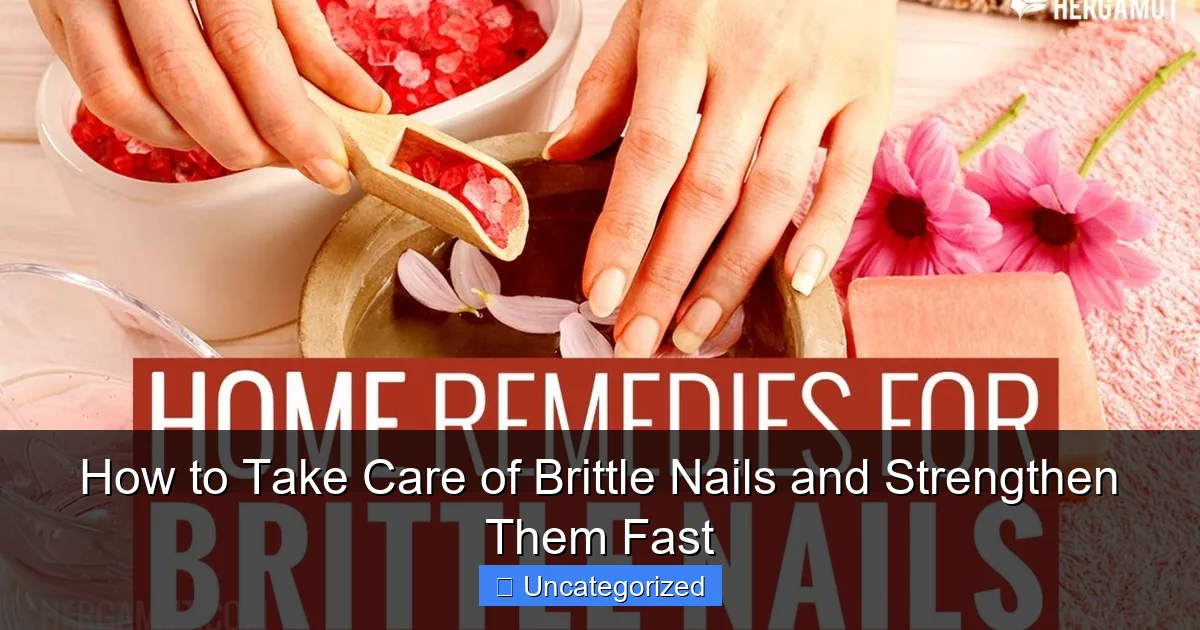
Visual guide about how to take care of brittle nails
Image source: i.ytimg.com
- Apply a thick hand and nail cream after every hand wash, especially if you’re a frequent hand-washer. Look for ingredients like urea (5–10%), lactic acid, or hyaluronic acid to attract and retain moisture.
- Use cuticle oil 2–3 times daily. A blend of jojoba, almond, and vitamin E oils penetrates deeply. For example, apply a few drops of oil and massage it into the nail bed and surrounding skin before bedtime.
- Wear cotton gloves at night after applying a heavy balm (like petroleum jelly or a urea-based cream) to lock in moisture. This “occlusive therapy” works wonders—think of it as a nail mask while you sleep.
Pro tip: Keep a travel-sized cuticle oil in your bag and reapply after using hand sanitizer, which dries out nails even more than soap and water.
Wear Gloves for Protection
Your nails are constantly exposed to damaging elements. Wear gloves during:
- Household chores (dishwashing, cleaning, gardening)
- Outdoor activities in cold, dry weather (winter gloves)
- Handling paper or rough materials (e.g., moving boxes)
Choose nitrile or rubber gloves with a cotton lining for wet work—they’re more durable than latex and prevent sweat buildup. For dry tasks, lightweight cotton gloves (like those used for typing) reduce friction. A 2021 study in the Journal of Cosmetic Dermatology found that participants who wore gloves during chores saw a 40% reduction in nail splitting within 8 weeks.
Gentle Nail Care Practices
Aggressive nail care accelerates brittleness. Adopt these gentle habits:
- Use sharp, clean nail clippers or glass/crystal files (never metal files, which shred the nail). File in one direction—never back and forth—to prevent splitting.
- Trim nails when they’re dry, not wet (wet nails are weaker and more prone to tearing).
- Keep nails short to reduce snagging. A rounded or square shape with slightly rounded edges is less likely to catch on things.
- Buff nails gently with a 4-way buffer only once a week. Over-buffing removes the nail’s natural protective layer.
Example: Instead of sawing at a hangnail with clippers, use a cuticle pusher to gently push it back, then apply cuticle oil. This prevents painful tears and infections.
Nutrition and Supplements for Stronger Nails
Key Nutrients for Nail Health
Nails are made of keratin, a protein, so nutrition plays a critical role in their strength. Deficiencies in certain nutrients directly impact nail structure:
- Biotin (Vitamin B7): The most well-known nail strengthener. Biotin boosts keratin infrastructure. The recommended daily intake is 30 mcg, but supplements of 2,500–10,000 mcg are often used for nail health. Food sources: Eggs, nuts, sweet potatoes, salmon.
- Iron: Low iron (ferritin levels below 20 ng/mL) can cause koilonychia (spoon-shaped nails). Food sources: Red meat, spinach, lentils, fortified cereals.
- Zinc: Essential for cell division and keratin production. Food sources: Oysters, pumpkin seeds, chickpeas.
- Protein: Nails are 80% keratin. Aim for 0.8–1.2 grams of protein per kg of body weight. Food sources: Chicken, tofu, Greek yogurt, quinoa.
- Omega-3 Fatty Acids: Reduce inflammation and improve nail flexibility. Food sources: Fatty fish, flaxseeds, chia seeds.
- Vitamin C: Supports collagen formation, which strengthens the nail bed. Food sources: Citrus, bell peppers, strawberries.
Note: Always consult a doctor before starting supplements, especially if you have kidney issues or take medications.
Sample Meal Plan for Healthy Nails
Here’s a day’s worth of meals rich in nail-friendly nutrients:
- Breakfast: Oatmeal with walnuts, chia seeds, and blueberries (protein, omega-3s, vitamin C)
- Lunch: Grilled salmon salad with spinach, pumpkin seeds, and avocado (iron, zinc, omega-3s)
- Snack: Hard-boiled eggs with carrot sticks (biotin, vitamin A)
- Dinner: Lentil stew with sweet potatoes and kale (iron, fiber, biotin)
- Hydration: Drink 2–3 liters of water daily to prevent dehydration.
Bonus: Add a biotin-rich smoothie (spinach, banana, almond butter, flaxseeds) 3–4 times a week.
Topical Treatments and Nail Strengtheners
Choosing the Right Nail Strengthener
Not all nail hardeners are created equal. Look for products with these active ingredients:
- Calcium: Reinforces the nail plate. Found in many “hardening” base coats.
- Hydrolyzed keratin: Repairs damaged keratin bonds. Brands like NailTek and OPI Nail Envy use this.
- Silica (silicon dioxide): Adds flexibility and reduces splitting. Often paired with biotin.
- Formaldehyde-free formulas: Avoid traditional hardeners with formaldehyde (e.g., some “nail strengtheners” from the 1990s), which can make nails brittle over time.
Application tip: Apply the strengthener every other day for the first two weeks, then 2–3 times weekly. Always apply to clean, dry nails.
Natural and DIY Treatments
For a gentler approach, try these natural remedies:
- Olive oil soak: Soak nails in warm olive oil for 10–15 minutes, 3 times a week. The fatty acids penetrate the nail plate.
- Honey and lemon mask: Mix 1 tbsp honey (moisturizing) with 1 tsp lemon juice (vitamin C) and apply for 10 minutes. Rinse and moisturize.
- Green tea compress: Soak a cotton pad in cooled green tea (rich in antioxidants) and hold it on each nail for 5 minutes. Do this 2–3 times weekly.
- Egg yolk and olive oil mask: Whisk 1 egg yolk with 1 tbsp olive oil. Apply to nails and cuticles for 15 minutes before rinsing.
Example: A 2020 study in Dermatology and Therapy found that participants who applied a 5% urea cream daily saw a 30% improvement in nail flexibility after 6 weeks.
Medical and Professional Care Options
When to See a Dermatologist
Consult a dermatologist if brittle nails persist for more than 3–6 months despite home care, or if you notice:
- Yellowing, thickening, or crumbling nails (signs of fungal infection)
- Pain, swelling, or pus (possible paronychia)
- Ridges, pitting, or discoloration (linked to psoriasis or lichen planus)
- Spoon-shaped nails (koilonychia) or Beau’s lines (horizontal grooves)
A dermatologist may perform a nail biopsy, blood tests (for iron, thyroid, or vitamin levels), or prescribe medicated creams (e.g., antifungals or corticosteroids).
Professional Treatments
For severe cases, professionals offer:
- Nail wraps: Fiberglass or silk wraps bonded to the nail with resin to protect and strengthen. Lasts 2–4 weeks.
- Laser therapy: For fungal infections causing brittleness. Targets the fungus without harming the nail.
- Prescription biotin: High-dose biotin (5,000–10,000 mcg/day) for patients with diagnosed deficiencies.
- Platelet-rich plasma (PRP) therapy: Injects concentrated growth factors to stimulate nail growth. Still experimental but promising for chronic cases.
Note: Avoid “nail salons” that aggressively buff or use harsh chemicals. Opt for medical nail technicians in dermatology offices.
Prevention: Long-Term Strategies for Healthy Nails
Build a Nail-Friendly Routine
Consistency is key. Adopt this weekly nail care schedule:
- Daily: Moisturize hands and cuticles 2–3 times; wear gloves for chores.
- Every other day: Apply nail strengthener or cuticle oil.
- Weekly: Soak nails in olive oil or green tea; file gently; trim if needed.
- Monthly: Visit a dermatologist or licensed nail technician for a checkup (if high-risk).
Pro tip: Keep a “nail journal” to track changes, triggers (e.g., new detergent), and treatment effectiveness.
Environmental Adjustments
Modify your surroundings to reduce nail damage:
- Use a humidifier at home/work to maintain 40–60% humidity.
- Switch to acetone-free nail polish removers with added moisturizers (e.g., butter LONDON or Zoya).
- Limit gel manicures to 1–2 times per year. If you do get gels, ensure proper removal (soak-off, not peeling).
- Avoid “nail art” with heavy embellishments (e.g., rhinestones) that weaken the nail.
Example: A 2022 survey by the American Osteopathic College of Dermatology found that 78% of women who reduced gel polish use reported improved nail strength within 3 months.
Table: Comparison of Nail Strengthening Products
| Product Type | Key Ingredients | Best For | Application Frequency | Price Range |
|---|---|---|---|---|
| Base Coat Strengthener | Calcium, hydrolyzed keratin | Daily protection under polish | Daily (under polish) | $10–$25 |
| Cuticle Oil | Jojoba, almond, vitamin E | Moisturizing cuticles | 2–3 times daily | $8–$20 |
| Nail Serum | Biotin, silica, peptides | Repairing damaged nails | 2–3 times weekly | $15–$30 |
| Overnight Mask | Urea, shea butter, lactic acid | Deep hydration | Nightly (with gloves) | $12–$28 |
| DIY Soak | Olive oil, green tea | Budget-friendly care | 3 times weekly | $0–$10 |
Brittle nails don’t have to be a lifelong struggle. By combining daily moisturizing, protective habits, nutrient-rich nutrition, and targeted treatments, you can transform weak, peeling nails into strong, resilient ones. Remember, results take time—most people see improvements in 4–12 weeks, as nails grow slowly (about 3 mm per month). Stay patient, consistent, and proactive. If home care doesn’t help, don’t hesitate to seek professional advice. With the right approach, you’ll not only strengthen your nails but also boost your confidence, knowing your hands look as healthy as they feel. Start today: apply that cuticle oil, slip on your gloves, and give your nails the care they deserve.
Frequently Asked Questions
What causes brittle nails and how can I prevent them?
Brittle nails are often caused by frequent exposure to water, harsh chemicals, or nutrient deficiencies (like biotin or iron). To prevent them, wear gloves during chores, limit water exposure, and maintain a balanced diet rich in vitamins and minerals.
How can I strengthen brittle nails fast?
To strengthen brittle nails fast, apply a nourishing nail oil or cream daily, especially those containing jojoba oil, vitamin E, or keratin. Avoid gel polishes and harsh removers—opt for a protein-rich base coat instead.
Are there home remedies for brittle nails?
Yes! Soak nails in warm olive oil or coconut oil 2-3 times weekly to boost moisture. A paste of lemon juice and baking soda can also gently exfoliate while promoting shine and strength.
How does diet affect brittle nails?
A diet lacking in biotin, iron, or omega-3s can weaken nails. Eat foods like eggs, nuts, salmon, and leafy greens to support nail health—supplements may help if deficiencies persist.
Can overusing nail polish cause brittle nails?
Absolutely. Frequent polish use, especially with drying removers, strips nails of natural oils. Take breaks between manicures, use a strengthening base coat, and choose acetone-free removers.
How often should I moisturize my nails to avoid brittleness?
Moisturize your nails and cuticles at least twice daily with a targeted nail oil or hand cream. For best results, apply after washing hands and before bed to lock in hydration overnight.