
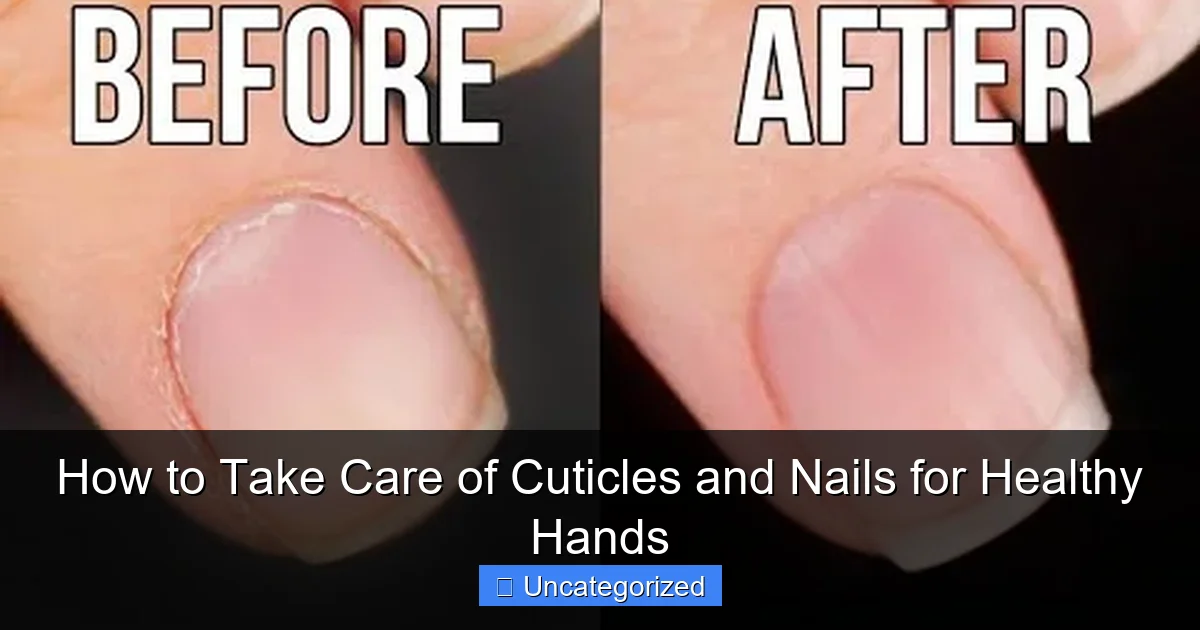
Featured image for how to take care of cuticles and nails
Image source: i.ytimg.com
Healthy cuticles and nails start with consistent, gentle care—never cut or aggressively push back your cuticles, as this can lead to infection and damage. Instead, soak hands in warm water, use a soft cuticle pusher, and nourish daily with cuticle oil or cream to keep skin supple and nails strong. Regular moisturizing, protective gloves during chores, and avoiding harsh chemicals are key habits for long-term hand health.
Key Takeaways
- Moisturize daily: Apply cuticle oil or cream to prevent dryness and cracking.
- Trim carefully: Use sterile tools to avoid infections and uneven edges.
- Protect nails: Wear gloves during chores to shield from chemicals and water.
- Hydrate nails: Drink water and use hydrating base coats for strength.
- Push, don’t cut: Gently push back cuticles to maintain nail health.
- Limit polish: Take breaks from nail products to prevent discoloration.
- Eat nail-friendly foods: Boost keratin with protein, vitamins, and omega-3s.
📑 Table of Contents
- The Foundation of Beautiful Hands: Why Nail and Cuticle Care Matters
- Understanding Your Nails and Cuticles: Anatomy and Function
- Daily Habits for Healthy Nails and Cuticles
- Weekly and Monthly Care Routine: Deep Nourishment and Maintenance
- Diet and Supplements: Fueling Nail Health from Within
- Advanced Care: Treating Common Nail and Cuticle Problems
- Conclusion: Building a Lifelong Nail and Cuticle Care Ritual
The Foundation of Beautiful Hands: Why Nail and Cuticle Care Matters
Your hands are among the most visible parts of your body, often making the first impression in social and professional settings. Yet, despite their constant use and exposure to environmental stressors, many people neglect the health of their nails and cuticles—the thin, protective skin surrounding the base of each nail. While polished nails might look appealing, true beauty lies in the underlying health of your nail beds and cuticles. Dry, cracked, or peeling cuticles can lead to painful hangnails, infections, and even affect nail growth. Conversely, well-maintained nails and cuticles not only look polished but also serve as a defense against bacteria, viruses, and fungal infections.
Taking care of your cuticles and nails isn’t just about aesthetics—it’s about hygiene, comfort, and long-term health. Healthy nails grow faster, are less prone to breakage, and reflect overall wellness. In fact, changes in nail texture, color, or shape can sometimes indicate underlying health issues, such as vitamin deficiencies or circulation problems. With a consistent, science-backed care routine, you can transform rough, brittle nails and irritated cuticles into strong, smooth, and radiant features. This guide will walk you through everything you need to know about how to take care of cuticles and nails, from daily habits to professional-grade treatments, ensuring your hands stay healthy and beautiful year-round.
Understanding Your Nails and Cuticles: Anatomy and Function
Before diving into care routines, it’s essential to understand the biology of your nails and cuticles. Knowing how they grow, what they’re made of, and their role in your body helps you tailor your care to their specific needs. The nail itself is composed of keratin, the same protein found in your hair and skin, and grows from the matrix—the hidden part beneath the cuticle. The cuticle, or eponychium, is a thin layer of dead skin that seals the gap between the nail plate and the skin, acting as a natural barrier against microbes.
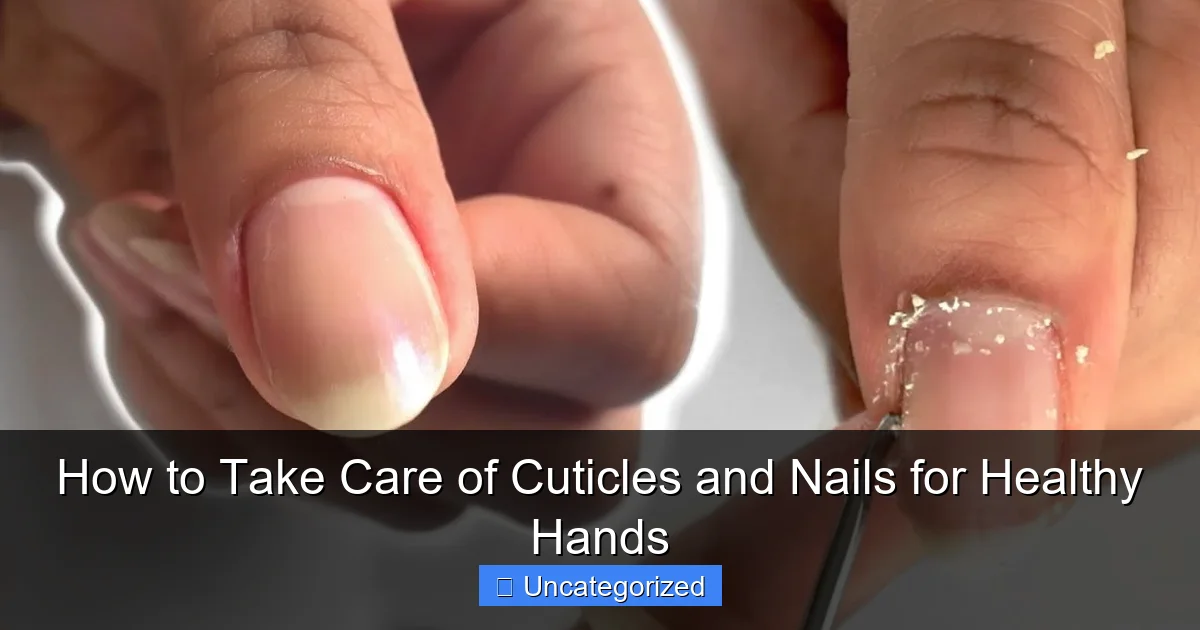
Visual guide about how to take care of cuticles and nails
Image source: i.ytimg.com
The Science of Nail Growth
Nails grow at an average rate of 3.5 millimeters per month on fingers and 1.6 millimeters per month on toes. Fingernails take about 6 months to fully regrow, while toenails can take up to 12–18 months. Growth is influenced by age, diet, circulation, and health conditions. For example, thyroid disorders can cause slow growth or brittle nails, while frequent hand washing or exposure to chemicals can weaken the nail structure. The nail bed—the skin beneath the nail—contains blood vessels and nerves, which give the nail its pink appearance. Healthy circulation supports strong growth and a natural sheen.
Role of the Cuticle: More Than Just Skin
The cuticle isn’t just “extra skin” to be removed—it’s a critical protective seal. When cuticles are dry, cracked, or pushed back aggressively, the nail matrix becomes vulnerable to bacteria and fungi. This can lead to paronychia (a painful infection of the nail fold) or onychomycosis (fungal nail infections). The cuticle also helps regulate moisture exchange, preventing excessive water loss from the nail bed. Damaged cuticles often result in white spots, peeling, or vertical ridges on the nails.
Common Misconceptions
- Cutting cuticles is safe: Many manicurists trim cuticles, but this can break the protective seal and increase infection risk. Dermatologists recommend pushing back cuticles instead, using a cuticle pusher or orangewood stick.
- Brittle nails = calcium deficiency: While diet plays a role, brittle nails are more often caused by dehydration, overuse of nail polish removers, or frequent exposure to water.
- White spots mean trauma: These are usually due to minor injuries to the nail matrix and not a sign of zinc deficiency, as commonly believed.
Daily Habits for Healthy Nails and Cuticles
Consistency is key when it comes to how to take care of cuticles and nails. A few simple, daily habits can make a dramatic difference in strength, appearance, and resilience. These practices require minimal time but deliver maximum results when done regularly.
Hydration: The First Line of Defense
Moisturizing isn’t just for your face—your hands and nails need hydration too. Dry skin and nails are prone to cracking, peeling, and hangnails. Apply a rich hand cream or cuticle oil at least twice a day, especially after washing hands or using hand sanitizer. Look for products containing:
- Urea (5–10%): A natural humectant that draws moisture into the skin.
- Lanolin: A waxy substance that seals in moisture.
- Shea butter: Deeply nourishing and anti-inflammatory.
- Jojoba or argan oil: Mimic natural skin oils and absorb quickly.
Pro tip: Keep a small tube of hand cream in your bag, car, and desk drawer. Apply after every hand wash—even if your hands feel dry, this habit prevents future damage.
Gentle Cleansing and Drying
Frequent hand washing is essential for hygiene, but it can strip natural oils from your skin and nails. To minimize damage:
- Use lukewarm (not hot) water.
- Choose a moisturizing, fragrance-free soap.
- Pat hands dry—don’t rub aggressively with a towel.
- Pay attention to the area under the nails; use a soft nail brush if needed.
For those who use hand sanitizer frequently, follow up with a hydrating hand cream immediately. Alcohol-based sanitizers are extremely drying and can lead to brittle nails over time.
Protecting Your Hands
Your hands are exposed to harsh elements daily—cold air, UV rays, detergents, and cleaning chemicals. Wear gloves when:
- Doing household chores (washing dishes, scrubbing floors).
- Gardening or handling soil/fertilizers.
- Working in cold environments (e.g., winter sports, outdoor jobs).
- Using chemical products (paint, solvents, nail polish remover).
For UV protection, apply a broad-spectrum sunscreen to the backs of your hands daily. Sun damage can cause age spots, dryness, and even increase skin cancer risk.
Mindful Nail Usage
Your nails are not tools. Avoid using them to:
- Open soda cans or packages.
- Scratch off labels or stickers.
- Pick at hangnails (this increases infection risk).
Instead, keep a small nail file, cuticle pusher, and scissors in your bag. If you notice a hangnail, never pull or bite it—use sterile scissors to trim it cleanly.
Weekly and Monthly Care Routine: Deep Nourishment and Maintenance
While daily habits maintain baseline health, a structured weekly and monthly routine provides deeper care and addresses issues that arise over time. This section outlines a step-by-step plan for professional-level results at home.
Cuticle Care: Push, Don’t Cut
Once a week, perform a gentle cuticle maintenance session:
- Soak hands in warm water with a few drops of olive oil or bath oil for 5–10 minutes. This softens cuticles.
- Pat dry and apply a thick layer of cuticle oil or balm.
- Use a cuticle pusher (preferably glass or metal) to gently push back cuticles. Work in one direction—don’t scrape back and forth.
- For stubborn cuticles, use a wooden orangewood stick wrapped in cotton for extra precision.
- Apply a nourishing hand mask or overnight treatment.
Never cut cuticles unless they are visibly loose and dead (e.g., after a manicure). If you must trim, use sterile cuticle nippers and only remove the loose, flaky parts—never the attached skin.
Exfoliation and Masking
Dead skin buildup on the hands and around the nails can make them look dull and rough. Exfoliate once a week using:
- A physical scrub (sugar + honey + olive oil).
- A chemical exfoliant (lactic acid or glycolic acid hand cream).
After exfoliating, apply a hand mask. Look for ingredients like:
- Hyaluronic acid: Hydrates deeply.
- Vitamin E: Antioxidant and healing.
- Allantoin: Soothes irritated skin.
For an intensive treatment, use a sleep mask overnight. Apply a thick layer, wear cotton gloves, and wake up with softer, smoother hands.
Nail Strengthening Treatments
Brittle or peeling nails benefit from targeted treatments:
- Base coat with keratin or silk proteins: Creates a protective layer and supports growth.
- Nail serums with biotin or panthenol: Strengthen the nail plate.
- Cuticle oil with tea tree or jojoba oil: Promotes circulation and reduces inflammation.
Apply these treatments every other day for 2–4 weeks to see improvement. Rotate with a plain base coat to avoid product buildup.
Monthly Professional Touch-Ups
Even with a great at-home routine, a monthly visit to a reputable nail salon or dermatologist can elevate your care. Professional services include:
- Paraffin wax treatments (deep hydration).
- Medical-grade cuticle care.
- Nail analysis (checking for signs of infection or deficiency).
Choose salons that sterilize tools and avoid aggressive cuticle cutting. Bring your own tools if concerned about hygiene.
Diet and Supplements: Fueling Nail Health from Within
You can’t out-moisturize poor nutrition. Your nails reflect your internal health, and a balanced diet is crucial for strong, fast-growing nails and resilient cuticles. While topical care is important, internal nourishment provides the building blocks for keratin and skin health.
Essential Nutrients for Nails
| Nutrient | Role in Nail Health | Best Food Sources |
|---|---|---|
| Protein | Keratin is a protein; deficiency causes brittleness and slow growth. | Eggs, lean meats, fish, beans, lentils, Greek yogurt. |
| Biotin (B7) | Supports keratin infrastructure; may reduce splitting. | Egg yolks, almonds, sweet potatoes, spinach, salmon. |
| Iron | Deficiency leads to spoon-shaped nails (koilonychia). | Red meat, spinach, lentils, fortified cereals. |
| Zinc | Supports cell division in the nail matrix. | Oysters, pumpkin seeds, chickpeas, cashews. |
| Omega-3 Fatty Acids | Reduce inflammation and support skin/nail hydration. | Fatty fish (salmon, mackerel), flaxseeds, chia seeds, walnuts. |
| Vitamin C | Collagen production; prevents brittle nails. | Citrus fruits, bell peppers, strawberries, broccoli. |
Hydration and Nail Health
Dehydration is one of the most common causes of brittle nails. The nail plate is about 10% water—when it dips below 7%, nails become dry and prone to splitting. Aim for:
- At least 8–10 glasses of water daily.
- Herbal teas, broths, and water-rich foods (cucumbers, watermelon).
- Limit dehydrating substances like alcohol and caffeine.
Monitor your urine color: pale yellow = well-hydrated; dark yellow = dehydrated.
Supplements: When to Consider Them
Most people can get nutrients from food, but supplements may help if you have:
- A restrictive diet (vegan, gluten-free).
- Digestive issues (e.g., celiac, Crohn’s).
- Visible nail symptoms (white lines, slow growth).
Popular options:
- Biotin (2.5–5 mg daily): May improve nail thickness after 3–6 months.
- Collagen peptides (10–15 g daily): Supports nail and skin elasticity.
- Multivitamin with B-complex and zinc: Covers general deficiencies.
Always consult a healthcare provider before starting supplements, especially if pregnant or on medication.
Advanced Care: Treating Common Nail and Cuticle Problems
Even with the best care, issues can arise. Knowing how to identify and treat common problems prevents long-term damage and promotes recovery.
Hangnails and Cuticle Infections
Hangnails are small tears in the cuticle, often caused by dryness or picking. To treat:
- Soak in warm water with Epsom salt for 5 minutes.
- Apply an antiseptic (tea tree oil or over-the-counter ointment).
- Cover with a bandage if painful.
- Use a cuticle cream to speed healing.
For signs of infection (redness, swelling, pus), see a doctor. Paronychia may require antibiotics.
Brittle, Peeling, or Ridged Nails
Causes include:
- Overuse of nail polish remover (acetone).
- Frequent water exposure (e.g., swimmers, dishwashers).
- Hypothyroidism or iron deficiency.
Solutions:
- Switch to acetone-free removers.
- Wear gloves during wet work.
- Use a nail hardener (with caution—overuse can cause brittleness).
- Consult a doctor if ridges are deep or accompanied by color changes.
Fungal Infections (Onychomycosis)
Yellow, thick, or crumbly nails may indicate a fungal infection. Risk factors include:
- Walking barefoot in public showers.
- Wearing tight, non-breathable shoes.
- Previous nail trauma.
Treatment:
- Topical antifungals (e.g., ciclopirox nail lacquer).
- Oral antifungals (prescription only).
- Keep feet dry; use antifungal powder.
- Disinfect shoes and nail tools.
Allergic Reactions and Irritation
Some people react to nail polish, gel, or acrylics. Symptoms include:
- Red, itchy, or peeling skin around nails.
- Blisters or swelling.
Switch to hypoallergenic or “5-free” nail products. Avoid formaldehyde, toluene, and dibutyl phthalate. If reactions persist, see a dermatologist for patch testing.
Conclusion: Building a Lifelong Nail and Cuticle Care Ritual
Taking care of your cuticles and nails isn’t a one-time fix—it’s a lifelong commitment to health, hygiene, and self-care. From understanding the science of nail growth to adopting daily habits, weekly treatments, and nutritional support, every step contributes to stronger, more beautiful hands. Remember, how to take care of cuticles and nails is not about perfection but consistency. Even small efforts—like applying cuticle oil after washing hands or wearing gloves while cleaning—add up over time.
Healthy nails and cuticles are a reflection of your overall wellness. They protect you from infections, enhance your confidence, and add a polished touch to your appearance. By integrating the tips in this guide into your routine, you’ll not only prevent common problems like hangnails, brittleness, and infections but also enjoy faster growth, smoother texture, and a natural glow. Whether you’re a busy professional, a parent, or someone who loves DIY manicures, prioritize your hands. After all, they do so much for you—give them the care they deserve. With the right knowledge and habits, radiant, healthy hands are within reach for everyone.
Frequently Asked Questions
How often should I moisturize my cuticles and nails?
For optimal nail and cuticle care, moisturize at least twice daily—especially after washing hands or using sanitizer. Use a rich cream or cuticle oil containing jojoba or vitamin E to maintain hydration and prevent dryness.
What’s the best way to push back cuticles safely?
After softening cuticles with a warm soak or cuticle oil, gently push them back using a wooden orange stick or rubber pusher. Never cut or force them, as this can damage the nail matrix and increase infection risk.
How to take care of cuticles and nails to prevent peeling?
Keep nails trimmed short, avoid harsh chemicals (wear gloves when cleaning), and apply a keratin-strengthening base coat. Hydrate cuticles daily to maintain flexibility and reduce peeling or splitting.
Can I use regular lotion for cuticle care?
While lotion helps, a dedicated cuticle oil or balm with nourishing oils (like almond or argan) is more effective for deep hydration. Regular lotion lacks the concentrated nutrients needed for proper cuticle care.
Why do my nails get brittle and how can I fix it?
Brittle nails often result from dehydration, frequent water exposure, or nutrient deficiencies. Boost moisture with weekly nail masks and a biotin-rich diet, and limit contact with drying agents like acetone.
Is it necessary to remove cuticles during manicures?
No—cuticles protect the nail root from bacteria. Instead of removing them, focus on gentle cuticle care by softening and pushing them back. Over-trimming can lead to painful hangnails and infections.