
Featured image for how to take care of damaged nails
Image source: i.ytimg.com
Stop further damage by keeping nails trimmed, dry, and protected with gloves during chores. Nourish them daily with cuticle oil, biotin-rich moisturizers, and a protein-boosting nail treatment to accelerate repair and strengthen weak, peeling, or brittle nails. Consistency is key—combine gentle care with a nutrient-dense diet for visible, long-term results.
Key Takeaways
- Moisturize daily: Apply cuticle oil to nourish and repair damaged nails.
- Trim carefully: Use sharp tools to avoid splitting or peeling nails.
- Limit water exposure: Wear gloves during chores to prevent weakening.
- Choose gentle products: Avoid harsh chemicals in nail polish removers.
- Maintain a balanced diet: Eat protein, biotin, and vitamins for strength.
- Give nails a break: Go polish-free to let them recover naturally.
📑 Table of Contents
Understanding the Causes of Nail Damage
Common Culprits Behind Weak and Brittle Nails
Our nails are more than just a canvas for polish—they’re a reflection of our overall health. Damaged nails can manifest as brittleness, peeling, discoloration, or even deep ridges, and understanding their root causes is the first step toward restoration. Environmental factors like frequent exposure to water, harsh detergents, or acetone-based nail polish removers strip the natural oils from nails, leaving them dehydrated and fragile. For instance, dishwashers or frequent hand-washing without gloves can dry out the keratin structure, leading to splitting and peeling.
Chemical exposure is another major offender. Acrylics, gels, and dip powders often require soaking in acetone or aggressive filing, which weakens the nail plate over time. A 2020 study published in the Journal of Cosmetic Dermatology found that 68% of participants who used gel polish weekly for over a year reported moderate to severe nail thinning. Additionally, vitamin deficiencies—particularly biotin (B7), iron, zinc, and vitamin C—play a critical role. Iron-deficiency anemia, for example, can cause koilonychia (spoon-shaped nails), while a lack of biotin may lead to brittle, flaky nails.
Lifestyle and Health-Related Triggers
Beyond external factors, internal health issues can wreak havoc on nails. Hypothyroidism, psoriasis, and fungal infections like onychomycosis are common medical conditions linked to nail damage. A 2019 survey by the American Academy of Dermatology revealed that 12% of nail damage cases were tied to undiagnosed thyroid disorders. Lifestyle habits also matter: biting nails, using them as tools (e.g., opening soda cans), or even excessive hand sanitizer use can exacerbate damage. For example, a nurse working 12-hour shifts with frequent sanitizer exposure might notice their nails becoming paper-thin within weeks.
Age is another factor—as we grow older, nail growth slows, and the nail plate becomes more prone to dehydration. A 2021 Gerontology study noted that adults over 60 experience 30% more nail splitting than younger demographics due to reduced sebum production. Recognizing these triggers helps tailor a targeted recovery plan.
Immediate Steps to Halt Further Damage
Stop the Aggressors
The first rule of damaged nail care is to stop the bleeding—literally and figuratively. If you’re using harsh products or habits, eliminate them immediately. Swap acetone removers for soy-based or acetone-free formulas (look for brands like Ella + Mila or Cutex Non-Acetone). For those reliant on gel or acrylics, take a 3–6 month “nail holiday” to let the nail plate recover. During this period, opt for breathable, water-based polishes or go polish-free.
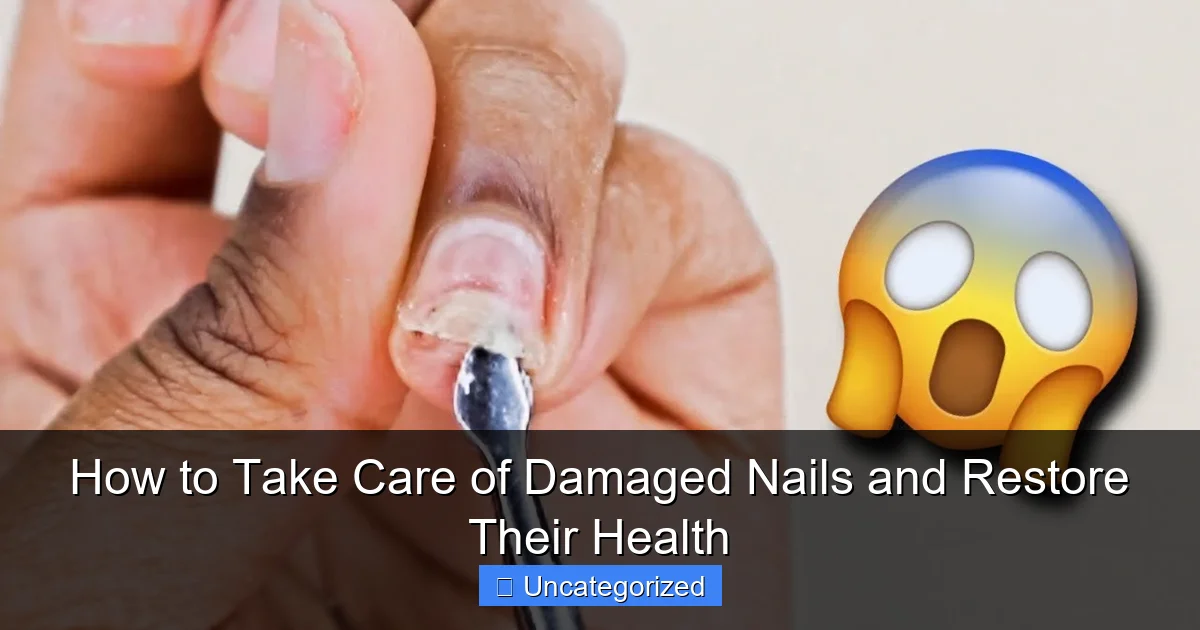
Visual guide about how to take care of damaged nails
Image source: i.ytimg.com
Protect your hands from water and chemicals by wearing cotton-lined rubber gloves for chores. For example, if you’re a gardener, try nitrile gloves under gardening gloves to shield nails from soil and moisture. A dermatologist-recommended tip: Apply a layer of petroleum jelly (Vaseline) around the cuticles before washing dishes to create a water barrier.
Gentle Nail Hygiene Practices
Over-filing or using metal tools can worsen damage. Instead, use a 4-way buffer (available at drugstores) to gently smooth ridges without scraping the nail. File in one direction only—sawing back and forth creates micro-tears. Keep nails short during recovery to reduce snagging; a 2018 Podiatry Today study found that short nails (just past the fingertip) are 40% less likely to split than long ones.
Moisturize daily. Apply a hand cream with ceramides or shea butter (e.g., CeraVe or Eucerin) and massage it into the nail bed. For an intensive treatment, try overnight: Slather nails and cuticles in a thick balm (like Lanolips or Burt’s Bees Cuticle Cream), then wear cotton gloves to lock in hydration.
Nutrition and Supplements for Nail Recovery
Foods That Feed Healthy Nails
You are what you eat—and your nails are no exception. A diet rich in protein, healthy fats, and vitamins accelerates nail repair. Key foods for damaged nails include:
- Protein: Eggs, lean meats, and lentils provide keratin-building amino acids.
- Omega-3s: Salmon, chia seeds, and walnuts reduce inflammation and add shine.
- Biotin sources: Almonds, sweet potatoes, and spinach. A 2022 Nutrition Reviews meta-analysis found that 2.5 mg of daily biotin improved nail thickness by 25% in 3 months.
- Iron-rich foods: Spinach, lentils, and red meat prevent anemia-related brittleness.
For example, a breakfast of scrambled eggs with spinach and avocado delivers protein, iron, and healthy fats—a trifecta for nail health. Avoid crash diets; rapid weight loss can trigger nail shedding due to nutrient depletion.
Supplements: When Diet Isn’t Enough
While food should be your primary source, supplements can bridge gaps. Look for products with:
- Biotin (B7): 2.5–5 mg daily (e.g., Nature Made or Sports Research).
- Collagen peptides: 10 g daily (Vital Proteins or NeoCell) boosts keratin production.
- Vitamin E: 400 IU daily (NOW Foods) protects against oxidative damage.
- Zinc: 15 mg daily (Solgar) supports nail cell turnover.
Note: Always consult a doctor before starting supplements, especially if pregnant or on medication. For instance, high-dose biotin can interfere with certain lab tests.
Topical Treatments and DIY Remedies
Over-the-Counter Solutions
Pharmacy finds can work wonders. Effective products for damaged nails include:
- Nail strengtheners: Look for formulas with calcium, silk protein, or hexanal (e.g., OPI Nail Envy or Duri Rejuvacote). Apply every 2 days, then remove with non-acetone remover weekly to prevent buildup.
- Cuticle oils: Jojoba, argan, or vitamin E oil (Sephora Collection or Sally Hansen) hydrates and reduces hangnails. Apply 3x daily with a dropper or brush.
- Moisturizing creams: Urea-based creams (Eucerin Roughness Relief) exfoliate and hydrate thick, damaged nails.
For example, a teacher with dry, cracked nails from chalk exposure might apply OPI Nail Envy nightly and use jojoba oil before bed.
DIY Home Treatments
For a budget-friendly approach, try these kitchen staples:
- Olive oil soak: Warm ¼ cup olive oil, soak nails for 15 minutes, then massage. Repeat 2x weekly.
- Honey and lemon mask: Mix 1 tbsp raw honey, 1 tsp lemon juice, and 1 tsp olive oil. Apply for 20 minutes, then rinse. Honey’s humectant properties draw moisture in, while lemon’s acidity brightens discoloration.
- Green tea soak: Steep 2 tea bags in warm water, soak nails for 10 minutes. Tannins in green tea strengthen nails.
Caution: Avoid undiluted lemon juice if you have cuts or sensitive skin—it can cause stinging.
Professional Care and When to Seek Help
Salon Treatments That Aid Recovery
Some salon services can support nail health if used sparingly. Opt for:
- Paraffin wax therapy: A heated wax treatment (available at many spas) deeply moisturizes nails and cuticles. Ideal for dry, brittle nails.
- Hardening polishes: Ask for a breathable formula like ORLY Breathable, which allows water and oxygen to penetrate.
- Gentle manicures: Request “no cutting” of cuticles (which can cause infections) and use a glass file instead of metal.
Example: A bride with damaged nails from frequent gel manicures might schedule a paraffin wax treatment a week before her wedding for a glossy, healthy look.
When to Consult a Dermatologist
See a specialist if you experience:
- Persistent yellowing, thickening, or crumbling (signs of fungal infection).
- Deep ridges, black lines, or sudden nail loss (possible melanoma or psoriasis).
- Nail changes alongside fatigue or hair loss (indicates thyroid issues).
A dermatologist may prescribe oral antifungals, steroid creams, or blood tests to identify underlying conditions. For instance, a patient with spoon-shaped nails might receive iron infusions to treat anemia.
Long-Term Maintenance for Healthy Nails
Building a Sustainable Routine
Recovery isn’t a one-time fix—it’s a lifestyle. Adopt these habits:
- Moisturize daily: Keep cuticle oil on your desk or nightstand for easy access.
- Wear gloves: For chores, gardening, or even typing (if you’re prone to snags).
- Hydrate: Drink 2–3 liters of water daily to maintain nail flexibility.
- Trim regularly: Use sharp, clean clippers every 1–2 weeks.
Track progress with a “nail journal”—note changes in texture, color, and growth weekly. Celebrate small wins, like reduced peeling or faster growth (average: 3 mm/month).
Seasonal Adjustments
Adapt your routine to the weather:
- Winter: Increase moisturizing to combat dry air. Use a humidifier at home.
- Summer: Apply SPF 30 to hands to prevent UV-induced brittleness.
- Swimming: Wear waterproof gloves or apply a protective nail coat (e.g., Nail Tek Foundation II) to shield against chlorine.
Example: A swimmer might apply coconut oil to nails before pool sessions and use a keratin-infused conditioner post-swim.
Data Table: Nail Recovery Timeline
| Time Frame | Expected Progress | Action Steps |
|---|---|---|
| 0–2 weeks | Reduced peeling, softer nails | Stop harsh products, start daily moisturizing |
| 3–6 weeks | Less splitting, improved shine | Add supplements, weekly oil soaks |
| 2–3 months | Visible growth, reduced ridges | Continue routine, consider professional treatments |
| 6+ months | Full recovery (if no underlying conditions) | Maintain long-term habits, monitor health |
Damaged nails don’t have to be a life sentence. With patience, the right tools, and a holistic approach, you can restore them to their natural strength and beauty. Remember: Healthy nails are a marathon, not a sprint. Prioritize consistency over quick fixes, and your hands will thank you.
Frequently Asked Questions
What are the best ways to repair damaged nails?
To repair damaged nails, focus on hydration and protection. Use a nourishing nail oil with ingredients like jojoba or vitamin E daily and wear gloves during chores to prevent further trauma.
How can I restore strength to weak, peeling nails?
Restore strength by applying a protein-rich nail hardener and avoiding harsh chemicals. Keep nails trimmed short and moisturize cuticles regularly to support healthy growth.
How to take care of damaged nails caused by gel polish?
Let nails “breathe” between gel manicures and use a gentle acetone-free remover. Apply a hydrating nail treatment with panthenol to repair dry, brittle nails after removal.
Can diet help improve damaged nails?
Yes—biotin-rich foods (like eggs and nuts) and protein support nail health. Hydration and zinc (found in leafy greens) also aid in repairing damaged nails faster.
How long does it take to heal severely damaged nails?
Recovery can take 6–12 months, as nails grow slowly (about 3 mm/month). Consistently using a nail repair serum and avoiding trauma will speed up the process.
Are there home remedies to treat damaged nails?
Try soaking nails in olive oil or a honey-lemon mix to soften and hydrate. For brittle nails, a warm coconut oil treatment overnight can improve flexibility and shine.