
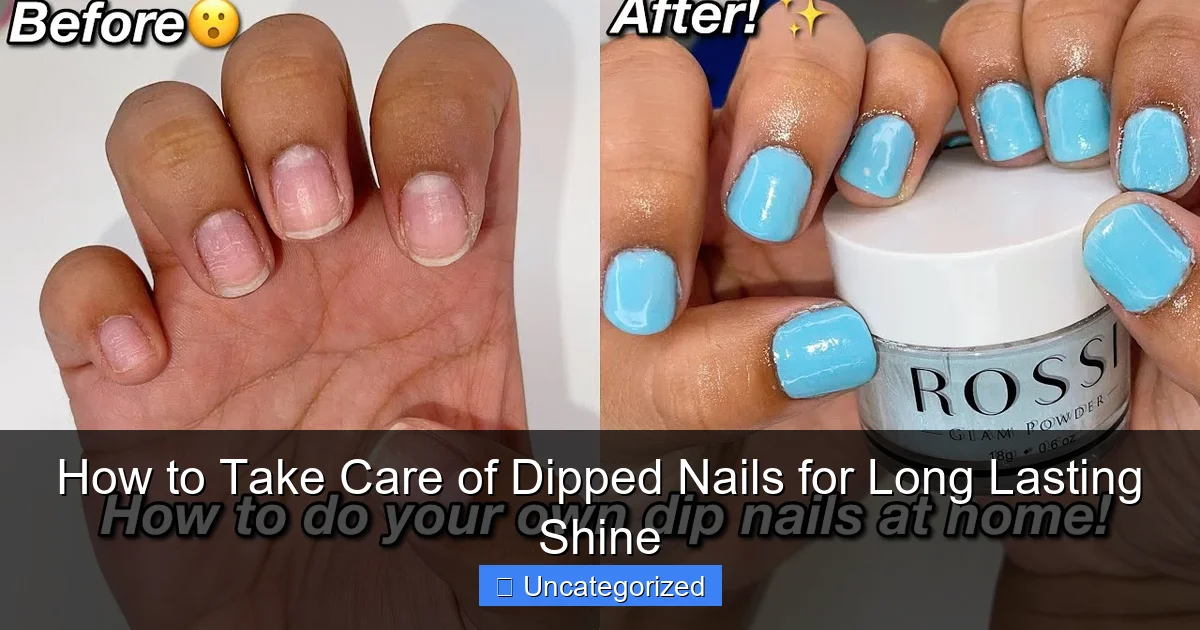
Featured image for how to take care of dipped nails
Image source: i.ytimg.com
Proper aftercare is essential to maintain the shine and longevity of dipped nails. Avoid excessive water exposure and always wear gloves during chores to prevent chipping and peeling, while daily cuticle oil application keeps the nail bed nourished and enhances luster. A top coat refresh every few days ensures a salon-quality finish that lasts.
Key Takeaways
- Moisturize daily: Apply cuticle oil to keep nails hydrated and prevent chipping.
- Wear gloves: Protect dipped nails from harsh chemicals and water exposure.
- Buff gently: Use a soft buffer to maintain shine without damaging the coating.
- Avoid acetone: Clean with non-acetone removers to preserve the dip powder finish.
- Schedule fills: Get fills every 2-3 weeks to maintain integrity and shine.
- Skip DIY removal: Always visit a pro to prevent nail bed damage.
📑 Table of Contents
How to Take Care of Dipped Nails for Long Lasting Shine
Dipped nails, also known as dip powder nails, have taken the beauty world by storm with their durability, vibrant colors, and high-gloss finish. Unlike traditional acrylics or gels, dip powder nails offer a unique combination of strength and flexibility, making them a favorite among nail enthusiasts. The process involves applying a base coat, dipping the nail into colored powder, and sealing it with a topcoat, resulting in a chip-resistant manicure that can last up to three weeks. However, like any nail enhancement, proper care is essential to maintain their shine, integrity, and overall appearance.
Whether you’re a seasoned dip powder user or a first-timer, understanding how to care for your dipped nails can make all the difference in extending their lifespan. From daily habits to professional maintenance, this guide dives deep into the dos and don’ts of dip powder care. We’ll cover everything from the science behind the longevity of dipped nails to practical tips for protecting them during everyday activities. By the end of this article, you’ll have a comprehensive toolkit to keep your dipped nails looking salon-fresh for weeks on end.
Understanding the Science Behind Dipped Nails
What Makes Dip Powder Nails Unique?
Dip powder nails are a hybrid between traditional manicures and nail enhancements. Unlike acrylics, which require liquid monomer to harden, or gels that need UV/LED curing, dip powders use a resin-based adhesive system that bonds with the powder to create a solid, durable layer. The powder itself is typically made from finely milled acrylic, calcium, and other strengthening agents, which are activated by the base coat and sealed with a topcoat. This process results in a lightweight yet robust finish that resists chipping and cracking better than most alternatives.
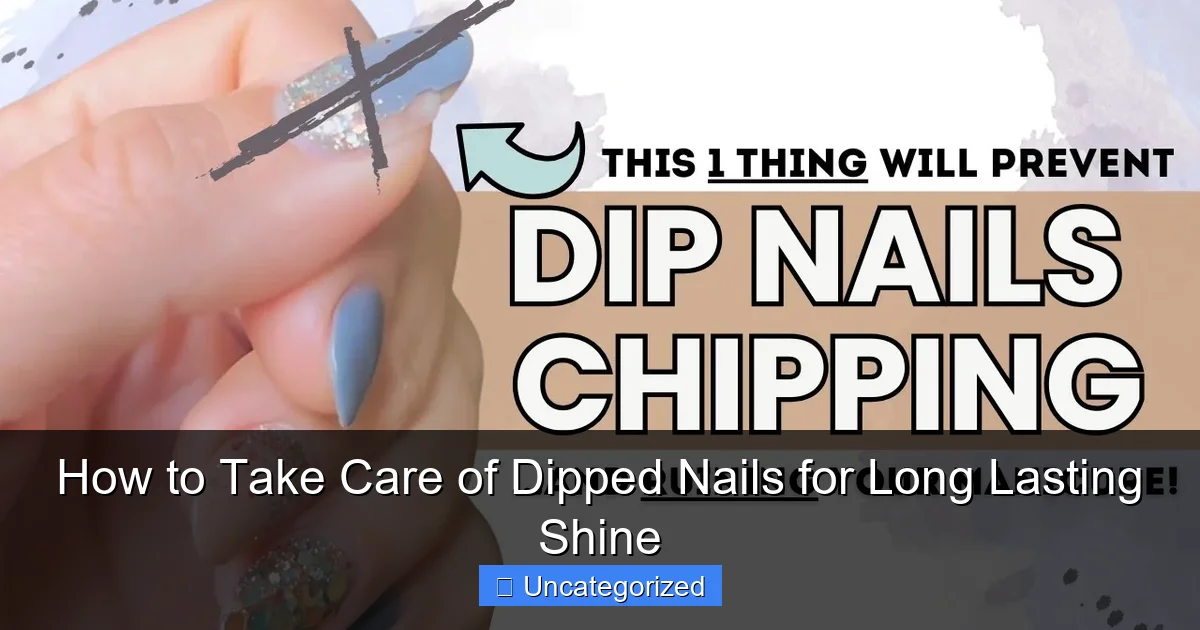
Visual guide about how to take care of dipped nails
Image source: i.ytimg.com
One of the key advantages of dip powder is its flexibility. Unlike rigid acrylics, dip powders have a slight give, which reduces the risk of breakage during everyday use. Additionally, the absence of harsh chemicals like MMA (methyl methacrylate) in most modern dip powders makes them a safer choice for nail health. However, this doesn’t mean they’re indestructible—proper care is still required to prevent lifting, staining, and dullness.
Why Do Dipped Nails Last Longer?
The longevity of dipped nails stems from their layered construction. Each application involves multiple coats (base, powder, activator, and topcoat), creating a thick, protective barrier. This barrier is resistant to water, oils, and minor impacts, which are common culprits of premature nail wear. According to a 2022 survey by NailPro Magazine, 68% of users reported their dip powder manicures lasted 2-3 weeks without chipping, compared to 1-2 weeks for gels or traditional polishes.
However, the lifespan of your dipped nails depends heavily on two factors: the quality of the products used and how well you care for them post-application. For example, using a high-quality activator and topcoat can add an extra week of wear, while neglecting daily maintenance can shorten it by days. Understanding these nuances is the first step toward achieving long-lasting shine.
Daily Habits to Protect Your Dipped Nails
Moisturize Your Cuticles and Hands
Healthy cuticles are the foundation of strong, long-lasting nails. Dry, cracked cuticles can lead to lifting and peeling, compromising the integrity of your dip powder. To prevent this, apply cuticle oil or hand cream at least twice daily. Look for products containing jojoba oil, vitamin E, or argan oil, which penetrate deeply to nourish the nail bed. For example, a quick swipe of oil in the morning and before bed can make a significant difference in preventing dryness.
Pro tip: Keep a travel-sized cuticle oil in your purse or desk drawer for midday touch-ups. Brands like CND SolarOil or OPI Nail & Cuticle Oil are excellent choices for on-the-go hydration. Additionally, avoid picking at your cuticles—this can damage the nail plate and create entry points for bacteria.
Wear Gloves for Household Chores
Water, detergents, and cleaning chemicals are the enemies of dipped nails. Prolonged exposure to these substances can weaken the adhesive bond, causing lifting or discoloration. Always wear rubber gloves when washing dishes, scrubbing floors, or handling harsh chemicals. For example, a pair of reusable nitrile gloves (like the ones used in laboratories) can provide superior protection compared to thin rubber gloves.
If you’re a frequent cleaner, consider using a nail-friendly dish soap, such as Cutex Nail Polish Remover’s gentle formula. These products are designed to be less drying and abrasive, reducing the risk of damage to your manicure.
Be Mindful of Everyday Activities
Simple actions like typing, opening cans, or using your phone can take a toll on your nails. To minimize wear:
- Use your knuckles or a tool (e.g., a pen or key) to press buttons or open containers.
- Avoid using your nails as tools to scrape off stickers, peel labels, or pry open packages.
- File nails regularly to prevent snags—use a glass nail file in one direction to avoid splitting.
For example, if you work in an office, keep a small nail buffer at your desk to gently smooth any rough edges that develop throughout the day.
Professional Maintenance: When to Visit a Salon
Schedule Regular Fill-Ins or Touch-Ups
Even with meticulous care, dipped nails will eventually grow out, creating a gap at the cuticle line. This gap not only looks unkempt but also traps dirt and moisture, increasing the risk of lifting. Visit your nail technician every 2-3 weeks for a fill-in or touch-up. During this appointment, the technician will:
- Buff the regrowth area to create a smooth base.
- Reapply the base coat, powder, and topcoat to blend the new growth seamlessly.
- Inspect for signs of lifting or damage and address them early.
For instance, if you notice a small lift at the edge of your nail, don’t wait—schedule an appointment immediately. Small lifts can expand quickly, leading to complete nail failure.
Know When It’s Time for a Full Removal
While dip powders are durable, they’re not meant to be worn indefinitely. Prolonged wear can trap bacteria under the nail, leading to infections or fungal growth. Signs it’s time for a full removal include:
- Visible lifting or peeling.
- Discoloration (yellowing or white spots).
- Pain or tenderness around the nail bed.
When removing dip powders, never peel or pry them off at home. This can strip layers of your natural nail, leaving it weak and brittle. Instead, visit a salon for a professional removal, which involves soaking the nails in acetone or using a gentle buffing process.
At-Home Care Routine for Maximum Shine
Weekly Deep Cleaning and Polishing
Over time, dipped nails can accumulate oils, dust, and residue, dulling their shine. To restore their luster, perform a weekly deep cleaning:
- Wash your hands with mild soap and water.
- Soak a cotton pad in rubbing alcohol and wipe each nail to remove surface oils.
- Buff the nails lightly with a 4-way buffer to revive shine.
- Apply a fresh coat of topcoat to seal and protect.
For example, if you notice your nails looking flat after a week, a quick buff and topcoat refresh can make them look brand new. Brands like Kiara Sky or Revel Nail offer high-shine topcoats specifically designed for dip powders.
Protect Against UV Exposure
Prolonged exposure to sunlight can fade the color of your dipped nails and weaken the adhesive bond. To prevent this:
- Apply a UV-protective topcoat (e.g., CND Super Shiney or DND Diamond Topcoat).
- Wear sunscreen on your hands when spending time outdoors.
- Use a nail polish with SPF as a base layer before applying dip powder.
Data from a 2023 study by the Journal of Cosmetic Dermatology found that nails exposed to UV radiation for more than 2 hours daily showed 30% faster fading compared to those protected with UV-blocking products.
Storage and Product Care
Proper storage of your dip powder supplies is crucial for maintaining their quality. Follow these tips:
- Keep powders in airtight containers to prevent moisture absorption.
- Store liquids (activators, topcoats) in a cool, dark place to avoid thickening or separating.
- Label and date products—most dip powders expire within 12-24 months.
| Product | Storage Tip | Lifespan |
|---|---|---|
| Dip Powder | Airtight container, away from humidity | 12-24 months |
| Activator | Room temperature, sealed tightly | 6-12 months |
| Topcoat | Dark, cool cabinet | 12 months |
Common Mistakes to Avoid with Dipped Nails
Neglecting Aftercare Instructions
Many people assume dipped nails are “maintenance-free,” but this is a myth. Skipping aftercare steps like moisturizing or wearing gloves can lead to premature wear. For example, a user who avoids cuticle oil may experience lifting within a week, while another who follows a care routine enjoys a 3-week manicure.
Using Low-Quality Products
Not all dip powders are created equal. Cheap kits often contain inferior powders or weak adhesives, leading to chipping, dullness, or allergic reactions. Invest in reputable brands like:
- Kiara Sky (known for vibrant colors and durability).
- Revel Nail (offers hypoallergenic options).
- OPI Dip Powder (trusted salon-quality results).
Pro tip: Read reviews and check ingredient lists before purchasing. Avoid products with harsh solvents or unlisted chemicals.
Overusing Nail Polish Removers
Acetone and other harsh removers can degrade the topcoat and weaken the adhesive bond. Instead, use a non-acetone remover for minor touch-ups or stains. For example, if you accidentally get nail glue on your skin, wipe it off with a cotton swab dipped in non-acetone remover—never acetone.
Conclusion
Dipped nails offer a stunning, long-lasting manicure that’s both durable and versatile. By understanding the science behind their construction, adopting daily protective habits, scheduling regular salon visits, and avoiding common mistakes, you can enjoy weeks of chip-free, high-gloss shine. Remember, the key to success lies in consistency—small, daily actions add up to a significant difference in your nails’ longevity.
From moisturizing your cuticles to wearing gloves during chores, every step you take contributes to the health and appearance of your dipped nails. Whether you’re a DIY enthusiast or a salon regular, this guide equips you with the knowledge to make your manicure last. So, go ahead—flaunt your flawless nails with confidence, knowing they’re built to withstand the test of time. With the right care, your dipped nails will remain a dazzling accessory for weeks to come.
Frequently Asked Questions
How long do dipped nails typically last, and how can I make them last longer?
Dipped nails usually last 2–4 weeks with proper care. To extend their lifespan, avoid prolonged water exposure, wear gloves during chores, and apply cuticle oil daily to maintain adhesion and shine.
What’s the best way to remove dipped nails without damaging my natural nails?
Soak a cotton pad with acetone, place it on the nail, and wrap foil around it for 10–15 minutes to loosen the dip powder. Gently push off the residue with a wooden stick—never force or peel them off.
How to take care of dipped nails to prevent chipping or lifting?
To prevent chipping, avoid using your nails as tools and file edges lightly to smooth rough spots. Applying a thin layer of clear top coat every 3–4 days reinforces protection and preserves the dipped nail’s integrity.
Can I use regular nail polish over dipped nails?
Yes, you can apply regular polish over dipped nails for color changes. Just ensure the dip surface is clean and lightly buffed for better adhesion, and remove polish with non-acetone remover to avoid weakening the dip.
How often should I moisturize my cuticles with dipped nails?
Moisturize your cuticles and nail edges with cuticle oil at least once daily, ideally at bedtime. This prevents dryness, reduces lifting, and keeps your dipped nails looking fresh and shiny longer.
Why are my dipped nails lifting, and how can I fix it?
Lifting often occurs from moisture trapped underneath or improper prep. Reapply a small amount of activator to the lifted area, press gently, and seal with a fresh dip powder layer to restore adhesion.