
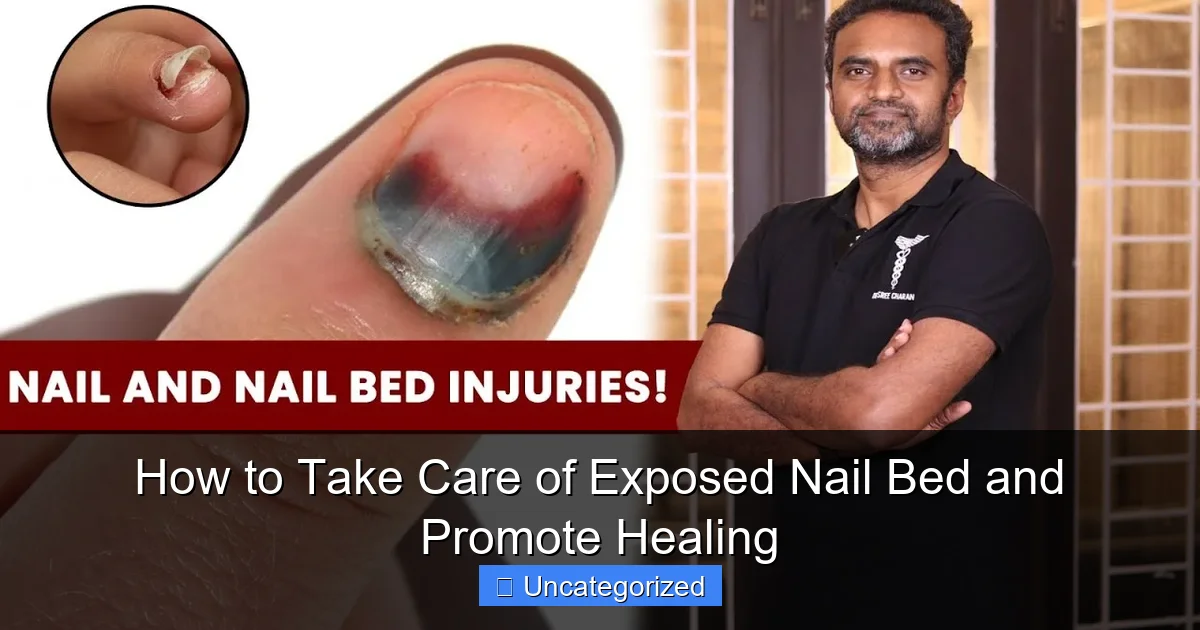
Featured image for how to take care of exposed nail bed
Image source: i.ytimg.com
Keep the exposed nail bed clean and dry to prevent infection and support healing—gently wash with mild soap, pat dry, and apply an antibiotic ointment. Protect the area with a non-stick bandage and avoid trauma by wearing loose, breathable footwear and minimizing pressure on the nail. Consistent care and monitoring for signs of infection (redness, swelling, pus) are crucial for a swift recovery.
Key Takeaways
- Keep it clean: Wash gently with mild soap and water daily.
- Moisturize regularly: Apply antibiotic ointment to prevent infection.
- Protect the area: Use a bandage or dressing for coverage.
- Avoid trauma: Wear gloves during chores or manual work.
- Trim carefully: Cut remaining nail straight across to prevent snags.
- Monitor for infection: Watch for redness, swelling, or pus.
- See a doctor: Seek help if healing stalls or pain worsens.
📑 Table of Contents
- Understanding the Exposed Nail Bed: Causes and Implications
- Immediate Steps to Protect and Soothe the Exposed Nail Bed
- Promoting Long-Term Healing: Nutrition and Lifestyle Adjustments
- Advanced Care: When to Seek Medical Attention
- Home Remedies and Natural Treatments for Nail Bed Care
- Preventing Future Nail Bed Injuries and Maintaining Healthy Nails
- Data Table: Nutrient Guide for Nail Bed Healing
Understanding the Exposed Nail Bed: Causes and Implications
An exposed nail bed is more than just a cosmetic concern—it’s a sign of trauma, infection, or underlying health issues that demand immediate attention. The nail bed, the soft tissue beneath your fingernails and toenails, plays a critical role in nail health. It provides nutrients to the nail plate and acts as a protective barrier against external damage. When this delicate area becomes exposed, whether due to an injury, nail loss, or a medical condition, it becomes vulnerable to pain, infection, and slow healing. The good news? With proper care, you can promote healing, reduce discomfort, and restore your nail bed to health.
Exposed nail beds can result from a variety of causes, ranging from accidental injuries—like slamming your finger in a door or dropping a heavy object on your toe—to chronic conditions such as nail psoriasis, fungal infections, or even aggressive manicures. In some cases, the nail may partially or completely detach, leaving the nail bed bare and sensitive. Understanding the root cause is essential for effective treatment. For instance, a traumatic injury may require different care than a fungal infection. This guide will walk you through the steps to protect, heal, and prevent further damage to an exposed nail bed, ensuring your nails grow back strong and healthy.
Immediate Steps to Protect and Soothe the Exposed Nail Bed
1. Clean the Area Gently
The first step in caring for an exposed nail bed is to clean it thoroughly to prevent infection. Use lukewarm water and mild antibacterial soap to wash the affected area. Avoid harsh chemicals or alcohol-based cleaners, as they can irritate the sensitive tissue. Gently pat the area dry with a clean, soft towel—do not rub, as this can cause further trauma. For example, if you accidentally hit your thumb with a hammer, rinsing it under running water for 1–2 minutes can help remove debris and reduce bacterial load.
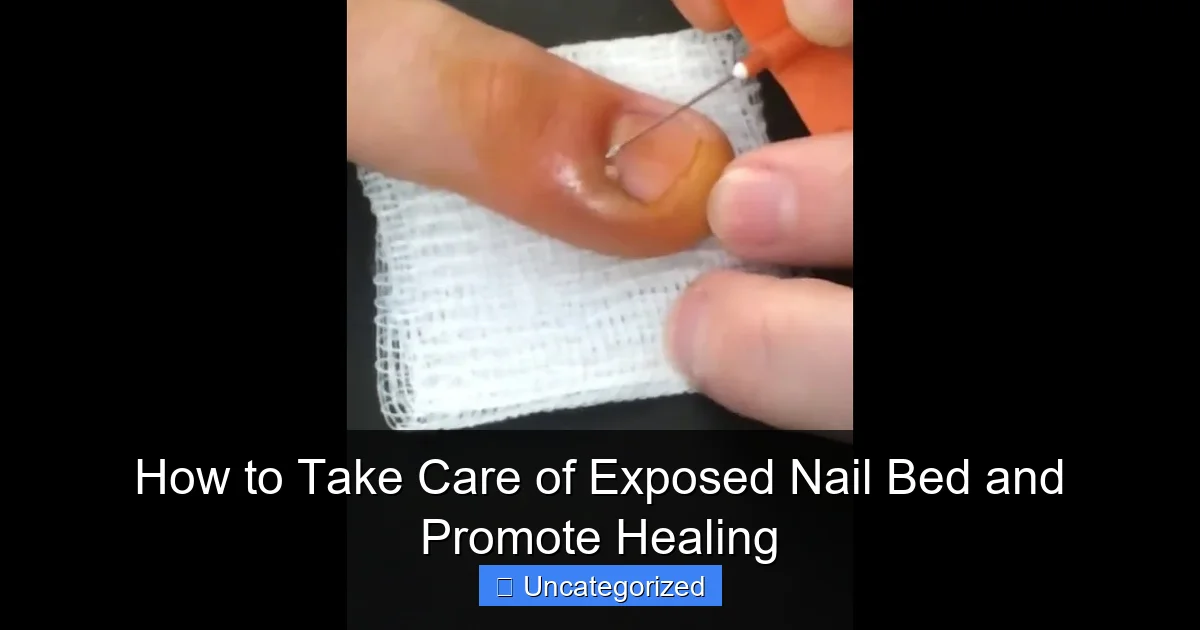
Visual guide about how to take care of exposed nail bed
Image source: i.ytimg.com
2. Apply an Antibiotic Ointment
After cleaning, apply a thin layer of over-the-counter antibiotic ointment (e.g., Neosporin or Polysporin) to create a protective barrier. This helps prevent bacteria from entering the wound and reduces the risk of infection. Cover the area with a sterile gauze pad or adhesive bandage. Change the dressing daily or more frequently if it becomes wet or dirty. For instance, if you’re working in a dusty environment, consider using a waterproof bandage to shield the nail bed.
3> Elevate and Rest the Area
If the injury is on your hand or foot, elevate it above heart level to reduce swelling and discomfort. Rest is crucial—avoid activities that put pressure on the affected area. For example, if you’ve injured a toenail, opt for open-toed shoes or sandals to minimize friction. Swelling can delay healing, so ice packs (wrapped in a cloth) applied for 15–20 minutes every 2–3 hours can help manage inflammation in the first 48 hours.
4. Manage Pain and Discomfort
Over-the-counter pain relievers like ibuprofen (Advil) or acetaminophen (Tylenol) can alleviate pain. Avoid aspirin, as it may increase bleeding if the nail bed is actively bleeding. For localized pain, a cool compress or a numbing cream (e.g., lidocaine) can provide temporary relief. However, avoid using numbing agents for extended periods, as they can mask signs of infection.
Promoting Long-Term Healing: Nutrition and Lifestyle Adjustments
The Role of Diet in Nail Bed Recovery
Healing an exposed nail bed isn’t just about topical care—your diet plays a pivotal role. Nutrients like biotin, vitamin E, zinc, and protein are essential for nail growth and tissue repair. Incorporate these foods into your daily meals:
- Biotin: Eggs, almonds, sweet potatoes, and salmon. Biotin strengthens nails and speeds up cell regeneration.
- Vitamin E: Spinach, avocados, and sunflower seeds. This antioxidant protects cells from damage and improves circulation.
- Zinc: Oysters, beef, and pumpkin seeds. Zinc aids in wound healing and immune function.
- Protein: Lean meats, lentils, and Greek yogurt. Protein provides the building blocks for new tissue.
For example, a smoothie with spinach, banana, Greek yogurt, and a handful of almonds can deliver a nutrient boost to support healing.
Hydration and Its Impact on Nail Health
Dehydration can slow healing and lead to brittle, slow-growing nails. Aim for at least 8–10 glasses of water daily. If you struggle to drink enough, try infusing water with cucumber or lemon for flavor. Additionally, use a humidifier at home, especially in dry climates, to prevent the nail bed from drying out and cracking.
Lifestyle Habits to Avoid
While healing, avoid habits that can hinder recovery:
- Excessive water exposure: Prolonged soaking (e.g., frequent swimming or dishwashing) can soften the nail bed and delay healing. Wear gloves when handling water.
- Chemical exposure: Harsh cleaning products, nail polish removers, and acetone can irritate the area. Use gentle, fragrance-free products.
- Picking or biting: This can introduce bacteria and cause further trauma. Keep your hands busy with stress balls or fidget toys if you’re prone to nail-biting.
Advanced Care: When to Seek Medical Attention
Signs of Infection or Complications
While minor injuries can often be managed at home, certain symptoms warrant a doctor’s visit:
- Increased pain, swelling, or redness: These may indicate an infection.
- Pus or foul odor: A sign of bacterial or fungal growth.
- No improvement after 1–2 weeks: Slow healing could point to an underlying condition (e.g., diabetes or poor circulation).
- Fever or chills: A systemic infection may require antibiotics.
For example, if your exposed nail bed becomes hot to the touch or starts throbbing, consult a healthcare provider immediately. Infections like paronychia (nail fold infection) may require prescription antifungal or antibiotic treatments.
Medical Treatments for Severe Cases
Doctors may recommend:
- Oral antibiotics: For bacterial infections.
- Antifungal medications: For fungal infections (e.g., terbinafine or fluconazole).
- Nail avulsion: Surgical removal of the damaged nail to expose the nail bed for treatment.
- Topical corticosteroids: For inflammatory conditions like nail psoriasis.
In rare cases, if the nail bed is severely damaged, a dermatologist may suggest a nail matrixectomy—a procedure to prevent the nail from growing back improperly.
Physical Therapy and Nail Regrowth
For injuries involving ligament or tendon damage (e.g., a crush injury), a physical therapist can design exercises to restore mobility and reduce stiffness. Additionally, doctors may recommend silicone nail splints to protect the nail bed as it heals and prevent ingrown nails during regrowth.
Home Remedies and Natural Treatments for Nail Bed Care
Herbal and Essential Oil Applications
Natural remedies can complement medical treatments, but use them cautiously to avoid irritation:
- Tea tree oil: Diluted with a carrier oil (e.g., coconut oil), it has antifungal and antibacterial properties. Apply a drop to the area twice daily.
- Calendula ointment: Soothes inflammation and promotes healing. Use a pea-sized amount on the nail bed.
- Aloe vera gel: Cooling and hydrating, ideal for minor burns or irritation. Apply fresh gel from the plant or a fragrance-free product.
Note: Perform a patch test before using any essential oil to check for allergies. For example, apply a diluted solution to your wrist and wait 24 hours for reactions.
Warm Water Soaks with Epsom Salt
Soak the affected finger or toe in a bowl of warm water mixed with 1–2 tablespoons of Epsom salt for 10–15 minutes, 2–3 times daily. Epsom salt reduces inflammation and draws out impurities. Add a few drops of lavender oil for relaxation. This is especially helpful for minor injuries or post-surgical care.
Honey: A Natural Antimicrobial
Medical-grade honey (e.g., Manuka honey) has potent antimicrobial properties. Apply a thin layer to the exposed nail bed and cover with a bandage. Studies show honey can accelerate wound healing by reducing bacteria and inflammation. However, avoid using honey on deep or heavily bleeding wounds.
Preventing Future Nail Bed Injuries and Maintaining Healthy Nails
Protective Measures for Daily Life
Prevention is key to avoiding repeat injuries:
- Wear protective gloves: For manual labor, gardening, or cleaning.
- Use proper footwear: Avoid tight shoes that compress toenails. Opt for breathable materials.
- Trim nails correctly: Cut straight across and avoid rounded edges to prevent ingrown nails.
- Moisturize regularly: Apply hand and foot creams with urea or shea butter to keep skin and nails supple.
For example, a construction worker can wear impact-resistant gloves, while a gardener should use gloves with reinforced fingertips.
Professional Nail Care Tips
When visiting a salon, ensure tools are sterilized and technicians avoid over-cutting cuticles or using excessive force. If you have a history of nail bed issues, opt for gentle manicures and avoid acrylics or gels, which can weaken nails. At home, use a glass nail file instead of metal files, as they’re less likely to cause splits.
Monitoring Nail Health
Check your nails weekly for changes in color, texture, or shape. Early detection of issues like ridges, discoloration, or separation can prevent complications. Keep a nail journal to track healing progress and note any triggers (e.g., new detergents or medications).
Data Table: Nutrient Guide for Nail Bed Healing
| Nutrient | Function | Food Sources | Recommended Daily Intake |
|---|---|---|---|
| Biotin (Vitamin B7) | Strengthens nails and promotes cell growth | Eggs, almonds, salmon, sweet potatoes | 30 mcg (adults) |
| Vitamin E | Antioxidant; improves circulation | Spinach, avocados, sunflower seeds | 15 mg (adults) |
| Zinc | Supports wound healing and immune function | Oysters, beef, pumpkin seeds | 8–11 mg (adults) |
| Protein | Provides amino acids for tissue repair | Chicken, lentils, Greek yogurt | 0.8 g/kg body weight |
| Iron | Prevents anemia; supports oxygen transport | Red meat, lentils, spinach | 8–18 mg (adults) |
Taking care of an exposed nail bed requires a combination of immediate first aid, long-term nutritional support, and preventive habits. Whether your injury is minor or severe, consistency in care is vital. Remember to monitor for signs of infection, seek medical help when needed, and nourish your body from within. With patience and the right approach, your nail bed can heal fully, and your nails will grow back stronger than ever. Prioritize self-care, and don’t hesitate to consult a healthcare provider for personalized advice—your nails (and your health) deserve it.
Frequently Asked Questions
What causes an exposed nail bed, and how can I protect it?
An exposed nail bed often results from trauma, nail bed injuries, or nail loss due to infections or aggressive manicures. To protect it, keep the area clean, dry, and covered with a sterile bandage to prevent further damage or infection.
How to take care of exposed nail bed to speed up healing?
To take care of an exposed nail bed, apply an antibacterial ointment and use a non-stick dressing to reduce irritation. Avoid exposing the area to water, chemicals, or excessive pressure to promote faster healing.
Can I use nail polish or artificial nails on an exposed nail bed?
No, avoid nail polish or artificial nails until the nail bed fully heals, as these can trap moisture and bacteria, delaying recovery. Focus on natural healing with proper hygiene and moisture control.
What are the signs of infection in an exposed nail bed?
Signs of infection include increased redness, swelling, pus, throbbing pain, or a foul odor. If you notice these, consult a healthcare professional immediately for proper treatment.
How long does it take for an exposed nail bed to heal?
Healing time varies but typically takes 2–6 weeks, depending on the severity of the injury and your care routine. Consistently following proper hygiene and protection measures can shorten recovery time.
Should I see a doctor for an exposed nail bed?
You should see a doctor if the injury is severe, shows signs of infection, or if you have underlying conditions like diabetes. A professional can recommend specialized treatments to ensure proper healing.