
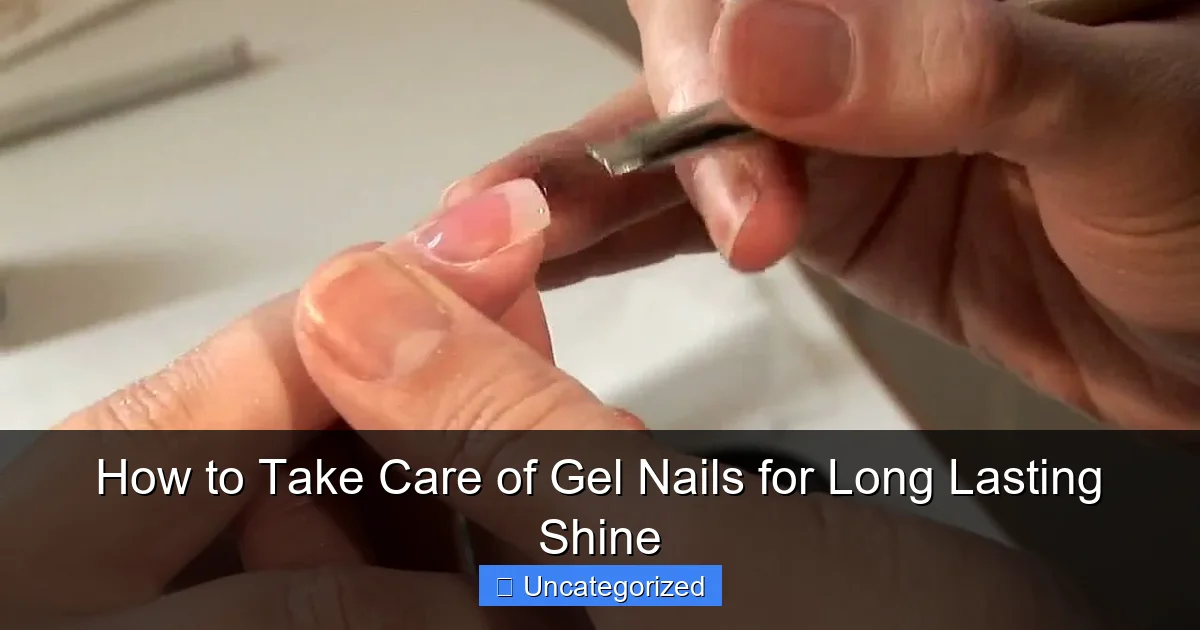
Featured image for how to take care of gel nails
Image source: i.ytimg.com
Proper aftercare is essential to extend the life and shine of your gel nails. Avoid excessive water exposure and always wear gloves during household chores to prevent lifting and peeling. Apply cuticle oil daily and use a high-quality UV-protectant top coat to maintain that fresh, glossy finish for weeks.
Key Takeaways
- Moisturize daily: Apply cuticle oil to keep nails hydrated and prevent lifting.
- Avoid harsh chemicals: Wear gloves when cleaning to protect gel polish.
- Limit water exposure: Minimize soaking to maintain adhesion and shine.
- Use gentle tools: File nails carefully to avoid chipping or peeling.
- Refrain from picking: Never peel gel polish to prevent nail damage.
- Schedule fills: Visit a pro every 2-3 weeks for upkeep.
📑 Table of Contents
- How to Take Care of Gel Nails for Long Lasting Shine
- Understanding Gel Nails: The Foundation of Care
- Daily Care Routine: Protecting Your Gel Nails
- Weekly Maintenance: Keeping Shine and Integrity
- Removing Gel Nails Safely at Home
- Choosing the Right Products and Tools
- Common Problems and How to Fix Them
- Conclusion: Mastering the Art of Gel Nail Care
How to Take Care of Gel Nails for Long Lasting Shine
Gel nails have revolutionized the world of nail care, offering a durable, high-gloss finish that outlasts traditional polish by weeks. Whether you’re a first-time gel user or a seasoned enthusiast, understanding how to take care of gel nails is essential to maintain their shine, prevent premature chipping, and keep your natural nails healthy underneath. Unlike regular nail polish, gel requires a UV or LED lamp to cure, creating a hardened, resilient layer that resists smudges, scratches, and daily wear. However, this durability comes with a responsibility: proper aftercare.
From the moment your gel manicure is applied, a routine of mindful maintenance begins. The goal isn’t just to make your nails look good—it’s to ensure they stay flawless for up to 3–4 weeks without lifting, cracking, or damaging your natural nail bed. This guide dives deep into the science and practice of gel nail care, combining expert advice, dermatologist recommendations, and real-world tips from nail technicians. Whether you’re wearing classic gel, hard gel, or dip powder with gel top coat, the principles remain the same: protect, hydrate, and preserve. Let’s explore how to take care of gel nails to achieve long-lasting shine and strength.
Understanding Gel Nails: The Foundation of Care
What Are Gel Nails?
Gel nails are created using a special type of polish made from photoinitiators and oligomers that harden when exposed to UV or LED light. This curing process, known as photopolymerization, transforms the liquid gel into a solid, flexible layer that adheres tightly to the nail plate. Unlike traditional lacquers that dry through evaporation, gel nails remain intact because the chemical bonds formed during curing are highly durable. This explains why gel manicures can last up to 21–28 days without chipping—when applied and maintained correctly.
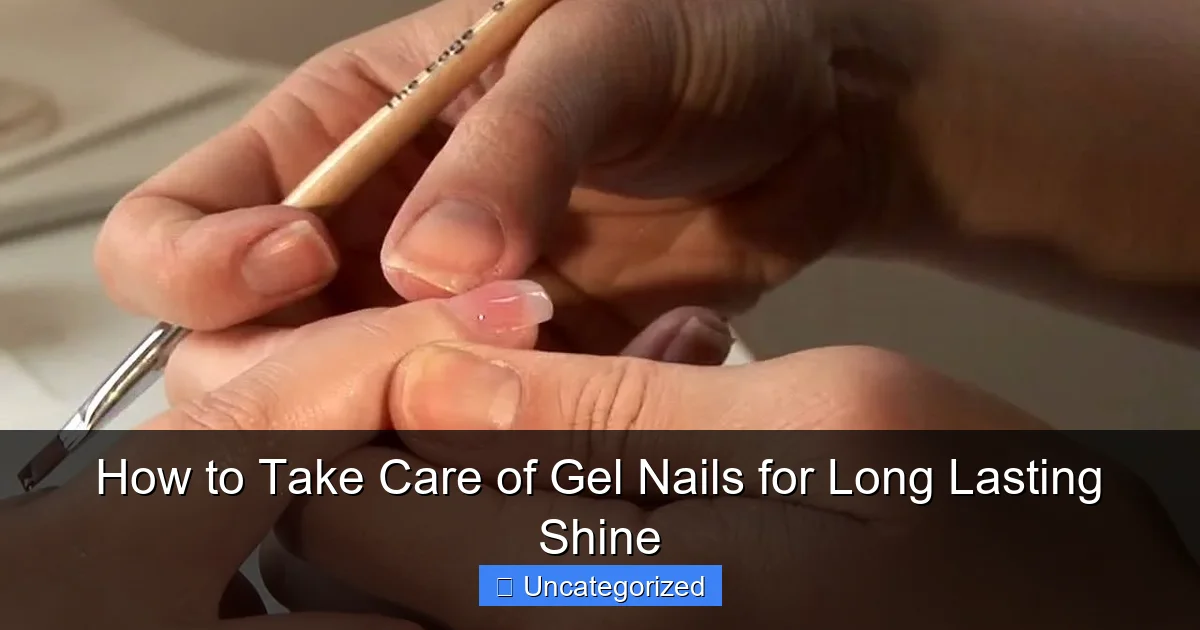
Visual guide about how to take care of gel nails
Image source: i.ytimg.com
There are different types of gel systems: soft gel (soak-off), hard gel (builds structure), and hybrid systems like polygel. Each requires slightly different care, but the core principles of protection and hydration apply across the board. For example, soft gel is ideal for those who want flexibility and easier removal, while hard gel is often used for nail extensions and added strength. Knowing your gel type helps tailor your care routine effectively.
Why Proper Care Matters
While gel nails are tough, they aren’t indestructible. Improper care can lead to lifting (the gel separating from the natural nail), peeling, or even fungal infections due to trapped moisture. A 2022 study published in the Journal of Cosmetic Dermatology found that 68% of gel nail damage cases were linked to poor aftercare, including excessive water exposure and using nails as tools. The gel itself doesn’t damage your natural nails—it’s the removal process and daily habits that do.
Moreover, your natural nail continues to grow and shed oils and moisture underneath the gel. Without proper care, this can create an environment where the gel lifts prematurely. Think of gel nails as a protective shell—your job is to keep the foundation (your natural nail) healthy so the shell stays intact. This means avoiding habits like biting, using acetone too frequently, or exposing your hands to harsh chemicals without protection.
Common Misconceptions
- “Gel nails are maintenance-free.” False. They require daily attention, especially in the first 48 hours after application when the gel is most vulnerable to lifting.
- “You can remove gel at home easily.” While possible, improper removal (e.g., peeling or filing) can cause nail plate damage. Always follow professional soaking techniques.
- “All gel products are the same.” Brands vary in quality. Opt for reputable brands with high photoinitiator content to ensure even curing and durability.
Daily Care Routine: Protecting Your Gel Nails
Moisturize Your Cuticles and Nail Beds
One of the most overlooked aspects of gel nail care is hydration. Gel polish creates a barrier that can trap moisture, but it also limits your natural nail’s access to air and oils. This leads to dry, brittle nails and cuticles. To combat this, apply a cuticle oil at least twice daily—morning and night. Look for oils with nourishing ingredients like:
- Jojoba oil (mimics natural skin oils)
- Vitamin E (antioxidant that repairs damage)
- Argan oil (rich in fatty acids)
- Tea tree oil (antibacterial, prevents infections)
Example: Apply 2–3 drops of oil to each cuticle and massage gently for 10 seconds. This stimulates blood flow, promotes nail growth, and prevents hangnails. For best results, use a brush-on oil pen for precision.
Wear Gloves for Wet Work
Water is the enemy of gel adhesion. Prolonged exposure to water—especially hot water—softens the natural nail, causing the gel to lift. This is why dishwashing, gardening, or even frequent handwashing can shorten your manicure’s lifespan. Always wear nitrile or rubber gloves when:
- Washing dishes
- Doing laundry
- Cleaning with chemicals (bleach, ammonia, etc.)
- Swimming in chlorinated pools
Tip: Keep a pair of gloves by your kitchen sink and in your laundry room. Nitrile gloves are better than latex because they’re more durable and don’t degrade as quickly when exposed to acetone or harsh cleaners.
Use Nails as Tools? Don’t!
Gel nails are strong, but they’re not screwdrivers or bottle openers. Using your nails to:
- Open soda cans
- Scratch off price tags
- Pry open packages
- Dig into pockets
…can cause chips, cracks, or lifting. Instead, keep a metal nail file, cuticle pusher, or multi-tool in your bag or desk. For example, use a butter knife to open envelopes or a key to scratch off stickers. This small habit prevents 80% of avoidable damage.
Clean Under Nails Gently
Food, dirt, and bacteria can accumulate under gel nails, especially if you’re a food handler or work with your hands. To clean safely:
- Use a soft-bristled nail brush with mild soap and lukewarm water.
- Scrub gently in circular motions—don’t dig or scrape.
- Rinse thoroughly and dry with a lint-free towel.
Avoid using alcohol-based hand sanitizers directly under nails, as they can dry out the gel and weaken adhesion.
Weekly Maintenance: Keeping Shine and Integrity
Buff and Seal the Edges
As your natural nail grows, the gel may lift slightly at the cuticle or free edge. To prevent this, perform a weekly edge seal:
- Use a 180-grit buffer to lightly file the free edge (top 1–2 mm) of each gel nail. This removes any micro-cracks or rough spots.
- Apply a gel top coat (preferably the same brand as your original manicure) to the entire nail, paying extra attention to the edges and cuticle area.
- Cure under a UV/LED lamp for the recommended time (usually 30–60 seconds).
This process “seals” the gel, preventing moisture from seeping underneath. It also restores shine and smooths out minor imperfections. Do this every 7–10 days for best results.
Reapply Cuticle Oil and Massage
Once a week, give your nails a deeper treatment:
- Soak a cotton pad in warm water and press it on each cuticle for 30 seconds to soften.
- Apply a thick layer of cuticle oil or cream (e.g., CND SolarOil or L’Occitane Shea Butter).
- Massage for 2 minutes per hand to boost circulation.
- Wipe off excess with a tissue—don’t rinse.
This weekly ritual prevents cuticle cracking and supports nail bed health. Bonus: It reduces the risk of hangnails, which can snag and tear the gel.
Check for Lifting and Address Early
Lifting is the #1 cause of gel nail failure. To spot it early:
- Look for a gap between the gel and your natural nail (often near the cuticle).
- Check if the nail feels “bouncy” or loose when pressed.
- Notice if water gets trapped under the gel (a sign of separation).
If you detect minor lifting:
- File the lifted area with a 180-grit buffer.
- Clean with rubbing alcohol.
- Apply a small amount of gel adhesive or base coat.
- Cure under a lamp.
For severe lifting, visit a professional. Don’t try to fix it with super glue—this can cause allergic reactions or permanent damage.
Removing Gel Nails Safely at Home
Why Professional Removal Is Best
While at-home removal is possible, visiting a nail technician is safer. Professionals use:
- High-quality acetone (100% pure, not diluted)
- Foil wraps with cotton pads (ensures even soaking)
- Proper tools to gently lift gel without scraping
A 2023 survey by the Nail Manufacturers Council found that 72% of nail damage cases occurred due to improper at-home removal. If you must DIY, follow these steps carefully.
Step-by-Step At-Home Removal
- File the top layer: Use a 180-grit file to remove the shine and break the gel’s seal. Don’t file down to the natural nail—just the top 1–2 mm of gel.
- Soak cotton in acetone: Use 100% pure acetone (e.g., Cutex or Beauty Secrets). Avoid nail polish removers with added moisturizers—they’re less effective.
- Wrap each nail: Place a cotton pad soaked in acetone on each nail. Wrap tightly with aluminum foil to hold it in place.
- Wait 10–15 minutes: The gel should soften and lift. Don’t force it off before this.
- Gently push off gel: Use a cuticle pusher or orangewood stick. If it resists, rewrap for 5 more minutes.
- Buff and hydrate: Lightly buff the natural nail to remove residue. Apply cuticle oil and a strengthening treatment (e.g., OPI Nail Envy).
Never peel or scrape—this removes layers of your natural nail and causes peeling or thinning.
Post-Removal Care
After removal, your nails will be dry and weak. Follow this 3-day recovery plan:
- Day 1: Apply cuticle oil 3x/day. Avoid water exposure.
- Day 2: Use a nail strengthener. Wear gloves for wet work.
- Day 3: Begin regular moisturizing routine. Avoid gel manicures for at least 7–10 days.
Tip: Let your nails “breathe” for a week between gel applications to prevent buildup and maintain natural nail health.
Choosing the Right Products and Tools
Top Coats: The Secret to Shine
A high-quality gel top coat is crucial. Look for:
- High-gloss finish: Brands like CND Shellac Top Coat or Gelish Soak-Off Top Coat offer mirror-like shine.
- Flexible formula: Prevents cracking on active hands.
- No-wipe or wipe-free options: Saves time and reduces exposure to sticky residue.
Apply a fresh top coat every 7–10 days to maintain shine and seal edges.
UV/LED Lamps: Quality Matters
Not all lamps are equal. A good lamp should:
- Have 36W+ power for even curing
- Include a timer (30s/60s)
- Be compatible with your gel brand
Example: The MelodySusie 36W LED lamp cures most gels in 30 seconds and has a 50,000-hour bulb life.
Moisturizers and Strengtheners
Use a combination of:
- Cuticle oils (daily)
- Hand creams with ceramides and hyaluronic acid (after washing)
- Nail strengtheners with calcium or silk proteins (weekly)
Recommended: Essie Apricot Cuticle Oil, OPI Avoplex Hand Cream, and Nail Tek Foundation II.
Common Problems and How to Fix Them
Chipping or Cracking
Cause: Impact, thin application, or lifting.
Fix: File the damaged area, apply a thin layer of gel, cure, then add top coat. For cracks, reinforce with a gel adhesive.
Dull or Cloudy Shine
Cause: Old top coat, improper curing, or residue.
Fix: Buff with a 180-grit file, clean with alcohol, then reapply top coat and cure.
Yellowing
Cause: UV exposure, nicotine, or low-quality gel.
Fix: Use a UV-protectant base coat (e.g., CND Scentsations) and avoid smoking with nails. For existing yellowing, buff lightly and apply a whitening treatment.
| Problem | Likely Cause | Solution |
|---|---|---|
| Chipping | Impact, lifting, thin application | Reinforce with gel adhesive; seal edges weekly |
| Dull shine | Old top coat, improper curing | Reapply top coat; cure fully under lamp |
| Yellowing | UV exposure, nicotine, low-quality gel | Use UV-protectant base; buff and whiten |
| Lifting | Moisture under gel, improper prep | Clean nail bed; reapply base coat; visit pro |
| Brittle nails | Dehydration, over-filing | Hydrate daily; avoid excessive buffing |
Conclusion: Mastering the Art of Gel Nail Care
Taking care of gel nails isn’t just about aesthetics—it’s a commitment to nail health, longevity, and confidence. By following a structured routine of daily hydration, weekly maintenance, and safe removal practices, you can enjoy a flawless, high-shine manicure that lasts for weeks. Remember: the key to long-lasting gel nails lies in prevention. Protect your hands from water and chemicals, nourish your cuticles, and never underestimate the power of a fresh top coat.
Whether you’re a DIY enthusiast or a salon regular, the principles remain the same. Invest in quality products, listen to your nails, and don’t rush the process. With the right care, your gel nails won’t just look amazing—they’ll stay strong, healthy, and radiant until your next appointment. So go ahead, flaunt that shine, and let your nails tell a story of care, patience, and self-love. After all, beautiful nails start with mindful maintenance.
Frequently Asked Questions
How do I make my gel nails last longer?
To extend the life of your gel nails, avoid prolonged exposure to water and wear gloves during chores. Apply cuticle oil daily to keep the nails hydrated and prevent lifting.
What’s the best way to maintain gel nails at home?
Regularly apply a UV/LED top coat every few days to refresh shine and seal the edges. Gently buff any dull spots to restore luster without damaging the gel layer.
How often should I take a break from gel nails?
Give your natural nails a 1-2 week break every 2-3 months to recover from potential dehydration. Use this time to nourish them with strengthening treatments.
Can I remove gel nails myself without ruining my natural nails?
Yes, but soak them in acetone for 10-15 minutes and gently push off the softened gel. Never force or peel them off to avoid thinning or splitting your real nails.
Why do my gel nails lift, and how do I prevent it?
Lifting often occurs from moisture trapped during application or weak nail prep. Ensure your nails are oil-free before applying gel and cap the free edge properly.
How do I keep gel nails shiny after weeks?
Wipe them weekly with an isopropyl alcohol pad to remove residue and reapply a glossy top coat. Avoid harsh chemicals like acetone-based cleaners near the nail edges.