
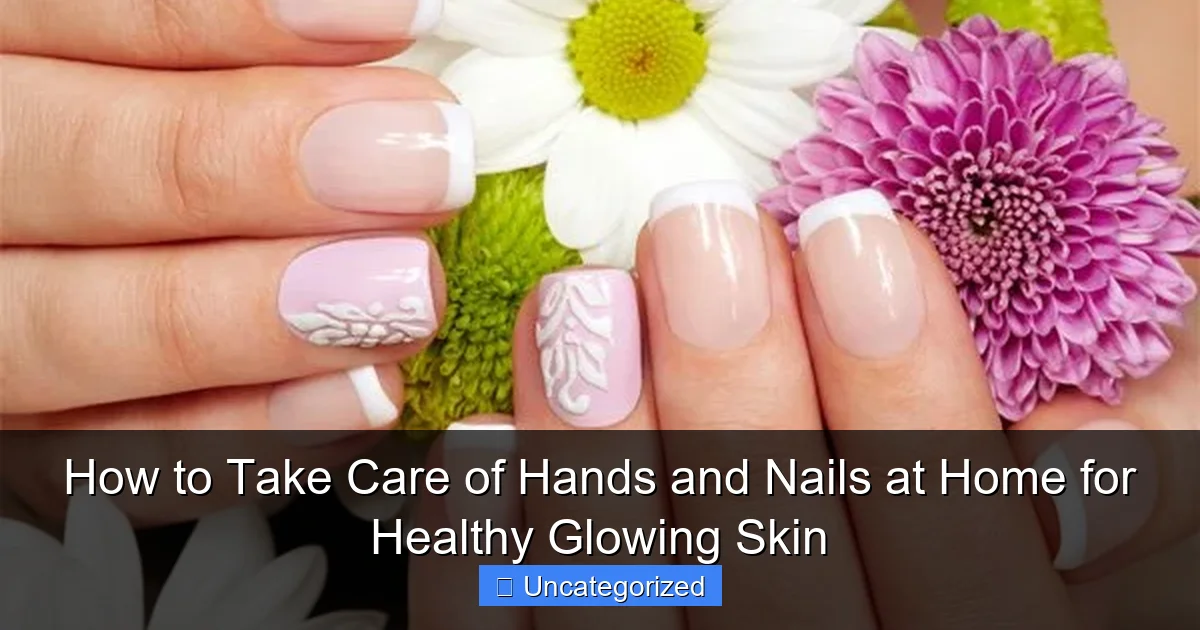
Featured image for how to take care of hands and nails at home
Image source: plaintips.com
Moisturize daily with a rich hand cream to lock in hydration and protect your skin’s barrier—this is the most crucial step for soft, youthful hands. Pair this with gentle exfoliation and cuticle care to reveal smoother skin and stronger, healthier nails using just a few effective at-home practices. Consistent care transforms dry, brittle hands into a glowing, well-manicured look.
Key Takeaways
- Moisturize daily: Apply hand cream after washing to lock in hydration.
- Protect from sun: Use SPF 30+ to prevent aging and dark spots.
- Exfoliate weekly: Gently scrub to remove dead skin and boost glow.
- Wear gloves: Shield hands during chores to avoid dryness and damage.
- Trim and file nails: Maintain shape and prevent breakage with regular care.
- Hydrate cuticles: Use oil daily to keep cuticles soft and healthy.
📑 Table of Contents
Understanding the Importance of Hand and Nail Care
Our hands are among the most used parts of our body, constantly exposed to environmental stressors like cold weather, UV radiation, harsh soaps, and frequent washing. They are also one of the first areas to show signs of aging and neglect. Despite this, hand and nail care often takes a backseat in skincare routines. Yet, healthy, glowing hands can elevate your confidence, reflect your personal hygiene, and even make a strong first impression. Whether you’re typing at a desk, gardening, cooking, or simply shaking hands, your hands tell a story. Taking care of them at home is not just about aesthetics—it’s about maintaining skin integrity, preventing infections, and promoting overall wellness.
Similarly, nails are more than just a canvas for nail polish. They serve as protective barriers for the fingertips, but when neglected, they can become brittle, discolored, or prone to fungal infections. The skin around the nails—the cuticles—is delicate and often overlooked. When dry or torn, it can lead to painful hangnails or infections. The good news is that with a few consistent, science-backed habits and natural remedies, you can achieve healthy, glowing hands and strong, beautiful nails without stepping foot in a salon. This guide will walk you through a comprehensive at-home hand and nail care routine, combining dermatologist-approved practices with affordable, effective techniques to help you maintain radiant skin and resilient nails all year round.
Daily Hand and Nail Hygiene Routine
Gentle Cleansing and Moisturizing
One of the most critical aspects of hand and nail care is maintaining a balanced cleansing and moisturizing routine. While washing hands is essential for hygiene, overwashing with harsh soaps can strip the skin of natural oils, leading to dryness, cracking, and irritation. To protect your skin, opt for a pH-balanced, sulfate-free hand soap that cleanses without over-drying. Look for ingredients like glycerin, aloe vera, or ceramides, which help maintain the skin’s moisture barrier.
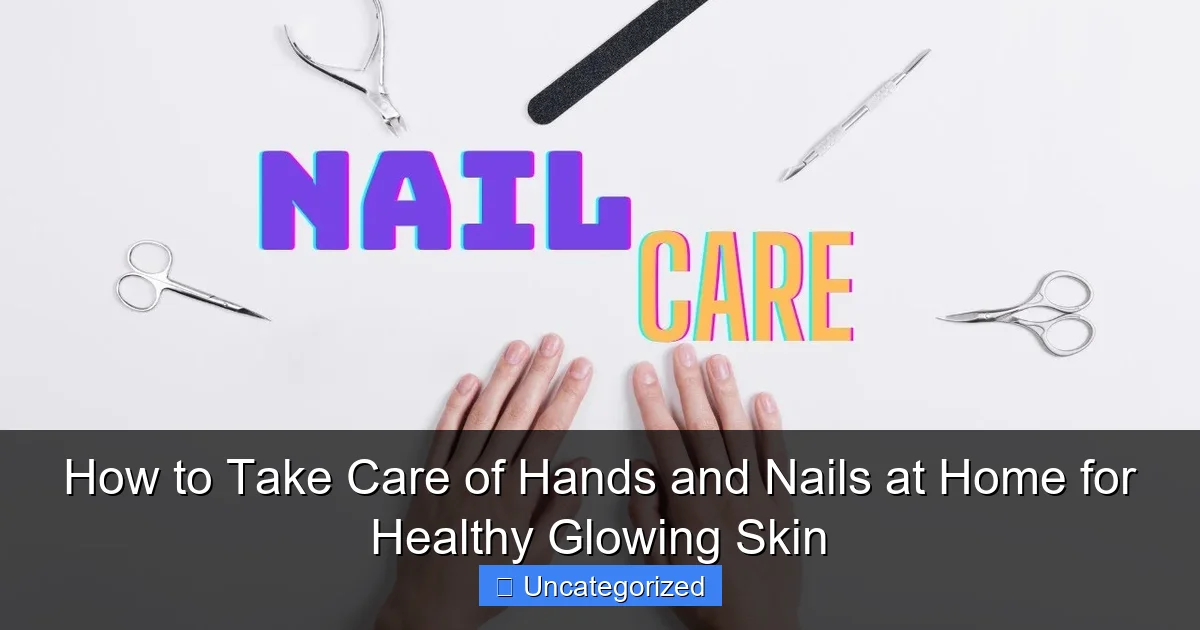
Visual guide about how to take care of hands and nails at home
Image source: i.ytimg.com
After each wash—especially after using hot water—pat your hands dry gently with a soft towel, leaving them slightly damp. Immediately apply a rich hand cream. The occlusive layer formed by moisturizers (like shea butter, petrolatum, or dimethicone) traps water in the skin, preventing transepidermal water loss. For optimal results, keep a travel-sized hand cream in your bag, at your desk, and by the sink. Apply it after every wash, but especially after exposure to water, cleaning agents, or cold weather.
Protecting Hands During Daily Tasks
Your hands are exposed to a variety of damaging elements throughout the day. Wearing gloves is one of the most effective ways to shield them. For example:
- Wear rubber gloves when doing dishes, cleaning with chemicals, or handling detergents. Even mild household cleaners can degrade the skin’s lipid barrier over time.
- Use gardening gloves to protect against dirt, thorns, and soil-borne microbes. Soil can harbor bacteria and fungi that may cause nail infections or dermatitis.
- Wear cotton gloves at night after applying a thick moisturizer. This enhances absorption and prevents the cream from rubbing off on your sheets—commonly called the “overnight hand mask.”
Additionally, during cold months, wear insulated gloves when outdoors. Cold air reduces the skin’s natural oil production, increasing the risk of chapping and fissures. If you frequently use hand sanitizers (which contain alcohol), follow them with a moisturizer to counteract dryness.
Proper Nail Washing and Drying
Clean nails are healthy nails. Use a soft nail brush under lukewarm water to gently scrub under the nails, especially after cooking, gardening, or using hand sanitizer. This removes dirt and bacteria that can cause discoloration or infections. Avoid using metal tools or sharp objects to clean under nails, as this can damage the nail bed or introduce pathogens.
After washing, ensure your hands and nails are completely dry before putting on gloves or touching electronics. Moist environments between the fingers and under the nails promote fungal growth (like athlete’s foot or onychomycosis). For those prone to fungal issues, consider using an antifungal powder in gloves or shoes if your hands sweat frequently.
Weekly Hand and Nail Treatments
Exfoliation: Removing Dead Skin Cells
Just like your face, your hands benefit from regular exfoliation. Dead skin cells can accumulate, leading to a dull appearance and uneven texture. Exfoliating once or twice a week helps reveal smoother, brighter skin and enhances the effectiveness of moisturizers.
You can choose between physical and chemical exfoliants:
- Physical exfoliants: Use a gentle hand scrub made with fine sugar or oatmeal mixed with honey or olive oil. Gently massage in circular motions for 1–2 minutes, then rinse with lukewarm water. Avoid harsh scrubs with large particles, which can micro-tear the skin.
- Chemical exfoliants: Look for hand creams or serums containing lactic acid (ideal for dry skin) or salicylic acid (great for oily or acne-prone skin around the nails). These dissolve dead skin cells without scrubbing and are excellent for sensitive skin.
After exfoliating, always follow with a rich moisturizer to soothe and hydrate the skin. Exfoliation also helps prevent ingrown nails by keeping the cuticle area soft and pliable.
Deep Moisturizing Masks and Soaks
Weekly hand masks or soaks can provide intense hydration and repair. Here are two easy DIY treatments you can do at home:
Honey and Oatmeal Soak:
Mix 2 tablespoons of raw honey, 1 tablespoon of colloidal oatmeal, and 1 cup of warm water. Soak your hands for 15–20 minutes. Honey is a natural humectant, drawing moisture into the skin, while oatmeal soothes irritation and reduces inflammation. This is especially helpful for eczema-prone hands.
Coconut Oil and Shea Butter Mask:
Melt 1 tablespoon of coconut oil with 1 tablespoon of shea butter in a double boiler. Add a few drops of vitamin E oil (an antioxidant that promotes healing). Apply the warm mixture to hands and nails, cover with cotton gloves, and leave on for 30 minutes. Rinse gently or leave overnight for maximum absorption.
For an extra boost, add essential oils like lavender (calming) or tea tree (antifungal)—but always dilute them properly (no more than 2–3 drops per tablespoon of carrier oil) to avoid irritation.
Cuticle Care and Nail Strengthening
The cuticles—the thin layer of skin at the base of the nail—protect the nail matrix (where new nail cells grow). Damaged or overgrown cuticles can lead to infections or weak, splitting nails. Weekly cuticle care is essential.
- Push back cuticles gently after a shower or soak when they’re soft. Use a wooden cuticle pusher or an orange stick—never cut them with scissors, as this can lead to infections.
- Apply cuticle oil daily, or at least 2–3 times a week. A blend of jojoba oil, vitamin E, and argan oil nourishes the cuticles and strengthens the nail plate. Massage the oil into the base of each nail in circular motions to stimulate blood flow.
- Use a nail strengthener if your nails are brittle or peeling. Look for formulas with biotin, calcium, or keratin. Apply once or twice weekly, avoiding the skin to prevent irritation.
For severe dryness or hangnails, avoid picking or biting. Instead, apply a healing balm with panthenol or allantoin and keep the area moisturized. If a hangnail becomes infected (red, swollen, painful), see a dermatologist.
Natural Remedies for Healthy Hands and Nails
Hydrating with Kitchen Ingredients
You don’t need expensive products to care for your hands and nails. Many effective treatments are already in your kitchen. Here are a few proven natural remedies:
- Olive oil soak: Warm ½ cup of olive oil and soak hands for 10–15 minutes. Olive oil is rich in antioxidants and fatty acids that repair dry, cracked skin. It also strengthens nails by improving keratin flexibility.
- Lemon juice for discoloration: Mix equal parts lemon juice and water. Soak nails for 5–7 minutes to lighten stains caused by nail polish or smoking. Lemon is acidic, so don’t leave it on for too long, and always follow with moisturizer.
- Baking soda scrub: Mix 1 tablespoon of baking soda with 2 tablespoons of water to form a paste. Gently rub on hands to remove stains and exfoliate. Baking soda is mildly alkaline, helping to balance skin pH.
Always patch-test natural ingredients first, especially if you have sensitive skin. Avoid lemon juice if you have cuts or open sores, as it can sting.
Herbal and Essential Oil Blends
Certain herbs and essential oils have antimicrobial, anti-inflammatory, and regenerative properties. Incorporating them into your routine can enhance nail and skin health:
- Tea tree oil: A natural antifungal. Mix 2–3 drops with 1 tablespoon of carrier oil (like jojoba) and apply to nails and cuticles. Helps prevent fungal infections and treats mild cases of athlete’s foot on hands.
- Lavender oil: Soothes irritated skin and reduces redness. Add to hand creams or use in a diffuser to reduce stress—chronic stress can worsen nail biting and skin conditions like psoriasis.
- Calendula extract: Found in ointments or infused oils, calendula promotes wound healing and reduces inflammation. Apply to cracked knuckles or hangnails.
Remember: essential oils are potent and should always be diluted. Never apply them directly to the skin or nails.
Hydration and Nutrition from Within
Healthy skin and nails start from within. Dehydration leads to dry, flaky hands and brittle nails. Aim to drink at least 8–10 glasses of water daily. Herbal teas like chamomile or green tea also contribute to hydration and provide antioxidants.
Nutrition plays a vital role too. Include these key nutrients in your diet:
- Biotin (Vitamin B7): Found in eggs, nuts, sweet potatoes, and salmon. Biotin deficiency is linked to brittle nails and hair loss.
- Omega-3 fatty acids: From fatty fish, flaxseeds, and walnuts. They reduce inflammation and support skin elasticity.
- Vitamin C: Citrus fruits, bell peppers, and broccoli boost collagen production, improving skin firmness and nail strength.
- Zinc: Found in shellfish, legumes, and pumpkin seeds. Zinc supports skin repair and immune function.
Consider a daily multivitamin or biotin supplement if your diet is lacking, but consult a healthcare provider first.
Protecting Hands from Environmental Damage
Sun Protection: The Forgotten Step
Sun exposure is a leading cause of premature aging, including on the hands. UV rays break down collagen and elastin, leading to wrinkles, dark spots (solar lentigines), and rough texture. Yet, most people forget to apply sunscreen to their hands.
Use a broad-spectrum SPF 30 or higher on the backs of your hands daily, especially if you spend time outdoors or drive frequently. UV rays penetrate car windows, so apply sunscreen even on cloudy days. Reapply every 2 hours if outdoors. Look for hand creams with built-in SPF for convenience.
For added protection, wear UV-protective gloves or use a UV-blocking hand serum. Studies show that consistent sun protection can reduce hand aging by up to 25% over time.
Combatting Cold Weather and Dry Air
In winter, low humidity and cold temperatures cause the skin to lose moisture rapidly. This leads to dry, cracked hands and brittle nails. To combat this:
- Use a humidifier at home and in your office to maintain indoor humidity above 40%.
- Switch to a thicker, emollient-rich hand cream in winter (e.g., with ceramides, urea, or lanolin).
- Avoid hot showers, which strip natural oils. Opt for lukewarm water instead.
- Wear gloves indoors if your home is dry or heated (heating systems reduce humidity).
For cracked knuckles or fingertips, apply a healing ointment (like petroleum jelly or zinc oxide cream) and cover with a bandage or cotton gloves overnight.
Preventing Chemical and Mechanical Damage
Frequent use of hand sanitizers, acetone-based nail polish removers, or typing without breaks can damage hands and nails. To minimize harm:
- Choose acetone-free nail polish removers to prevent drying and brittleness.
- Take typing breaks every 30 minutes to stretch your fingers and reduce strain.
- Use keyboard wrist supports to maintain proper hand posture.
- Avoid using your nails as tools (e.g., opening cans or scratching off labels).
For those with occupational exposure (e.g., healthcare workers, chefs, cleaners), double up on moisturizing and consider barrier creams that form a protective film over the skin.
Building a Sustainable At-Home Care Regimen
Creating a Weekly Schedule
Consistency is key. Here’s a sample weekly hand and nail care schedule to follow:
| Day | Activity | Products/Tools |
|---|---|---|
| Monday | Exfoliate hands + cuticle oil | Hand scrub, cuticle pusher, jojoba oil |
| Tuesday | Moisturize + SPF | Hand cream with SPF 30 |
| Wednesday | Nail soak + mask | Honey soak, cotton gloves |
| Thursday | Gentle cleansing + cuticle push | pH-balanced soap, orange stick |
| Friday | Deep moisturizing | Shea butter + coconut oil mask |
| Saturday | Rest day / polish change | Nail strengthener, non-acetone remover |
| Sunday | Review skin condition, adjust routine | Mirror, notebook (for tracking) |
Adjust based on your skin type and needs. For example, if you have oily skin, reduce exfoliation to once a week. If you have dry skin, add an extra moisturizing step.
Choosing the Right Products
When selecting hand and nail care products, read labels carefully. Look for:
- Fragrance-free or naturally scented products if you have sensitive skin.
- Non-comedogenic hand creams that won’t clog pores.
- Hypoallergenic formulas for reactive skin.
- Cruelty-free and vegan options if ethical sourcing matters to you.
Avoid products with alcohol, parabens, or synthetic fragrances, which can cause irritation or long-term skin damage.
Tracking Progress and Adjusting
Take weekly photos of your hands and nails to monitor changes. Note improvements in skin texture, nail strength, and cuticle health. If you notice persistent issues—like peeling nails, persistent dryness, or discoloration—consult a dermatologist. These could be signs of underlying conditions (e.g., thyroid issues, fungal infections, or vitamin deficiencies).
Your routine should evolve with the seasons, your lifestyle, and your skin’s needs. For example, in summer, focus on sun protection and hydration; in winter, prioritize moisture retention and protection from cold.
By dedicating just 10–15 minutes a day and a few hours a week, you can transform your hands and nails. Healthy, glowing skin is not a luxury—it’s a habit. With the right care, your hands will not only look beautiful but also feel strong, resilient, and cared for. Start today, and let your hands shine with confidence.
Frequently Asked Questions
How can I improve my hand and nail care routine at home?
To improve your hand and nail care at home, moisturize daily with a rich hand cream and wear gloves during chores to protect against harsh chemicals. Use cuticle oil regularly to keep nails strong and hydrated.
What are the best natural remedies for dry hands and brittle nails?
Natural remedies like coconut oil, shea butter, and olive oil deeply nourish dry hands and nails. Soak nails in warm olive oil weekly to strengthen them and reduce breakage.
How often should I exfoliate my hands for glowing skin?
Exfoliate your hands 1-2 times a week using a gentle sugar or salt scrub to remove dead skin cells and reveal smoother, glowing skin. Follow with a hydrating hand mask for best results.
Why do my nails peel, and how can I prevent it with at-home care?
Peeling nails often result from dehydration, nutrient deficiency, or excessive water exposure. Strengthen them with biotin-rich foods, a keratin-infused nail treatment, and limit soaking hands in water.
How can I whiten my nails naturally at home?
Soak nails in a mix of lemon juice and baking soda for 5-10 minutes to lift stains, or apply a paste of hydrogen peroxide and baking soda. Always moisturize afterward to prevent dryness.
What are the essential tools for DIY hand and nail care at home?
Essential tools include a glass nail file, cuticle pusher, exfoliating scrub, cuticle oil, and a quality hand cream. A soft nail buffer can also add shine to nails without polish.