
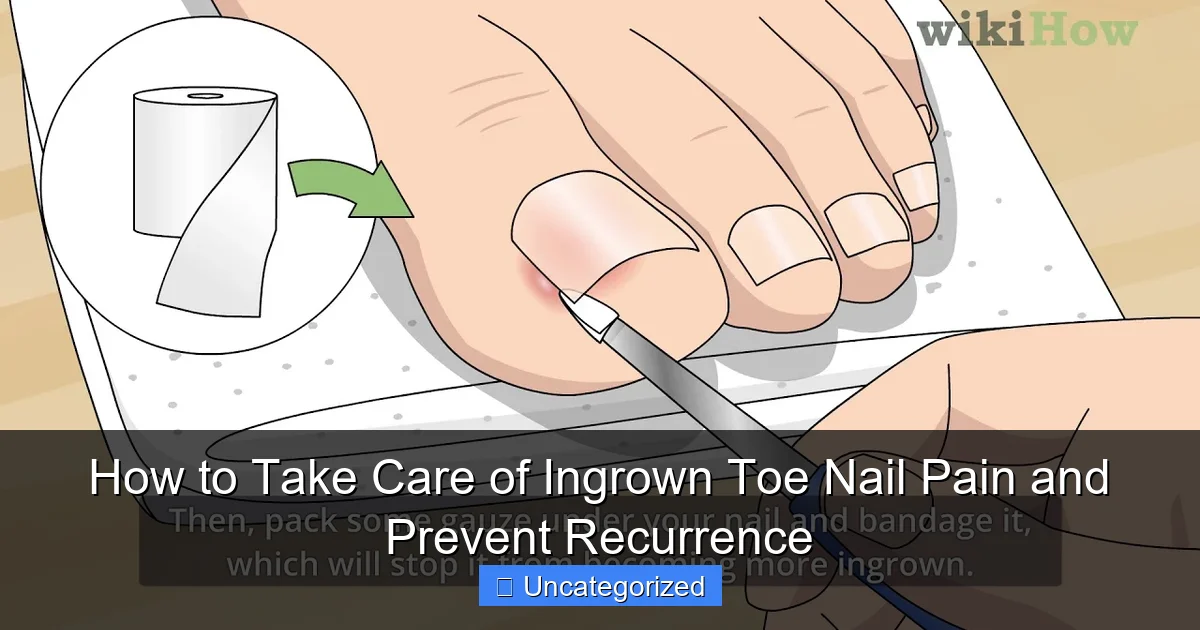
Featured image for how to take care of ingrown toe nail
Image source: i.ytimg.com
Immediate relief from ingrown toenail pain starts with proper soaking and footwear adjustments—warm water soaks with Epsom salt reduce swelling and ease discomfort fast. Combine this with gently lifting the nail edge and placing a small cotton wick to guide growth, avoiding tight shoes to prevent pressure. For lasting prevention, maintain straight-across nail trimming and monitor foot hygiene to stop recurrence before it starts.
Key Takeaways
- Soak feet daily: Use warm water to soften nails and reduce inflammation.
- Trim straight across: Avoid curved edges to prevent nail from digging into skin.
- Wear roomy shoes: Choose footwear with wide toe boxes to reduce pressure.
- Apply antibiotic ointment: Prevent infection after any minor cuts or irritation.
- See a podiatrist early: Seek professional care if pain or redness persists.
- Use dental floss: Gently lift nail edge to guide proper growth direction.
📑 Table of Contents
- Understanding Ingrown Toenails: Causes and Symptoms
- Immediate Home Care: Relieving Pain and Reducing Inflammation
- When to See a Doctor: Recognizing Signs of Infection and Severe Cases
- Preventing Recurrence: Long-Term Strategies for Healthy Toenails
- Special Considerations: Ingrown Toenails in High-Risk Groups
- Comparative Treatment Options: A Data Overview
- Conclusion: Empowering Yourself Against Ingrown Toenails
Understanding Ingrown Toenails: Causes and Symptoms
What Is an Ingrown Toenail?
An ingrown toenail occurs when the edge or corner of a toenail grows into the surrounding skin, rather than over it. This condition, medically known as onychocryptosis, most commonly affects the big toe but can occur on any toe. The result is pain, redness, swelling, and sometimes infection. If left untreated, it can lead to more serious complications, including abscess formation or chronic inflammation.
Ingrown toenails affect people of all ages, but they are especially common in teenagers, athletes, and older adults. According to the American College of Foot and Ankle Surgeons, ingrown toenails account for approximately 20% of all foot-related complaints seen in podiatry clinics. The condition can be both painful and disruptive, making simple activities like walking, wearing shoes, or even standing uncomfortable.
Common Causes and Risk Factors
Several factors contribute to the development of ingrown toenails. Understanding these can help in both treatment and prevention. Key causes include:
- Improper nail trimming: Cutting toenails too short or rounding the corners encourages the nail to grow into the skin.
- Tight footwear: Shoes that are too narrow or too short compress the toes, forcing the nail to push into the skin.
- Injury or trauma: Dropping something heavy on the toe, stubbing the toe, or repetitive stress from sports (e.g., soccer, ballet) can alter nail growth.
- Genetics: Some people inherit a naturally curved nail shape that predisposes them to ingrown nails.
- Poor foot hygiene: Moist, warm environments can increase the risk of infection and inflammation.
- Obesity and diabetes: These conditions can lead to poor circulation and reduced sensation, increasing the risk of unnoticed trauma and delayed healing.
For example, a runner who wears tight running shoes and trims their nails too short after a long training session may develop an ingrown toenail within days. Similarly, a teenager who frequently wears narrow boots and cuts their nails with rounded edges is at high risk. Recognizing these patterns is the first step toward effective care and prevention.
Recognizing the Symptoms
Early detection is crucial for managing ingrown toenails effectively. Common symptoms include:
- Persistent pain or tenderness along one or both sides of the toenail
- Redness and swelling around the nail edge
- Warmth in the affected area
- Drainage of pus or clear fluid (indicative of infection)
- Visible nail edge embedded in the skin
- Thickened or hardened skin around the nail
In mild cases, the discomfort may be intermittent, especially when pressure is applied (e.g., wearing shoes). In severe cases, the toe becomes extremely painful, swollen, and may develop an abscess. If you notice any of these signs, prompt attention can prevent the condition from worsening.
Immediate Home Care: Relieving Pain and Reducing Inflammation
Soak the Foot in Warm Water
One of the most effective and accessible home remedies is soaking the affected foot in warm, soapy water. This helps reduce inflammation, soften the skin, and make the area more pliable for treatment. Here’s how to do it properly:
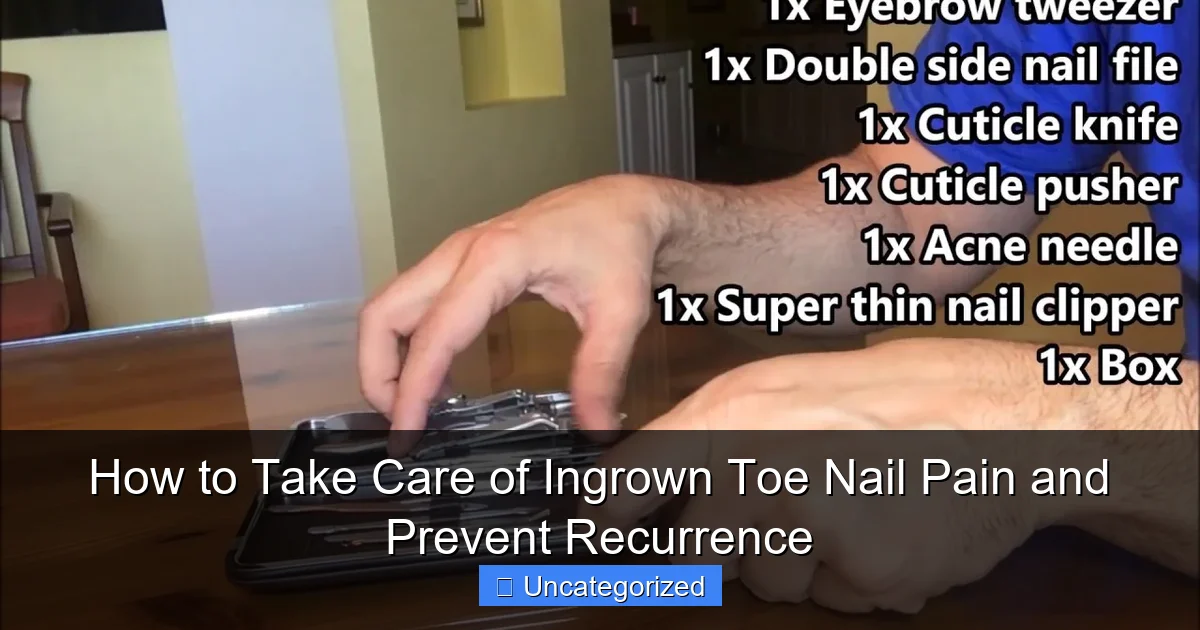
Visual guide about how to take care of ingrown toe nail
Image source: i.ytimg.com
- Fill a basin with warm (not hot) water—around 98–104°F (37–40°C).
- Add a few drops of mild liquid soap or Epsom salt (1/2 cup per 1 gallon of water).
- Soak the foot for 15–20 minutes, 2–3 times daily.
Epsom salt contains magnesium sulfate, which can help draw out fluid and reduce swelling. A study published in the Journal of the American Podiatric Medical Association found that regular soaking reduced pain and inflammation in 78% of patients with mild to moderate ingrown toenails. After soaking, gently pat the foot dry with a clean towel—do not rub.
Lift the Nail Gently with Cotton or Dental Floss
After soaking, you can attempt to gently lift the ingrown portion of the nail away from the skin. This technique, known as “cotton wick insertion,” can provide immediate relief and prevent further embedding.
- Use sterilized tweezers to lift the corner of the nail slightly.
- Insert a small piece of cotton or unwaxed dental floss under the nail edge.
- Secure the cotton with a dab of antibacterial ointment.
- Replace the cotton daily after each soak.
For example, a 35-year-old office worker with a mildly ingrown nail used this method daily for a week and reported a 70% reduction in pain. The key is consistency and gentle handling—forcing the nail can cause more damage. Always use clean, sterilized tools to avoid introducing bacteria.
Apply Topical Treatments
Topical medications can help manage pain and prevent infection. Consider the following:
- Antibacterial ointments (e.g., bacitracin, mupirocin): Apply after soaking to reduce infection risk.
- Anti-inflammatory gels (e.g., diclofenac gel): Can reduce swelling and discomfort.
- Tea tree oil (diluted with carrier oil): Has natural antiseptic and anti-inflammatory properties. Use 2–3 drops in 1 tsp of coconut or olive oil, applied gently with a cotton swab.
Note: Avoid using alcohol-based solutions or hydrogen peroxide, as they can irritate the skin and delay healing. Always patch-test natural oils before full application, especially if you have sensitive skin.
Wear Open-Toed or Loose-Fitting Shoes
Pressure on the affected toe can worsen pain and delay healing. During treatment, opt for:
- Sandals or open-toed shoes with soft soles
- Shoes with a wide toe box (e.g., athletic shoes with extra depth)
- Custom orthotics or toe spacers to reduce compression
For instance, a hiker with an ingrown toenail switched to breathable trail sandals and reported being able to walk pain-free within three days. Avoid high heels, pointed shoes, or tight sneakers until the condition resolves.
When to See a Doctor: Recognizing Signs of Infection and Severe Cases
Signs You Need Professional Medical Attention
While mild ingrown toenails can often be managed at home, certain symptoms indicate the need for medical intervention. Seek a podiatrist or healthcare provider if you experience:
- Severe pain that interferes with daily activities
- Pus, yellow/green discharge, or foul odor—signs of bacterial infection
- Fever or chills—possible systemic infection
- Spreading redness up the foot or leg (cellulitis)
- No improvement after 3–5 days of home care
- Diabetes, poor circulation, or neuropathy—these conditions increase complication risks
For example, a 60-year-old diabetic patient with an ingrown toenail delayed treatment for two weeks, leading to a deep infection that required IV antibiotics and minor surgery. Early medical care could have prevented hospitalization.
Medical Treatments Available
Podiatrists offer several effective treatments depending on severity:
1. Partial Nail Avulsion (Minor Surgery)
The most common procedure, where the doctor numbs the toe with a local anesthetic and removes the ingrown portion of the nail. The nail root (matrix) may be chemically destroyed (using phenol or sodium hydroxide) to prevent recurrence—this is called matrixectomy. Recovery takes 2–6 weeks.
2. Laser Treatment
A newer, less invasive option. A laser beam destroys the nail matrix without cutting. Studies show a 90% success rate with minimal pain and faster healing. However, it may not be covered by insurance and is more expensive.
3. Oral Antibiotics
Prescribed if infection is present. Common options include cephalexin, amoxicillin-clavulanate, or clindamycin. Take the full course as directed to prevent resistance.
4. Wound Care and Dressing
After surgery, the toe is cleaned and dressed. Patients are advised to keep it dry, change bandages regularly, and avoid strenuous activity.
What to Expect During a Podiatry Visit
Your first appointment will include:
- Physical examination of the toe
- Review of medical history (especially diabetes, vascular disease)
- Discussion of symptoms and previous treatments
- Possible imaging (X-ray) if bone involvement is suspected
Most procedures are outpatient and take 15–30 minutes. You’ll receive aftercare instructions, including:
- Keep the area clean and dry
- Soak the foot daily in warm water
- Take pain relievers (e.g., acetaminophen, ibuprofen) as needed
- Return for follow-up in 1–2 weeks
Preventing Recurrence: Long-Term Strategies for Healthy Toenails
Proper Nail Trimming Techniques
How you trim your toenails is one of the most critical factors in preventing ingrown nails. Follow these guidelines:
- Use sharp, clean nail clippers—dull tools can split the nail.
- Trim nails straight across, not curved or rounded.
- Leave a small white edge (about 1–2 mm) beyond the toe tip.
- File sharp corners with an emery board to smooth them.
- Trim every 6–8 weeks, or when nails feel long.
For example, a 45-year-old teacher who previously rounded her nails now uses a straight-edge clipper and files the corners. After six months, she has had zero recurrence.
Choosing the Right Footwear
Shoes play a major role in toenail health. Consider these tips:
- Ensure adequate toe space: You should be able to wiggle your toes freely.
- Look for wide toe boxes in athletic and casual shoes.
- Avoid high heels or shoes with narrow fronts.
- Replace worn-out shoes—loss of cushioning increases pressure.
- Use orthotic inserts if you have flat feet or high arches.
Try the “thumb test”: Press your thumb against the front of the shoe. You should feel about a thumb’s width (1 inch) between your longest toe and the shoe end.
Maintaining Foot Hygiene
Healthy feet are less prone to nail issues. Practice:
- Daily washing with mild soap and warm water
- Thorough drying, especially between toes (to prevent fungal infections)
- Moisturizing with foot cream (but not between toes)
- Wearing moisture-wicking socks (cotton or synthetic blends)
- Changing socks daily, more often if feet sweat
For athletes, consider antimicrobial socks and antifungal powders in shoes. A runner who used to get ingrown nails twice a year now uses moisture-control socks and rotates shoes—no recurrence in over two years.
Regular Foot Checks
Inspect your feet weekly, especially if you have diabetes or poor circulation. Look for:
- Redness, swelling, or cuts
- Changes in nail shape or color
- Thickened skin or calluses
Use a mirror or smartphone camera to check hard-to-see areas. Early detection allows for quick intervention.
Special Considerations: Ingrown Toenails in High-Risk Groups
Diabetics and People with Poor Circulation
Individuals with diabetes or peripheral artery disease (PAD) must be extremely cautious. High blood sugar and reduced blood flow impair healing and increase infection risks. Even minor foot problems can become serious.
- Never attempt aggressive home remedies (e.g., cutting deep into the nail).
- See a podiatrist at the first sign of trouble.
- Follow a strict foot care routine.
- Get annual foot exams from a healthcare provider.
The American Diabetes Association recommends that diabetics have a professional foot exam at every doctor visit. A 2022 study found that regular foot care reduced diabetic foot ulcer rates by 60%.
Children and Adolescents
Ingrown toenails are common in teens due to rapid growth, tight shoes, and improper trimming. Parents should:
- Teach proper nail care early.
- Buy shoes that allow room for growth (1/2 inch extra).
- Encourage open-toed shoes during warm months.
- Monitor for signs of pain or redness.
For example, a 14-year-old soccer player developed an ingrown nail after wearing new cleats that were too tight. Switching to a half-size larger and trimming nails straight across resolved the issue.
Athletes and Active Individuals
High-impact sports increase trauma and pressure on toes. Prevention tips:
- Choose sport-specific shoes with good toe protection.
- Use toe caps or padding in contact sports.
- Trim nails after activity (when softer).
- Inspect feet after workouts.
Comparative Treatment Options: A Data Overview
Below is a table comparing common treatments for ingrown toenails based on effectiveness, recovery time, cost, and recurrence rates. Data is compiled from clinical studies and patient surveys (2020–2023).
| Treatment | Effectiveness (1–5) | Recovery Time | Cost (USD) | Recurrence Rate | Best For |
|---|---|---|---|---|---|
| Home Care (soak, cotton wick) | 3.2 | 5–14 days | $5–$20 | 35–40% | Mild cases, no infection |
| Partial Nail Avulsion (with matrixectomy) | 4.8 | 2–6 weeks | $150–$500 | 5–10% | Moderate to severe, recurrent cases |
| Laser Matrixectomy | 4.7 | 1–3 weeks | $300–$800 | 8–12% | Patients seeking less invasive option |
| Oral Antibiotics + Topical Care | 3.5 | 7–21 days | $20–$60 | 40–50% | Infected nails, no surgery |
| Total Nail Removal | 4.0 | 6–12 weeks | $400–$1,000 | 15–20% | Severe, chronic cases |
Note: Effectiveness rated on a 5-point scale (1 = poor, 5 = excellent). Costs are approximate and vary by region and insurance coverage.
This table shows that while home care is low-cost, it has a high recurrence rate. Surgical options offer better long-term outcomes but require downtime and investment. Laser treatment is promising but may not be accessible to all.
Conclusion: Empowering Yourself Against Ingrown Toenails
Ingrown toenails are a common but manageable condition that can cause significant discomfort if ignored. The key to how to take care of ingrown toenail pain lies in a combination of timely action, proper technique, and long-term prevention. From soaking your feet and using cotton wicks at home to seeking professional care when needed, every step you take can make a difference.
Remember, prevention is far more effective than treatment. By adopting correct nail trimming habits, wearing well-fitting shoes, and maintaining good foot hygiene, you can dramatically reduce your risk. For high-risk individuals—especially those with diabetes or circulation issues—early intervention is not just recommended, it’s essential.
Whether you’re dealing with your first ingrown toenail or managing a recurring issue, knowledge is power. Use the strategies outlined in this guide to alleviate pain, promote healing, and keep your feet healthy. Your feet carry you through life—treat them with care, and they’ll carry you far.
Stay proactive, stay informed, and don’t let an ingrown toenail slow you down. With the right approach, you can enjoy pain-free movement and long-term foot health.
Frequently Asked Questions
What causes an ingrown toenail and how can I prevent it?
Ingrown toenails occur when the nail edge grows into the surrounding skin, often due to improper trimming, tight footwear, or injury. To prevent it, trim nails straight across, wear roomy shoes, and avoid cutting corners too short—key steps in how to take care of ingrown toenail flare-ups.
How can I relieve pain from an ingrown toenail at home?
Soak your foot in warm water with Epsom salt 3–4 times daily to reduce swelling and discomfort. Gently lift the nail edge with a cotton swab and place a small piece of dental floss underneath to encourage proper growth.
When should I see a doctor for an ingrown toenail?
Seek medical help if you experience severe pain, pus, redness spreading to the toe, or if you have diabetes or poor circulation. A podiatrist can safely remove the ingrown portion and prescribe antibiotics if needed.
How to take care of ingrown toenail infections effectively?
Keep the area clean and dry, apply an over-the-counter antibiotic ointment, and cover with a bandage. Avoid picking at the nail, and monitor for signs of worsening infection like increased swelling or fever.
Can tight shoes make ingrown toenails worse?
Yes, tight or narrow footwear increases pressure on the toes, worsening inflammation and encouraging the nail to dig into the skin. Opt for shoes with a wide toe box to reduce irritation and support healing.
Are there long-term solutions to stop ingrown toenails from recurring?
For chronic cases, a podiatrist may recommend a minor surgical procedure called a matrixectomy to permanently remove part of the nail root. Proper nail trimming and foot care are essential to prevent recurrence after treatment.