
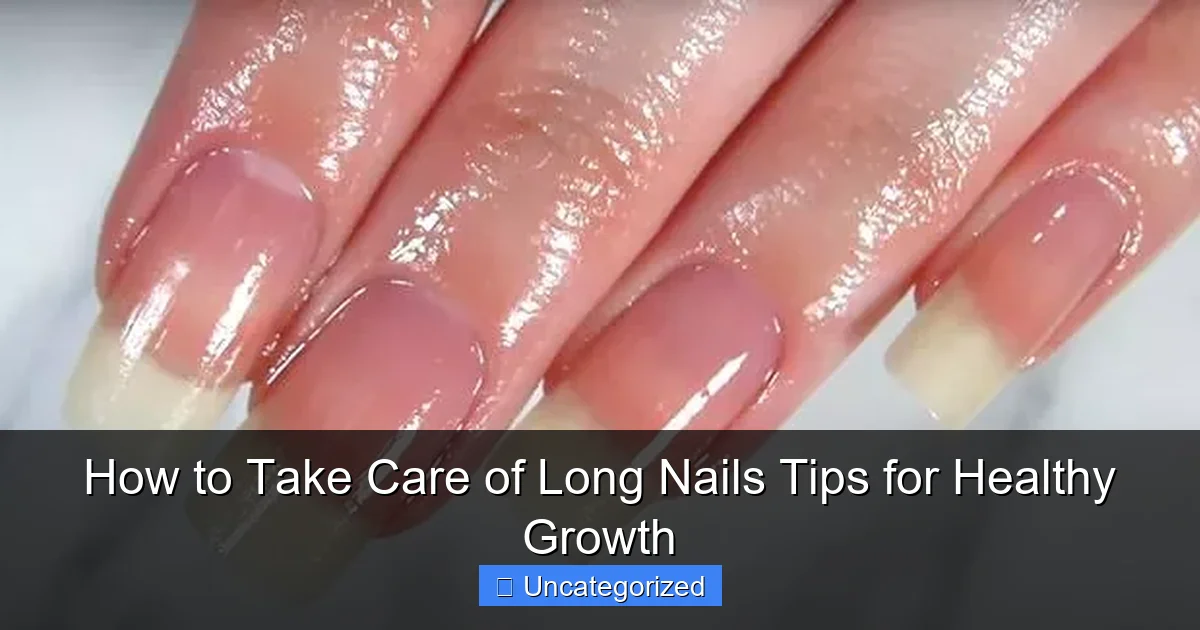
Featured image for how to take care of long nails
Image source: cdn-fastly.upstyledaily.com
Keep your long nails strong and healthy by maintaining a consistent nail care routine that includes moisturizing, proper trimming, and protection from harsh chemicals. Use a quality cuticle oil daily and wear gloves during chores to prevent breakage and dryness. Avoid excessive filing and opt for a balanced diet rich in biotin and vitamins to support natural, resilient growth.
Key Takeaways
- Moisturize daily: Apply cuticle oil to prevent dryness and cracking.
- Trim regularly: Keep nails even and reduce breakage with weekly trims.
- Use strengtheners: Apply a hardener to protect against splitting and peeling.
- Avoid harsh chemicals: Wear gloves when cleaning to shield nails from damage.
- File gently: Shape nails with a fine-grit file to prevent splits.
- Hydrate internally: Drink water and eat biotin-rich foods for stronger growth.
📑 Table of Contents
Introduction: The Art of Long, Healthy Nails
Long nails have always been a symbol of elegance, confidence, and self-expression. From ancient Egyptian pharaohs to modern-day influencers, people have adorned their nails to make a statement. But achieving and maintaining long, healthy nails is not just about aesthetics—it’s a reflection of your overall health and self-care routine. Whether you’re a seasoned nail enthusiast or just starting your journey to grow longer nails, proper care is essential to prevent breakage, splitting, and other common issues.
Contrary to popular belief, long nails don’t require expensive treatments or constant salon visits. With the right knowledge and consistent habits, you can nurture strong, beautiful nails from the comfort of your home. This guide will walk you through the science of nail growth, daily maintenance tips, dietary considerations, and expert-backed strategies to keep your nails resilient and radiant. By the end, you’ll have a toolkit of practical advice to transform your nail care routine and achieve the long, healthy nails you’ve always wanted.
Understanding Nail Growth and Structure
The Science Behind Nail Growth
Nails are made of keratin, a protein also found in hair and skin. The visible part of your nail—the nail plate—grows from the nail matrix, a hidden area under the cuticle. On average, fingernails grow about 3.5 millimeters per month (or 0.12 inches), with the middle finger growing fastest and the thumb slowest. This growth rate can vary based on factors like age, genetics, hormones, and overall health. For instance, teenagers and pregnant women often experience faster nail growth due to elevated hormone levels.
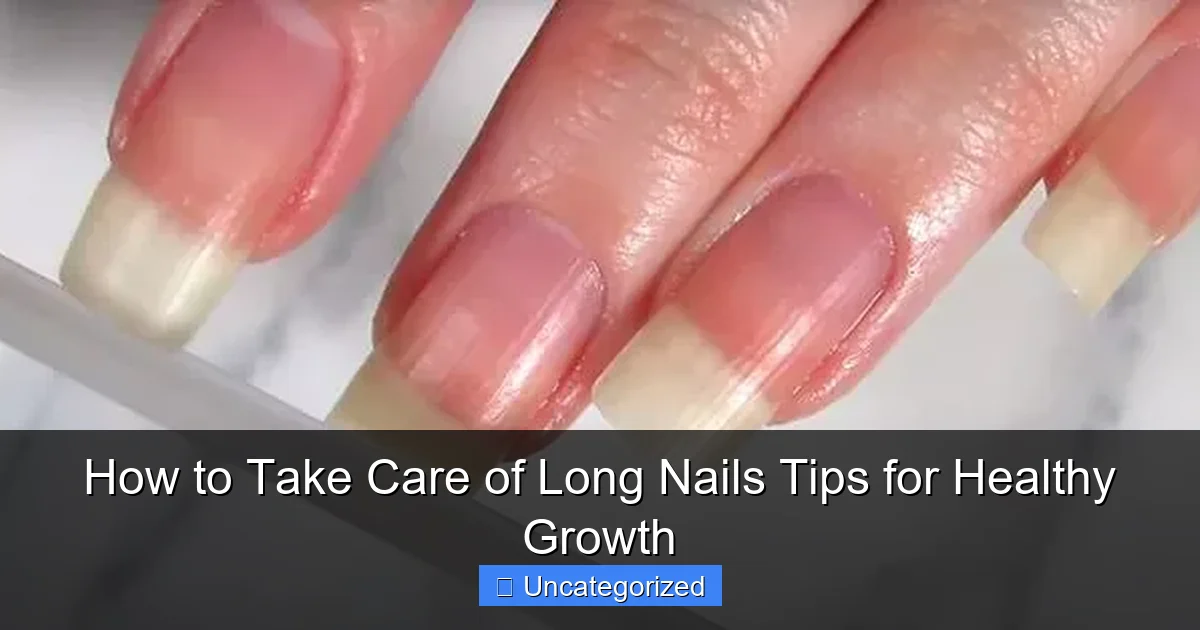
Visual guide about how to take care of long nails
Image source: cdn-fastly.upstyledaily.com
To maximize growth, it’s crucial to understand the nail’s structure. The nail bed provides nutrients and support, while the cuticle acts as a protective barrier. Damage to these areas (like cutting the cuticle or aggressive filing) can disrupt growth and increase infection risks. A 2021 study in the Journal of Cosmetic Dermatology found that 70% of nail damage stems from improper cuticle care, highlighting the importance of gentle handling.
Signs of Unhealthy Nails
- Brittle or splitting nails: Often caused by dehydration, excessive water exposure, or vitamin deficiencies (especially biotin and iron).
- Ridges or grooves: Vertical ridges are common with aging, but horizontal ridges (Beau’s lines) may signal illness or malnutrition.
- Yellow or discolored nails: Could indicate fungal infections, smoking, or frequent use of dark nail polish without a base coat.
- Peeling or lifting nails: Frequent exposure to harsh chemicals (e.g., cleaning agents) or acetone-based removers.
Example: Sarah, a graphic designer, noticed her nails peeling after months of frequent hand sanitizer use. She switched to a non-alcohol sanitizer and applied cuticle oil twice daily, resolving the issue within six weeks.
Daily Maintenance: The Foundation of Nail Health
Hydration and Moisturization
Long nails are prone to dryness, which leads to cracking and splitting. The key is consistent hydration:
- Cuticle oil: Apply a vitamin E or jojoba oil blend (e.g., Julep Cuticle Oil) 2–3 times daily. Massage it into the cuticle and nail bed to stimulate blood flow.
- Hand cream: Use a thick, emollient-rich cream (look for shea butter or ceramides) after every hand wash. For overnight care, wear cotton gloves with a heavy moisturizer.
- Nail serums: Products like Oribe Nail Serum contain peptides to strengthen the nail plate.
Pro tip: Keep a travel-sized cuticle oil in your bag for on-the-go hydration, especially in dry climates or during winter.
Gentle Cleaning and Hygiene
- Wash hands with lukewarm water: Hot water dries out nails. Use a mild, sulfate-free soap to avoid stripping natural oils.
- Clean under nails: Use a soft brush (not metal tools) to remove dirt. Soak nails in a mixture of warm water and lemon juice (1:1 ratio) weekly to brighten them.
- Sanitize tools: Disinfect nail clippers, files, and cuticle pushers with 70% isopropyl alcohol after each use.
Protecting Nails from Damage
Long nails are vulnerable to trauma. Follow these rules:
- Wear gloves for chores: Dishwashing, gardening, or cleaning with bleach can weaken nails. Opt for nitrile or cotton-lined gloves.
- Avoid using nails as tools: Don’t open cans, peel stickers, or pry open lids with your nails.
- Limit water exposure: Prolonged soaking (e.g., baths, swimming) softens nails. Dry hands thoroughly after washing.
Nutrition and Supplements for Strong Nails
Essential Nutrients for Nail Growth
Your diet directly impacts nail health. Prioritize these nutrients:
- Biotin (Vitamin B7): A 2020 meta-analysis found that 30–50% of brittle nail cases improved with 2.5–5 mg of biotin daily. Found in eggs, nuts, and sweet potatoes.
- Iron: Iron-deficiency anemia causes koilonychia (spoon-shaped nails). Sources: spinach, red meat, lentils.
- Omega-3 fatty acids: Reduce inflammation and improve nail flexibility. Eat salmon, chia seeds, or flaxseeds.
- Vitamin C: Boosts collagen production for nail strength. Citrus fruits, bell peppers, and broccoli are rich sources.
- Zinc: Supports cell division in the nail matrix. Oysters, pumpkin seeds, and chickpeas are top choices.
Example: Mark, a vegetarian, struggled with slow nail growth. After adding 30 grams of pumpkin seeds daily (providing 2.5 mg zinc) and taking a B-complex supplement, his nails grew 20% faster within three months.
Supplements vs. Food Sources
| Nutrient | Recommended Daily Intake | Top Food Sources | Supplement Form |
|---|---|---|---|
| Biotin | 30 mcg (adults) | Eggs, almonds, salmon | 2.5–5 mg (for nail health) |
| Iron | 18 mg (women), 8 mg (men) | Spinach, beef, tofu | Ferrous sulfate (if deficient) |
| Omega-3 | 1.1–1.6 g | Salmon, walnuts | Fish oil (1,000 mg EPA/DHA) |
While supplements can help, aim to get nutrients from food first. Consult a doctor before starting high-dose supplements (e.g., >5 mg biotin), as they can interfere with lab tests.
Professional Care and At-Home Treatments
When to Visit a Dermatologist or Nail Technician
Seek professional help for:
- Persistent nail problems: Chronic brittleness, fungal infections, or discoloration.
- Paronychia (nail infection): Red, swollen cuticles require medical treatment.
- Professional manicures: Monthly visits can maintain shape and detect early issues. Opt for salons that follow strict hygiene protocols.
Red flags: Avoid salons using unsterilized tools or offering “quick fixes” like gel overlays for weak nails—these can cause long-term damage.
At-Home Strengthening Treatments
- Nail hardeners: Use sparingly (1–2 times weekly). Overuse can make nails brittle. Choose formaldehyde-free options like OPI Nail Envy.
- Keratin treatments: DIY kits (e.g., CND Rescue Rx) rebuild damaged nail layers.
- DIY nail masks: Mix 1 tbsp olive oil, 1 egg yolk, and 1 tsp honey. Apply for 15 minutes weekly.
Safe Nail Art and Extensions
Long nails are perfect for creativity, but safety comes first:
- Acrylics/gel extensions: Limit to 4–6 weeks. Over-filing the natural nail weakens it.
- Press-on nails: Use non-damaging adhesives (e.g., KISS Glue Strips).
- Polish choices: Avoid acetone removers. Try soy-based options like Zoya Remove+.
Advanced Tips for Long Nail Success
Shaping and Filing Techniques
Proper filing prevents splits and maintains strength:
- File direction: Use a 180–240 grit file. File in one direction (from edge to center) to avoid weakening the nail.
- Shape matters: Square or squoval (rounded square) shapes are most durable. Avoid sharp edges, which catch on objects.
- Buffer blocks: Use a 4-way buffer to smooth ridges and add shine—no need for polish!
Example: Lisa switched from a metal file to a glass file and noticed 50% less breakage within two months.
Managing Common Challenges
- Peeling tips: Apply a ridge-filling base coat (e.g., Sally Hansen Mega Strength) to seal layers.
- Slow growth: Stimulate the matrix with daily cuticle massage using a wooden stick.
- Stains from polish: Soak nails in a paste of baking soda and hydrogen peroxide (1:2 ratio) for 5 minutes.
Seasonal Adjustments
- Winter: Increase moisturizing (use a humidifier indoors).
- Summer: Wear gloves for gardening; avoid prolonged sun exposure (UV light yellows nails).
- Travel: Pack a mini nail kit with oil, a file, and hand cream.
Conclusion: Patience and Consistency Win
Growing and maintaining long, healthy nails is a marathon, not a sprint. It requires a holistic approach—nourishing your body, protecting your nails daily, and listening to their needs. Remember, even minor habits (like wearing gloves for dishes or massaging cuticle oil) compound over time to create dramatic results. Track your progress with monthly photos to stay motivated.
Ultimately, nail care is an act of self-love. Every time you moisturize your cuticles or choose a gentle polish, you’re investing in your confidence and well-being. So embrace the journey, celebrate small victories (like your first unbroken nail in months!), and remember: healthy nails aren’t just about length—they’re a testament to your dedication. With these tips, you’re well on your way to achieving the strong, beautiful nails you’ve always dreamed of. Now, go flaunt those fabulous fingertips!
Frequently Asked Questions
How can I prevent my long nails from breaking easily?
Keep your nails moisturized by applying cuticle oil daily and avoid exposing them to harsh chemicals or excessive water. Use a strengthening base coat to reinforce weak spots and file them in one direction to prevent splits.
What’s the best way to maintain long nails without chipping?
Apply a high-quality top coat every 2-3 days to seal the edges and protect against chipping. Limit activities that put pressure on your nail tips, like typing or opening cans, to preserve their length.
How often should I trim and file my long nails?
File your nails 1-2 times a week to smooth edges and maintain shape, but avoid over-filing to prevent thinning. Trim them only when necessary to fix breaks, using sharp, clean clippers to avoid jagged edges.
Can diet affect the health of my long nails?
Yes, a protein-rich diet with biotin, vitamins A and C, and omega-3s promotes stronger, faster nail growth. Hydration and collagen supplements can also improve nail resilience over time.
How do I keep my long nails clean and hygienic?
Clean under your nails daily with a soft brush and mild soap, and disinfect tools regularly to prevent bacteria buildup. Avoid sharing nail tools to reduce infection risks.
Are there any tools I should use to care for long nails?
Invest in a glass nail file for smoother edges, a glass or crystal cuticle pusher, and a nourishing cuticle cream. A buffer block can also help smooth ridges and add shine without polish.