
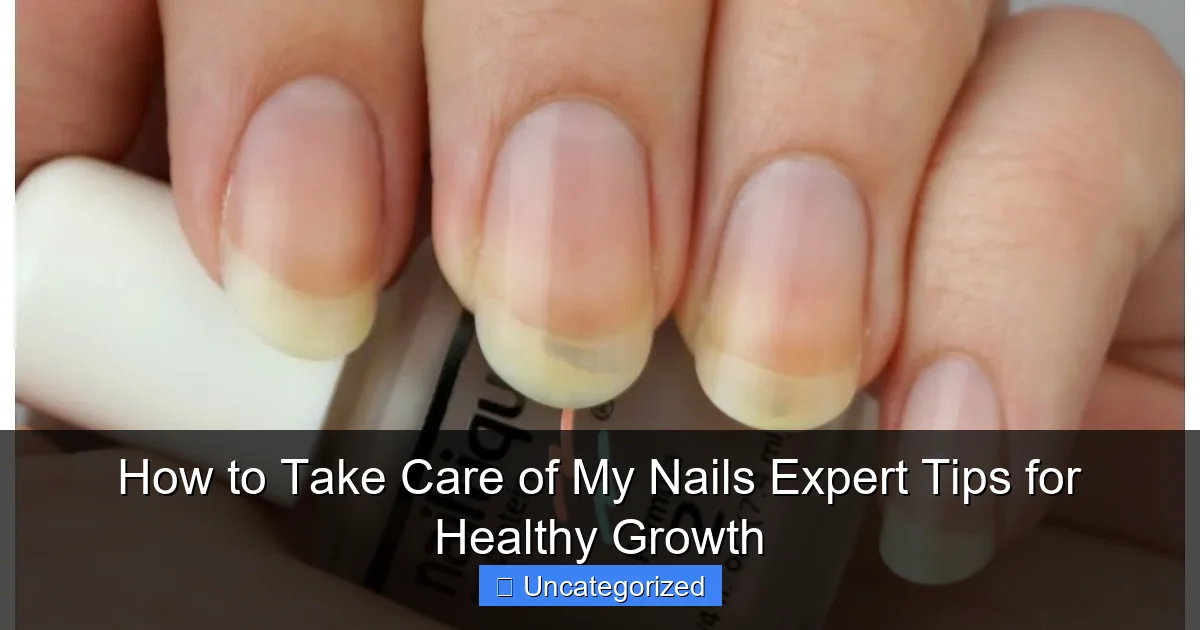
Featured image for how to take care of my nails
Image source: i.ytimg.com
Keep your nails clean, dry, and moisturized to prevent breakage and promote strong, healthy growth—this foundational habit combats brittleness and infection. Trim regularly with sharp tools and file in one direction to minimize splitting, while incorporating a balanced diet rich in biotin and hydration for long-term resilience.
Key Takeaways
- Moisturize daily: Apply cuticle oil to keep nails hydrated and strong.
- Trim regularly: Cut nails straight across to prevent ingrown edges.
- Use gloves: Protect nails from harsh chemicals and water exposure.
- Eat nail-friendly foods: Boost growth with protein, biotin, and vitamins.
- Avoid harsh products: Skip acetone removers and opt for gentle formulas.
- File properly: Shape nails with one-direction strokes to reduce splitting.
📑 Table of Contents
- How to Take Care of My Nails: Expert Tips for Healthy Growth
- Understanding Nail Anatomy and Growth Cycles
- Nutrition and Hydration: The Foundation of Strong Nails
- Daily Nail Care Routine: Simple Habits for Long-Term Health
- Professional Treatments and At-Home Hacks
- Common Nail Problems and How to Fix Them
- Nail Care for Different Lifestyles and Seasons
How to Take Care of My Nails: Expert Tips for Healthy Growth
Have you ever looked at your hands and felt that your nails were a reflection of your overall health? Nails are more than just a canvas for colorful polish; they serve as a window into your lifestyle, hygiene, and nutritional habits. Whether you’re dealing with brittle, peeling, or slow-growing nails, the good news is that with the right care, you can transform them into strong, healthy, and beautiful extensions of your hands. The journey to better nail health doesn’t require expensive treatments or salon visits—just consistent, informed care rooted in science and best practices.
Taking care of your nails isn’t just about aesthetics; it’s about preventing infections, promoting growth, and maintaining a polished appearance that boosts your confidence. From diet to daily habits, every choice you make impacts the strength and appearance of your nails. In this comprehensive guide, we’ll dive into expert-backed strategies to help you nurture your nails from the inside out. Whether you’re a nail art enthusiast, a minimalist, or someone who just wants to stop their nails from splitting, these tips will empower you to take control of your nail health and unlock their full potential.
Understanding Nail Anatomy and Growth Cycles
Before diving into care routines, it’s essential to understand how nails grow and what structures support their health. Nails are made of a tough protein called keratin, the same material found in your hair and skin. The visible part of the nail is the nail plate, which grows from the nail matrix—a hidden, living tissue beneath the cuticle. The matrix is responsible for cell production, and any damage to it can permanently alter nail shape or texture.
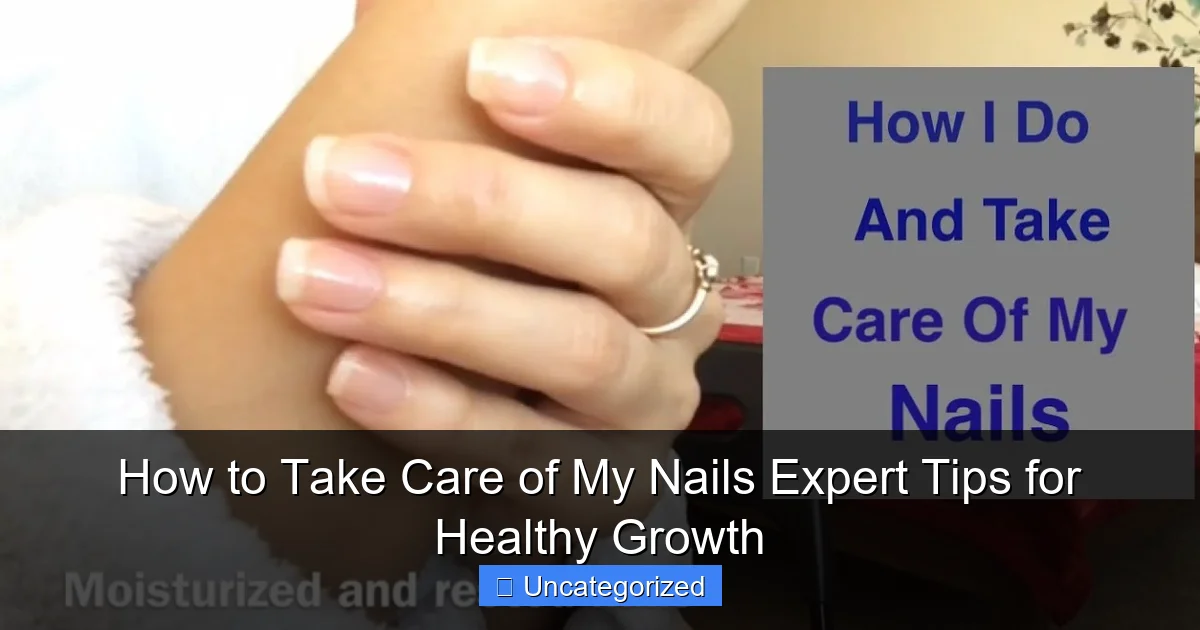
Visual guide about how to take care of my nails
Image source: i.ytimg.com
On average, fingernails grow about 3.5 millimeters per month, while toenails grow at a slower pace of 1.6 millimeters per month. This growth rate varies by age, season, health, and genetics. For example, nails tend to grow faster in summer due to increased blood circulation and exposure to sunlight, which boosts vitamin D synthesis—a key factor in keratin production.
The Key Nail Structures You Need to Know
- Nail Plate: The hard, visible part of the nail made of dead keratin cells.
- Nail Bed: The skin beneath the nail plate; healthy blood flow here ensures pink coloration.
- Cuticle: A thin layer of skin at the base of the nail that protects the matrix from bacteria and debris.
- Lunula: The white, crescent-shaped area at the base; it’s the visible part of the nail matrix.
- Hyponychium: The area under the free edge of the nail, acting as a barrier against infection.
Understanding these components helps you appreciate why certain care practices—like not cutting the cuticles or avoiding harsh chemicals—are so important. For instance, cutting the cuticle can expose the nail matrix to infection, leading to painful paronychia (inflammation of the nail fold).
Factors That Influence Nail Growth and Health
Several internal and external factors affect how your nails grow and look:
- Age: Nail growth slows with age, and nails may become thinner or more brittle.
- Hormonal Changes: Pregnancy, menopause, and thyroid imbalances can cause ridges, brittleness, or changes in texture.
- Circulation: Poor blood flow, often due to smoking or cardiovascular issues, can slow growth and cause discoloration.
- Climate: Cold, dry weather increases brittleness; humidity can soften nails.
- Trauma: Frequent hand washing, typing, or using nails as tools can cause splitting or breakage.
By recognizing these influences, you can tailor your nail care routine to address specific challenges. For example, if you live in a dry climate, moisturizing becomes even more critical. If you’re over 50, incorporating collagen-boosting nutrients can help maintain strength.
Nutrition and Hydration: The Foundation of Strong Nails
You’ve probably heard the phrase, “You are what you eat,” and when it comes to nail health, this couldn’t be more accurate. Nutrients directly influence the rate of keratin production, nail thickness, and resistance to breakage. While topical treatments help, they can’t compensate for a poor diet. Let’s explore the key vitamins, minerals, and hydration practices that support healthy nail growth.
Essential Nutrients for Nail Health
Here are the top nutrients your nails need—and the best food sources for each:
- Biotin (Vitamin B7): A superstar for nail strength. Studies show that 2.5 mg of biotin daily can reduce brittleness in 63% of users after 6–9 months. Found in eggs (especially yolks), almonds, sweet potatoes, and salmon.
- Protein: Since nails are 90% protein, a diet rich in high-quality protein is essential. Include lean meats, legumes, Greek yogurt, and quinoa.
- Iron: Iron deficiency can cause spoon-shaped nails (koilonychia) or vertical ridges. Pair iron-rich foods (spinach, red meat, lentils) with vitamin C (citrus, bell peppers) to boost absorption.
- Zinc: Supports cell growth and repair. Zinc deficiency is linked to white spots (leukonychia). Sources: oysters, pumpkin seeds, beef.
- Omega-3 Fatty Acids: Reduce inflammation and improve nail flexibility. Found in fatty fish, flaxseeds, and walnuts.
- Vitamin E: Acts as an antioxidant, protecting nail cells from oxidative stress. Almonds, sunflower seeds, and avocados are excellent sources.
The Hydration Factor: Water and Nail Moisture
Nails are 70–90% water, and dehydration is a leading cause of brittleness. When nails lose moisture, they become dry, crack easily, and may develop white spots. Here’s how to keep them hydrated:
- Drink 2–3 liters of water daily. Monitor urine color—pale yellow indicates proper hydration.
- Use a humidifier in dry environments (e.g., air-conditioned offices or winter homes).
- Limit alcohol and caffeine, which can dehydrate the body.
- Apply cuticle oil daily. Oils like jojoba, argan, or almond penetrate the nail plate to lock in moisture. Example: Apply 2–3 drops to each cuticle and massage for 30 seconds.
Pro Tip: For an intensive hydration boost, wear cotton gloves with a thick hand cream or petroleum jelly overnight. This creates a “occlusive barrier,” allowing deep penetration of moisturizers.
Supplements: Do You Need Them?
While whole foods should be your primary source of nutrients, supplements can help if you have deficiencies or dietary restrictions. Consider:
- Biotin supplements (2.5–5 mg/day) for brittle nails. Note: Excess biotin can interfere with lab tests, so consult your doctor.
- Collagen peptides (5–10 g/day) to support keratin production. A 2017 study found that collagen improved nail growth by 12% and reduced breakage by 42%.
- Multivitamins with zinc, iron, and B vitamins for overall nail health.
Always consult a healthcare provider before starting supplements, especially if you have underlying conditions.
Daily Nail Care Routine: Simple Habits for Long-Term Health
A consistent, gentle daily routine is the cornerstone of healthy nails. Over-manicuring or aggressive habits (like picking or biting) can cause long-term damage. Here’s how to build a sustainable routine that protects and strengthens your nails.
Step 1: Gentle Cleansing and Drying
- Wash hands with lukewarm water and mild soap. Hot water strips natural oils, leading to dryness.
- Dry thoroughly, especially under the nails. Bacteria and fungi thrive in moisture, so use a soft towel or air dryer.
- Disinfect weekly: Soak nails in a solution of 1 part vinegar to 2 parts water for 10 minutes to kill bacteria and fungi.
Step 2: Moisturize Religiously
Moisturizing isn’t just for hands—your nails and cuticles need attention too:
- Apply hand cream 3–5 times daily, especially after washing hands.
- Use cuticle oil twice daily. Look for products with vitamin E, jojoba oil, or shea butter.
- Choose creams with urea (5–10%), which draws moisture into the nail and softens cuticles.
Example Routine: After showering, apply a thick layer of cream (like CeraVe or Eucerin) and wear cotton gloves for 30 minutes to enhance absorption.
Step 3: Proper Nail Shaping and Filing
- File in one direction (from edge to center) using a glass or crystal file. Sawing back and forth weakens the nail tip.
- Shape according to your nail bed: Oval or squoval shapes are less prone to snagging. Avoid sharp corners.
- Keep nails at a moderate length: Too long increases breakage risk; too short exposes the nail bed to trauma.
Tip: File nails after a shower when they’re softer and less likely to split.
Step 4: Protect Your Nails
- Wear gloves during chores (cleaning, gardening, dishwashing) to shield nails from chemicals and moisture.
- Avoid using nails as tools (e.g., opening cans, scraping labels). Use a key or knife instead.
- Limit hand sanitizer: Alcohol-based sanitizers dry nails. Use moisturizing formulas or wash with soap when possible.
Step 5: Nighttime Care
- Apply a nourishing nail treatment (e.g., OPI Nail Envy or Sally Hansen Hard as Nails) before bed.
- Sleep with gloves if using a heavy cream or oil. Silk gloves reduce friction and prevent cream from staining sheets.
Professional Treatments and At-Home Hacks
While daily care is essential, occasional professional treatments and smart at-home hacks can accelerate nail health and address specific concerns. Here’s how to balance salon services with DIY solutions.
When to Visit a Nail Technician
- For deep cuticle care: A licensed technician can safely push back cuticles without cutting them, reducing infection risk.
- For nail repair: Broken or cracked nails can be temporarily reinforced with silk wraps or gel overlays.
- For fungal or bacterial infections: If you notice yellowing, thickening, or pain, see a dermatologist—not a salon.
Salon Safety Tip: Choose salons that sterilize tools with an autoclave or UV light. Bring your own buffer and file if possible.
At-Home Strengthening Treatments
- Nail Soaks: Soak nails in a mixture of 1 tbsp olive oil + 1 tbsp lemon juice for 10 minutes, 2x/week. The acidity of lemon strengthens nails; oil hydrates.
- Green Tea Soak: Brew green tea, cool it, and soak nails for 15 minutes. The antioxidants reduce brittleness.
- Honey and Coconut Oil Mask: Mix 1 tbsp honey + 1 tbsp coconut oil. Apply to nails and cuticles, leave for 20 minutes, then rinse. Honey’s antimicrobial properties prevent infection.
DIY Nail Strengtheners
Commercial strengtheners often contain formaldehyde, which can make nails brittle over time. Try these natural alternatives:
- Castor Oil + Vitamin E: Mix 2 tbsp castor oil + 5 drops vitamin E oil. Apply daily. Castor oil’s ricinoleic acid penetrates deeply.
- Beer and Egg Mask: Beat 1 egg + 2 tbsp beer (rich in biotin and silicon). Apply for 15 minutes, then rinse. Silicon boosts keratin synthesis.
Manicure and Pedicure Tips
- Limit polish wear: Take a 1-week break between manicures to let nails “breathe.”
- Use a base coat to prevent staining from dark polishes.
- Remove polish gently: Use acetone-free remover and cotton pads. Soak a pad on the nail for 10 seconds before wiping to reduce friction.
Common Nail Problems and How to Fix Them
Even with the best care, nail issues can arise. Here’s how to identify and treat common problems.
Brittle or Peeling Nails
- Cause: Dehydration, overuse of nail polish remover, or nutritional deficiencies (biotin, protein).
- Fix: Increase water intake, use a hydrating base coat (e.g., OPI Nail Envy), and apply cuticle oil 3x/day.
White Spots (Leukonychia)
- Cause: Minor trauma (e.g., hitting your nail) or zinc deficiency.
- Fix: Avoid trauma, eat zinc-rich foods, and file gently. Spots grow out naturally.
Yellow Nails
- Cause: Fungal infection, smoking, or staining from polish.
- Fix: For fungus, use tea tree oil (antifungal) 2x/day. For staining, soak nails in hydrogen peroxide (1 tbsp) + water (1 cup) for 5 minutes.
Vertical Ridges
- Cause: Aging, vitamin deficiency (B12, magnesium).
- Fix: Buff gently with a soft buffer, eat leafy greens, and consider a B-complex supplement.
Hangnails
- Cause: Dry cuticles or nail biting.
- Fix: Apply cuticle oil 2x/day. Use a cuticle nipper (sterilized) to trim hangnails—never pull them.
Nail Care for Different Lifestyles and Seasons
Your nail care needs change based on your lifestyle, climate, and activities. Here’s how to adapt.
For Office Workers
- Challenge: Frequent typing and hand sanitizer use.
- Solution: Keep cuticle oil at your desk. Apply after sanitizer. Use a keyboard with wrist support to reduce nail pressure.
For Swimmers
- Challenge: Chlorine weakens nails and dries skin.
- Solution: Wear waterproof gloves in pools. Apply a protective base coat. Shower immediately and moisturize.
For Winter Care
- Challenge: Cold, dry air causes brittleness.
- Solution: Use a humidifier. Apply a thick cream (like Aquaphor) before going outside. Wear gloves.
For Summer Care
- Challenge: Sun exposure and saltwater can dehydrate nails.
- Solution: Apply a UV-protectant top coat. Reapply cuticle oil after swimming.
| Season | Key Challenge | Top Care Tips |
|---|---|---|
| Winter | Dry, brittle nails | Use humidifier, thick creams, gloves, avoid hot water |
| Summer | Dehydration, UV damage | UV top coat, cuticle oil, post-swim care |
| Spring/Fall | Allergies, temperature shifts | Antihistamines (if needed), balanced moisturizing |
Taking care of your nails is a lifelong commitment that pays off in strength, beauty, and confidence. By understanding your nails’ anatomy, nourishing them from within, adopting a gentle daily routine, and adapting to your lifestyle, you can achieve healthy, resilient nails. Remember, consistency is key—small, daily actions add up to big results. Start today, and in a few months, you’ll see a noticeable difference. Your nails aren’t just for polish; they’re a testament to your self-care. Treat them with the love they deserve, and they’ll shine with health.
Frequently Asked Questions
How can I make my nails grow faster and stronger?
To promote healthy nail growth, maintain a balanced diet rich in biotin (found in eggs, nuts, and leafy greens) and stay hydrated. Avoid excessive use of harsh chemicals like acetone, and always moisturize your cuticles with jojoba or argan oil to prevent brittleness.
What’s the best way to prevent nail breakage and splitting?
Keep your nails trimmed short and file them in one direction using a fine-grit file to reduce stress on the edges. Apply a strengthening base coat or nail hardener, and wear gloves when doing household chores to protect them from water and detergents.
How often should I moisturize my nails and cuticles?
Moisturize your nails and cuticles at least twice daily—once in the morning and before bed—using a nourishing oil or cream. Regular hydration prevents dryness, peeling, and hangnails, especially in cold or dry climates.
Are gel manicures damaging to natural nails?
Frequent gel manicures can weaken nails due to UV exposure and improper removal. To minimize damage, opt for professional removal, apply a protective base coat, and give your nails a break between applications to recover.
How do I take care of my nails to avoid infections?
Always sanitize your tools, avoid cutting cuticles (push them back gently instead), and keep nails clean and dry to prevent bacteria or fungus buildup. If you notice discoloration or thickening, consult a dermatologist promptly.
Can diet really improve how to take care of my nails?
Yes! Nutrients like protein, omega-3s, vitamin E, and zinc (found in fish, seeds, and whole grains) support nail health. A deficiency in these can lead to slow growth, ridges, or white spots, so a balanced diet is key.