
Featured image for how to take care of nail art brushes
Image source: i.ytimg.com
Proper cleaning after every use is essential to extend the life of your nail art brushes and maintain their precision. Always rinse bristles gently with warm water and mild soap, then reshape and let them air-dry completely to prevent fraying and damage. Storing brushes horizontally or bristle-side up ensures their shape stays intact for long-lasting beauty.
Key Takeaways
- Clean brushes immediately after use to prevent polish buildup and damage.
- Use gentle brush cleaner or non-acetone remover to preserve bristles.
- Store upright or flat to maintain bristle shape and prevent fraying.
- Avoid soaking brushes to protect the ferrule and extend lifespan.
- Inspect regularly for wear and replace damaged brushes promptly.
- Keep away from heat to prevent melting or bristle deformation.
📑 Table of Contents
- The Secret to Long-Lasting Nail Art: Brush Care Matters
- Understanding Your Nail Art Brushes: Anatomy & Materials
- Daily Maintenance: The 5-Minute Routine
- Deep Cleaning: The Weekly & Monthly Ritual
- Troubleshooting Common Brush Problems
- Advanced Care: Extending Brush Lifespan
- Conclusion: Your Brushes Are an Investment Worth Protecting
The Secret to Long-Lasting Nail Art: Brush Care Matters
Every nail artist knows the frustration: a once-precise brush suddenly starts fraying, splaying, or losing its shape after just a few uses. You invested in high-quality nail art brushes to create stunning ombre fades, intricate floral patterns, or delicate line work—only to see them degrade prematurely. The truth is, the lifespan and performance of your nail art brushes depend entirely on how well you care for them. Whether you’re a professional technician working in a salon or an at-home enthusiast perfecting your craft, proper brush maintenance is the unsung hero of flawless nail designs.
Imagine this: You’re halfway through a complex marble effect on a client’s nails, and your liner brush suddenly develops a stubborn split tip. Or you’re creating a French manicure with a striping brush, only to find the bristles clumping with dried gel polish. These scenarios aren’t just annoying—they can ruin your reputation and force costly replacements. But here’s the good news: With the right care, most high-quality nail art brushes can last 6-12 months or longer, maintaining their precision and performance. This comprehensive guide will walk you through the essential steps to extend your brushes’ lifespan while preserving their beauty and functionality.
Understanding Your Nail Art Brushes: Anatomy & Materials
The Science Behind Brush Construction
Nail art brushes aren’t just fancy paintbrushes—they’re precision instruments engineered for microscopic work. A typical nail art brush consists of three main components: the handle (usually lightweight plastic, wood, or metal), the ferrule (the metal band that holds bristles in place), and the bristles themselves. The bristles are the most critical part, and their material determines your brush’s performance:
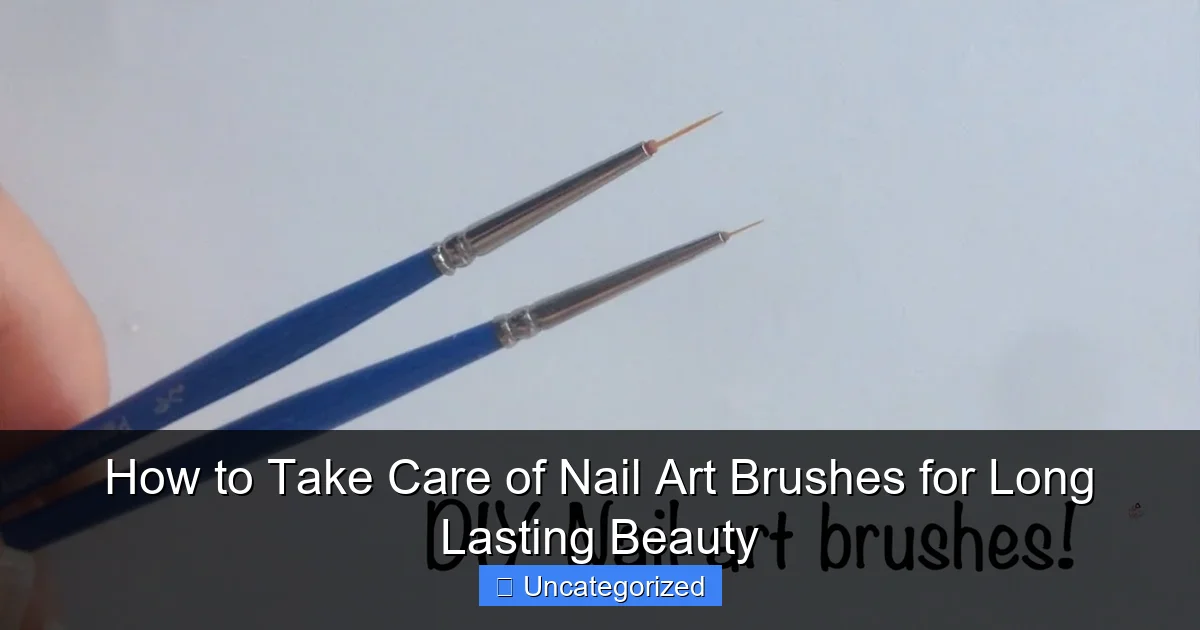
Visual guide about how to take care of nail art brushes
Image source: i.ytimg.com
- Synthetic bristles (nylon, polyester, PBT): Most common, excellent for gel, acrylic, and water-based polishes. Resist fraying and maintain shape well.
- Natural bristles (sable, squirrel, ox): Softer, ideal for fine line work and delicate shading. More expensive but offer superior control.
- Mixed bristles: Combine synthetic and natural fibers for balanced performance.
<
Brush Types & Their Unique Needs
Different brush shapes serve different purposes, and each requires tailored care:
- Liner brushes (long, thin bristles): Prone to splitting at the tip. Require gentle handling.
- Detail brushes (short, tapered bristles): Need frequent cleaning to prevent polish buildup.
- Striping brushes (very long, ultra-thin): Most delicate; require special storage.
- Fan brushes (flat, spread-out bristles): Susceptible to bending; need reshaping after cleaning.
- Ombre/gradient brushes (dense, rounded bristles): Collect more product; need thorough cleaning.
Pro Tip: Always check your brush’s manufacturer guidelines. For example, OPI’s Pro Series brushes use a special PBT blend that’s more chemical-resistant than standard nylon, while Cuccio’s natural hair brushes require oil conditioning between uses to prevent drying.
Daily Maintenance: The 5-Minute Routine
Immediate Cleaning After Use
The golden rule of brush care: never let polish dry on bristles. Even 15 minutes of neglect can ruin a brush. Here’s your post-session cleaning protocol:
- Rinse immediately: Use lukewarm water (not hot—it damages bristles) to wash off excess polish.
- Apply brush cleaner: Use a dedicated nail brush cleaner (like CND’s Brush Cleaner or Kiara Sky’s Brush Saver)—never acetone or harsh solvents. Gently massage cleaner into bristles with your fingers.
- Work from base to tip: Use a soft-bristle toothbrush (dedicated to your brushes only) to dislodge stubborn product from the ferrule area.
- Rinse thoroughly: Run water through bristles until it flows clear.
- Reshape & dry: Use your fingers to gently reshape the bristles into their original form. Lay flat or hang upside-down to dry (never upright—water can seep into the ferrule and loosen the bristles).
Quick Touch-Ups Between Clients
For busy salon days when you can’t do full cleanings between each client:
- Use a brush conditioner (like Bio Sculpture’s Brush Renew) to keep bristles supple and prevent polish from sticking.
- Keep a brush cleaning wipe (pre-moistened with gentle cleaner) nearby for quick wipe-downs.
- For gel polish, use a gel cleanser wipe (like Blue Sky’s Gel Cleaner) to remove tacky residue without drying bristles.
Storage: Preventing Damage Between Uses
Improper storage is a major cause of brush degradation. Follow these rules:
- Never store wet: Damp bristles breed bacteria and can cause mildew.
- Use brush protectors: Silicone or plastic caps (like Jofay’s Brush Guards) keep bristles in shape and prevent crushing.
- Store horizontally: In a drawer or brush holder—not upright in a cup, which causes bristles to bend.
- For striping brushes: Use a brush roll (like KDS’s Brush Roll) to keep long bristles straight.
Real-World Example: A nail tech in Austin, TX, reported her Kolinsky sable liner brushes lasting 18 months by implementing this routine: “I keep a small bowl of brush cleaner on my station. After each stroke, I wipe the brush on a clean paper towel, then dip it in cleaner. By the end of the day, a 2-minute rinse is all I need.”
Deep Cleaning: The Weekly & Monthly Ritual
Weekly Spa Treatment
Once a week, give your brushes a “spa day” to remove buildup and restore softness:
- Soak in warm water with a few drops of mild shampoo (like Dr. Bronner’s) for 5-10 minutes.
- Use a brush shampoo (like OPI’s Brush & Nail Cleanser)—apply to bristles and gently massage in circular motions.
- Condition natural bristles: For sable or squirrel hair, apply a brush conditioner (like Winsor & Newton’s) to the base of bristles. Never apply conditioner to synthetic bristles—it can make them sticky.
- Rinse with cool water to seal the bristle cuticles (especially important for natural hair).
- Reshape & air dry: Use a brush shaping tool (like Brush Mate’s) for precision brushes.
Monthly Detox for Stubborn Buildup
For brushes with hardened polish or gel residue (common in salon environments):
- Soak in 100% isopropyl alcohol (90% or higher) for 10-15 minutes. This dissolves acrylic and gel without damaging bristles.
- Use a brush cleaning solution with enzymatic action (like Blue Sky’s Enzyme Brush Cleaner) for organic buildup.
- For ferrule buildup: Soak the brush upside-down in cleaner to let solution penetrate the ferrule area.
- Scrub with a soft toothbrush, focusing on the base of bristles.
- Rinse with distilled water (prevents mineral deposits).
Special Care for Natural Bristle Brushes
Natural hair brushes (sable, squirrel, ox) require extra TLC:
- Oil monthly: Apply a drop of brush oil (like Raphael’s) to the base of bristles to prevent drying.
- Never use acetone: It destroys natural hair proteins.
- Store with cedar: Cedar blocks absorb moisture and deter moths (a natural hair brush’s worst enemy).
Data Table: Deep Cleaning Schedule
| Brush Type | Weekly Cleaning | Monthly Detox | Special Care |
|---|---|---|---|
| Synthetic (nylon/PBT) | Mild shampoo soak | Alcohol soak (10 min) | None |
| Natural (sable/squirrel) | Brush conditioner | Enzymatic cleaner | Oil monthly, cedar storage |
| Mixed bristle | Gentle brush cleaner | Alcohol soak (5 min) | Condition natural portion |
| Striping brushes | Quick wipe with cleaner | Alcohol soak (15 min) | Use brush roll for storage |
Troubleshooting Common Brush Problems
Split Tips & Frayed Bristles
Cause: Dried polish, rough handling, or improper storage.
- Immediate fix: Soak in warm water with a drop of conditioner. Gently reshape with fingers. If the split is severe, use a brush repair glue (like Brush Mate’s) on the ferrule.
- Prevention: Always cap brushes when not in use. Never press bristles hard against the nail plate.
- Pro Tip: For liner brushes, “train” bristles back into shape by drawing straight lines on a paper towel after cleaning.
Stiff or Sticky Bristles
Cause: Mineral deposits (from tap water), old conditioner buildup, or gel polish residue.
- Immediate fix: Soak in white vinegar (diluted 1:4 with water) for 5 minutes, then rinse with distilled water.
- Prevention: Use distilled water for rinsing. Clean conditioner buildup monthly with alcohol.
- For gel residue: Use a gel cleanser before regular cleaning.
Loose Bristles or Falling Out
Cause: Water damage to the ferrule adhesive or rough cleaning.
- Immediate fix: Apply a tiny amount of brush glue (like Kolinsky’s) to the ferrule. Clamp with a hair clip until dry (15 minutes).
- Prevention: Never soak brushes longer than 15-20 minutes. Store dry to prevent adhesive degradation.
- Pro Tip: If >5 bristles fall out, it’s time to replace the brush—continued use will damage the ferrule.
Discoloration or Odor
Cause: Bacterial growth, old polish stains, or chemical reactions.
- Immediate fix: Soak in hydrogen peroxide (3%) for 10 minutes, then rinse thoroughly.
- Prevention: Clean brushes within 2 hours of use. Never share brushes between clients without disinfecting.
- For stubborn stains: Use a brush whitener (like Brush Mate’s)—follow package instructions carefully.
Real-World Example: A nail artist in Miami saved her $45 Cuccio Kolinsky sable brush from a stubborn gel buildup by soaking it in isopropyl alcohol overnight, then using a soft toothbrush to gently dislodge the residue. “I thought it was ruined,” she said, “but after reshaping and oiling, it works like new.”
Advanced Care: Extending Brush Lifespan
Seasonal Adjustments
Environmental factors dramatically impact brush health:
- Humid climates: Use silica gel packets in storage to prevent mildew. Clean brushes more frequently.
- Dry climates: Apply conditioner to natural bristles weekly. Use distilled water for rinsing.
- Winter: Keep brushes away from heaters—heat dries out bristles. Store in an insulated container.
- Summer: Avoid leaving brushes in cars—high heat melts ferrule adhesives.
Professional Salon Protocols
For high-volume environments, implement these systems:
- Color-code brushes by type (e.g., red tags for liners, blue for details) to prevent cross-contamination.
- Assign brushes to stations—no sharing between techs.
- Create a cleaning station with pre-measured cleaner, toothbrushes, and drying racks.
- Implement a brush log to track usage and schedule deep cleanings.
- Use brush sterilizers (like Barbicide) for natural bristle brushes between clients.
When to Retire Your Brush
Even with perfect care, brushes eventually wear out. Signs it’s time to replace:
- Split tip that won’t reshape after 3-4 attempts
- More than 10% bristle loss from the ferrule
- Persistent stiffness despite cleaning
- Discoloration that affects polish color accuracy
- Ferrule damage (loose, cracked, or corroded)
Pro Tip: Repurpose old brushes! Worn liner brushes work well for nail art cleanup (dipping in acetone to remove polish mistakes). Frayed fan brushes are great for glitter application.
Conclusion: Your Brushes Are an Investment Worth Protecting
Proper nail art brush care isn’t just about saving money—it’s about preserving your creative tools to maintain the quality of your work. Think of your brushes as extensions of your hands: they need the same care and attention you give to your own skin and nails. The time you invest in daily maintenance, weekly deep cleanings, and troubleshooting pays dividends in precision, consistency, and client satisfaction. A well-maintained brush glides smoothly, holds its shape, and delivers flawless results every time—something no amount of skill can compensate for if your tools are failing.
Remember, the best nail art isn’t just about technique; it’s about harmony between artist and tool. By following the guidelines in this article—from understanding your brush’s anatomy to implementing professional salon protocols—you’re not just extending the life of your brushes. You’re elevating your craft, ensuring that every stroke, every detail, and every design meets your highest standards. So the next time you pick up a brush, treat it with the respect it deserves. Your future self (and your clients) will thank you for the long-lasting beauty that results.
Frequently Asked Questions
How do I clean my nail art brushes properly?
To clean your nail art brushes, rinse them with lukewarm water and mild soap or brush cleaner after each use. Gently reshape the bristles and lay them flat to dry to prevent damage to the ferrule. Proper cleaning ensures your brushes stay free of buildup and last longer.
Why is it important to take care of nail art brushes?
Taking care of nail art brushes preserves their precision, prevents bristle fraying, and extends their lifespan. Well-maintained brushes ensure clean lines and flawless designs, saving you money over time. Neglect can lead to ruined bristles and uneven application.
How often should I deep-clean my nail art brushes?
Deep-clean your nail art brushes every 2-3 weeks using a dedicated brush cleaner or a mix of olive oil and soap. This removes stubborn polish and buildup that regular cleaning misses. Avoid soaking the ferrule to prevent glue loosening.
Can I use acetone to clean my nail art brushes?
While acetone removes tough polish, it can dry out bristles and damage the glue in the ferrule. Use it sparingly, and always follow up with a deep-clean to restore moisture. For daily care, opt for non-acetone cleaners to protect your brushes.
How do I store my nail art brushes to keep them in shape?
Store your brushes horizontally or upright in a brush holder to maintain their shape and prevent bristle bending. Keep them in a cool, dry place away from direct sunlight. Proper storage prevents dust buildup and extends usability.
What’s the best way to prevent bristle shedding in nail art brushes?
Avoid pulling or tugging on bristles, and never let polish dry on the brush. Use gentle motions when cleaning and storing, and invest in high-quality brushes with strong ferrules. Regular maintenance is key to minimizing shedding.