
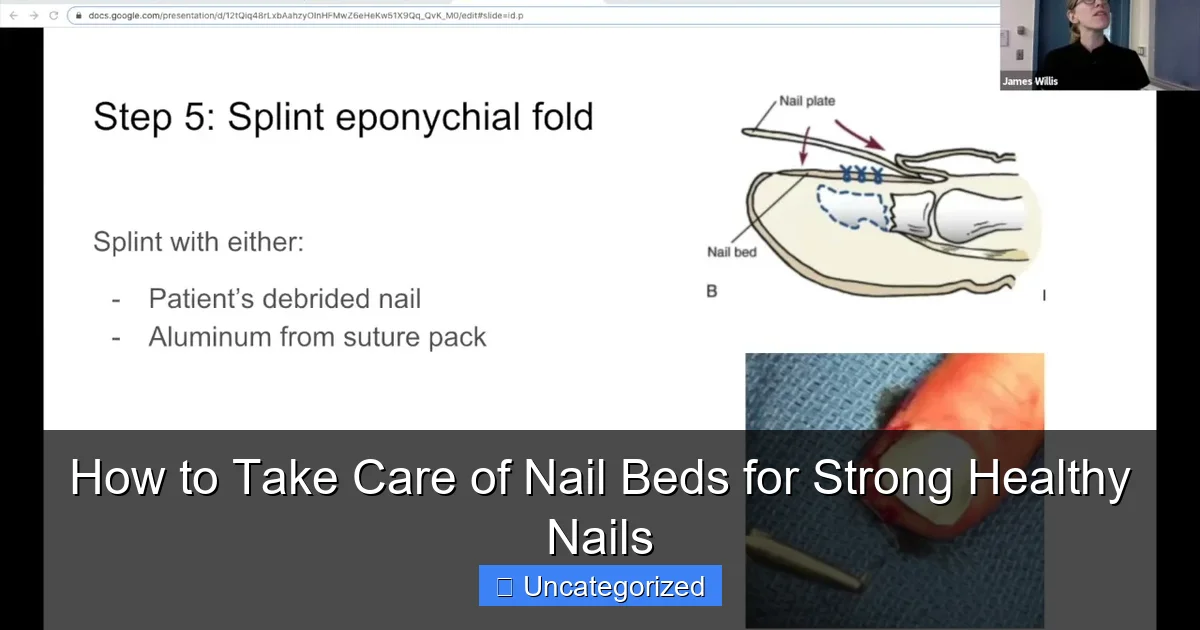
Featured image for how to take care of nail beds
Image source: i.ytimg.com
Keep your nail beds moisturized and protected to promote strong, healthy nails—dry, cracked beds lead to breakage and slow growth. Trim cuticles gently, avoid harsh chemicals, and wear gloves during chores to shield delicate skin and maintain optimal nail health. Consistent care prevents damage and supports faster, resilient nail growth.
Key Takeaways
- Moisturize daily: Apply cuticle oil or cream to keep nail beds hydrated and flexible.
- Protect from trauma: Wear gloves during chores to prevent nail bed injuries.
- Trim properly: Use sharp, clean tools to avoid splitting or tearing cuticles.
- Eat nail-friendly foods: Boost strength with biotin, protein, and omega-3s.
- Avoid harsh products: Skip acetone removers to prevent drying and brittleness.
- Hydrate nails: Drink water to maintain moisture from within.
📑 Table of Contents
- How to Take Care of Nail Beds for Strong, Healthy Nails
- Understanding the Anatomy and Function of Nail Beds
- Daily Habits to Nourish and Protect Nail Beds
- Nutrition and Supplements for Strong Nail Beds
- Professional Treatments and At-Home Remedies
- Preventing and Managing Nail Bed Injuries and Infections
- Long-Term Strategies for Lifelong Nail Bed Health
How to Take Care of Nail Beds for Strong, Healthy Nails
Have you ever noticed how your nails can tell a story about your overall health? Strong, smooth nails often signal good nutrition and self-care, while brittle, peeling, or discolored ones may hint at underlying issues. But while many people focus on polishing their nails or applying fancy treatments, one of the most overlooked yet critical areas is the nail bed. The nail bed is the skin beneath your nails—the foundation that supports and nourishes your nail plate. Without a healthy nail bed, even the best manicure won’t last, and your nails will remain prone to breakage, splitting, and infection.
Taking care of your nail beds isn’t just about aesthetics—it’s about long-term nail health, comfort, and protection. Whether you’re dealing with dry, cracked cuticles, frequent hangnails, or simply want to prevent future damage, understanding how to nurture your nail beds is essential. From daily habits to targeted treatments and dietary support, this guide will walk you through a comprehensive approach to maintaining strong, healthy nail beds. By the end, you’ll have a personalized routine that promotes resilient nails from the base up. So, let’s dive into the world of nail bed care and unlock the secrets to beautiful, natural nails.
Understanding the Anatomy and Function of Nail Beds
What Are Nail Beds and Why Do They Matter?
The nail bed is the soft tissue located beneath the nail plate, extending from the base (the lunula) to the free edge. Made up of dense connective tissue and blood vessels, it serves as the structural and nutritional foundation for your nails. The nail bed’s primary role is to support nail growth—new cells form at the nail matrix (just behind the cuticle) and push forward over the bed, hardening into the visible nail plate. Without a healthy nail bed, this process slows down or becomes uneven, leading to weak, brittle, or deformed nails.
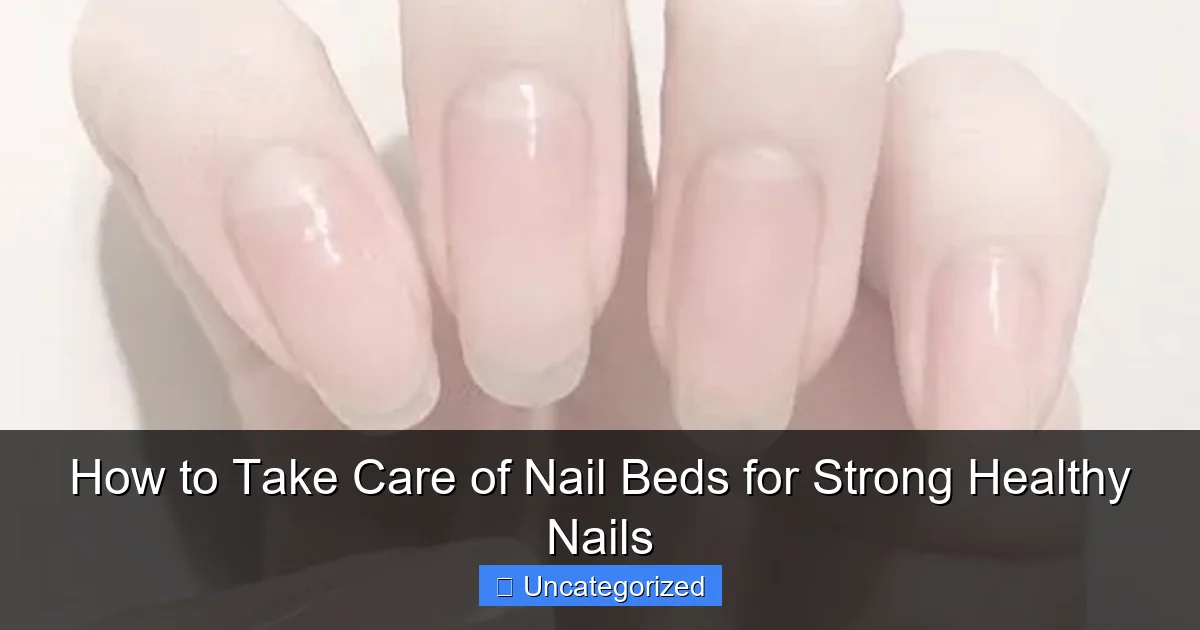
Visual guide about how to take care of nail beds
Image source: i.ytimg.com
Additionally, the nail bed is highly vascularized. This means it receives a steady supply of blood, oxygen, and nutrients, which are essential for nail growth and strength. When circulation is poor—due to cold weather, poor diet, or health conditions like anemia—the nail bed suffers, and nails may grow slowly or develop ridges. The skin surrounding the nail bed, including the cuticle and eponychium, also acts as a protective barrier against bacteria and fungi. When this barrier is damaged, infections like paronychia can occur.
Common Signs of Unhealthy Nail Beds
Recognizing the early signs of nail bed distress is key to prevention. Here are some common indicators that your nail beds need attention:
- Redness or swelling around the base of the nail, often accompanied by tenderness—this could signal inflammation or infection.
- Dry, cracked, or peeling cuticles that bleed or tear easily, leaving the nail bed exposed.
- Horizontal or vertical ridges on the nail plate, which may indicate trauma, nutritional deficiencies, or aging.
- Discoloration, such as yellowing (possible fungal infection), dark lines (melanoma warning sign), or blue tint (oxygen deprivation).
- Thin, soft, or spoon-shaped nails (koilonychia), which can point to iron deficiency or thyroid issues.
For example, if you frequently get hangnails—those painful, torn pieces of skin near the nail edge—it’s likely due to dry, neglected cuticles and over-trimming. Similarly, if your nails split easily or feel “mushy,” the nail bed may not be receiving adequate moisture or nutrients. By understanding these signs, you can intervene early and restore your nail bed health before issues escalate.
Daily Habits to Nourish and Protect Nail Beds
Hydration: The Foundation of Nail Bed Health
Just like your skin, your nail beds need consistent moisture to stay supple and resilient. Dehydration is one of the leading causes of brittle nails and cracked cuticles. To combat this, incorporate a daily hydration routine:
- Use a rich cuticle oil 2–3 times a day. Look for oils containing jojoba, argan, almond, or vitamin E—these closely mimic your skin’s natural oils and penetrate deeply. Apply a few drops to each nail bed and massage gently for 30 seconds to boost circulation.
- Moisturize after handwashing. Every time you wash your hands, pat them dry and immediately apply hand cream or a nail-specific balm. Water strips natural oils, so rehydrating is crucial.
- Try overnight treatments. Before bed, apply a thick layer of hand cream or a cuticle butter (like shea or cocoa butter), then wear cotton gloves. This locks in moisture and allows deeper absorption while you sleep.
For instance, a simple habit like keeping a bottle of cuticle oil in your bag or on your desk ensures you never skip hydration, even during a busy workday. Over time, this reduces dryness, prevents hangnails, and keeps the nail bed flexible and less prone to splitting.
Gentle Nail Care Practices
Aggressive nail care—like cutting cuticles, using harsh tools, or filing nails too short—can permanently damage the nail bed and matrix. Instead, adopt these gentle practices:
- Push back, don’t cut cuticles. Use a wooden or rubber cuticle pusher after a warm shower when the skin is soft. Gently push the cuticle back to expose the nail plate, but never cut it. Cutting increases infection risk and can lead to chronic inflammation.
- Use a fine-grit nail file. Avoid metal files and coarse emery boards. Opt for a glass or crystal file (180+ grit) to prevent micro-tears in the nail plate and bed. File in one direction only—sawing back and forth weakens the nail.
- Keep nails at a moderate length. Too short nails expose the nail bed to trauma and bacteria. Aim for a length just beyond the fingertip to protect the bed while maintaining functionality.
- Wear gloves for chores. Household cleaners, detergents, and even prolonged water exposure (like dishwashing) dry out the nail bed. Always wear rubber gloves when cleaning or doing wet work.
For example, a study by the American Academy of Dermatology found that 70% of nail infections originate from damaged cuticles or over-manicuring. By switching to gentle techniques, you significantly reduce your risk of paronychia and other infections.
Nutrition and Supplements for Strong Nail Beds
Essential Nutrients That Fuel Nail Growth
Your nail beds rely on a steady supply of nutrients to produce strong, fast-growing nails. Deficiencies in key vitamins and minerals can lead to slow growth, brittleness, and structural issues. Focus on these nail-boosting nutrients:
- Biotin (Vitamin B7): A well-known nail strengthener, biotin supports keratin production—the protein that makes up your nails. A daily dose of 2.5–5 mg is recommended for nail health. Sources: eggs, nuts, salmon, sweet potatoes.
- Iron: Iron deficiency (anemia) causes brittle, spoon-shaped nails. Include iron-rich foods like spinach, red meat, lentils, and fortified cereals. Pair with vitamin C (e.g., citrus) to enhance absorption.
- Zinc: Essential for cell growth and tissue repair. Low zinc levels are linked to white spots (leukonychia) and slow nail growth. Sources: oysters, pumpkin seeds, beef, chickpeas.
- Omega-3 Fatty Acids: These healthy fats reduce inflammation and moisturize the nail bed from within. Found in fatty fish, flaxseeds, and walnuts.
- Vitamin C: Critical for collagen synthesis, which strengthens the nail bed. Include bell peppers, strawberries, and broccoli.
For instance, someone with chronically peeling nails might benefit from a blood test to check iron and zinc levels. Addressing deficiencies with diet or supplements can lead to noticeable improvements in 4–6 weeks.
Top Supplements for Nail Bed Health
While whole foods are ideal, supplements can help bridge gaps, especially if your diet is limited or you have absorption issues. Consider these evidence-backed supplements:
| Supplement | Dosage | Benefits | Notes |
|---|---|---|---|
| Biotin | 2.5–10 mg/day | Reduces brittleness, increases thickness | Take with food; results in 6–8 weeks |
| Collagen Peptides | 10–15 g/day | Supports nail bed structure, reduces ridges | Mix into coffee or smoothies |
| Multivitamin (with Iron & Zinc) | As directed | Addresses multiple deficiencies | Choose a high-quality brand with bioavailable forms |
| Omega-3 (Fish Oil) | 1,000–2,000 mg EPA/DHA | Reduces inflammation, moisturizes nail bed | Choose enteric-coated to avoid fishy aftertaste |
Always consult your doctor before starting supplements, especially if you have health conditions or take medications. For example, high-dose biotin can interfere with lab tests, so inform your healthcare provider if you’re supplementing.
Professional Treatments and At-Home Remedies
When to See a Dermatologist or Nail Specialist
While most nail bed issues can be managed at home, some require professional intervention. Seek medical help if you notice:
- Persistent pain, swelling, or pus around the nail—signs of infection like paronychia.
- Sudden nail changes (e.g., dark streaks, lifting nails) that could indicate melanoma or psoriasis.
- Slow or halted nail growth for more than 6 weeks, possibly due to thyroid issues, diabetes, or circulation problems.
- Severe brittleness or ridges unresponsive to home care, which may require prescription treatments.
A dermatologist can perform tests (like a nail biopsy) and prescribe antifungal creams, antibiotics, or topical steroids. For example, a patient with chronic nail fungus might need oral medication like terbinafine, which is far more effective than over-the-counter creams.
Effective At-Home Remedies for Common Issues
For mild to moderate nail bed problems, these DIY remedies can provide relief:
- Warm oil soaks: Mix 2 tbsp olive oil + 1 tbsp honey. Soak nails for 10–15 minutes, 2–3 times a week. The oil hydrates, while honey’s antibacterial properties prevent infections.
- Green tea compress: Steep 2 green tea bags in hot water, cool, then soak nails for 10 minutes. Green tea’s antioxidants reduce inflammation and strengthen nails.
- Aloe vera gel: Apply fresh aloe gel to cracked cuticles. Its cooling effect soothes irritation and speeds healing.
- Lemon juice + olive oil: Mix equal parts. Apply to yellowed nails to lighten them (lemon’s citric acid acts as a natural bleach), then moisturize with oil.
For example, someone with dry, cracked cuticles can do a nightly oil soak followed by a cuticle balm. After two weeks, they’ll notice smoother, less painful skin around the nails.
Preventing and Managing Nail Bed Injuries and Infections
Protecting Nail Beds from Trauma
Physical trauma is a major cause of nail bed damage. To prevent injuries:
- Avoid nail-biting or picking. Use bitter-tasting nail polish or stress balls to break the habit. Biting damages the matrix and introduces bacteria.
- Be careful with manicures. Never use sharp tools near the cuticle. If you get gel or acrylic nails, ensure the technician doesn’t push the cuticle too hard or trap moisture under the product.
- Wear protective gloves during sports (e.g., basketball, weightlifting) to prevent impact injuries.
- Use proper nail polish removers. Avoid acetone-based removers, which dry out the nail bed. Choose acetone-free formulas with added moisturizers.
For instance, a person who frequently types on a keyboard might develop a bruised nail bed (subungual hematoma) from constant pressure. Using a wrist pad and taking breaks can prevent this.
Treating and Preventing Infections
Infections like paronychia (infection of the nail fold) are common and painful. To prevent and manage them:
- Keep hands clean and dry. Wash with mild soap, dry thoroughly, especially between fingers.
- Apply antiseptic to minor cuts or hangnails. Use tea tree oil (diluted) or over-the-counter antibiotic ointment.
- Soak in warm salt water (1 tsp salt in 1 cup water) for 10 minutes, 2–3 times daily, to reduce swelling and draw out infection.
- See a doctor for severe cases. If redness spreads, pus forms, or pain is severe, you may need oral antibiotics.
For example, a gardener who gets a small cut near the nail should immediately clean it, apply antiseptic, and wear gloves when working. Early action prevents a minor issue from becoming a chronic infection.
Long-Term Strategies for Lifelong Nail Bed Health
Building a Sustainable Nail Care Routine
Nail bed health isn’t achieved overnight—it requires consistency. Create a weekly routine that includes:
- Daily: Cuticle oil + hand cream after washing, gentle filing if needed.
- 3–4 times/week: Warm oil or green tea soaks.
- Weekly: Cuticle push-back (never cut), nail inspection for signs of damage.
- Monthly: Professional manicure (if desired) with a trusted technician.
- Seasonally: Adjust routine for weather (e.g., extra moisture in winter, sun protection in summer).
Track your progress with a nail journal—note changes in strength, growth, and cuticle condition. This helps identify what works and what doesn’t.
Lifestyle Factors That Impact Nail Beds
Beyond direct nail care, your overall lifestyle affects nail bed health:
- Hydration: Drink 8–10 glasses of water daily. Dehydration shows up in nails first.
- Stress management: Chronic stress weakens the immune system, making you prone to infections. Try yoga, meditation, or deep breathing.
- Sun protection: UV rays can age the nail bed. Apply hand sunscreen daily, especially if driving or outdoors often.
- Quit smoking: Smoking reduces blood flow to the nail bed, causing yellowing and slow growth.
For example, someone who quits smoking and starts a daily moisturizing routine often sees their nails grow faster and stronger within 3–6 months.
Taking care of your nail beds is an investment in your overall health and confidence. By combining proper hydration, nutrition, gentle care, and preventive habits, you can enjoy strong, healthy nails that last a lifetime. Remember, your nails are more than a canvas for polish—they’re a reflection of your inner well-being. Start small, stay consistent, and let your nail beds thrive. With the right approach, you’ll not only have beautiful nails but also a deeper understanding of what it means to care for your body, one nail at a time.
Frequently Asked Questions
How do I take care of my nail beds to prevent dryness and cracking?
Keep your nail beds hydrated by applying cuticle oil or a moisturizing cream daily. Avoid harsh chemicals and wear gloves when doing chores to protect them from drying out.
What causes weak or damaged nail beds, and how can I fix them?
Weak nail beds often result from dehydration, excessive exposure to water, or picking at cuticles. Focus on gentle care, use a nail strengthener, and maintain a balanced diet rich in biotin and vitamins.
How to take care of nail beds after removing acrylics or gel polish?
After removing artificial nails, let your nail beds breathe and recover by avoiding further enhancements for 2-3 weeks. Apply cuticle oil regularly and gently buff away peeling layers to encourage healthy regrowth.
Are there natural ways to improve the health of my nail beds?
Yes! Massage jojoba or coconut oil into your nail beds daily, and soak them in a mix of warm olive oil and lemon juice weekly. These natural remedies nourish and strengthen the nail bed area.
How often should I push back my cuticles to take care of nail beds?
Gently push back cuticles once a week using a wooden stick after softening them with oil or warm water. Over-trimming or cutting can damage the nail bed, so avoid aggressive methods.
Can diet affect how to take care of nail beds?
Absolutely—a diet rich in protein, iron, omega-3s, and biotin (like eggs, nuts, and leafy greens) supports nail bed health. Hydration and avoiding vitamin deficiencies are key to strong, resilient nails.