
Featured image for how to take care of nail cuticles
Image source: i.pinimg.com
Protect and moisturize your cuticles daily to prevent dryness, cracking, and infections—healthy cuticles are the foundation of strong, resilient nails. Use a cuticle oil or cream regularly and avoid cutting or aggressive pushing to maintain their natural barrier and promote long-term nail health.
Key Takeaways
- Moisturize daily: Apply cuticle oil or cream every day to prevent dryness and cracking.
- Push, don’t cut: Gently push back cuticles with a wooden stick to avoid infections.
- Use clean tools: Always sanitize tools before cuticle care to prevent bacterial growth.
- Limit water exposure: Wear gloves when cleaning to protect cuticles from excessive moisture.
- Hydrate from within: Drink enough water to maintain nail and cuticle health.
- Trim hangnails carefully: Cut hangnails with sterile clippers—never pull or rip them.
- Protect from harsh chemicals: Use acetone-free removers and gentle nail products.
📑 Table of Contents
- Why Healthy Nail Cuticles Matter for Strong Nails
- Understanding the Science Behind Nail Cuticles
- Daily Cuticle Care Routine for Optimal Health
- Professional Techniques for Cuticle Maintenance
- Common Cuticle Problems and How to Fix Them
- Cuticle Care for Special Situations
- Ingredient Guide: Best Products for Cuticle Health
- Conclusion: The Long-Term Benefits of Cuticle Care
Why Healthy Nail Cuticles Matter for Strong Nails
Have you ever looked at your nails and wondered why some people have smooth, healthy cuticles while others seem to struggle with dryness, peeling, or hangnails? The secret lies in understanding and caring for your nail cuticles—the delicate, translucent layer of skin that protects the base of your nails. These tiny, often-overlooked areas play a crucial role in nail health, acting as a natural barrier against bacteria, fungi, and environmental damage. Without proper care, cuticles can become dry, cracked, or inflamed, leading to weak nails, infections, and even painful hangnails.
Cuticle care isn’t just about aesthetics—it’s about maintaining the foundation of healthy, strong nails. Whether you’re a DIY manicure enthusiast or a salon regular, learning how to take care of your cuticles can transform the way your nails look and feel. From preventing infections to promoting faster nail growth, proper cuticle care is a game-changer. In this guide, we’ll dive into the science behind cuticles, practical routines, and expert-backed tips to help you achieve salon-worthy nails at home.
Understanding the Science Behind Nail Cuticles
What Are Nail Cuticles?
The nail cuticle is a thin layer of dead skin that forms a seal between the nail plate and the surrounding skin. It’s technically called the eponychium (the living part) and the hyponychium (the dead, translucent layer). This protective barrier prevents dirt, bacteria, and fungi from entering the nail matrix—the living tissue beneath the nail bed where new nail cells grow. Without healthy cuticles, nails become vulnerable to infections like paronychia (a painful nail fold infection).

Visual guide about how to take care of nail cuticles
Image source: i.pinimg.com
How Cuticles Affect Nail Growth and Strength
Healthy cuticles are essential for strong, fast-growing nails. When cuticles are dry or damaged, the nail matrix is exposed to stress, leading to:
- Brittleness: Dry cuticles cause nails to split or peel.
- Slower growth: Inflamed or infected cuticles can disrupt the nail’s growth cycle.
- Hangnails: Ripped or torn cuticles create jagged edges that catch on clothing or surfaces.
For example, a study published in the Journal of Cosmetic Dermatology found that participants who moisturized their cuticles daily saw a 30% improvement in nail flexibility after just two weeks. This underscores the importance of cuticle care for overall nail health.
Daily Cuticle Care Routine for Optimal Health
Step 1: Gentle Cleansing
Start your routine by washing your hands with a mild, sulfate-free soap. Avoid hot water, which can dry out cuticles. Instead, use lukewarm water and pat your hands dry with a soft towel—never rub, as this can irritate the skin. For extra hydration, add a few drops of cuticle oil to your fingertips while they’re still damp.
Step 2: Hydration with Cuticle Oil
Moisturizing is the cornerstone of cuticle care. Use a cuticle oil with ingredients like:
- Jojoba oil: Mimics the skin’s natural sebum.
- Vitamin E: Repairs dry, cracked skin.
- Argan oil: Rich in fatty acids for deep hydration.
Pro Tip: Apply oil 2–3 times daily, especially after washing hands or using hand sanitizer. A 2020 study in Clinical, Cosmetic and Investigational Dermatology showed that cuticle oil use reduced dryness by 45% in just one week.
Step 3: Nighttime Treatment
At night, apply a thick layer of cuticle cream or balm (e.g., shea butter or lanolin-based products) and wear cotton gloves to lock in moisture. This “overnight repair” method is especially effective for severely dry cuticles.
Professional Techniques for Cuticle Maintenance
When to Use a Cuticle Pusher (and How)
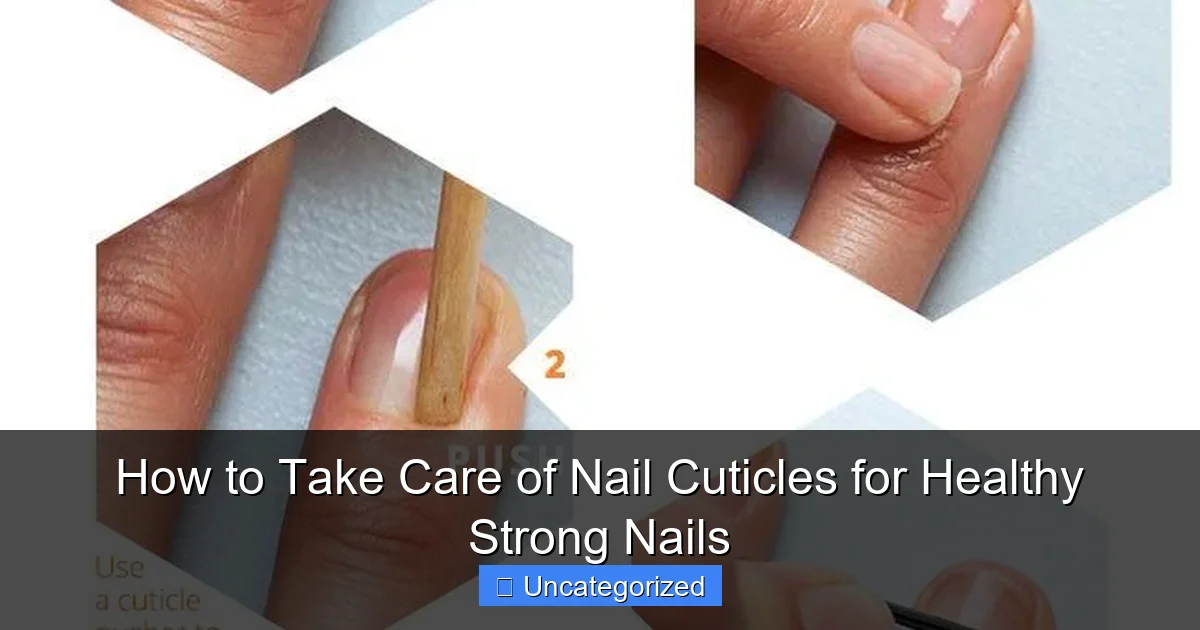
After soaking your hands in warm water for 5 minutes (or during a shower), use a glass or metal cuticle pusher to gently push back cuticles. Never cut them—this increases infection risk and can damage the nail matrix. Instead:
- Hold the pusher at a 45-degree angle.
- Apply light pressure to push the skin toward the knuckle.
- Work in small sections to avoid over-pushing.
Example: For stubborn cuticles, wrap a warm, damp cloth around your fingers for 3 minutes to soften the skin before pushing.
Exfoliation: The Key to Smooth Cuticles
Dead skin buildup can make cuticles look rough and uneven. Use a cuticle exfoliant (e.g., a sugar scrub with jojoba oil) once a week to remove flakes. Avoid harsh scrubs—opt for gentle, circular motions instead of aggressive rubbing.
DIY vs. Salon Treatments
While DIY care works for maintenance, professional treatments like paraffin wax or cuticle peels can provide deeper hydration and exfoliation. A licensed manicurist can also identify early signs of infection or overgrown cuticles that need attention.
Common Cuticle Problems and How to Fix Them
Dry, Flaky Cuticles
Cause: Cold weather, frequent handwashing, or harsh chemicals (e.g., acetone nail polish remover).
Solution: Increase oil application to 4–5 times daily. Switch to a moisturizing hand soap and wear gloves when cleaning.
Hangnails and Torn Cuticles
Cause: Picking, biting, or dryness.
Solution: Keep cuticles moisturized. If a hangnail forms, use sterile scissors to trim it (never rip). Apply an antibacterial ointment like Neosporin to prevent infection.
Overgrown Cuticles
Cause: Neglect or genetics (some people naturally have more prominent cuticles).
Solution: Push back cuticles weekly and apply a cuticle remover gel (e.g., Sally Hansen’s Cuticle Remover) to dissolve excess skin.
Infected Cuticles (Paronychia)
Symptoms: Redness, swelling, pus, or pain.
Solution: Soak the affected finger in warm water with Epsom salts 3 times daily. If symptoms persist after 48 hours, consult a doctor for antibiotic treatment.
Cuticle Care for Special Situations
Winter Cuticle Care
Cold, dry air strips moisture from cuticles. Combat this by:
- Using a humidifier at home/office.
- Applying oil before going outside.
- Wearing gloves when handling snow or ice.
Post-Manicure Care
After a gel or acrylic manicure, cuticles are often dehydrated. Follow these steps:
- Remove polish with a non-acetone remover.
- Soak hands in warm oil for 5 minutes.
- Apply a hydrating mask (e.g., L’Occitane Shea Butter Hand Mask).
Cuticle Care for Men
Men often skip cuticle care, but it’s just as important. Opt for unscented oils and creams to avoid fragrance sensitivity. For rough, calloused cuticles (common in manual laborers), use a pumice stone gently once a week.
Ingredient Guide: Best Products for Cuticle Health
Not all cuticle products are created equal. Here’s a breakdown of top ingredients and their benefits:
| Ingredient | Benefit | Recommended Products |
|---|---|---|
| Jojoba Oil | Balances oil production; non-comedogenic | Burt’s Bees Cuticle Cream, CND SolarOil |
| Shea Butter | Deeply moisturizes; anti-inflammatory | Kiehl’s Ultimate Strength Hand Salve, O’Keeffe’s Working Hands |
| Vitamin E | Repairs damaged skin; antioxidant | Julep Cuticle Oil, Neutrogena Norwegian Formula |
| Lanolin | Seals moisture; ideal for extreme dryness | Lanolips 101 Ointment, Aquaphor Healing Ointment |
| Hyaluronic Acid | Hydrates without greasiness | Dr. Jart+ Dermask Hand Mask, The Ordinary Hyaluronic Acid Serum |
Pro Tip: For sensitive skin, patch-test new products on your inner wrist first. Avoid ingredients like alcohol, fragrance, or parabens, which can irritate cuticles.
Conclusion: The Long-Term Benefits of Cuticle Care
Taking care of your nail cuticles isn’t a one-time fix—it’s a lifelong habit. By incorporating gentle cleansing, daily hydration, and professional techniques into your routine, you’ll see dramatic improvements in nail strength, growth, and appearance. Remember, healthy cuticles are the first line of defense against infections and damage. Whether you’re dealing with dryness, hangnails, or overgrown skin, consistency is key. Start small: add cuticle oil to your nightly routine, push back cuticles weekly, and invest in quality products. Over time, you’ll notice fewer breakages, faster growth, and nails that look and feel stronger than ever. As the saying goes, “Great nails start at the base”—and that base is your cuticles. Treat them well, and they’ll reward you with healthy, beautiful nails for years to come.
Frequently Asked Questions
How do I properly moisturize my nail cuticles?
To care for your nail cuticles, apply a nourishing cuticle oil or cream daily, focusing on the base of each nail. Gently massage it in to boost circulation and lock in hydration, which prevents dryness and peeling.
Can I push back my nail cuticles, and how often should I do it?
Yes, use a wooden cuticle pusher after a shower when cuticles are soft, and gently push them back once a week. Overdoing this can cause damage, so avoid aggressive pushing to maintain healthy cuticles.
What’s the best way to avoid cuticle damage during manicures?
Skip cutting your cuticles—instead, opt for gentle pushing and moisturizing to take care of nail cuticles. Inform your nail technician to avoid trimming, as this reduces infection risks and keeps the protective barrier intact.
Why are my cuticles peeling, and how can I fix it?
Peeling cuticles often result from dehydration, excessive hand washing, or cold weather. Combat this by applying cuticle oil regularly and wearing gloves during chores to protect your nails.
Are there natural remedies to improve cuticle health?
Yes! Coconut oil, shea butter, or olive oil can deeply hydrate cuticles overnight. For extra care, soak nails in warm olive oil weekly to strengthen both nails and cuticles naturally.
How does diet impact nail cuticle care?
Foods rich in biotin (eggs, nuts), omega-3s (salmon), and vitamins A, C, and E support strong cuticles and nails. Pair a balanced diet with topical care to take care of nail cuticles effectively.