
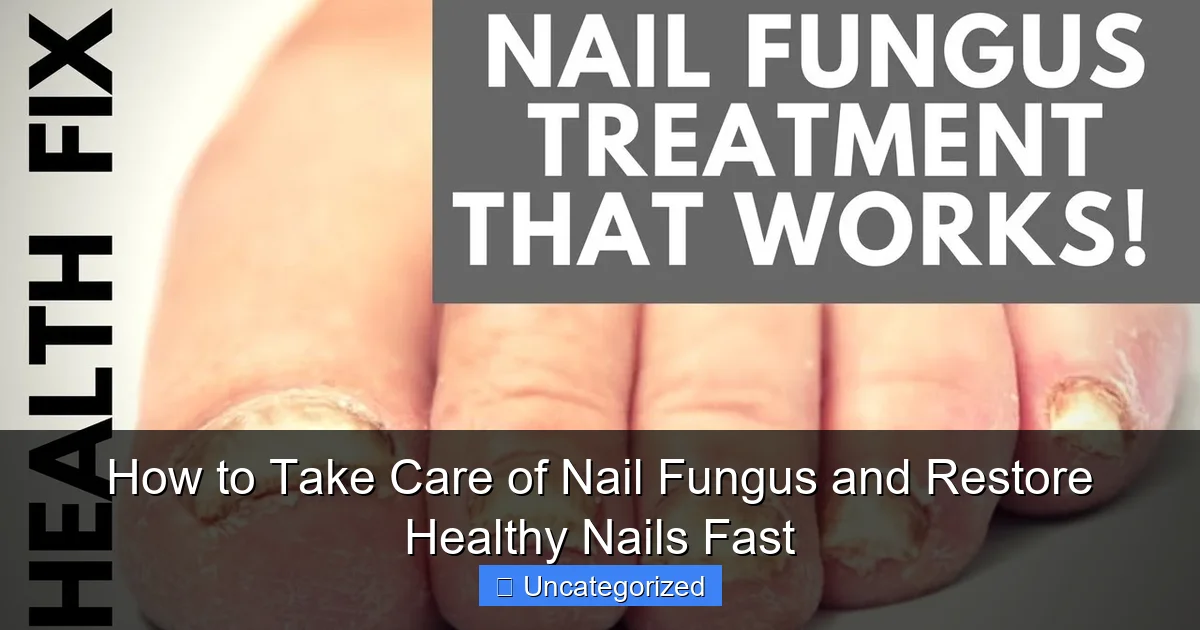
Featured image for how to take care of nail fungus
Image source: i.ytimg.com
Act fast and consistently treat nail fungus with antifungal medications—topical or oral—as early intervention drastically improves recovery chances. Combine treatment with daily hygiene habits like keeping nails dry, trimmed, and avoiding shared footwear to prevent spread and reinfection for faster, healthier nail regrowth.
Key Takeaways
- Act quickly: Early treatment prevents fungal spread and severe nail damage.
- Use antifungals: Apply topical or oral antifungal treatments as directed for best results.
- Keep feet dry: Moisture breeds fungus—dry thoroughly after washing and avoid damp shoes.
- Disinfect tools: Sterilize clippers and files to avoid reinfection or cross-contamination.
- Trim nails straight: Prevents ingrown nails and fungal entry points.
- Choose breathable footwear: Wear moisture-wicking socks and well-ventilated shoes daily.
- Monitor progress: Track changes and consult a doctor if improvement stalls after 4 weeks.
📑 Table of Contents
- Understanding Nail Fungus: Causes, Symptoms, and Risk Factors
- Early Signs and Diagnosis: When to Seek Professional Help
- Effective Treatment Options: From Home Remedies to Medical Interventions
- Daily Care and Prevention: Building a Nail Fungus Defense Routine
- Monitoring Progress and Long-Term Nail Health
- Data Table: Comparing Nail Fungus Treatment Options
- Conclusion: Your Path to Healthy, Fungus-Free Nails
Understanding Nail Fungus: Causes, Symptoms, and Risk Factors
What Is Nail Fungus?
Nail fungus, medically known as onychomycosis, is a common fungal infection that affects the nails—most frequently the toenails, though fingernails can also be involved. It occurs when dermatophytes, yeasts, or molds invade the nail bed, matrix, or plate, leading to changes in appearance, texture, and strength. According to the American Academy of Dermatology, over 35 million people in the U.S. suffer from nail fungus, making it a widespread yet often misunderstood condition.
The infection typically starts as a small white or yellow spot under the tip of the nail. As it spreads deeper into the nail structure, it causes discoloration (yellow, brown, or white), thickening, brittleness, and sometimes a foul odor. In advanced cases, the nail may lift from the bed (onycholysis), crumble, or even fall off. While not usually life-threatening, nail fungus can be painful, socially embarrassing, and lead to complications—especially in individuals with diabetes or compromised immune systems.
Common Causes and Risk Factors
Several factors increase the likelihood of developing nail fungus. Understanding these helps in both prevention and treatment:
- Age: The risk increases with age due to reduced blood circulation, slower nail growth, and cumulative exposure to fungi.
- Warm, moist environments: Public showers, swimming pools, gyms, and communal locker rooms are breeding grounds for fungi. Wearing sweaty socks or tight, non-breathable shoes traps moisture and promotes fungal growth.
- Trauma or injury: A damaged nail is more vulnerable to infection. Athletes or people who frequently stub their toes are at higher risk.
- Medical conditions: Diabetes, psoriasis, circulatory disorders, and weakened immune systems (e.g., from HIV or chemotherapy) make nail fungus more likely and harder to treat.
- Genetics: Some people have a genetic predisposition to fungal infections.
- Personal hygiene habits: Sharing nail clippers, not drying feet thoroughly, or wearing damp footwear for long periods contribute to infection.
For example, a construction worker who wears heavy boots all day without changing socks is at high risk. Similarly, a yoga enthusiast who walks barefoot in public studio showers may unknowingly expose their feet to Trichophyton rubrum, the most common fungus causing onychomycosis.
Early Signs and Diagnosis: When to Seek Professional Help
Recognizing the Early Symptoms
Catching nail fungus early is crucial for effective treatment. The sooner you intervene, the less damage the fungus can cause and the faster your nails can recover. Here are the early warning signs to watch for:
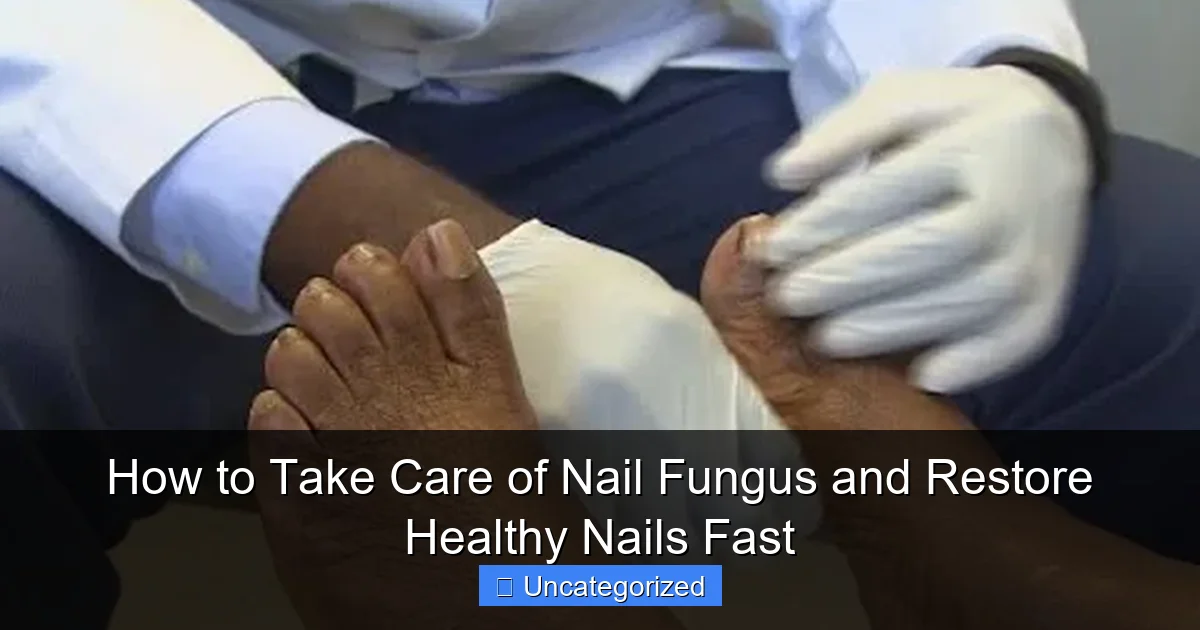
Visual guide about how to take care of nail fungus
Image source: i.ytimg.com
- White, yellow, or brown spots or streaks under the nail tip
- Subtle thickening or slight crumbling at the edges
- Change in nail shape or texture
- Mild discomfort or tenderness around the nail
- Foul smell when pressing on the nail
Many people mistake early nail fungus for a bruise or dryness, delaying treatment. For instance, a runner might think a yellow toenail is due to repeated impact, but if the discoloration persists and spreads, it’s likely fungal. Similarly, a person with a history of athlete’s foot may overlook a new spot on a toenail, not realizing the fungus has migrated from the skin.
How Is Nail Fungus Diagnosed?
Self-diagnosis can be misleading. Over-the-counter antifungal creams often fail because they don’t penetrate the nail deeply enough. That’s why professional diagnosis is essential. A dermatologist or podiatrist will typically perform one or more of the following tests:
- Visual examination: Based on appearance and patient history.
- KOH (potassium hydroxide) test: A small nail scraping is treated with KOH and examined under a microscope to detect fungal elements.
- Fungal culture: The sample is grown in a lab to identify the specific fungus, which helps guide treatment.
- Periodic acid-Schiff (PAS) stain: A biopsy of the nail plate is stained to highlight fungal cells.
For example, a 55-year-old diabetic patient with thickened toenails and numbness in the feet should see a podiatrist immediately. Not only is the risk of infection higher, but poor circulation can delay healing, making early diagnosis and treatment critical to prevent ulcers or amputations.
Effective Treatment Options: From Home Remedies to Medical Interventions
Topical Treatments: Creams, Lacquers, and Solutions
Topical antifungals are often the first line of defense, especially for mild to moderate infections. They are applied directly to the nail and surrounding skin. While convenient and non-invasive, they have limitations due to poor nail penetration.
- Antifungal nail lacquers: Prescription products like ciclopirox (Penlac) are painted on the nail like nail polish. They form a film that slowly releases the medication. Use daily for up to 48 weeks.
- Over-the-counter (OTC) creams and ointments: Clotrimazole (Lotrimin), terbinafine (Lamisil), and miconazole (Micatin) can help when the infection is superficial. Apply after soaking and drying the nail.
- Tea tree oil and essential oils: Natural options with antifungal properties. A 2002 study in Journal of Family Practice found tea tree oil (100%) effective in 18% of cases after 16 weeks. Mix 2-3 drops with a carrier oil (e.g., coconut or olive oil) and apply twice daily.
Tip: For better results with topicals, file the infected nail down (with a disposable emery board) before application to increase absorption. Soak the nail in warm water for 10 minutes to soften it first.
Oral Medications: The Gold Standard for Severe Cases
For moderate to severe onychomycosis, oral antifungals are more effective because they enter the bloodstream and reach the nail from within. These medications are prescribed by a doctor and require monitoring.
- Terbinafine (Lamisil): The most prescribed oral antifungal. Taken daily for 6–12 weeks (fingernails) or 12–16 weeks (toenails). Cure rates: 70–80%.
- Itraconazole (Sporanox): Taken in pulse doses (1 week on, 3 weeks off) for 2–3 cycles. Effective against yeasts and molds.
- Fluconazole (Diflucan): Weekly doses for 6–12 months. Less commonly used due to lower efficacy.
Important: These drugs can affect liver function. Blood tests (liver enzyme panels) are required before and during treatment. Avoid alcohol and inform your doctor of any other medications to prevent interactions.
Example: A 60-year-old man with thick, crumbling toenails and a history of athlete’s foot tried OTC creams for 6 months with no improvement. After diagnosis, his doctor prescribed terbinafine. After 16 weeks, the new nail growth was clear, and the old infected nail gradually grew out.
Emerging and Alternative Therapies
For those seeking non-pharmaceutical options or who can’t tolerate oral meds, newer treatments show promise:
- Laser therapy: FDA-approved devices (e.g., PinPointe, Noveon) use focused light to kill fungi. Multiple sessions are needed. Success rates vary (40–70%). Cost: $400–$1,200 per foot.
- Photodynamic therapy (PDT): A light-sensitive chemical is applied to the nail, then activated with light. Still under research but shows potential.
- Homeopathic and herbal remedies: Vinegar soaks (1:1 vinegar to water, soak 15 min daily), Vicks VapoRub (contains camphor and eucalyptus oil, with anecdotal success), and garlic extract (allicin has antifungal properties).
Note: While some home remedies may help mild cases, they are not substitutes for medical treatment in advanced infections. Always consult a healthcare provider before combining therapies.
Daily Care and Prevention: Building a Nail Fungus Defense Routine
Hygiene and Foot Care Best Practices
Preventing reinfection and supporting treatment requires consistent daily habits. Here’s a step-by-step routine:
- Wash and dry: Clean feet daily with mild soap. Dry thoroughly, especially between toes—fungi thrive in moisture.
- Trim nails correctly: Use clean, disinfected clippers. Cut straight across to avoid ingrown nails. File edges gently.
- Disinfect tools: Soak clippers in 70% isopropyl alcohol for 10 minutes after each use. Replace emery boards monthly.
- Change socks daily: Use moisture-wicking socks (wool or synthetic blends). Change midday if feet sweat heavily.
- Wear breathable shoes: Rotate shoes to allow them to dry fully. Use antifungal shoe sprays or powder.
- Go barefoot at home: Let your feet breathe when possible.
Example: A nurse who works 12-hour shifts wears compression socks and breathable clogs. She changes socks during her break and applies antifungal powder to her shoes every evening.
Lifestyle and Environmental Adjustments
Your environment plays a big role in fungal control:
- Protect feet in public areas: Wear flip-flops in showers, pools, and gyms. Avoid walking barefoot.
- Disinfect home surfaces: Clean bathroom floors, tubs, and showers with bleach or antifungal sprays. Wash towels and bedding in hot water.
- Manage underlying conditions: Control blood sugar if diabetic. Treat athlete’s foot promptly—don’t wait for it to spread to nails.
- Boost immunity: Eat a balanced diet rich in vitamins (A, C, D, E), zinc, and probiotics. Stay hydrated and get enough sleep.
Pro tip: Use UV shoe sanitizers (e.g., SteriShoe) to kill fungi in footwear. These devices emit UV-C light and take 15–45 minutes per use.
Monitoring Progress and Long-Term Nail Health
How Long Does It Take to Heal?
Nail fungus treatment is a marathon, not a sprint. Nails grow slowly—about 1–3 mm per month for toenails. Full recovery can take:
- Fingernails: 6–12 months
- Toenails: 12–18 months
During this time, you’ll see gradual improvement: the new nail growing in clear and healthy, while the infected portion grows out and can be trimmed. Don’t stop treatment just because the nail looks better—continue until the old nail is fully replaced.
Tip: Take monthly photos of your nails to track progress. This helps you stay motivated and provides evidence for your doctor during follow-ups.
Maintaining Healthy Nails After Recovery
Once the fungus is gone, prevent recurrence with these strategies:
- Annual antifungal maintenance: Use a medicated nail polish (e.g., ciclopirox) once a week as a preventive measure.
- Regular self-exams: Check nails monthly for early signs of discoloration or thickening.
- Professional foot care: Visit a podiatrist for routine check-ups, especially if you have diabetes.
- Nutritional support: Biotin (2.5–5 mg daily) may improve nail strength. Foods like eggs, nuts, and leafy greens support nail health.
Example: A woman who cured her nail fungus now uses a tea tree oil spray on her shoes weekly and soaks her feet in apple cider vinegar every month as a preventive ritual.
Data Table: Comparing Nail Fungus Treatment Options
| Treatment Type | Examples | Duration | Success Rate | Side Effects | Cost (Approx.) |
|---|---|---|---|---|---|
| Topical Lacquer | Ciclopirox (Penlac) | 6–12 months | 20–30% | Mild skin irritation | $200–$300 (without insurance) |
| Oral Medication | Terbinafine (Lamisil) | 12–16 weeks | 70–80% | Liver enzyme changes, taste disturbance | $100–$200 (generic) |
| OTC Creams | Clotrimazole, Miconazole | 3–6 months | 10–20% | Skin redness | $10–$20 per tube |
| Laser Therapy | PinPointe, Cutera | 1–3 sessions | 40–70% | Mild pain, redness | $400–$1,200 per foot |
| Natural Remedies | Tea tree oil, vinegar soaks | 3–12 months | 10–30% (varies widely) | Allergic reactions (rare) | $5–$20 per month |
Note: Success rates are based on clinical studies and may vary by individual. Always consult a healthcare provider for personalized treatment plans.
Conclusion: Your Path to Healthy, Fungus-Free Nails
Dealing with nail fungus can feel overwhelming, but with the right knowledge and consistent care, recovery is absolutely achievable. The key is to act early, treat effectively, and maintain vigilance to prevent recurrence. Whether you choose prescription medications, laser therapy, or a combination of medical and natural approaches, the foundation of success lies in daily hygiene and lifestyle habits.
Remember, nail fungus is not a reflection of poor hygiene or personal failure—it’s a common medical condition with effective solutions. By understanding your risk factors, seeking professional diagnosis, and following a tailored treatment plan, you can restore your nails to their healthy, natural state. Stay patient, stay consistent, and don’t hesitate to reach out to a dermatologist or podiatrist if you’re unsure about your progress.
Your nails are a window to your overall health. With the strategies outlined in this guide—from topical care and oral medications to environmental adjustments and long-term maintenance—you’re equipped to fight nail fungus and enjoy strong, clear, beautiful nails for years to come. Start today, and take the first step toward fungus-free confidence.
Frequently Asked Questions
What causes nail fungus and how can I prevent it?
Nail fungus (onychomycosis) is caused by fungi thriving in warm, moist environments like sweaty shoes or public showers. Prevent it by keeping feet dry, wearing breathable footwear, and disinfecting nail tools regularly.
How to take care of nail fungus naturally at home?
Try soaking feet in vinegar or tea tree oil soaks, both of which have antifungal properties. Apply coconut oil or Vicks VapoRub daily to soften nails and inhibit fungal growth.
Can over-the-counter treatments cure nail fungus?
Yes, OTC antifungal creams (like clotrimazole) and medicated nail polishes (e.g., ciclopirox) can help mild cases. For thickened or discolored nails, oral prescription meds may be needed for faster results.
How long does it take to see results when treating nail fungus?
Improvement takes 6–12 months, as fungal nails grow slowly. Consistency is key—apply treatments as directed and trim affected nails regularly to speed up recovery.
When should I see a doctor for my nail fungus?
Consult a doctor if nails are painful, severely thickened, or spreading to other nails. Diabetics or those with circulation issues should seek medical advice immediately to avoid complications.
Does nail fungus go away on its own?
Rarely—untreated nail fungus often worsens, leading to permanent damage. Early intervention with antifungal treatments or how to take care of nail fungus routines is crucial for recovery.