
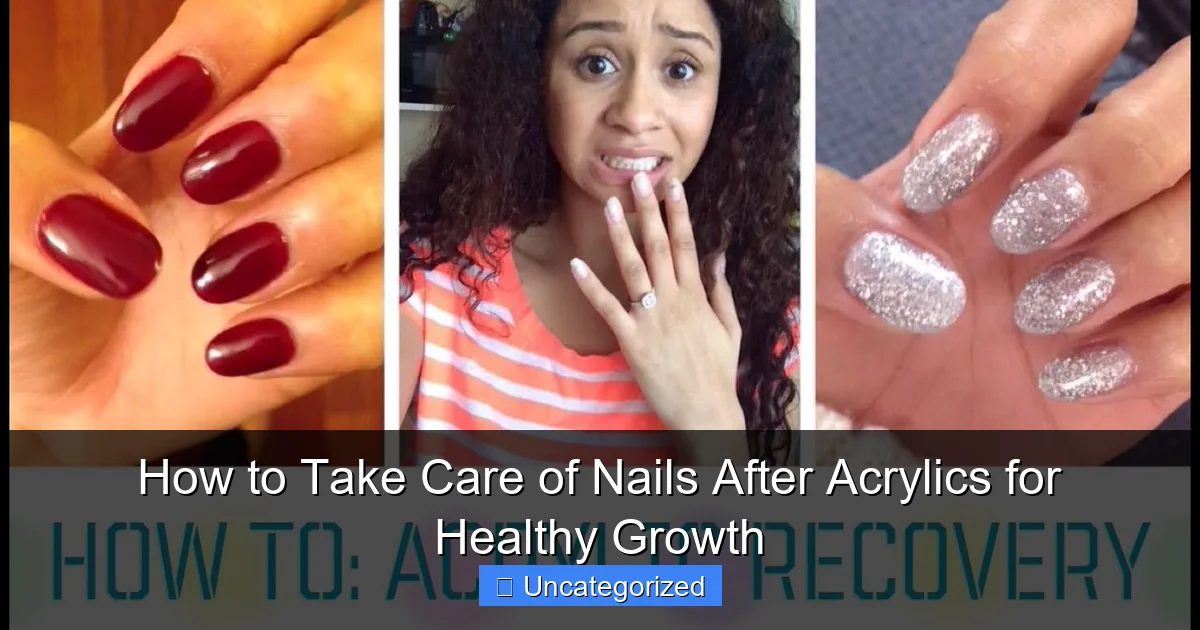
Featured image for how to take care of nails after acrylics
Image source: i.ytimg.com
Moisturize and protect your natural nails daily to prevent brittleness and peeling after removing acrylics—this is the most crucial step for recovery. Use cuticle oil and a nourishing nail strengthener to repair damage, maintain hydration, and support healthy regrowth. Avoid harsh chemicals and excessive water exposure to keep your nails resilient and strong.
Key Takeaways
- Moisturize daily: Apply cuticle oil to nourish and prevent dryness.
- Keep nails clean: Wash regularly to avoid bacterial buildup.
- Wear gloves: Protect nails during chores to prevent damage.
- Limit water exposure: Reduce soaking to maintain nail strength.
- Use strengtheners: Apply treatments to support natural nail growth.
- Trim and file: Maintain shape to avoid snags and breaks.
📑 Table of Contents
- How to Take Care of Nails After Acrylics for Healthy Growth
- 1. Immediate Care: The First 72 Hours After Removal
- 2. Hydration and Moisturization: The Foundation of Nail Recovery
- 3. Nourishing Your Nails: The Role of Diet and Supplements
- 4. Gentle Handling and Protection: Preventing Further Damage
- 5. Long-Term Maintenance: Sustaining Healthy Nail Growth
- 6. Troubleshooting Common Post-Acrylic Problems
How to Take Care of Nails After Acrylics for Healthy Growth
Acrylic nails have long been a staple in the beauty world, offering a durable, polished look that can last for weeks. Whether you’re a fan of bold, glittery designs or prefer a classic French manicure, acrylics provide a canvas for creativity and self-expression. But once the glamour fades and you remove your acrylics, you’re often left with a harsh reality: your natural nails may look weak, thin, or even damaged. The truth is, acrylics place significant stress on your natural nail bed. The application process involves filing, dehydrating, and bonding layers of acrylic to your nail, while removal can further compromise the nail’s integrity if not done properly. After removing acrylics, your nails need time to recover, and without proper care, they may struggle to grow strong and healthy again.
The good news is that with the right post-acrylic care routine, you can restore your natural nails to their former glory—and even improve their long-term health. This guide will walk you through every step of the recovery process, from immediate post-removal care to long-term strategies for encouraging strong, resilient nail growth. Whether you’ve just taken off your acrylics or are planning to remove them soon, this comprehensive approach will help you avoid common pitfalls like peeling, splitting, and slow growth. By focusing on hydration, nutrition, and gentle handling, you’ll set the foundation for nails that are not only beautiful but also naturally strong. Let’s dive into how to take care of nails after acrylics for healthy growth.
1. Immediate Care: The First 72 Hours After Removal
The first 72 hours after removing acrylics are critical. During this time, your nails are in a fragile, vulnerable state. They’ve been stripped of their natural oils, possibly filed down to a thin layer, and may have micro-tears or lifting at the edges. This is the time to prioritize healing and hydration—not polish or pressure.
Visual guide about how to take care of nails after acrylics
Image source: i.ytimg.com
Soak and Assess
Start by soaking your nails in warm, soapy water for 5–10 minutes. This softens any residual glue or debris and helps relax the nail bed. Avoid using harsh soaps with sulfates or alcohol, which can further dry out your nails. After soaking, gently pat your hands dry with a soft towel—never rub, as friction can cause further damage. Once dry, assess your nails: Look for signs of peeling, lifting, discoloration, or tenderness. If you notice significant pain, redness, or signs of infection (like pus or swelling), consult a dermatologist immediately.
Apply a Healing Base Coat
After soaking, apply a reparative base coat formulated with ingredients like keratin, calcium, or silk proteins. These ingredients help reinforce the nail structure and prevent splitting. Avoid regular polish or gel during this phase—your nails need to breathe. A product like OPI Nail Envy or Essie Strong Start is ideal for rebuilding strength. Apply a thin layer and let it dry completely. Reapply every other day for the first week.
Use a Cuticle Oil Every 4–6 Hours
Cuticle oil is your best friend in the first few days. It delivers essential fatty acids and antioxidants to the nail matrix (the living tissue beneath the nail), promoting healing and hydration. Use a high-quality oil with ingredients like jojoba oil, vitamin E, and argan oil. For example, CND SolarOil or Butter London Melt Away are excellent choices. Apply 2–3 drops per nail and massage it into the cuticle and surrounding skin. Do this every 4–6 hours, especially after washing your hands or showering. This routine prevents the cuticles from drying out and cracking, which can lead to infections.
Pro Tip: Keep a small bottle of cuticle oil in your purse, car, and bathroom to ensure consistent application. The more frequently you hydrate, the faster your nails will recover.
2. Hydration and Moisturization: The Foundation of Nail Recovery
After acrylics, your nails are like sponges—dry, porous, and craving moisture. The acrylic application process strips away natural oils, leaving the nail plate dehydrated and prone to brittleness. Without proper hydration, your nails will struggle to grow strong and may even develop ridges or peeling. Hydration isn’t just about applying products; it’s a daily lifestyle commitment.
Daily Moisturizing Routine
Moisturize your hands and nails at least twice daily: once in the morning and once before bed. Use a thick, emollient hand cream with ingredients like shea butter, glycerin, and ceramides. These ingredients lock in moisture and repair the skin’s barrier. For example, L’Occitane Shea Butter Hand Cream or Gold Bond Ultimate Overnight are excellent for intensive hydration. Apply a generous amount and massage it into your cuticles, nails, and the back of your hands. For deeper absorption, wear cotton gloves overnight—this creates a “moisture trap” that enhances hydration.
Hydrate from Within
While topical products are essential, internal hydration is equally important. Your nails are made of keratin, a protein that requires water to maintain elasticity. Aim to drink at least 2–3 liters of water daily. If you struggle to meet this goal, try infusing water with lemon, cucumber, or mint for added flavor. Additionally, include water-rich foods in your diet, such as cucumbers, watermelon, oranges, and celery. These foods not only hydrate but also provide vitamins and antioxidants that support nail health.
Avoid Drying Agents
Steer clear of harsh chemicals that can further dry out your nails. This includes:
- Alcohol-based hand sanitizers: Use moisturizing sanitizers with aloe vera instead.
- Acetone-based nail polish removers: Opt for non-acetone removers, which are gentler on the nail.
- Dishwashing without gloves: Wear rubber gloves when cleaning or washing dishes to protect your nails from water and detergents.
For example, if you wash dishes daily, wearing gloves reduces water exposure and prevents your nails from absorbing excess moisture, which can cause swelling and weakening.
3. Nourishing Your Nails: The Role of Diet and Supplements
Healthy nail growth starts from within. While topical care is crucial, your nails also need essential nutrients to rebuild and strengthen. A diet rich in vitamins, minerals, and proteins provides the building blocks for resilient, fast-growing nails.
Key Nutrients for Nail Health
Focus on incorporating these nutrients into your daily meals:
- Protein: Nails are 80% keratin, a protein. Include lean meats, eggs, tofu, lentils, and Greek yogurt in your diet.
- Biotin (Vitamin B7): A well-known nail strengthener. Found in eggs, almonds, sweet potatoes, and spinach. Consider a biotin supplement (1,000–2,500 mcg daily) if your diet is lacking.
- Vitamin C: Supports collagen production, which strengthens nails. Eat citrus fruits, bell peppers, and broccoli.
- Iron: Prevents brittle nails and ridges. Include spinach, red meat, and fortified cereals.
- Omega-3 Fatty Acids: Reduce inflammation and improve nail flexibility. Eat fatty fish (salmon, mackerel), flaxseeds, and walnuts.
- Zinc: Promotes cell regeneration. Found in pumpkin seeds, chickpeas, and oysters.
Sample Daily Nail-Boosting Meal Plan
Here’s a practical example of a day’s meals to support nail recovery:
- Breakfast: Scrambled eggs with spinach and whole-grain toast + orange juice (Vitamin C).
- Snack: Handful of almonds and a banana (Biotin, potassium).
- Lunch: Grilled salmon salad with avocado, quinoa, and bell peppers (Omega-3, iron, Vitamin C).
- Snack: Greek yogurt with chia seeds (Protein, zinc).
- Dinner: Stir-fried tofu with broccoli and brown rice (Protein, iron).
- Hydration: 3 liters of water + 1 cup of green tea (antioxidants).
Supplement Considerations
If your diet is inconsistent or you have specific deficiencies, consider supplements. A multivitamin with biotin, zinc, and iron can bridge gaps. For example, Nature’s Bounty Hair, Skin & Nails or NOW Biotin 10,000 mcg are popular choices. Always consult your doctor before starting supplements, especially if you have underlying health conditions.
4. Gentle Handling and Protection: Preventing Further Damage
Your nails are in a recovery phase, so treating them with care is non-negotiable. Avoiding trauma, excessive pressure, and harsh activities will prevent setbacks in the healing process.
Wear Gloves for Chores
Water, cleaning agents, and manual labor are the enemies of recovering nails. Always wear rubber or nitrile gloves when:
- Washing dishes
- Cleaning with bleach or detergents
- Gardening or handling soil
- Doing laundry
For example, if you’re scrubbing a bathroom, wear gloves to protect your nails from prolonged water exposure and chemical irritation.
Use Nails as Tools? Never.
Stop using your nails to open cans, peel stickers, or pick at things. This can cause lifting, splitting, or even infection. Keep a small tool (like a key or plastic scraper) in your bag or kitchen drawer for quick tasks. If you catch yourself doing it, redirect the habit—use your fingertips or a tool instead.
File and Shape Gently
If your nails are uneven after acrylic removal, file them carefully. Use a glass or crystal nail file (not emery boards, which create micro-tears). File in one direction, from the edge toward the center, to prevent splitting. Avoid over-filing—only remove the minimum necessary to even out the nail. Shape them into a soft square or oval, which is less prone to snagging than sharp edges.
Limit Water Exposure
Prolonged water exposure weakens nails by causing them to absorb water and swell. After showers or baths, pat your hands dry immediately. Avoid soaking your hands in water for more than 15–20 minutes. If you must soak (e.g., for a foot soak), keep your hands out of the water.
5. Long-Term Maintenance: Sustaining Healthy Nail Growth
Once your nails have recovered, the goal shifts to maintaining their health and preventing future damage. A consistent, long-term routine will keep your nails strong and beautiful, whether you choose to go natural or reapply acrylics later.
Weekly Nail Treatments
Incorporate a weekly treatment to boost strength and hydration:
- Oil Soak: Soak nails in warm olive or coconut oil for 10 minutes, then massage in cuticle oil.
- Paraffin Wax Treatment: Use a home paraffin kit or visit a salon. The wax traps heat, improving circulation and hydration.
- Mask or Serum: Apply a nail-specific mask (e.g., Dr. Hauschka Nail Oil Serum) for 15 minutes, then rinse.
Monitor Growth and Changes
Track your nail growth by measuring the length every 2 weeks. Healthy nails grow 3–4 mm per month. If growth stalls, reassess your diet, hydration, or stress levels. Note any changes in texture, color, or shape—these can signal deficiencies or health issues (e.g., yellow nails may indicate fungal infection).
When to Reapply Acrylics (If You Choose)
If you plan to reapply acrylics, wait at least 4–6 weeks after removal. Ensure your natural nails are:
- At least 1–2 mm longer than the nail bed
- Free of peeling or ridges
- Fully hydrated (test by pressing the nail—it should snap back quickly)
Choose a reputable nail technician who uses proper techniques (e.g., minimal filing, no lifting at the cuticle). Opt for shorter extensions to reduce stress on the natural nail.
Stress Management
Chronic stress can disrupt nail growth. Practice stress-reducing techniques like meditation, yoga, or deep breathing. For example, a 10-minute daily meditation can improve circulation to the nail matrix, supporting growth.
6. Troubleshooting Common Post-Acrylic Problems
Even with the best care, you may encounter issues. Here’s how to address common problems:
Peeling or Splitting
Caused by dehydration or over-filing. Apply a nail hardener with formaldehyde-free formula (e.g., Orly Nailtrition) and increase cuticle oil use. Avoid picking at peeling edges—this can worsen damage.
Discoloration
Yellow or white spots may indicate fungal infection or staining from polish. Use an antifungal treatment (e.g., Fungi-Nail) for infections. For stains, gently buff the nail with a soft buffer and apply a whitening base coat.
Slow Growth
Check for nutrient deficiencies (iron, biotin) or thyroid issues. A blood test can identify imbalances. Increase protein intake and consider a biotin supplement.
Brittleness
Brittle nails break easily. Use a nail strengthener with calcium and magnesium (e.g., Sally Hansen Hard as Nails). Avoid harsh chemicals and wear gloves for chores.
Data Table: Nail Recovery Timeline
| Time After Removal | Key Actions | Expected Progress |
|---|---|---|
| 0–72 hours | Soak, apply base coat, cuticle oil every 4–6 hours | Reduced tenderness, initial hydration |
| 3–7 days | Moisturize twice daily, wear gloves, avoid polish | Peeling stops, cuticles soften |
| 1–2 weeks | Weekly oil soaks, biotin-rich diet | New growth visible (1–2 mm) |
| 4–6 weeks | Gentle filing, reintroduce light polish | Nails 3–4 mm long, stronger texture |
Taking care of your nails after acrylics isn’t just about aesthetics—it’s about respecting the natural structure of your body. The journey from weak, damaged nails to strong, healthy ones requires patience, consistency, and a holistic approach. By prioritizing hydration, nutrition, and gentle handling in the immediate aftermath, you set the stage for long-term success. Remember, your nails are a reflection of your overall health: a balanced diet, adequate water intake, and stress management play just as big a role as topical products. Avoid the temptation to rush the process—healthy nails grow at a natural pace, and pushing them too soon (like reapplying acrylics) can undo all your hard work.
Ultimately, the goal isn’t just to restore your nails but to transform your entire nail care routine. Embrace the opportunity to go natural for a few months, experiment with strengthening treatments, and learn what your nails truly need. When you do decide to wear acrylics again, you’ll do so with a deeper understanding of how to protect your natural nails. With the strategies outlined in this guide—from cuticle oil rituals to weekly oil soaks—you’ll not only recover from acrylics but also build a foundation for lifelong nail health. So take a deep breath, be kind to your nails, and enjoy the journey to stronger, healthier growth. Your future self (and your fingertips) will thank you.
Frequently Asked Questions
How long should I wait before getting acrylics again after removal?
Wait at least 2-3 weeks to let your natural nails recover and breathe. This break helps prevent damage and supports healthy nail growth after acrylics.
How can I strengthen my nails after acrylic removal?
Apply a nail strengthener with keratin or biotin daily, and keep nails moisturized with cuticle oil. Avoid harsh chemicals to protect weak, post-acrylic nails.
What’s the best way to moisturize nails after acrylics?
Use cuticle oil 2-3 times daily and a thick hand cream at night. Hydration is key to repairing dry, brittle nails after acrylics.
How do I prevent peeling and splitting nails post-acrylics?
Keep nails trimmed short and wear gloves during chores. Use a ridge-filling base coat to protect the nail surface and minimize peeling.
Can I use nail polish after removing acrylics?
Yes, but opt for breathable or treatment-based polishes. Give nails a few days of no polish after acrylic removal to recover.
How do I maintain healthy nail growth after acrylics?
Massage cuticle oil into nails daily, eat a balanced diet rich in biotin, and avoid picking at hangnails. Consistency is vital for strong, healthy nail growth after acrylics.