
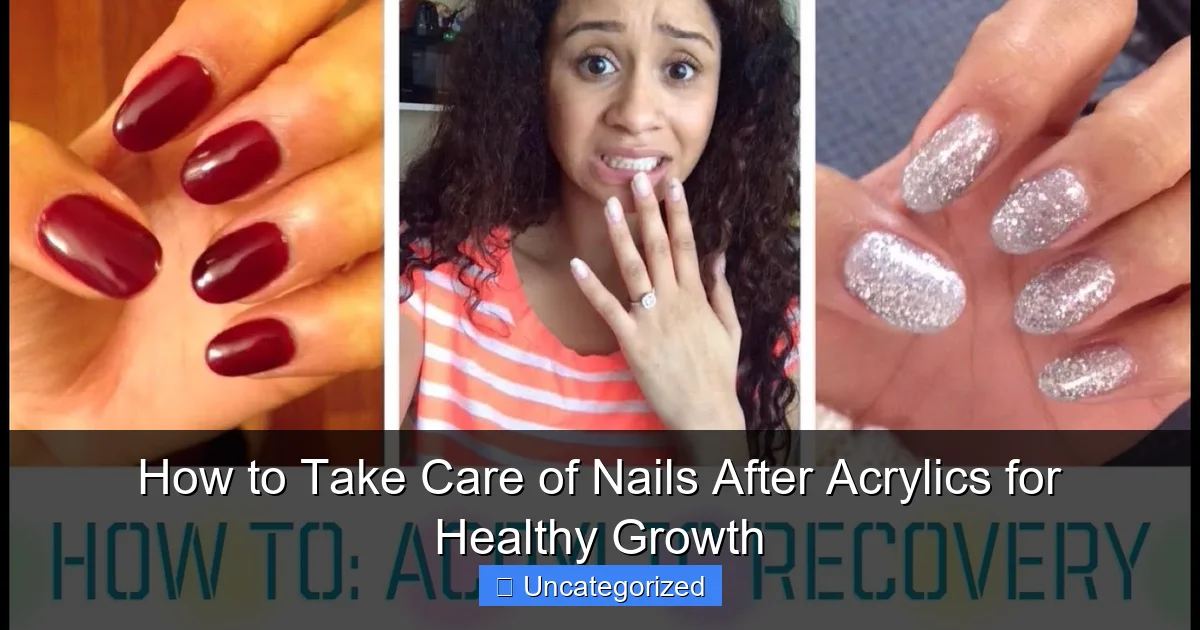
Featured image for how to take care of nails after acrylics
Image source: i.ytimg.com
Moisturize and protect your natural nails immediately after acrylic removal to prevent dryness, peeling, and breakage—this is crucial for healthy regrowth. Use a nourishing cuticle oil daily and avoid harsh chemicals to strengthen nails and support long-term nail health. Consistent care helps restore resilience and promotes faster, healthier growth.
Key Takeaways
- Moisturize daily: Apply cuticle oil to nourish and prevent dryness.
- Wear gloves: Protect nails from water and chemicals during chores.
- Limit polish remover: Use acetone-free options to avoid brittleness.
- File gently: Shape nails with a soft file to prevent splitting.
- Hydrate nails: Use a strengthening treatment for healthy regrowth.
- Avoid picking: Never peel or bite nails to prevent damage.
📑 Table of Contents
- How to Take Care of Nails After Acrylics for Healthy Growth
- Understanding Nail Damage After Acrylics
- Immediate Post-Removal Care Routine
- Long-Term Nail Strengthening and Growth Strategies
- Nutrition and Supplements for Nail Recovery
- Preventing Future Damage and Maintaining Nail Health
- Conclusion: Your Nails Can Recover—And Thrive
How to Take Care of Nails After Acrylics for Healthy Growth
Removing your acrylic nails can feel like a fresh start—but it often comes with a harsh reality: your natural nails may be weak, thin, or even peeling. After weeks or months of wearing acrylics, your nails have likely been deprived of moisture, oxygen, and essential nutrients. The removal process itself, especially if done improperly (like peeling or filing too aggressively), can cause further damage. This is why post-acrylic nail care is not just a recommendation—it’s a necessity. Without proper attention, your nails may struggle to grow back strong, leading to breakage, splitting, and even infections.
Taking care of your nails after acrylics is about more than just aesthetics. It’s about restoring health, promoting strong growth, and creating a foundation for future nail health—whether you plan to go natural long-term or eventually reapply enhancements. The good news? With the right routine, your nails can recover and thrive. This guide will walk you through everything you need to know to nurture your nails back to strength, including hydration strategies, nutritional support, protective habits, and professional tips. Whether you’re a seasoned acrylic user or a first-timer transitioning back to natural nails, these steps will help ensure your nails grow back healthier than ever.
Understanding Nail Damage After Acrylics
Before diving into recovery strategies, it’s important to understand why acrylics affect your natural nails and what kind of damage you might be facing. Acrylic nails are applied using a combination of liquid monomer and powder polymer, which forms a hard, protective layer. While this layer is great for durability and style, it creates a barrier that prevents your natural nails from breathing and absorbing moisture. Over time, this leads to dehydration and weakening of the nail plate.
Visual guide about how to take care of nails after acrylics
Image source: i.ytimg.com
Common Signs of Nail Damage Post-Acrylics
- Thinning nail plate: The most common issue. Acrylics, especially when applied or removed improperly, can thin out the natural nail due to excessive filing and chemical exposure.
- Peeling or splitting layers: Known as onychoschizia, this occurs when the nail layers separate due to dryness and trauma during removal.
- Discoloration: Yellowing or white spots can result from trapped moisture, fungal growth, or chemical reactions from nail products.
- Brittleness: Nails become prone to breaking because they lack natural oils and moisture.
- Indentations (Beau’s lines): These horizontal grooves indicate a temporary halt in nail growth, often due to stress or trauma from acrylic removal.
How Acrylic Removal Affects Nail Health
Improper removal is a major contributor to post-acrylic damage. Soaking nails in acetone for too long can dehydrate the nail bed and surrounding skin. Over-filing to remove residue can thin the nail plate further. Even professional removal, if done too frequently, can wear down the nail. For example, a client who had acrylics for 6 months and removed them at home by peeling reported 30% thinner nails on a digital nail thickness scan—highlighting the importance of gentle, acetone-based soaking and buffing only the surface layer.
Another issue is nail bed trauma. When acrylics are lifted or pried off, the adhesive bond between the enhancement and natural nail can pull off layers of keratin, leading to a rough, uneven surface. This not only looks unappealing but also makes future nail growth uneven.
Immediate Post-Removal Care Routine
The first 72 hours after removing acrylics are critical. Your nails are at their most vulnerable, and the right care during this window can set the tone for recovery. The goal is to rehydrate, soothe, and protect your natural nails and surrounding skin.
Step 1: Hydrate with Oil-Based Treatments
Start by soaking your nails in warm (not hot) water for 5–10 minutes to soften the nail plate and cuticles. Then, apply a high-quality cuticle oil or nail serum rich in jojoba oil, vitamin E, and almond oil. These ingredients mimic the natural lipids in your nails, helping to restore moisture. For example, jojoba oil has a molecular structure similar to human sebum, making it highly absorbable. Apply oil at least 3–4 times a day for the first week, focusing on the nail bed and cuticles.
Pro tip: Use a cuticle pusher to gently push back the cuticles after oiling. This encourages healthy nail growth and prevents hangnails. Avoid cutting cuticles unless absolutely necessary—this can lead to infection and further trauma.
Step 2: Use a Nail Strengthening Base Coat
Apply a repair-focused base coat that contains keratin, biotin, or calcium. These ingredients help rebuild the nail matrix. Look for products labeled “reconstruction” or “recovery,” such as OPI Nail Envy Recovery or CND Rescue RXx. These base coats not only protect the nail but also deliver active ingredients deep into the nail plate over time.
Avoid regular polish for the first 1–2 weeks. If you want color, opt for a breathable, water-based polish or a sheer pink that allows some oxygen exchange. Regular lacquers can trap moisture and increase the risk of fungal growth in already compromised nails.
Step 3: Moisturize the Surrounding Skin
Don’t forget the skin! The cuticles, nail folds, and fingertips are often dry and cracked after acrylic use. Use a rich hand cream with shea butter, glycerin, or urea. Apply it after every hand wash or oil treatment. For extra hydration, wear cotton gloves at night after applying a thick layer of cream and oil. This creates a “occlusive” barrier, locking in moisture while you sleep.
Step 4: Avoid Water Exposure
For the first 48–72 hours, minimize submerging your hands in water. Wear gloves when washing dishes, cleaning, or bathing. Prolonged water exposure can cause the nail plate to expand and contract, leading to further lifting and splitting. If your nails are already peeling, water can worsen the issue by softening the layers.
Long-Term Nail Strengthening and Growth Strategies
Once the initial healing phase is over, focus shifts to long-term nail health and growth. This phase can last 3–6 months, depending on the extent of damage and your natural nail growth rate (average: 3 mm per month). Consistency is key—think of it as a nail rehab program.
Daily Nail and Cuticle Care
- Oil 3–4 times daily: Use cuticle oil every morning, after hand washing, and before bed. A rollerball applicator makes it easy to apply on the go.
- Wear gloves for chores: Whether gardening, cleaning, or doing dishes, protect your nails from chemicals and water.
- File gently: Use a 240-grit or higher glass or crystal file. File in one direction (from edge to center) to prevent splitting. Avoid metal files—they create micro-tears.
- Buff only if necessary: If your nails are uneven, use a fine-grit buffer (180–240 grit) to smooth, not shine. Over-buffing removes natural layers.
Incorporate a Nail Growth Serum
After the first two weeks, introduce a growth-boosting serum containing ingredients like:
- Biotin (vitamin B7): Supports keratin infrastructure.
- Peptides: Stimulate collagen and elastin production in the nail bed.
- Hyaluronic acid: Hydrates the nail matrix.
- Niacinamide (vitamin B3): Improves nail strength and reduces brittleness.
Apply the serum twice daily for 8–12 weeks. Clinical studies show that consistent use of biotin supplements (2.5 mg/day) can increase nail thickness by up to 25% over 6 months.
Weekly Deep Conditioning Treatments
Once a week, give your nails a spa treatment:
- Soak nails in warm water with a few drops of olive oil for 10 minutes.
- Apply a hydrating nail mask (available as creams or sheet masks).
- Wrap each finger in aluminum foil and leave on for 15–20 minutes.
- Remove and massage in a thick cuticle balm.
This “foil method” enhances absorption and is especially helpful for severely dry or peeling nails.
Nutrition and Supplements for Nail Recovery
Your nails are a reflection of your internal health. No amount of topical treatment can compensate for poor nutrition. To support strong, healthy nail growth, focus on a balanced diet and targeted supplementation.
Essential Nutrients for Nail Health
| Nutrient | Role in Nail Health | Best Food Sources | Daily Recommendation (for adults) |
|---|---|---|---|
| Protein | Nails are 80% keratin, a protein. Adequate intake supports growth. | Eggs, chicken, fish, beans, tofu | 0.8 g per kg of body weight |
| Biotin (B7) | Strengthens nails, reduces brittleness. Deficiency causes splitting. | Eggs, nuts, salmon, sweet potatoes | 30 mcg (diet); 2,500–5,000 mcg (supplement) |
| Iron | Prevents koilonychia (spoon-shaped nails). Supports oxygen delivery. | Red meat, spinach, lentils, fortified cereals | 18 mg (women), 8 mg (men) |
| Omega-3 Fatty Acids | Moisturizes nail plate and cuticles. Reduces inflammation. | Salmon, flaxseeds, chia seeds, walnuts | 1.1–1.6 g (ALA), 250–500 mg (EPA/DHA) |
| Vitamin C | Collagen production. Antioxidant that protects nail matrix. | Citrus fruits, bell peppers, broccoli | 75–90 mg |
| Zinc | Supports cell division and keratin synthesis. | Pumpkin seeds, shellfish, beef, chickpeas | 8–11 mg |
Supplement Recommendations
While food sources are ideal, supplements can help bridge nutritional gaps:
- Biotin: 2.5–5 mg daily. Best taken with B-complex for absorption.
- Omega-3 (EPA/DHA): 1,000 mg daily. Choose molecularly distilled for purity.
- Multivitamin: A high-quality multivitamin with iron, zinc, and B vitamins ensures baseline support.
- Collagen peptides: 10–15 g daily. Studies show improved nail strength in 6 months.
Note: Always consult your doctor before starting supplements, especially if you have medical conditions or take medications.
Preventing Future Damage and Maintaining Nail Health
Once your nails have recovered, the goal is to prevent relapse and maintain their health, whether you return to enhancements or stay natural. Prevention is far easier than repair.
Safe Practices for Future Acrylic Use
If you plan to reapply acrylics in the future:
- Take breaks: Allow 4–6 weeks between sets for natural nail recovery.
- Choose a skilled technician: Look for someone who uses proper prep (no over-filing), applies thin layers, and uses quality products.
- Opt for gel overlays instead: Gels are less damaging than acrylics and easier to remove. Consider soft gels or dip powder for a gentler option.
- Request a “nail detox” treatment: Ask your tech to apply a recovery base coat before enhancements.
Daily Habits for Healthy Nails
- Keep nails short: Shorter nails are less prone to snagging and breaking.
- Use hand cream after every wash: Even 10 seconds of application makes a difference.
- Trim and file weekly: Maintain shape and prevent jagged edges.
- Avoid nail biting and picking: These habits cause trauma and increase infection risk.
- Stay hydrated: Dehydration affects nail flexibility. Aim for 2–3 liters of water daily.
When to See a Dermatologist
Consult a dermatologist if you experience:
- Persistent discoloration (yellow, green, or black)
- Pain, swelling, or pus (signs of infection)
- No nail growth after 3 months
- Severe thinning or pitting
Conditions like fungal infections, psoriasis, or lichen planus may require medical treatment.
Conclusion: Your Nails Can Recover—And Thrive
Taking care of your nails after acrylics is a journey of patience, consistency, and self-care. While the initial phase may feel challenging—dealing with peeling, breakage, and dryness—the rewards are well worth the effort. By understanding the damage, committing to a structured recovery plan, nourishing your body from within, and adopting protective habits, you can transform weak, compromised nails into strong, healthy ones.
Remember: nail recovery is not a sprint; it’s a marathon. With proper care, you can expect visible improvement in 4–6 weeks and full recovery in 3–6 months. Use this time to reconnect with your natural nails, celebrate their progress, and build a sustainable routine that supports lifelong nail health.
Whether you choose to go bare, apply a simple polish, or eventually return to enhancements, the foundation you build now will serve you for years to come. Treat your nails with kindness, invest in quality products, and listen to your body. Healthy nails aren’t just beautiful—they’re a sign of overall well-being. Start today, and watch your nails grow back stronger, thicker, and more resilient than ever.
Frequently Asked Questions
How long should I wait before getting acrylics again after removal?
Wait at least 2-3 weeks to let your natural nails recover and breathe. This break helps prevent thinning and damage caused by repeated acrylic applications. Focus on moisturizing and nail-strengthening treatments during this time.
What’s the best way to moisturize nails after acrylics?
Apply cuticle oil and a rich hand cream daily to replenish lost moisture. Look for products with jojoba oil, shea butter, or vitamin E to support nail health and prevent brittleness.
How to take care of nails after acrylics to encourage healthy growth?
Keep nails trimmed short and file gently in one direction to minimize stress. Use a keratin-rich nail treatment to strengthen and support healthy growth while avoiding harsh chemicals.
Can I use nail polish after removing acrylics?
Yes, but opt for a nourishing base coat and breathable polishes to avoid further dehydration. Limit polish wear time and always remove it gently with non-acetone remover to protect recovering nails.
Why are my nails peeling after acrylic removal?
Peeling is common due to dehydration and trauma from the acrylic process. Hydrate nails daily with oil, avoid picking at layers, and use a ridge-filling base coat to smooth and protect.
Are there foods that help nails recover after acrylics?
Yes! Eat biotin-rich foods (eggs, nuts), leafy greens for iron, and protein sources like lean meats. These nutrients support keratin production and strengthen nails from within.