
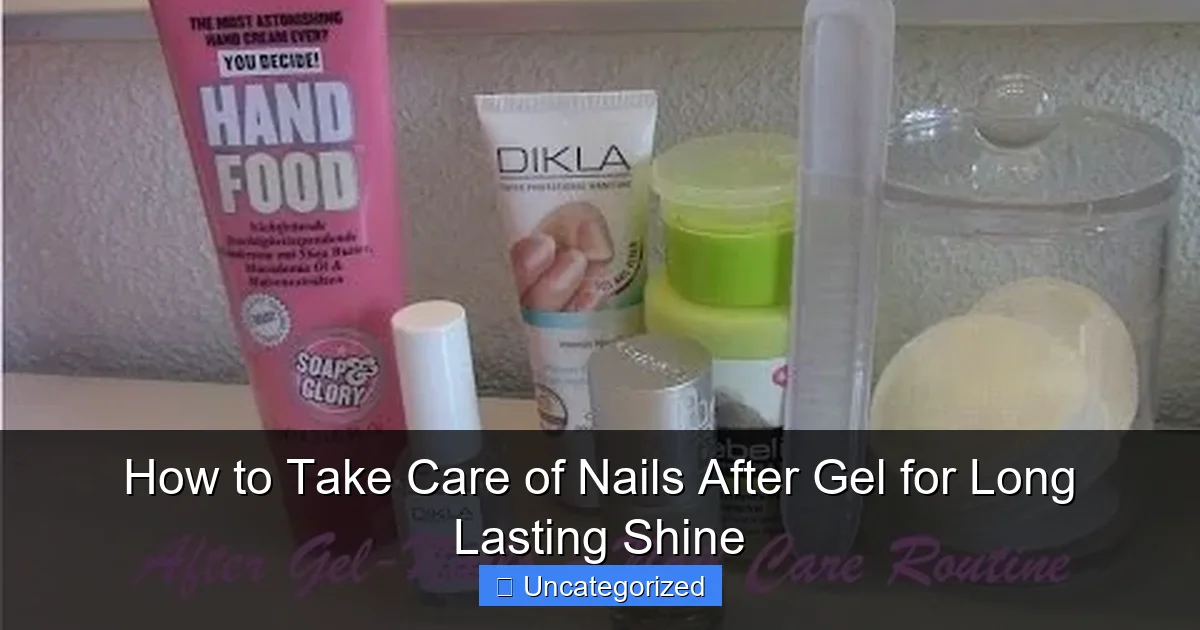
Featured image for how to take care of nails after gel
Image source: i.ytimg.com
Moisturize daily with cuticle oil and hand cream to prevent brittleness and maintain shine after gel removal. Avoid harsh chemicals and wear gloves during chores to protect your nails from damage and prolong their healthy, glossy appearance.
Key Takeaways
- Moisturize daily: Apply cuticle oil to keep nails hydrated and prevent brittleness.
- Avoid harsh chemicals: Wear gloves when cleaning to protect gel shine and integrity.
- Buff gently: Use a soft buffer to maintain shine without damaging the gel layer.
- <>Stay hydrated: Drink water to support natural nail health and gel longevity.
- Limit water exposure: Reduce soaking to prevent lifting and peeling of gel polish.
- Refrain from picking: Never peel gel off—it weakens nails; opt for professional removal.
📑 Table of Contents
- How to Take Care of Nails After Gel for Long Lasting Shine
- 1. Moisturize Daily to Prevent Dryness and Lifting
- 2. Protect Your Nails from Physical Damage
- 3. Maintain a Consistent Nail Care Routine
- 4. Know When and How to Remove Gel Properly
- 5. Support Nail Health from the Inside Out
- 6. When to Visit a Professional and Avoid DIY Risks
- Data Table: Recommended Products for Post-Gel Care
How to Take Care of Nails After Gel for Long Lasting Shine
There’s nothing quite like the satisfaction of stepping out of the nail salon with a fresh gel manicure—glossy, chip-free, and perfectly polished. The high-shine finish and durability of gel nails make them a favorite among beauty enthusiasts, but their longevity and appearance depend heavily on how you care for them after application. While gel manicures can last up to two to three weeks without chipping, improper aftercare can lead to premature lifting, dullness, peeling, or even nail damage. The truth is, the work doesn’t end when you walk out of the salon. In fact, that’s when the real maintenance begins.
Taking care of your nails after a gel treatment is about more than just aesthetics—it’s about preserving the health of your natural nails, preventing infections, and extending the life of your manicure. Whether you’re a gel newbie or a seasoned pro, understanding the right post-gel care routine can make the difference between a manicure that lasts 10 days and one that shines for a full 21. From hydration to protection, from cuticle care to proper removal, every step plays a role. This guide will walk you through everything you need to know to keep your gel nails looking salon-fresh, strong, and radiant for as long as possible. Let’s dive into the essential practices and expert tips that will help you achieve long-lasting shine and healthy nails.
1. Moisturize Daily to Prevent Dryness and Lifting
One of the most common reasons gel manicures fail prematurely is dryness. Gel polish forms a hard, impermeable layer over the nail, which blocks moisture from reaching the natural nail plate and surrounding skin. Without proper hydration, the nail and cuticle become brittle, leading to lifting, peeling, and even fungal infections over time. Moisturizing is not a luxury—it’s a necessity.
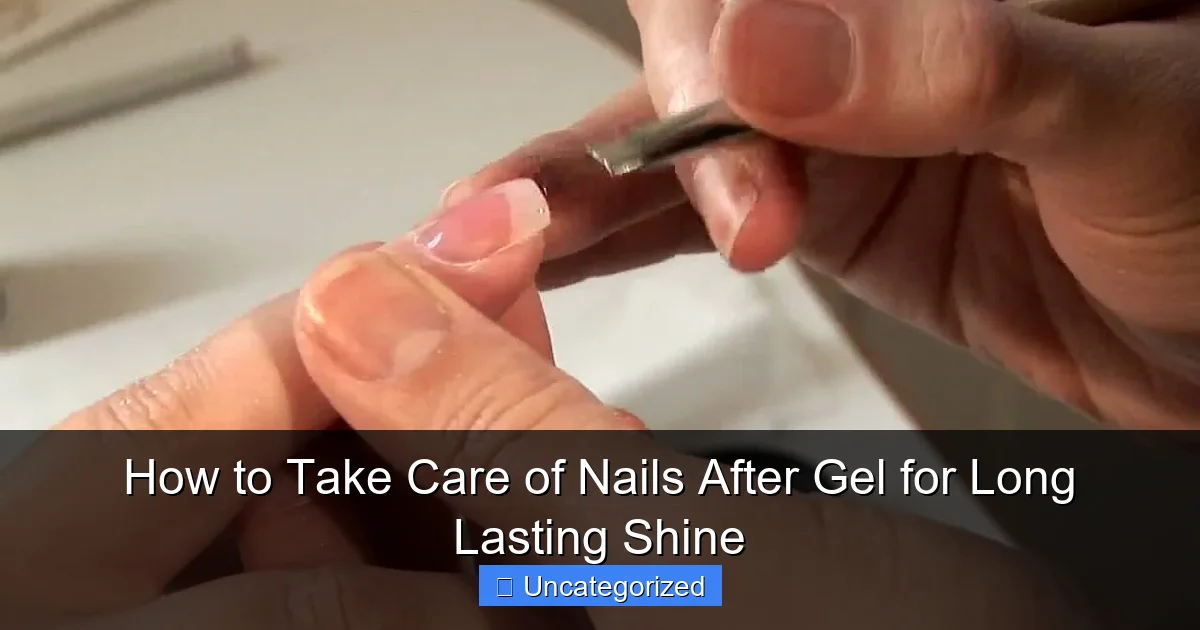
Visual guide about how to take care of nails after gel
Image source: i.ytimg.com
Hydrate Your Cuticles and Nail Edges
The cuticles and the free edge of the nail are particularly vulnerable after a gel treatment. Use a nourishing cuticle oil at least twice a day—morning and night is ideal. Look for oils rich in natural ingredients like jojoba oil, vitamin E, argan oil, and sunflower oil. These penetrate deeply, soften the cuticles, and prevent the gel from lifting at the base. Apply a few drops to each cuticle and gently massage in circular motions. This not only hydrates but also improves blood circulation, promoting healthier nail growth.
Example: Try using a cuticle oil pen (like the Essie Apricot Cuticle Oil or CND SolarOil) for convenience and precision. Keep one in your purse or desk drawer for on-the-go touch-ups.
Use a Rich Hand Cream
While cuticle oil targets the nail bed, a high-quality hand cream hydrates the entire hand and surrounding skin. Choose a non-greasy formula with shea butter, glycerin, or hyaluronic acid. Apply it after washing your hands, especially in the morning and before bed. Avoid silicone-based lotions, as they can create a barrier that prevents deeper hydration.
Pro Tip: For an intensive treatment, apply a thick layer of hand cream at night and wear cotton gloves. This “overnight mask” locks in moisture and works wonders for dry, cracked skin.
Avoid Harsh Soaps and Sanitizers
Frequent handwashing and alcohol-based sanitizers strip natural oils, accelerating dryness. Whenever possible, use mild, moisturizing soaps (like Cetaphil or Dove Sensitive Skin). After sanitizing, reapply hand cream to restore lost moisture. This simple habit can extend your gel manicure’s life by several days.
2. Protect Your Nails from Physical Damage
Gel nails may be durable, but they’re not indestructible. Everyday activities like typing, opening cans, using keys, or even picking at stickers can cause chips, cracks, or lifting. Protecting your nails from physical stress is crucial for maintaining their integrity and shine.
Wear Gloves for Chores
Household cleaning, dishwashing, gardening, and even doing laundry expose your nails to harsh chemicals, water, and friction. Always wear rubber or nitrile gloves when performing these tasks. Water is a major culprit in gel lifting—prolonged exposure softens the natural nail, causing the gel to separate from the nail plate. Gloves create a waterproof barrier, keeping your nails dry and secure.
Example: Keep a pair of reusable, snug-fitting gloves in the kitchen, bathroom, and garage so you never forget to wear them. Brands like Playtex Living Gloves or OXO Good Grips offer comfortable, durable options.
Use Tools Instead of Nails
Your nails are not tools. Avoid using them to open packages, scrape off labels, or pry open lids. Instead, keep a small tool kit handy: a letter opener, a butter knife, or a dedicated nail tool (like a cuticle pusher). This prevents micro-trauma that can lead to chipping or lifting, especially near the free edge.
Be Mindful of Nail Length and Shape
Longer gel nails are more prone to snagging and breakage. If you’re prone to accidents, opt for a shorter length or a rounded/square shape, which distributes pressure more evenly. Avoid overly sharp or pointed shapes (like stiletto or coffin) unless you’re careful with your hands. Regularly file your nails with a fine-grit file (180-240 grit) to maintain shape and prevent snags.
3. Maintain a Consistent Nail Care Routine
Consistency is the secret to long-lasting gel manicures. A well-structured routine ensures that your nails stay hydrated, protected, and polished—literally. Think of it as a mini self-care ritual that pays off in both appearance and nail health.
Daily Maintenance Checklist
- Morning: Apply cuticle oil and hand cream after washing hands.
- After Handwashing: Reapply hand cream, especially after using sanitizer.
- Evening: Massage cuticle oil, followed by a rich hand cream. Consider wearing cotton gloves for deep hydration.
- Once a Week: Gently push back cuticles with a wooden stick or rubber pusher. Never cut them—this increases infection risk.
Weekly Nail Inspection
Set aside 10 minutes each week to inspect your nails. Look for:
- Lifting at the cuticle or sides
- Chipping or cracks
- Dullness or loss of shine
- Discoloration or white spots (signs of fungal infection or trauma)
If you notice minor lifting, apply a small amount of nail glue or clear gel polish to seal the edge. Buff the surface lightly with a buffer block to restore shine if the topcoat has dulled.
Use a Top Coat for Added Protection
Even with gel polish, the top layer can wear down from friction, UV exposure, and daily use. Every 3–5 days, apply a gel-compatible top coat to refresh shine and add a protective layer. Choose a high-gloss formula with UV inhibitors to prevent yellowing. Cure it under a UV/LED lamp for 30–60 seconds to ensure proper adhesion.
4. Know When and How to Remove Gel Properly
Removing gel nails the wrong way is one of the biggest causes of nail damage. Peeling, prying, or scraping off gel weakens the natural nail, leading to thinning, peeling, and brittleness. Proper removal is essential for maintaining nail health and preparing your nails for future treatments.
Never Peel or Pick Off Gel
Peeling off gel may seem convenient, but it removes layers of your natural nail along with it. This leads to a weak, uneven nail surface that’s more prone to splitting and infection. Even if you’re in a rush, resist the urge. Peeling also increases the risk of bacterial or fungal infections under the lifted area.
Use the Soak-Off Method
The safest way to remove gel is the acetone soak-off method:
- File the top layer of gel with a 180-grit buffer to break the seal.
- Soak cotton pads in 100% acetone (not nail polish remover with acetone).
- Place a soaked pad on each nail and wrap with aluminum foil.
- Wait 10–15 minutes (longer for thicker gel or builder gel).
- Gently push off the softened gel with a wooden stick. Never force it.
- Buff any residue with a fine buffer and wash hands thoroughly.
Tip: Add a few drops of oil to the acetone to reduce drying effects. Brands like CND Offly Fast or Red Carpet Manicure Soak-Off Gel Remover are formulated to be gentler.
Give Your Nails a Break
After removal, let your nails breathe for at least 1–2 weeks before applying another gel manicure. Use this time to focus on nail health:
- Apply a strengthening treatment (like OPI Nail Envy or Nails Inc. Repair Mode).
- Use a nail hardener or ridge filler to repair damage.
- Continue moisturizing and avoid harsh chemicals.
This “nail holiday” helps restore moisture, strength, and natural luster.
5. Support Nail Health from the Inside Out
Healthy nails start from within. While external care is vital, your diet and lifestyle play a significant role in nail strength, growth, and resilience. Nutrient deficiencies can lead to brittle, peeling, or slow-growing nails—even with perfect aftercare.
Eat a Nail-Friendly Diet
Focus on foods rich in:
- Protein: Nails are made of keratin, a type of protein. Include eggs, lean meats, beans, and Greek yogurt.
- Biotin (Vitamin B7): Found in eggs, nuts, sweet potatoes, and salmon. Biotin supplements (2.5–5 mg daily) can improve nail thickness and reduce splitting.
- Omega-3 Fatty Acids: Found in fatty fish, flaxseeds, and walnuts. They support nail hydration and reduce inflammation.
- Vitamins A, C, D, and E: Promote collagen production and protect against oxidative damage. Eat leafy greens, citrus, carrots, and almonds.
- Iron and Zinc: Deficiencies can cause brittle nails or white spots. Include spinach, lentils, and shellfish.
Pro Tip: Drink plenty of water—dehydration leads to dry, weak nails.
Consider Nail Supplements
If your diet lacks essential nutrients, consider a high-quality nail supplement. Look for formulas with biotin, collagen, silica, and vitamins B, C, and E. Brands like Hum Nutrition, Nature’s Bounty, and Solgar offer well-reviewed options. Take them consistently for at least 3–6 months to see visible improvements.
Manage Stress and Sleep
Chronic stress and poor sleep can disrupt nail growth and lead to ridges or brittleness. Practice stress management techniques (like meditation, yoga, or deep breathing) and aim for 7–8 hours of sleep per night. A balanced lifestyle supports overall nail health.
6. When to Visit a Professional and Avoid DIY Risks
While home care is essential, there are times when professional intervention is necessary. Knowing when to seek help can prevent long-term damage and ensure your nails stay healthy and beautiful.
Signs You Need a Nail Technician
Visit a licensed nail technician if you experience:
- Significant lifting or peeling that you can’t manage at home
- Signs of infection (redness, swelling, pain, pus)
- Persistent nail discoloration or thickening
- Brittle or peeling natural nails after removal
- Allergic reactions (itching, rash) from gel or removers
Professionals have the tools and expertise to safely remove gel, treat infections, and recommend personalized care.
Avoid DIY Hacks That Can Harm Nails
Skip these common but damaging trends:
- Using household glue or nail glue to reattach lifted gel: These can trap bacteria and damage the nail bed.
- Soaking in vinegar or lemon juice to remove gel: These are ineffective and can dry out nails.
- Using a drill or electric file at home: Improper use can overheat and thin the nail.
- Applying gel without proper curing: Incomplete curing leads to weak adhesion and premature chipping.
Stick to proven, safe methods and products designed for gel nails.
Choose a Reputable Salon
Not all gel manicures are created equal. Choose a salon with:
- Licensed, experienced technicians
- Clean, sanitized tools and workstations
- High-quality, reputable gel brands (like OPI, CND, or DND)
- Proper ventilation to reduce fume exposure
A professional application reduces the risk of lifting and ensures even curing, setting the stage for long-lasting results.
Data Table: Recommended Products for Post-Gel Care
| Product Type | Recommended Brands | Key Ingredients | Best For |
|---|---|---|---|
| Cuticle Oil | CND SolarOil, Essie Apricot Oil, ORLY Cuticle Care Oil | Jojoba oil, vitamin E, apricot kernel oil | Daily hydration, preventing lifting |
| Hand Cream | CeraVe Moisturizing Cream, Eucerin Advanced Repair, Aveeno Skin Relief | Shea butter, ceramides, glycerin | Deep hydration, repairing dry skin |
| Gel Top Coat | OPI GelColor Top Coat, CND Shellac Top Coat, DND DC Top Coat | UV inhibitors, high-gloss polymers | Restoring shine, sealing edges |
| Acetone Remover | Zoya Remove+, Red Carpet Manicure Soak-Off, CND Offly Fast | 100% acetone, added oils | Gentle, effective gel removal |
| Nail Strengthener | OPI Nail Envy, Nails Inc. Repair Mode, Essie Strong Start | Calcium, silk proteins, keratin | Repairing damage, preventing peeling |
| Nail Supplement | Hum Nutrition Nail Strong, Nature’s Bounty Hair, Skin & Nails | Biotin, collagen, zinc, vitamins B, C, E | Supporting growth and strength from within |
Taking care of your nails after a gel manicure is a holistic process that combines daily hydration, physical protection, proper removal, and internal nourishment. It’s not just about keeping your polish shiny—it’s about preserving the health and integrity of your natural nails. By following the steps outlined in this guide, you can enjoy a gel manicure that lasts longer, looks better, and doesn’t compromise your nail health.
Remember, consistency is key. A few minutes of care each day—massaging cuticle oil, wearing gloves, applying hand cream, and inspecting your nails—can make a dramatic difference. When it’s time to remove the gel, do it the right way to avoid damage. And don’t forget to fuel your nails from the inside with a balanced diet and quality supplements.
With the right aftercare, your gel manicure won’t just last two weeks—it can last three, four, or even longer with minimal touch-ups. More importantly, your natural nails will remain strong, flexible, and ready for your next salon visit. So go ahead, enjoy that flawless shine, but don’t forget to treat your nails with the care they deserve. After all, long-lasting beauty starts with long-term health.
Frequently Asked Questions
How can I make my gel nails last longer?
To make your gel nails last longer, avoid prolonged water exposure and wear gloves during chores. Moisturize your cuticles daily with cuticle oil to maintain flexibility and prevent lifting, which is key for how to take care of nails after gel.
Why do my gel nails lift or peel after a few days?
Lifting or peeling often occurs due to improper nail prep, oily nail beds, or excessive moisture. Ensure your nails are dehydrated and clean before application, and avoid picking or biting to maintain adhesion.
Can I use regular nail polish over gel nails?
Yes, but apply a thin layer of regular polish to prevent chipping and avoid acetone-based removers. This helps preserve the gel base while switching colors, especially during how to take care of nails after gel routines.
How often should I moisturize my nails after gel removal?
Moisturize your nails and cuticles at least twice daily with cuticle oil or a rich hand cream. This restores hydration stripped during gel removal and strengthens natural nails over time.
Is it safe to remove gel nails at home?
Yes, but only if done correctly: soak cotton in acetone, wrap in foil for 10-15 minutes, and gently push off the gel. Avoid peeling or scraping to prevent nail damage.
What’s the best way to repair weak nails after gel polish?
Use a strengthening nail treatment with keratin or biotin and limit polish use for 1-2 weeks. Keep nails short and hydrated to promote recovery after gel removal.