
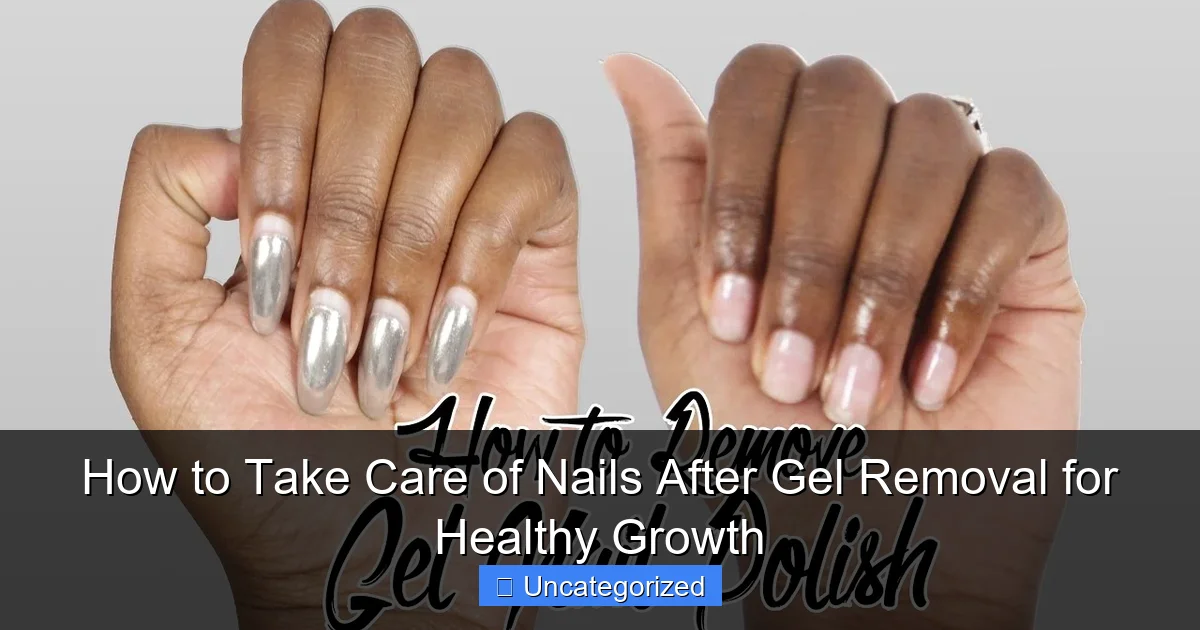
Featured image for how to take care of nails after gel removal
Image source: i.ytimg.com
Moisturize and nourish your nails immediately after gel removal to prevent dryness and brittleness, using cuticle oil and a rich hand cream daily. Avoid harsh chemicals and excessive filing to protect the nail bed and support strong, healthy regrowth. Consistency in care is key—gentle handling and hydration accelerate recovery and promote long-term nail strength.
Key Takeaways
- Moisturize daily: Apply cuticle oil and hand cream to prevent dryness and brittleness.
- Buff gently: Smooth nail surfaces with a soft buffer to restore shine without damage.
- Hydrate from within: Drink water and eat protein-rich foods for stronger nail growth.
- Avoid harsh chemicals: Wear gloves when cleaning to protect nails from irritants.
- Take a break: Skip gels for 1-2 weeks to let nails recover and breathe.
- File properly: Use a fine-grit file and avoid sawing to prevent splitting.
📑 Table of Contents
- Understanding the Impact of Gel Nail Removal on Nail Health
- Immediate Post-Removal Care: The First 72 Hours
- Long-Term Nail Strengthening and Repair Strategies
- Daily Habits to Protect and Strengthen Nails
- Environmental and Lifestyle Factors Affecting Nail Recovery
- When to Seek Professional Help and Preventive Measures
- Conclusion: Building a Sustainable Nail Care Routine
Understanding the Impact of Gel Nail Removal on Nail Health
Removing gel nail polish is a common beauty ritual, but it often comes with an unseen cost: the weakening and damage of natural nails. While gel manicures provide a long-lasting, glossy finish, the removal process—whether done through soaking in acetone, filing, or peeling—can compromise the integrity of the nail plate. The adhesive nature of gel polish, combined with the chemical stripping action of acetone or mechanical abrasion, can strip away layers of keratin, dehydrate the nail, and leave it brittle, thin, or even prone to peeling. This is why how to take care of nails after gel removal is not just a cosmetic concern but a critical step in maintaining nail health and promoting long-term growth.
Many people assume that once the gel is off, their nails are “free,” but the truth is that they are in a vulnerable state. The nail matrix (the tissue under the cuticle responsible for nail growth) can be temporarily disrupted, and the nail bed may be exposed to environmental stressors without its protective coating. According to dermatologists, it can take anywhere from 3 to 6 months for nails to fully recover from the effects of gel manicures, especially if they were worn continuously over long periods. Therefore, a structured, nourishing aftercare routine is essential. This guide will walk you through proven strategies to restore strength, moisture, and resilience to your nails, ensuring they grow back healthier, stronger, and more beautiful than before.
Immediate Post-Removal Care: The First 72 Hours
The first three days after gel removal are the most critical for setting the foundation for recovery. During this window, your nails are at their most sensitive, and the actions you take can either accelerate healing or worsen damage. The goal is to soothe, hydrate, and protect the nail structure while avoiding further trauma.
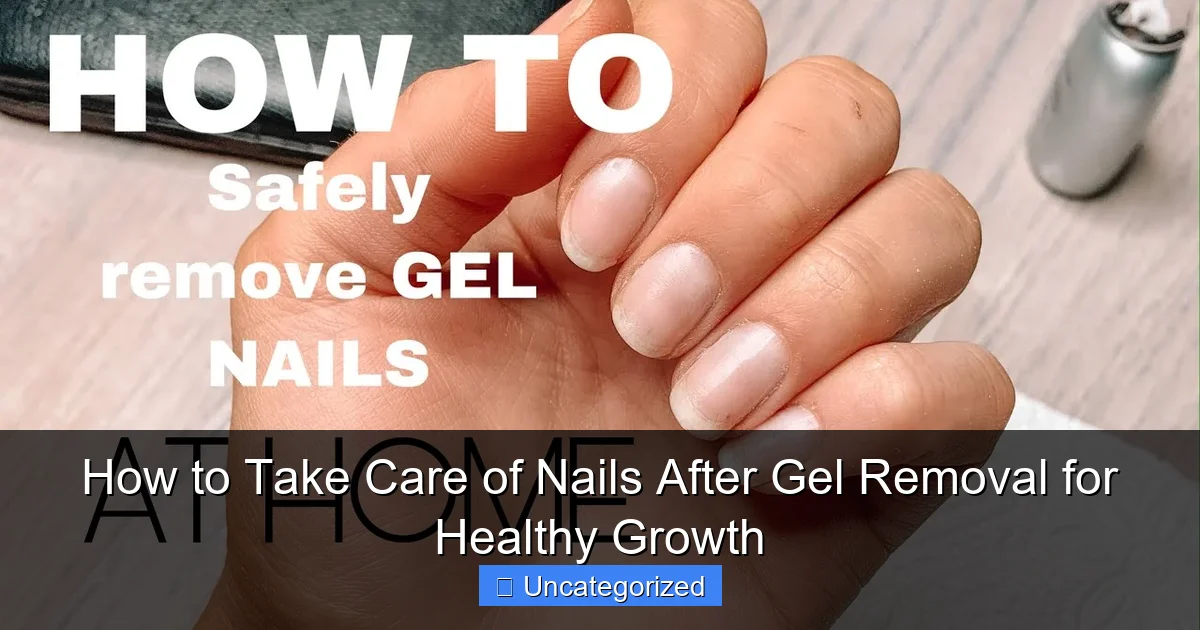
Visual guide about how to take care of nails after gel removal
Image source: i.ytimg.com
Avoid Further Chemical Exposure
After removing gel polish—especially if you used acetone—your nails are already chemically stressed. Avoid using harsh nail products, including regular nail polish removers (even non-acetone versions can be drying), nail hardeners with formaldehyde, or any product containing alcohol. These ingredients can further dehydrate the nail plate and delay recovery. Instead, give your nails a 7-10 day break from all nail products. This “naked nail” period allows the natural oils and moisture balance to begin restoring themselves.
Pro Tip: If you must apply color for a special occasion, opt for a water-based nail polish that’s free from formaldehyde, toluene, and DBP (dibutyl phthalate). These are gentler on recovering nails and can be removed without acetone.
Hydrate with Cuticle and Nail Oils
One of the most effective ways to care for nails after gel removal is to apply cuticle oil multiple times a day. Look for oils rich in nourishing ingredients such as:
- Jojoba oil (mimics the skin’s natural sebum)
- Sweet almond oil (rich in vitamin E and fatty acids)
- Argan oil (high in antioxidants)
- Hemp seed oil (contains essential fatty acids)
Apply 2–3 drops per nail, gently massaging the oil into the cuticle, nail folds, and the nail plate. This not only hydrates the nail but also stimulates blood flow to the nail matrix, promoting faster growth. A study published in the Journal of Cosmetic Dermatology found that regular cuticle oil application increased nail flexibility by up to 25% over eight weeks.
Example Routine: Apply cuticle oil in the morning after brushing your teeth, midday after washing hands, and before bed. Use a glass dropper bottle to avoid contamination.
Use a Nail Strengthening Base Coat (Optional)
While it’s best to let nails breathe, some dermatologists recommend a pearl or protein-enriched base coat if nails are severely weakened. These base coats contain ingredients like keratin, calcium, or silk proteins that temporarily fill in microscopic cracks and add surface strength. However, use them sparingly—only 1–2 times per week—and avoid brands with formaldehyde, which can cause brittleness with prolonged use.
Long-Term Nail Strengthening and Repair Strategies
While the first few days are about immediate recovery, long-term care focuses on rebuilding the nail structure and preventing future damage. This phase can last anywhere from one to three months, depending on the extent of the damage and individual nail growth rates (average: 3 mm per month).
Incorporate Nail-Specific Supplements
Nutrition plays a vital role in nail health. Deficiencies in biotin, iron, zinc, vitamin B12, and essential fatty acids are commonly linked to brittle, slow-growing nails. After gel removal, consider supplementing with:
- Biotin (2.5–5 mg daily): A B-vitamin that supports keratin infrastructure. A 2020 clinical trial showed that 91% of participants who took 2.5 mg of biotin daily for six months experienced improved nail thickness and reduced splitting.
- Collagen peptides (10–15 g daily): Hydrolyzed collagen provides amino acids essential for keratin and connective tissue repair. Look for marine or bovine collagen with added vitamin C to enhance absorption.
- Omega-3 fatty acids (1,000–2,000 mg daily): Found in fish oil or flaxseed oil, these reduce inflammation and support nail hydration.
Tip: Pair supplements with a diet rich in lean proteins, leafy greens, nuts, and seeds to maximize results. Avoid high-dose supplements without consulting a healthcare provider, especially if you have underlying conditions.
Use a Nail Hardener (With Caution)
Not all nail hardeners are created equal. Many traditional formulas contain formaldehyde, which can temporarily harden nails by cross-linking keratin—but this effect is superficial and can lead to brittleness and peeling over time. Instead, opt for formaldehyde-free strengtheners that use:
- Calcium and vitamin E
- Acrylic polymers (for temporary surface reinforcement)
- Peptides and amino acids
Apply a thin layer every other day for 2–3 weeks, then reduce to once or twice a week. Monitor your nails closely: if they become too stiff and start cracking, discontinue use.
Exfoliate and Replenish with a Nail Mask or Soak
Just like your skin, nails benefit from occasional exfoliation and deep conditioning. A weekly DIY nail soak can help remove dead skin cells, improve moisture retention, and stimulate circulation.
Recipe: Mix 1/4 cup warm water, 2 tablespoons olive oil, 1 tablespoon honey (natural humectant), and 5 drops of tea tree oil (antifungal). Soak nails for 10–15 minutes, then gently push back cuticles with a wooden stick. Rinse and apply cuticle oil.
For a more intensive treatment, try a nail mask containing shea butter, ceramides, or panthenol. Apply at night and wear cotton gloves to enhance absorption.
Daily Habits to Protect and Strengthen Nails
Recovery isn’t just about products—it’s about lifestyle. Daily habits can make or break your nail health, especially after gel removal when nails are more susceptible to damage.
Wear Gloves for Wet Work
Water is one of the biggest enemies of recovering nails. Prolonged exposure to water (e.g., washing dishes, showering, handwashing) causes the nail plate to absorb water, swell, and then shrink as it dries. This cycle weakens the nail structure and can lead to peeling or splitting. Always wear nitrile or cotton-lined gloves when:
- Doing dishes
- Cleaning with chemicals
- Gardening
- Washing pets
Pro Tip: Keep a pair of gloves by the kitchen sink and bathroom to make it a habit. For showers, use waterproof gloves or apply a thick layer of petroleum jelly to nails and cover with cotton gloves.
Keep Nails Short and Neat
After gel removal, it’s best to keep your nails short—around 1–2 mm beyond the fingertip. Short nails are less likely to snag, break, or catch on fabrics, which can cause micro-tears. Use a glass nail file to shape them, as metal files can create micro-splits. File in one direction only (from side to center) to avoid weakening the edges.
Moisturize Hands and Nails Frequently
Your nails are part of your skin’s barrier system. Use a hand cream with ceramides, hyaluronic acid, or shea butter at least three times a day. Apply after every hand wash, and especially before bed. Look for creams labeled “non-greasy” if you dislike residue.
Example: A cream with 5% urea helps exfoliate and hydrate thickened or rough cuticles, while glycerin draws moisture into the nail plate.
Environmental and Lifestyle Factors Affecting Nail Recovery
Beyond direct nail care, external and internal factors influence how well your nails recover. Understanding these can help you make informed choices to support healing.
Climate and Humidity
Dry, cold climates (like winter or air-conditioned environments) can dehydrate nails, making them more brittle. In contrast, high humidity can cause excessive moisture absorption. To balance this:
- Use a humidifier indoors during winter.
- Apply cuticle oil more frequently in dry weather.
- Wear gloves in cold outdoor air to prevent thermal shock to nails.
In humid environments, avoid over-moisturizing and ensure nails dry completely after washing.
Hydration and Diet
Dehydration affects nail flexibility. Aim for at least 2 liters of water daily. Signs of dehydration include dull, ridged, or brittle nails. Pair hydration with a diet rich in:
- Protein (eggs, chicken, tofu)
- Iron (spinach, lentils, red meat)
- Zinc (pumpkin seeds, cashews, oysters)
- Vitamin C (citrus, bell peppers, strawberries) to aid collagen synthesis
Stress and Sleep
Chronic stress and poor sleep can slow nail growth and increase brittleness. The body prioritizes vital functions over cosmetic ones during stress. Aim for 7–9 hours of quality sleep and practice stress-reduction techniques like meditation, yoga, or deep breathing. A 2019 study linked high cortisol levels to delayed nail matrix activity.
When to Seek Professional Help and Preventive Measures
While most post-gel nail issues resolve with proper care, some signs indicate a need for medical attention. Additionally, preventive strategies can help you avoid future damage.
Warning Signs to Watch For
Consult a dermatologist or healthcare provider if you experience:
- Persistent pain or swelling around the nail
- Yellow, green, or black discoloration (possible fungal infection)
- Severe lifting of the nail plate (onycholysis)
- Pitting or deep ridges that don’t improve with care
These may indicate underlying conditions like fungal infections, psoriasis, or nutritional deficiencies that require targeted treatment.
Safe Gel Removal Practices to Prevent Future Damage
When you’re ready to reapply gel polish, follow these steps to minimize harm:
- Never peel or pick off gel polish—this removes layers of natural nail.
- Soak off gel with acetone and cotton pads wrapped in foil for 10–15 minutes. Do not force removal.
- Use a buffing block gently only if a thin residue remains—avoid aggressive filing.
- Apply a hydrating base coat before reapplying gel to protect the nail.
- Limit gel manicures to once every 4–6 weeks to allow recovery time.
Table: Recommended Products for Post-Gel Nail Care
| Product Type | Recommended Brands/Ingredients | Frequency | Key Benefits |
|---|---|---|---|
| Cuticle Oil | CND SolarOil, Olive & Jojoba Oil blend | 3–5 times daily | Hydrates, reduces peeling, stimulates growth |
| Nail Strengthener | Essie Strong Start, Orly Bonder | Every other day (2 weeks), then weekly | Fills cracks, adds flexibility |
| Hand Cream | O’Keeffe’s Working Hands, CeraVe Moisturizing Cream | 3–4 times daily | Repairs skin barrier, prevents dryness |
| Nail Supplement | Nature Made Biotin 5000 mcg, Vital Proteins Collagen | Daily | Supports keratin production, improves thickness |
| Nail Soak | DIY: Olive oil + honey + tea tree oil | Once weekly | Exfoliates, hydrates, antifungal |
Conclusion: Building a Sustainable Nail Care Routine
Taking care of your nails after gel removal is not a one-time fix but a holistic, long-term commitment to nail health. From the immediate hydration and protection in the first 72 hours to the nutritional support, lifestyle adjustments, and preventive habits, every step contributes to stronger, more resilient nails. Remember, healthy nail growth is a slow process—typically 3 to 6 months for full recovery—but with consistency, you’ll see visible improvements in texture, strength, and growth rate.
By integrating cuticle oil, protective gloves, targeted supplements, and gentle removal techniques into your routine, you not only heal past damage but also build a foundation that resists future harm. Think of your nails as living tissues that need nourishment, rest, and protection—just like your skin and hair. The key to how to take care of nails after gel removal lies in patience, awareness, and a proactive approach. With the right care, your nails won’t just recover—they’ll thrive, becoming a natural extension of your beauty and wellness journey.
Frequently Asked Questions
How can I restore strength to my nails after gel removal?
After gel removal, nails often feel weak or brittle. Use a nourishing nail oil or strengthener containing biotin and vitamin E daily to restore moisture and promote resilience.
Why do my nails peel after removing gel polish?
Peeling is common due to dehydration and damage from acetone or improper removal. To prevent further peeling, avoid picking at layers and apply a hydrating cuticle cream to support recovery.
How long should I wait before applying new polish after gel removal?
Give nails at least 1-2 weeks to recover before reapplying polish. This break allows natural oils to replenish and minimizes the risk of fungal infections or further damage.
What’s the best way to moisturize nails after gel removal?
Massage cuticle oil or a thick hand cream into nails and surrounding skin twice daily. For deep hydration, wear cotton gloves overnight after applying a heavy moisturizer to lock in nutrients.
Can I use nail hardeners to take care of nails after gel removal?
Yes, but choose a gentle, formaldehyde-free formula to avoid excessive dryness. Use it sparingly (1-2 times a week) alongside regular oil treatments for balanced care.
How to take care of nails after gel removal to encourage healthy growth?
Trim nails regularly, file gently in one direction, and maintain a protein-rich diet with omega-3s. Avoid harsh chemicals and use a ridge-filling base coat to protect recovering nails.