
Featured image for how to take care of nails and cuticles
Image source: i.pinimg.com
Keep nails and cuticles hydrated and protected to promote strong, healthy growth—moisturize daily with a nourishing oil or cream and avoid harsh chemicals that cause dryness and cracking. Trim cuticles gently and never cut them aggressively, as this can lead to infection and hinder nail development; instead, push them back after a shower when they’re soft. Consistent care, a balanced diet, and wearing gloves during chores make a dramatic difference in nail resilience and appearance.
Key Takeaways
- Moisturize daily: Apply cuticle oil or cream to prevent dryness and cracking.
- Trim carefully: Use clean tools to avoid infections and uneven edges.
- Protect nails: Wear gloves during chores to shield from harsh chemicals.
- Hydrate nails: Drink water to maintain nail flexibility and strength.
- File gently: Use one-way strokes to prevent splitting and damage.
- Limit polish: Take breaks to let nails breathe and avoid discoloration.
📑 Table of Contents
- Understanding Your Nails and Cuticles: The Foundation of Healthy Growth
- 1. Daily Hygiene and Gentle Cleansing Practices
- 2. Proper Cuticle Care: To Cut or Not to Cut?
- 3. Nutrition and Supplements for Stronger Nails
- 4. Protecting Nails from Damage and Environmental Stressors
- 5. Professional and At-Home Treatments for Enhanced Care
- 6. Building a Sustainable Nail Care Routine
Understanding Your Nails and Cuticles: The Foundation of Healthy Growth
Your nails and cuticles are more than just aesthetic features—they’re indicators of your overall health. The nails, composed of keratin, act as protective shields for the sensitive tips of your fingers and toes, while the cuticles serve as a vital barrier against bacteria, fungi, and other pathogens. Healthy nails and cuticles not only look polished but also reflect a well-nourished body. However, neglect, improper care, or underlying health conditions can lead to brittle nails, hangnails, infections, or slow growth. Whether you’re a nail art enthusiast, a professional who relies on hand dexterity, or simply someone who wants to maintain strong, beautiful nails, understanding how to care for your nails and cuticles is essential.
Taking care of your nails and cuticles isn’t just about applying fancy products—it’s a holistic routine that combines hygiene, nutrition, protection, and consistent maintenance. From the foods you eat to the way you handle your hands in daily tasks, every decision impacts the health of your nails. In this guide, we’ll walk you through a comprehensive approach to nail and cuticle care, offering practical tips, science-backed advice, and real-world examples to help you achieve stronger, healthier nails. Whether you’re dealing with peeling, splitting, or just want to enhance your natural nail growth, this guide will equip you with the knowledge and tools you need to succeed.
1. Daily Hygiene and Gentle Cleansing Practices
Why Daily Hygiene Matters
Daily hygiene is the cornerstone of nail and cuticle care. Our hands come into contact with countless surfaces—doorknobs, keyboards, grocery carts—each carrying bacteria, dirt, and oils that can compromise the integrity of your nails and cuticles. Without proper cleansing, these contaminants can lead to infections, discoloration, or even nail separation (onycholysis). Additionally, excess moisture or prolonged exposure to water (like frequent dishwashing) can weaken the nail plate and soften the cuticle, making it more susceptible to damage.
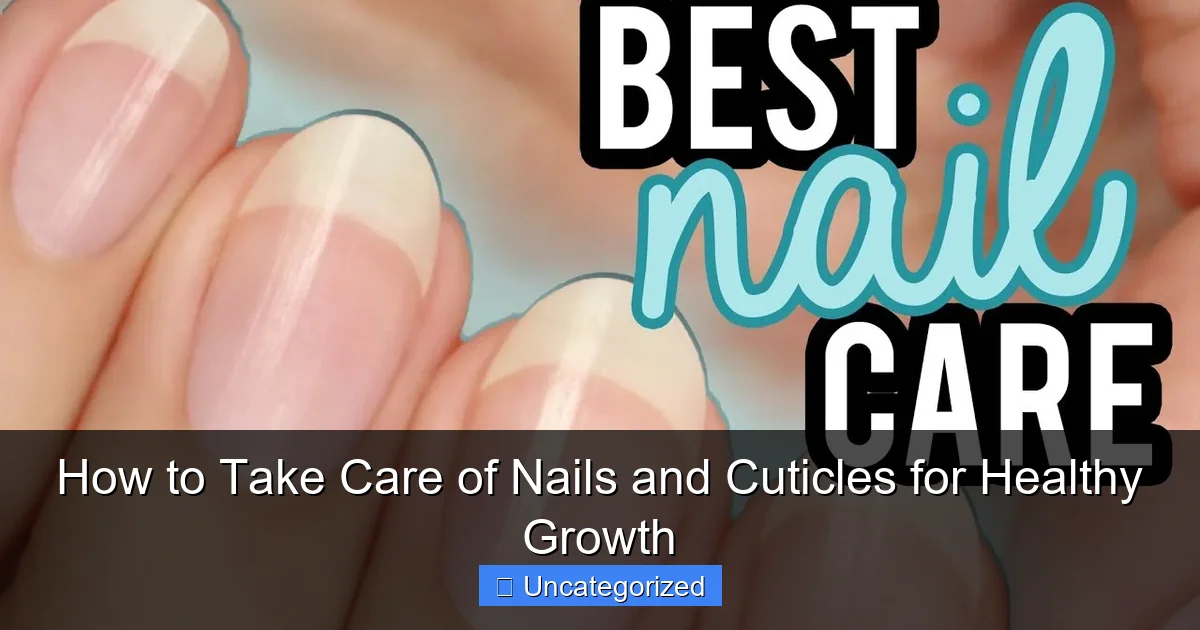
Visual guide about how to take care of nails and cuticles
Image source: i.ytimg.com
To maintain cleanliness, wash your hands with a mild, moisturizing soap at least twice a day. Avoid harsh antibacterial soaps that strip natural oils. Instead, opt for gentle, pH-balanced formulas that clean without drying. After washing, always pat your hands and nails dry with a soft towel—rubbing can cause micro-tears in the cuticle and nail bed. For those who frequently use hand sanitizer, be mindful of its drying effects; follow up with a hydrating hand cream to counteract the alcohol’s impact.
Proper Nail Washing Techniques
- Use Lukewarm Water: Hot water can dry out nails and cuticles, while cold water may not effectively remove oils. Aim for lukewarm water to balance cleansing and moisture retention.
- Gentle Scrubbing: Use a soft nail brush (preferably with natural bristles) to clean under the nails and around the cuticles. Scrub in circular motions for 20-30 seconds per hand. Avoid metal scrapers, which can damage the nail bed.
- Focus on the Cuticle Area: Gently push back the cuticles with a soft towel or a wooden cuticle stick after washing, when they’re slightly softened. Never cut them immediately after washing, as wet cuticles are more prone to tearing.
- Disinfect Tools: Clean your nail brush weekly with antibacterial soap and let it air dry to prevent bacterial buildup.
Post-Cleansing Moisturizing Routine
Moisturizing is non-negotiable after cleansing. Apply a rich hand cream or cuticle oil immediately after drying your hands. Look for products containing hyaluronic acid, ceramides, or glycerin—ingredients that lock in moisture. For an extra boost, massage a few drops of jojoba or sweet almond oil directly into the cuticles. This not only hydrates but also improves blood circulation, promoting healthier nail growth. Example: A 2020 study in the Journal of Cosmetic Dermatology found that participants who applied cuticle oil twice daily for 12 weeks experienced a 30% improvement in cuticle elasticity and reduced hangnail frequency.
2. Proper Cuticle Care: To Cut or Not to Cut?
The Science Behind Cuticles
Cuticles are the thin layer of skin at the base of your nails that forms a protective seal between the nail plate and the surrounding skin. This seal prevents bacteria and fungi from entering the nail matrix (the living tissue beneath the nail). Contrary to popular belief, cutting cuticles is not recommended—it compromises this natural barrier and increases the risk of infection. Instead, the focus should be on softening, pushing back, and nourishing.
Dr. Whitney Bowe, a board-certified dermatologist, explains: “The cuticle is like a gasket. Once you cut it, you create a doorway for pathogens. It’s far safer to maintain the integrity of the cuticle through hydration and gentle manipulation.”
Safe Cuticle Maintenance Steps
- Soak First: Before handling cuticles, soak your fingers in warm water for 5-10 minutes (e.g., during a bath or while washing dishes). This softens the cuticle and makes it easier to manage.
- Use a Cuticle Pusher: Choose a wooden or rubber-tipped pusher (avoid metal, which can tear). Gently push the cuticle back in one direction—never scrape or saw. Apply light pressure; if it hurts, stop.
- Apply Nourishing Oil: After pushing, apply cuticle oil or balm. Massage in circular motions for 1-2 minutes to stimulate blood flow. Repeat daily or every other day.
- Trim Only Loose Skin: If you have a hangnail or a small, loose flap of skin, use sterilized cuticle nippers to trim it only if it’s completely detached. Never cut live cuticle tissue.
Common Mistakes to Avoid
- Aggressive Cutting: Salon tools are often reused without proper sterilization. If you visit a salon, bring your own tools or ensure they’re autoclaved.
- Ignoring Infections: Redness, swelling, or pus around the cuticle could indicate paronychia (a nail infection). See a dermatologist promptly.
- Over-Pushing: Pushing too hard can damage the nail matrix, leading to ridges or white spots (leukonychia).
3. Nutrition and Supplements for Stronger Nails
Nutrition’s Role in Nail Health
Nails are made of keratin, a protein, so your diet directly impacts their strength, growth, and appearance. Deficiencies in key nutrients—like biotin, iron, zinc, and omega-3 fatty acids—are linked to brittle nails, slow growth, and discoloration. For example, iron deficiency (anemia) can cause spoon-shaped nails (koilonychia), while zinc deficiency may lead to white spots.
To build a nail-friendly diet, focus on whole, unprocessed foods. A 2022 study in Nutrients found that participants who increased their intake of protein, omega-3s, and vitamin E saw a 25% improvement in nail strength within 8 weeks.
Essential Nutrients and Food Sources
| Nutrient | Role in Nail Health | Food Sources | Daily Intake (Adults) |
|---|---|---|---|
| Biotin (B7) | Strengthens keratin infrastructure | Eggs, almonds, sweet potatoes, spinach | 30-100 mcg |
| Iron | Prevents brittleness and koilonychia | Red meat, lentils, tofu, fortified cereals | 8-18 mg (varies by gender) |
| Omega-3 Fatty Acids | Reduces inflammation; improves moisture | Salmon, flaxseeds, chia seeds, walnuts | 1.1-1.6 g |
| Zinc | Supports cell division and repair | Oysters, pumpkin seeds, chickpeas | 8-11 mg |
| Vitamin C | Boosts collagen production | Citrus fruits, bell peppers, broccoli | 75-90 mg |
Supplements: When and How to Use Them
While a balanced diet is ideal, supplements can help fill gaps. For example:
- Biotin: A 2017 Journal of Clinical and Aesthetic Dermatology review found that 2.5 mg of biotin daily improved nail thickness by 25% in 6 months. Note: Biotin can interfere with lab tests (e.g., thyroid), so consult your doctor before starting.
- Collagen Peptides: Hydrolyzed collagen supplements (10-15g/day) may enhance nail growth. A 2020 study showed a 12% increase in nail growth speed after 6 months.
- Multivitamins: Choose one with iron, zinc, and B-complex vitamins. Avoid mega-doses, which can be toxic.
4. Protecting Nails from Damage and Environmental Stressors
Common Nail Damagers
Your nails face daily assaults: water, chemicals, UV radiation, and mechanical stress. For instance, prolonged exposure to water (e.g., dishwashing) can cause nails to absorb moisture, swell, and then crack as they dry. Similarly, acetone-based nail polish removers strip natural oils, while UV exposure (e.g., gel manicures) can weaken the nail plate over time.
To protect your nails, adopt a “prevention-first” approach. Wear cotton-lined rubber gloves when cleaning, gardening, or doing dishes. For gel manicures, apply a UV-protective base coat and limit sessions to once every 3-4 weeks to allow nails to recover.
Practical Protection Tips
- Wear Gloves: Keep a pair of gloves handy for household chores. For heavy-duty tasks (e.g., painting), use nitrile gloves to block chemicals.
- Limit Water Exposure: If your job involves frequent handwashing (e.g., healthcare), apply a water-resistant barrier cream (like zinc oxide ointment) before shifts.
- Choose Gentle Products: Use acetone-free nail polish removers and avoid formaldehyde-based nail hardeners, which can cause brittleness.
- Protect from UV: Apply broad-spectrum sunscreen to your hands and nails daily. For gel manicures, use a UV-protective top coat.
- File Correctly: Always file in one direction (from side to center) with a glass or crystal file. Sawing back and forth creates micro-fractures.
Managing Nail Trauma
If you get a hangnail, minor cut, or nail injury:
- Clean the area with soap and water.
- Apply an antiseptic (e.g., hydrogen peroxide).
- Cover with a sterile bandage.
- Use a healing balm with panthenol or tea tree oil.
- Avoid picking or biting—this can lead to infections.
5. Professional and At-Home Treatments for Enhanced Care
Salon vs. DIY: Weighing the Options
Professional manicures can provide deep hydration, exfoliation, and expert cuticle care. However, they carry risks if tools aren’t sterilized or if cuticles are cut aggressively. For at-home care, you can achieve similar results with the right products and techniques. The key is consistency and avoiding shortcuts that compromise nail health.
At-Home Spa Treatments
- Cuticle Soak: Mix 1 cup warm water, 1 tbsp honey (antibacterial), and 5 drops tea tree oil. Soak for 10 minutes, then gently push back cuticles.
- Exfoliation: Use a sugar scrub with olive oil and lemon juice (natural AHAs) to remove dead skin. Avoid harsh scrubs with large particles.
- Hydrating Masks: Apply a thick layer of petroleum jelly or shea butter to hands and nails. Wear cotton gloves overnight for deep conditioning.
- Strengthening Treatments: Use a nail serum with peptides or keratin. Apply nightly for 4-6 weeks to see results.
Professional Treatments to Consider
- Paraffin Wax Therapy: Heated wax seals in moisture and improves circulation. Ideal for dry, cracked cuticles.
- Medical Pedicures: For toenail issues (e.g., fungal infections), see a podiatrist for specialized care.
- Laser Therapy: For severe fungal infections, laser treatment can target pathogens without medication side effects.
When to See a Dermatologist
Consult a dermatologist if you notice:
- Persistent pain or swelling around nails
- Yellow, thickened, or crumbly nails (possible fungus)
- Dark streaks or spots under the nail
- Nail pitting or ridges (could indicate psoriasis or alopecia)
6. Building a Sustainable Nail Care Routine
Creating a Weekly Schedule
Consistency is key. Here’s a sample routine:
- Daily: Wash hands gently, apply cuticle oil, moisturize.
- 3x/week: File and shape nails; check for hangnails.
- 1x/week: Soak, exfoliate, and apply a hydrating mask.
- Monthly: Deep-clean tools; assess nail health.
Tracking Progress
Take monthly photos of your nails to monitor growth and health. Note changes in texture, color, or growth speed. Adjust your routine as needed—e.g., increase biotin if nails remain brittle.
Long-Term Habits for Lifelong Health
- Stay Hydrated: Drink 8-10 glasses of water daily. Dehydration causes brittle nails.
- Manage Stress: Stress can trigger nail biting or picking. Try mindfulness or habit-reversal training.
- Protect Your Nails: Wear gloves in cold weather to prevent dryness and cracking.
- Be Patient: Nails grow slowly (0.1 mm/day). Visible results take 4-6 months.
Taking care of your nails and cuticles is a lifelong commitment, but the rewards—strong, beautiful, healthy nails—are well worth the effort. By combining daily hygiene, proper nutrition, protection, and consistent care, you’ll not only enhance your nail growth but also safeguard your hands against common issues. Remember, your nails are a reflection of your overall well-being. Nourish them from the inside out, treat them gently, and they’ll serve you beautifully for years to come. Start small, stay consistent, and let your nails thrive.
Frequently Asked Questions
How often should I moisturize my nails and cuticles?
For optimal nail and cuticle care, moisturize at least twice daily—especially after washing hands or using sanitizer. Look for creams or oils containing jojoba, shea butter, or vitamin E to lock in hydration and prevent cracking.
What’s the best way to take care of cuticles to avoid hangnails?
Never cut your cuticles; instead, gently push them back with a wooden stick after a shower or warm soak. Apply cuticle oil daily to keep the skin soft and less prone to splitting or hangnails.
How can I strengthen weak or peeling nails naturally?
Boost nail strength by using a keratin-rich nail treatment and wearing gloves during chores to avoid water exposure. Include biotin-rich foods like eggs, nuts, and leafy greens in your diet for long-term nail and cuticle health.
Can I use regular lotion for nail and cuticle care?
While hand lotion helps, it’s better to use a targeted nail and cuticle oil or balm for deeper hydration. Regular lotions may lack the essential oils needed to repair dry, damaged cuticles or brittle nails.
How do I prevent nail polish from drying out my cuticles?
Always apply a base coat before polish to create a barrier, and avoid leaving polish on for more than 7–10 days. Remove polish gently with acetone-free remover and follow up with cuticle oil to restore moisture.
What causes yellow nails, and how can I fix them?
Yellow nails often result from polish staining, fungal infections, or smoking. For nail and cuticle care, soak nails in diluted lemon juice or hydrogen peroxide, and keep them dry and clean to prevent further discoloration.