
Featured image for how to take care of nails
Image source: blogger.googleusercontent.com
Keep nails clean, dry, and moisturized to prevent breakage and infections—this foundational habit promotes long-term nail health. Trim regularly with sharp tools, file in one direction, and avoid harsh chemicals to maintain strength and shape. Boost resilience with a protein-rich diet, hydration, and targeted treatments like cuticle oil or nail strengtheners.
Key Takeaways
- Moisturize daily: Apply cuticle oil to keep nails hydrated and prevent brittleness.
- Trim regularly: Cut nails straight across to avoid ingrown edges and splits.
- Use gloves: Protect nails from harsh chemicals and water during chores.
- Limit polish: Take breaks between manicures to let nails breathe and recover.
- Eat for strength: Boost nail health with biotin-rich foods like eggs and nuts.
- File gently: Use a fine-grit file and avoid sawing to prevent damage.
📑 Table of Contents
- How to Take Care of Nails: Expert Tips for Healthy Strong Nails
- Understanding Nail Anatomy and Common Problems
- Nutrition and Hydration: The Foundation of Strong Nails
- Daily Nail Care Routine: Step-by-Step Guide
- Choosing the Right Products and Tools
- Protecting Nails from Damage and Environmental Stressors
- Tracking Progress and When to Seek Professional Help
How to Take Care of Nails: Expert Tips for Healthy Strong Nails
Strong, healthy nails are more than just a beauty statement—they’re a reflection of your overall health and self-care habits. Whether you’re someone who loves to flaunt a fresh manicure or prefers to keep things natural, proper nail care is essential. Brittle, peeling, or discolored nails can be caused by a variety of factors, including dehydration, nutrient deficiencies, improper grooming, or even underlying medical conditions. Yet, with the right knowledge and routine, anyone can achieve resilient, beautiful nails that are both strong and aesthetically pleasing.
Taking care of your nails isn’t just about applying polish or using fancy tools. It’s a holistic practice that combines proper nutrition, hydration, hygiene, protection, and mindful grooming. From the foods you eat to the products you use, every decision impacts the health and appearance of your nails. In this comprehensive guide, we’ll explore expert-backed strategies to help you nurture your nails from the inside out. Whether you’re battling weak nails, dealing with hangnails, or simply aiming for a more polished look, you’ll find actionable tips and science-based advice to transform your nail care routine.
Understanding Nail Anatomy and Common Problems
Before diving into care routines, it’s important to understand the structure of your nails and the common issues that can arise. Your nails are made primarily of a protein called keratin, which also forms your hair and skin. Each nail consists of several parts: the nail plate (the visible part), the nail bed (skin beneath the plate), the matrix (where new nail cells form), the lunula (the white half-moon near the base), and the cuticle (a thin layer of skin protecting the matrix).
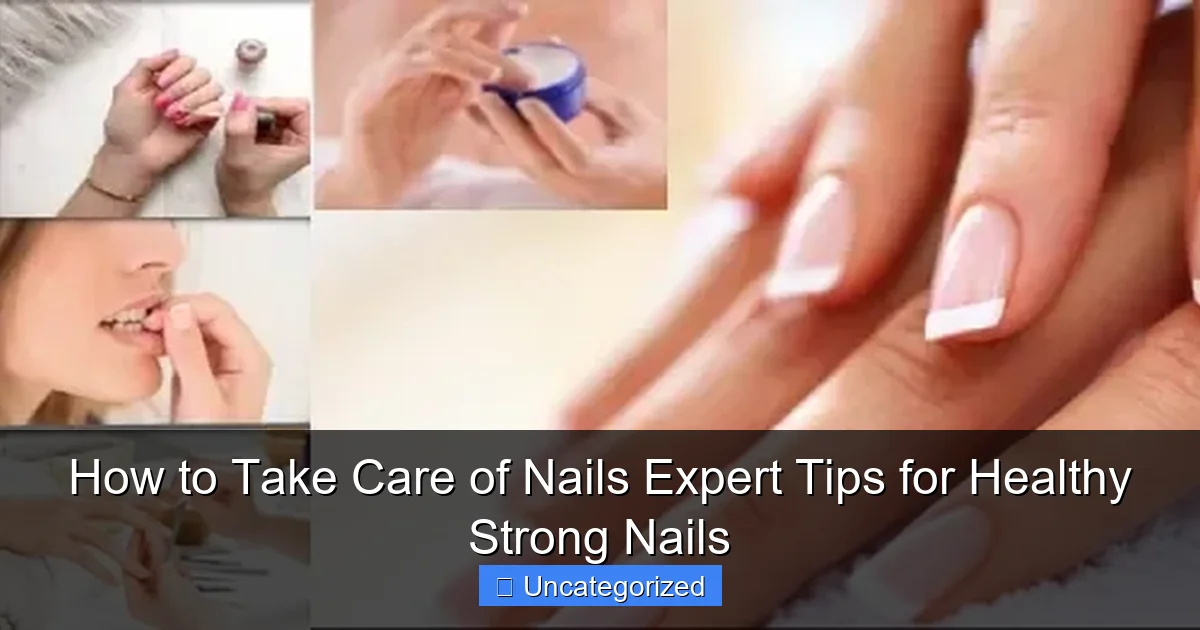
Visual guide about how to take care of nails
Image source: blogger.googleusercontent.com
Common Nail Problems and Their Causes
Many people experience nail issues at some point, and understanding the root cause is the first step toward effective treatment. Here are some of the most common problems:
- Brittle or splitting nails: Often caused by frequent exposure to water, harsh chemicals (like detergents), or dry environments. Vitamin deficiencies, especially biotin and iron, can also contribute.
- Peeling nails: Typically due to over-manicuring, excessive use of nail polish removers (especially acetone-based), or dehydration.
- Yellow nails: Can result from fungal infections, prolonged use of dark nail polish without a base coat, smoking, or aging.
- Ridges: Vertical ridges are usually a sign of aging or nutritional deficiencies (iron, protein, or B vitamins). Horizontal ridges (Beau’s lines) may indicate illness, injury, or severe stress.
- Hangnails: Caused by dry cuticles or picking at the skin around the nails. Often worsened by cold, dry weather or frequent hand washing.
- White spots (leukonychia): Usually due to minor trauma to the nail matrix, not zinc deficiency as commonly believed.
Recognizing these signs early allows you to adjust your care routine and, when necessary, consult a dermatologist. For instance, persistent yellowing or thickening may signal a fungal infection that requires medical treatment.
When to See a Dermatologist
While most nail issues are manageable at home, some symptoms warrant professional attention:
- Nails that are significantly thickened, discolored, or separating from the nail bed (onycholysis)
- Pain, swelling, or pus around the nail (signs of infection)
- Sudden changes in nail shape or texture
- Horizontal grooves or lines that appear suddenly
If you notice any of these, schedule an appointment with a dermatologist. Early diagnosis can prevent complications and ensure proper treatment.
Nutrition and Hydration: The Foundation of Strong Nails
You’ve probably heard the saying, “You are what you eat,” and when it comes to nail health, this couldn’t be more true. Nails are living tissues that grow from the matrix, and their strength, growth rate, and appearance are directly influenced by your diet and hydration levels. No amount of topical treatments can compensate for poor internal nutrition.
Essential Nutrients for Nail Health
Here are the key nutrients that support strong, healthy nails:
- Biotin (Vitamin B7): Known as the “nail vitamin,” biotin strengthens keratin infrastructure. Studies show that biotin supplementation (2.5–5 mg daily) can increase nail thickness by up to 25% in people with brittle nails. Found in eggs, almonds, sweet potatoes, and salmon.
- Protein: Since nails are made of keratin, a protein, adequate protein intake is essential. Aim for 0.8–1 gram of protein per kilogram of body weight daily. Sources: lean meats, legumes, tofu, Greek yogurt, and lentils.
- Iron: Iron deficiency (anemia) is linked to koilonychia (spoon-shaped nails). Include heme iron from red meat, poultry, and fish, or non-heme iron from spinach, lentils, and fortified cereals. Pair with vitamin C to boost absorption.
- Omega-3 Fatty Acids: These healthy fats reduce inflammation and keep nails moisturized. Sources: fatty fish (salmon, mackerel), flaxseeds, chia seeds, and walnuts.
- Zinc: Supports cell division and protein synthesis. Deficiency may lead to white spots. Found in oysters, beef, pumpkin seeds, and chickpeas.
- Vitamin C: A powerful antioxidant that aids collagen production, which strengthens the nail matrix. Citrus fruits, bell peppers, strawberries, and broccoli are excellent sources.
- Vitamin E: Protects cell membranes and improves circulation to the nail bed. Found in almonds, sunflower seeds, and spinach.
Hydration: The Overlooked Hero
Dehydration is a major culprit behind brittle, peeling nails. When your body is low on fluids, it prioritizes vital organs, leaving nails and hair undernourished. Aim to drink at least 8–10 glasses of water daily. Signs of dehydration include dry cuticles, slow nail growth, and vertical ridges.
Pro tip: Keep a water bottle with you throughout the day and set hourly reminders. Infuse your water with lemon, cucumber, or mint for added flavor and vitamin C. Also, limit dehydrating beverages like alcohol and excessive caffeine.
Sample Daily Meal Plan for Nail Health
Here’s a simple day of eating to support your nails:
- Breakfast: Scrambled eggs with spinach and avocado + orange slices (biotin, iron, vitamin C)
- Snack: Handful of almonds and a banana (biotin, potassium, vitamin E)
- Lunch: Grilled salmon salad with chickpeas, kale, and olive oil dressing (omega-3s, protein, zinc)
- Snack: Greek yogurt with chia seeds and berries (protein, antioxidants)
- Dinner: Lentil stew with sweet potatoes and steamed broccoli (iron, biotin, vitamin C)
- Hydration: 2–3 liters of water, herbal teas, or infused water
Daily Nail Care Routine: Step-by-Step Guide
Consistency is key when it comes to nail care. A simple, daily routine can prevent damage, promote growth, and keep your nails looking their best. Follow this expert-recommended regimen:
1. Clean and Dry Hands and Nails
Wash your hands with a gentle, moisturizing soap and warm (not hot) water. Scrub under the nails with a soft brush to remove debris. Always dry thoroughly, especially between fingers and under nails, to prevent bacterial or fungal growth.
2. Moisturize Cuticles and Nail Beds
Apply a rich cuticle oil or cream containing ingredients like jojoba oil, vitamin E, or shea butter. Massage it into the cuticles and nail beds using circular motions for 1–2 minutes. This improves blood circulation and prevents dryness. Example: Use a cuticle oil with tea tree oil for added antimicrobial benefits.
Pro tip: Apply moisturizer right after washing hands or showering, when the skin is still slightly damp, to lock in moisture.
3. Push Back Cuticles (Gently)
Never cut cuticles—this can lead to infections. Instead, after a shower (when they’re soft), use a cuticle pusher to gently push them back. This promotes healthy nail growth and prevents hangnails. Use a wooden or metal pusher, and avoid metal tools if you have sensitive skin.
4. File and Shape Nails Properly
Use a glass or crystal nail file instead of a metal file, which can cause splitting. File in one direction (from edge to center) to prevent weakening. Choose a shape that suits your nail bed: oval and almond are gentle on the sides and reduce breakage.
Example: If you type frequently, opt for a short, rounded shape to prevent snagging.
5. Apply a Nail Strengthener (Optional)
If your nails are weak, use a nail hardener or treatment with ingredients like formaldehyde-free strengtheners, calcium, or silk proteins. Apply every other day for 2–3 weeks, then reduce to twice a week to avoid over-hardening.
6. Protect Your Nails
Wear gloves when doing dishes, gardening, or using cleaning products. These tasks expose nails to water and harsh chemicals, leading to brittleness. For typing, consider using a keyboard cover or wearing light cotton gloves to reduce friction.
Choosing the Right Products and Tools
The market is flooded with nail care products, but not all are created equal. Using the wrong tools or chemicals can do more harm than good. Here’s how to choose wisely:
Selecting Nail Polish and Removers
- Nail Polish: Opt for “3-free” or “5-free” formulas that exclude formaldehyde, toluene, and dibutyl phthalate (DBP), which can weaken nails and cause yellowing. Look for brands like OPI, Essie, or Zoya.
- Base Coat: Always use a base coat to prevent staining and add a protective layer. Choose one with ridge-fillers for uneven nails.
- Nail Polish Remover: Avoid acetone-based removers, which strip moisture. Use acetone-free removers with added oils (e.g., soy-based or vitamin E-infused). Limit use to once a week.
Example: Instead of using a regular remover, try a conditioning remover like Zoya Remove+ or Ella+Mila Soy Nail Polish Remover.
Essential Tools for Nail Care
Invest in high-quality tools to avoid damage:
- Nail Clippers: Use sharp, stainless steel clippers. Replace if they’re dull or rusty.
- Nail File: Glass or crystal files are gentle and last longer. Avoid emery boards for frequent use.
- Cuticle Pusher: Wooden or rubber-tipped pushers are safer than metal.
- Cuticle Nipper (Use Sparingly): Only for visible hangnails. Disinfect with alcohol before and after use.
- Moisturizing Gloves: Wear cotton gloves overnight with a thick hand cream for deep hydration.
DIY Nail Soaks and Treatments
For a natural boost, try these at-home treatments:
- Olive Oil Soak: Mix 2 tbsp olive oil with 1 tbsp lemon juice. Soak nails for 15 minutes to strengthen and brighten.
- Green Tea Soak: Brew green tea, cool it, and soak for 10 minutes. Tannins strengthen nails and reduce brittleness.
- Baking Soda Paste: Mix baking soda with water to form a paste. Gently scrub nails to remove stains and exfoliate.
Protecting Nails from Damage and Environmental Stressors
Even with the best routine, nails face constant threats from daily activities and environmental factors. Here’s how to shield them:
Water Exposure and Household Chores
Prolonged water exposure softens nails, making them prone to splitting. Always wear dishwashing gloves and avoid soaking nails in water for more than 10 minutes. After swimming, rinse with fresh water to remove chlorine, which can dry out nails.
Chemical Exposure
Household cleaners, solvents, and acetone are nail enemies. Wear rubber gloves when cleaning. For salon visits, ask technicians to avoid harsh products or opt for dip powder or gel alternatives that are less damaging than acrylics.
Weather and Climate
Cold, dry weather dehydrates nails, while humidity can cause fungal growth. In winter, use a humidifier and apply cuticle oil more frequently. In summer, protect nails from UV rays (yes, they can sunburn!) by applying sunscreen to hands or wearing gloves during outdoor activities.
Lifestyle Habits
Small habits make a big difference:
- Stop Nail-Biting and Picking: These habits damage the matrix and introduce bacteria. Use a bitter-tasting nail polish or stress-relief techniques.
- Limit Manicures: Over-manicuring, especially with gel or acrylics, can weaken nails. Give your nails a “break” for 2–3 weeks between treatments.
- Avoid Using Nails as Tools: Don’t use nails to open cans, peel stickers, or scratch surfaces.
Tracking Progress and When to Seek Professional Help
Improving nail health is a gradual process. It takes about 6 months for a fingernail to grow from base to tip, so patience is essential. Track your progress with photos or a nail journal to monitor growth, strength, and appearance.
Monitoring Nail Growth and Changes
Take a photo of your nails every 2–4 weeks. Note improvements in texture, color, and growth rate. Look for:
- Reduced peeling or splitting
- Smoother surface (fewer ridges)
- Healthy pink color
- Faster growth (average: 3 mm per month)
Data Table: Expected Nail Growth and Care Timeline
| Timeframe | Expected Changes | Recommended Actions |
|---|---|---|
| 1–2 Weeks | Softer cuticles, reduced dryness | Daily moisturizing, cuticle oil |
| 1 Month | Less peeling, improved shine | Continue routine; add biotin if needed |
| 3 Months | Stronger nails, reduced breakage | Evaluate diet; adjust supplements |
| 6 Months | Full nail growth cycle complete | Compare photos; consult dermatologist if no improvement |
When to Consult a Dermatologist or Nutritionist
If you’ve followed a consistent routine for 6 months with no improvement, or if you experience pain, severe discoloration, or nail separation, seek professional help. A dermatologist can diagnose conditions like fungal infections, psoriasis, or lichen planus. A nutritionist can identify deficiencies through blood tests and tailor a diet plan.
Taking care of your nails is a lifelong commitment that pays off in confidence, health, and beauty. By combining proper nutrition, hydration, a daily care routine, smart product choices, and protection from damage, you can achieve strong, resilient nails that look and feel amazing. Remember, nail health is a mirror of your overall well-being—nurture your body, and your nails will follow. Start today with one small change: moisturize your cuticles, drink an extra glass of water, or swap your acetone remover. Your future self (and nails) will thank you.
Frequently Asked Questions
How to take care of nails to prevent breakage?
Keep nails trimmed and filed to a rounded or square shape to reduce snagging. Apply a strengthening base coat and moisturize cuticles daily with jojoba oil or cuticle cream to maintain flexibility.
What’s the best way to strengthen weak nails?
Use a nail hardener with ingredients like keratin or calcium, and avoid harsh acetone-based removers. Pair this with a protein-rich diet (think biotin-rich foods like eggs and nuts) to support nail growth.
How often should I moisturize my nails and cuticles?
Moisturize cuticles at least once daily, ideally after washing hands or showering when they’re soft. For dry climates or frequent hand-washing, apply cuticle oil or cream 2-3 times a day to prevent cracking.
Can I take care of nails naturally without products?
Yes! Soak nails in olive oil or coconut oil weekly to boost hydration. Wear gloves during chores to protect nails from water and chemicals, and gently buff nails monthly to stimulate circulation.
Why do my nails peel and how to fix it?
Peeling often results from dehydration or frequent exposure to water/cleaning products. Limit soaking, wear gloves, and use a nail repair serum with panthenol to restore moisture and resilience.
How to take care of nails between salon visits?
Buff nails gently to maintain shine, push back cuticles weekly, and use a ridge-filling base coat to smooth surfaces. Keep a travel-sized nail oil handy for on-the-go hydration.