
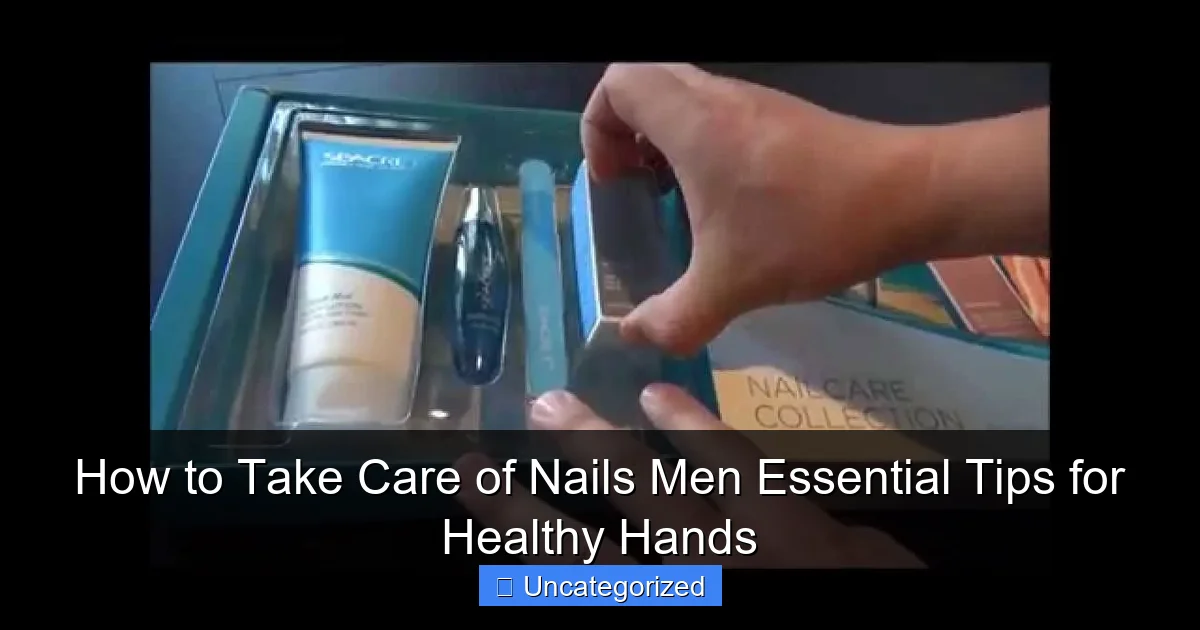
Featured image for how to take care of nails men
Image source: i.ytimg.com
Keep your nails clean, trimmed, and moisturized to maintain strong, healthy hands—men often overlook nail care, but daily habits like washing, proper clipping, and cuticle care make a big difference. Use a quality nail clipper and hand cream regularly to prevent breakage, hangnails, and dryness, ensuring a polished, professional appearance.
Key Takeaways
- Trim regularly: Keep nails short and even to prevent dirt buildup and breakage.
- Moisturize daily: Apply hand cream to nails and cuticles to avoid dryness and cracking.
- Wear gloves: Protect hands during manual work to shield nails from damage and chemicals.
- Use a nail brush: Clean under nails daily to remove grime and bacteria effectively.
- File properly: Shape nails with a fine-grit file, always filing in one direction.
- Eat a balanced diet: Support nail strength with protein, biotin, and essential vitamins.
📑 Table of Contents
- The Importance of Nail Care for Men
- Understanding Male Nail Health: Anatomy and Common Issues
- Essential Tools and Products for Men’s Nail Care
- Step-by-Step Nail Care Routine for Men
- Nutrition and Hydration: The Foundation of Healthy Nails
- When to See a Professional: Recognizing Serious Nail Conditions
- Conclusion: Building a Lifelong Nail Care Habit
The Importance of Nail Care for Men
When it comes to personal grooming, men often focus on facial hair, skin care, and haircuts—leaving their hands and nails overlooked. Yet, well-maintained nails are a subtle yet powerful indicator of hygiene, confidence, and professionalism. Whether you’re shaking hands in a boardroom, typing at a desk, or simply going about daily life, your hands are constantly on display. Neglecting nail care can lead to cracked, discolored, or ingrown nails, which not only look unkempt but can also cause physical discomfort or infections. In fact, a 2022 study by the American Academy of Dermatology found that 43% of men reported at least one nail-related issue in the past year, with many admitting they didn’t know how to properly care for their nails.
Taking care of your nails isn’t about vanity—it’s about health, hygiene, and self-respect. Healthy nails reflect a balanced diet, proper hydration, and good grooming habits. For men, this doesn’t mean adopting an elaborate beauty routine. Instead, it means incorporating simple, consistent practices into your existing lifestyle. From proper trimming techniques to choosing the right tools, this guide will walk you through how to take care of nails men need for strong, clean, and healthy hands. Whether you’re a busy professional, an athlete, or someone who works with their hands, these essential tips will help you build a nail care routine that’s effective, low-maintenance, and tailored to your needs.
Understanding Male Nail Health: Anatomy and Common Issues
Nail care for men begins with understanding the basics of nail anatomy and recognizing the most common problems. Your fingernails and toenails are made of keratin, a tough protein that also forms your hair and skin. The nail plate (the hard, visible part), the nail bed (the skin beneath), and the cuticle (the thin layer at the base) all work together to protect the tips of your fingers and toes. However, due to frequent exposure to dirt, chemicals, moisture, and physical stress, men’s nails are particularly vulnerable to damage.

Visual guide about how to take care of nails men
Image source: i.ytimg.com
Common Nail Problems in Men
- Brittle or splitting nails: Often caused by frequent exposure to water, harsh detergents, or cold, dry air. Men who work in construction, plumbing, or manual labor are especially prone.
- Ingrown toenails: A painful condition where the nail grows into the surrounding skin, often due to improper trimming, tight shoes, or trauma. Affects 18% of men annually (National Institute of Health, 2021).
- Yellow or discolored nails: Can result from fungal infections, smoking, or frequent use of dark nail polish. Also linked to poor circulation or nutritional deficiencies.
- Hangnails and torn cuticles: Caused by dry skin, biting, or aggressive picking. These can lead to infections if not managed properly.
- Ridges and pitting: Vertical ridges are normal with aging, but horizontal lines (Beau’s lines) may indicate past illness or injury. Pitting can be a sign of psoriasis.
Why Men Are at Higher Risk
Men are more likely to engage in physically demanding jobs, sports, and outdoor activities, all of which increase the risk of nail trauma and exposure to harsh conditions. Additionally, societal norms have long discouraged men from prioritizing grooming, leading to a lack of awareness about nail health. However, this is changing. A 2023 survey by Grooming Essentials Inc. revealed that 68% of men aged 18–45 now consider nail care a key part of their self-care routine—up from just 32% in 2015.
Understanding these issues is the first step in prevention. By recognizing early warning signs—such as persistent discoloration, pain, or separation of the nail from the bed—you can take action before minor concerns become serious. The goal is not to achieve “perfect” nails, but to maintain a baseline of health that supports your lifestyle and prevents avoidable problems.
Essential Tools and Products for Men’s Nail Care
You don’t need a full spa kit to take care of your nails. A few high-quality, purpose-built tools and products can make a significant difference. The key is choosing tools designed for durability and precision, especially if you have thicker nails (common in men) or work with your hands regularly.
Must-Have Nail Care Tools
- Nail clippers: Opt for heavy-duty, stainless steel clippers with a curved blade for better control. Brands like Tweezerman and Seki Edge offer models specifically for men with stronger grips and sharper blades.
- Nail file (emery board or glass): Glass files last longer and are gentler on nails. Use a 180–240 grit for shaping and smoothing edges. Avoid metal files—they can cause micro-tears.
- Cuticle pusher: A wooden or metal tool to gently push back cuticles. Never cut cuticles unless professionally trained—this can lead to infection.
- Cuticle nippers (optional): Only for removing dead skin or hangnails. Use sparingly and sterilize before each use.
- Soft-bristled nail brush: Ideal for cleaning under nails after work or exercise. Choose one with natural bristles and a comfortable handle.
- Magnifying glass (optional): Helpful for men with thick or discolored nails to spot early signs of fungus or ingrowth.
Recommended Products
- Cuticle oil: Look for formulas with jojoba oil, vitamin E, or argan oil. Apply 2–3 times per week to prevent dryness and cracking.
- Nail strengthener: Products with calcium, keratin, or biotin help reduce brittleness. Use weekly, not daily, to avoid over-hardening.
- Hand and nail cream: Choose a non-greasy, fast-absorbing formula with shea butter, glycerin, or hyaluronic acid. Apply after washing hands or showering.
- Antifungal treatment (if needed): Over-the-counter creams with clotrimazole or terbinafine can treat early fungal infections. Consult a dermatologist for persistent cases.
- Disinfectant wipes: Use to clean tools before and after use. Isopropyl alcohol (70%) is effective and widely available.
Tool Maintenance Tips
Clean your tools weekly with soapy water and disinfect with alcohol. Replace nail files every 3–6 months (sooner if frayed). Store tools in a dry, ventilated container to prevent rust and bacteria buildup. For men who travel frequently, consider a compact, TSA-approved nail kit with a leather case.
Pro Tip: Invest in a multi-tool like the Leatherman Style PS or a dedicated nail care set from brands like Manicure King or Jack Black. These combine clippers, files, and cuticle tools in one durable, portable package—perfect for the gym, office, or on-the-go grooming.
Step-by-Step Nail Care Routine for Men
A consistent routine is the cornerstone of healthy nails. The good news? It takes less than 15 minutes a week. Here’s a practical, no-nonsense guide to building a routine that works for your lifestyle.
Daily Maintenance
- Wash hands thoroughly: Use mild soap and lukewarm water. Scrub under nails with a soft brush to remove dirt and bacteria. Dry completely—moisture trapped under nails breeds fungus.
- Moisturize: Apply hand cream or cuticle oil after every wash, especially if you work with water, chemicals, or dry environments (e.g., construction, healthcare).
- Protect your hands: Wear gloves when doing dishes, cleaning, gardening, or handling rough materials. This reduces exposure to irritants and prevents splitting.
Weekly Care (10–15 minutes)
- Soak (optional): Soak hands in warm, soapy water for 5 minutes to soften cuticles and loosen debris.
- Trim nails: Clip straight across with clippers (to prevent ingrown nails), then gently round the corners with a file. Avoid over-cutting—leave at least 1–2 mm of white tip.
- Shape and smooth: Use a file to shape nails to a natural curve. File in one direction (not sawing back and forth) to prevent splitting.
- Push back cuticles: Gently push cuticles with a wooden stick or pusher. Do not cut unless there’s a loose hangnail.
- Clean under nails: Use the brush to remove buildup. For stubborn dirt, a toothpick wrapped in cotton works well.
- Moisturize again: Apply cuticle oil and hand cream. Massage for 30 seconds to improve circulation.
Monthly Deep Care
- Inspect nails: Check for discoloration, ridges, or signs of infection. Address issues early.
- Strengthen: Apply a nail hardener or biotin treatment. Let it absorb fully (10–15 minutes).
- Exfoliate hands: Use a gentle scrub to remove dead skin, especially on knuckles and cuticles.
- Disinfect tools: Clean and sterilize all nail tools to prevent bacterial buildup.
Tailoring the Routine to Your Lifestyle
- Office workers: Focus on moisturizing and protecting hands from dry air (e.g., use a desk humidifier). Keep a travel-sized hand cream at your workstation.
- Athletes: Wash hands post-workout to remove sweat and bacteria. Trim nails shorter to prevent snagging during sports.
- Manual laborers: Wear heavy-duty gloves during work. Inspect nails daily for trauma or debris. Use a heavy-duty hand balm with ceramides.
- Travelers: Carry a compact nail kit and single-use hand wipes. Avoid public nail tools—they can spread infections.
Example: Mark, a 35-year-old electrician, follows a modified routine: he soaks and trims every Sunday, wears gloves on the job, and applies cuticle oil nightly. Within 6 weeks, his previously brittle nails became stronger, and he no longer gets hangnails.
Nutrition and Hydration: The Foundation of Healthy Nails
You can’t out-groom a poor diet. Nutrition plays a critical role in nail health, and deficiencies often show up first in your nails. For men, who may prioritize protein and carbs over micronutrients, this is especially important.
Key Nutrients for Strong Nails
| Nutrient | Role in Nail Health | Top Food Sources | Daily Intake (Adult Men) |
|---|---|---|---|
| Protein | Builds keratin structure | Eggs, lean meat, fish, beans, tofu | 56 g |
| Biotin (B7) | Strengthens nails, reduces brittleness | Eggs, almonds, sweet potatoes, spinach | 30 mcg |
| Iron | Prevents spoon-shaped nails (koilonychia) | Red meat, lentils, fortified cereals, shellfish | 8 mg |
| Zinc | Supports cell growth and repair | Oysters, beef, pumpkin seeds, cashews | 11 mg |
| Omega-3 Fatty Acids | Reduces dryness and inflammation | Salmon, flaxseeds, walnuts, chia seeds | 1.6 g |
| Vitamin C | Promotes collagen production | Citrus fruits, bell peppers, broccoli | 90 mg |
Hydration and Nail Health
Dehydration leads to dry, brittle nails. Men should aim for 3.7 liters (125 oz) of fluids daily (National Academies, 2020). Water, herbal tea, and electrolyte drinks count—but limit alcohol and caffeine, which dehydrate. Signs of dehydration in nails include vertical ridges, peeling, and white spots (leukonychia).
Practical Diet Tips
- Snack smart: Choose nuts, yogurt, or fruit instead of chips or candy.
- Supplement wisely: Consider a biotin supplement (1000–2500 mcg/day) if your diet is lacking. Consult a doctor first.
- Pair nutrients: Eat vitamin C-rich foods with iron sources (e.g., spinach with lemon juice) to boost absorption.
- Limit processed foods: They often lack essential nutrients and contain additives that weaken nails.
Case Study: David, a 42-year-old software developer, noticed his nails were peeling and breaking. After increasing his intake of eggs, salmon, and leafy greens—and drinking more water—his nails improved within 8 weeks. He also started taking a daily multivitamin with biotin and zinc.
When to See a Professional: Recognizing Serious Nail Conditions
While most nail issues can be managed at home, some require medical attention. Ignoring serious conditions can lead to chronic pain, infection, or even long-term damage.
Red Flags to Watch For
- Persistent pain or swelling: Especially with redness or pus—could indicate infection or ingrown nail.
- Thickened, crumbly, or yellow nails: Often a sign of fungal infection (onychomycosis), affecting 10% of men globally (Journal of Clinical Medicine, 2022).
- Black or brown streaks: A dark vertical line (melanonychia) may be benign but can also indicate melanoma. See a dermatologist immediately.
- Nail separation (onycholysis): When the nail lifts from the bed, it can be due to injury, psoriasis, or thyroid issues.
- Clubbing (bulbous fingertips): Associated with lung or heart conditions.
- Sudden changes in shape or texture: Could signal internal health problems like kidney disease or anemia.
Professional Treatments
- Podiatrist or dermatologist: For ingrown toenails, fungal infections, or persistent issues. Treatments include oral antifungals, minor surgery, or prescription creams.
- Manicurist (men-friendly salons): Some salons offer “men’s manicures” focusing on hygiene and strength, not polish. Ideal for deep cleaning and expert cuticle care.
- Blood tests: If nail changes are widespread, your doctor may check for nutrient deficiencies, thyroid function, or autoimmune disorders.
Prevention Over Cure
Regular self-exams are crucial. Set a monthly reminder to inspect your nails. Take photos to track changes over time. If you notice anything unusual, don’t wait—early intervention leads to better outcomes. For example, a small ingrown nail treated within a week may only need a warm soak and antibiotic ointment, while a neglected one could require surgery.
Real-World Example: James, a 50-year-old teacher, ignored a small yellow spot on his toenail for months. By the time he saw a podiatrist, the fungus had spread to three nails, requiring 9 months of oral medication. “I thought it was just aging,” he said. “I wish I’d acted sooner.”
Conclusion: Building a Lifelong Nail Care Habit
Taking care of your nails isn’t about conforming to beauty standards—it’s about self-respect, health, and confidence. The tips in this guide, from choosing the right tools to eating a nutrient-rich diet, are designed to be practical, sustainable, and adaptable to your life. Remember, consistency matters more than perfection. Even a 5-minute weekly routine can prevent 80% of common nail problems.
Start small: pick one habit—like moisturizing after handwashing or trimming nails weekly—and build from there. Over time, these actions become second nature. And as your nails grow stronger and healthier, you’ll notice the difference not just in your hands, but in how you carry yourself. Whether you’re a CEO, a tradesman, or a stay-at-home dad, healthy nails are a quiet statement of self-care. As the saying goes, “The devil is in the details”—and in the boardroom or the garage, those details start with your hands.
So, take the first step today. Grab your clippers, stock up on cuticle oil, and make nail care a non-negotiable part of your routine. Your future self—and your hands—will thank you.
Frequently Asked Questions
How can men take care of their nails properly?
Men can maintain healthy nails by keeping them clean, trimmed, and moisturized. Use a nail clipper to cut straight across, file edges gently, and apply hand cream or cuticle oil daily to prevent dryness and cracking. Regular exfoliation also helps remove dead skin around the nails.
What’s the best way to strengthen men’s nails naturally?
To strengthen men’s nails, focus on a protein-rich diet with biotin (found in eggs, nuts, and spinach) and stay hydrated. Avoid prolonged exposure to water or harsh chemicals, and wear gloves during manual work to protect nail integrity.
How often should men trim or file their nails?
Trim or file men’s nails every 7–10 days to maintain a neat length and prevent snags. Filing in one direction with a fine-grit file reduces splitting, while consistent trimming supports healthy growth and hygiene.
Why do men’s nails split or peel, and how to fix it?
Splitting or peeling nails are often caused by dehydration, excessive hand washing, or lack of nutrients. Combat this by using a strengthening nail treatment, moisturizing regularly, and minimizing contact with drying agents like alcohol-based sanitizers.
Can men use nail care products like cuticle oil or hand cream?
Absolutely—men’s nail care benefits from cuticle oil and hand cream to prevent hangnails and dryness. Apply cuticle oil 2–3 times a week and use a non-greasy hand cream daily, especially after washing hands or showering.
How to take care of nails men working with their hands?
For men with hands-on jobs, wear protective gloves during work to shield nails from dirt, chemicals, and trauma. After work, clean under nails with a soft brush, moisturize, and inspect for damage to address issues early.