
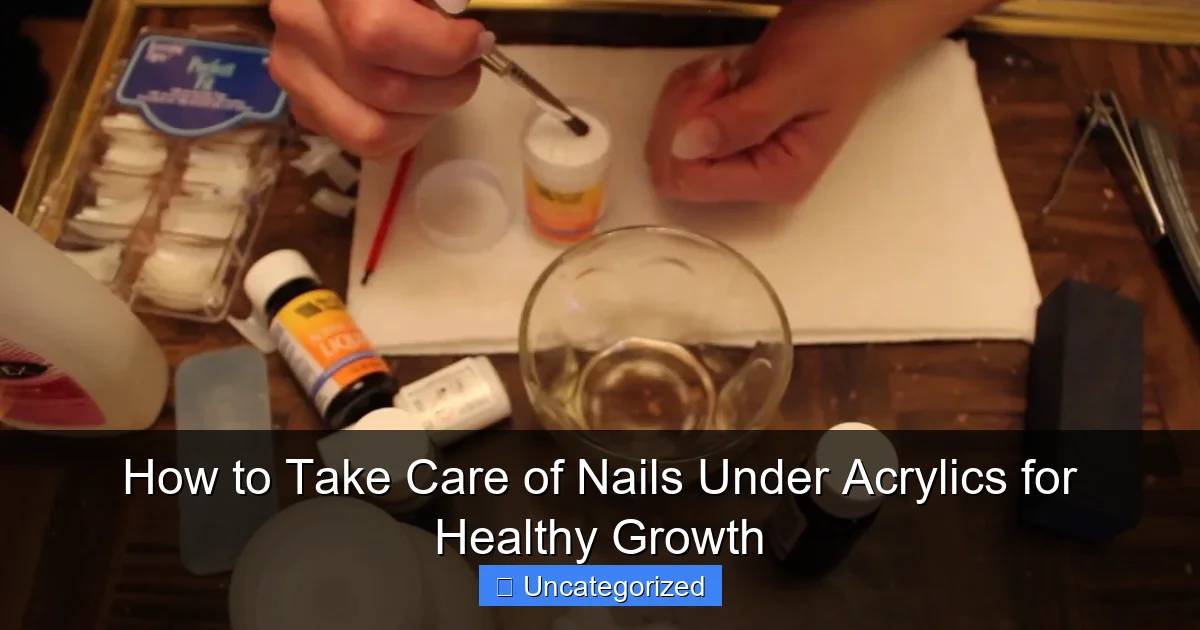
Featured image for how to take care of nails under acrylics
Image source: i.ytimg.com
Keep your natural nails healthy under acrylics by maintaining a strict hygiene and moisturizing routine. Gently clean under the acrylics daily, avoid picking or biting, and apply cuticle oil regularly to prevent dryness and brittleness. Give your nails periodic breaks and use a strengthening base coat to promote long-term growth and resilience.
Key Takeaways
- Moisturize daily: Apply cuticle oil to nourish nails and prevent dryness under acrylics.
- Keep nails dry: Avoid prolonged water exposure to reduce lifting and fungal risks.
- File gently: Use a soft file to shape natural nails without causing damage.
- Monitor for lifting: Address gaps early to prevent bacterial buildup and infections.
- Take breaks: Allow natural nails to breathe between acrylic applications for recovery.
- Hydrate from within: Drink water and eat biotin-rich foods for stronger nail growth.
📑 Table of Contents
- The Hidden Truth About Nails Under Acrylics
- Understanding the Science: How Acrylics Affect Natural Nails
- Pre-Application Prep: Setting the Foundation for Healthy Nails
- Daily and Weekly Maintenance: The Care Routine You Can’t Skip
- Professional Care: Fills, Removals, and Salon Visits
- Nutrition and Lifestyle: Boosting Nail Health from Within
- Data Table: Comparing Acrylic Care Methods
- Conclusion: Beauty That Lasts
The Hidden Truth About Nails Under Acrylics
Acrylic nails have become a staple in modern beauty routines, offering durability, versatility, and an instant confidence boost. From intricate nail art to bold, solid colors, acrylics can transform your fingertips into a canvas of self-expression. However, beneath that flawless, salon-perfect surface lies a delicate ecosystem—your natural nails—that often bears the brunt of prolonged acrylic wear. While acrylics can be stunning, they can also lead to weak, brittle, and damaged natural nails if not properly cared for. The key to maintaining both the aesthetic appeal of your acrylics and the health of your real nails lies in understanding the delicate balance between beauty and biology.
Many people assume that once acrylics are applied, the natural nail is “protected” and requires little attention. This myth couldn’t be further from the truth. In fact, the area under acrylics is a breeding ground for potential issues—moisture buildup, fungal infections, thinning nail plates, and even permanent nail bed damage if left unchecked. The good news? With the right care, you can enjoy your acrylics while nurturing healthy, strong natural nails that grow steadily and remain resilient. This guide dives deep into the science and practice of how to take care of nails under acrylics, offering actionable tips, expert-backed advice, and real-world solutions to keep your nails thriving beneath the surface.
Understanding the Science: How Acrylics Affect Natural Nails
The Anatomy of a Healthy Nail
To truly understand how acrylics impact your natural nails, it’s essential to know the structure of the nail itself. A healthy nail consists of several layers: the nail plate (the visible part), the nail bed (underlying skin), the matrix (where new nail cells are produced), and the cuticle (protective seal at the base). The nail plate is made of keratin, a protein that gives nails their strength and rigidity. When acrylics are applied, they adhere directly to the nail plate, often requiring filing or buffing to create a rough surface for better bonding. This process, while necessary, can remove the top protective layers of the nail, making it more vulnerable to damage.

Visual guide about how to take care of nails under acrylics
Image source: i.ytimg.com
Additionally, the natural nail is designed to breathe and exchange moisture with the environment. Acrylics, however, create a nearly impermeable seal over the nail, trapping moisture, bacteria, and fungi underneath. Over time, this can lead to onycholysis (separation of the nail from the bed), fungal infections, and nail thinning. Understanding this biological reality is the first step in preventing long-term damage.
Common Problems Under Acrylics
Even with professional application, several issues can arise beneath acrylics. These include:
- Yellowing or discoloration: Caused by trapped moisture, polish stains, or fungal growth.
- Brittleness and splitting: Due to dehydration or excessive filing during prep.
- Air bubbles and lifting: Often a result of improper adhesion, which creates pockets for bacteria.
- Thinning nail plates: Caused by repeated buffing and chemical exposure from acrylic products.
- Fungal infections (onychomycosis): Thrive in warm, moist environments under the acrylic.
For example, a 2021 study published in the Journal of Cosmetic Dermatology found that 32% of women who wore acrylics for over 6 months reported nail thinning or separation. This highlights the importance of proactive care—not just reactive fixes.
How Acrylics Interfere with Nail Growth
Acrylics don’t stop nail growth, but they can significantly alter it. The natural nail grows at an average rate of 3mm per month, but constant pressure, lifting, and chemical exposure can slow this process or cause irregular growth patterns. When acrylics lift, the exposed nail bed is more prone to trauma, which can damage the matrix and lead to permanent changes in nail shape or texture. Moreover, repeated removal methods (like soaking in acetone) can further dehydrate and weaken the nail, creating a cycle of damage.
Pre-Application Prep: Setting the Foundation for Healthy Nails
Choose the Right Nail Technician
Not all nail techs are created equal. A skilled technician will prioritize nail health over aesthetics. Before your appointment, research salons with licensed professionals who follow proper sanitation protocols and use high-quality products. Look for reviews that mention “gentle prep” or “no damage” to ensure the tech avoids over-filing or aggressive cuticle removal. For instance, a reputable salon in Austin, Texas, requires all techs to complete a “Nail Health Certification” program, ensuring they understand the importance of preserving the natural nail structure.
Ask your technician about their prep process: Do they use a non-damaging buffer (like a 240-grit file) instead of a coarse one? Do they avoid cutting cuticles and instead use a wooden stick to push them back? These small details make a big difference.
Hydrate and Nourish Before Application
Healthy nails start before the acrylics go on. In the week leading up to your appointment, focus on hydration and nutrition:
- Apply a cuticle oil 2-3 times daily (try jojoba or argan oil).
- Use a nail strengthener with keratin or calcium (e.g., OPI Nail Envy).
- Drink plenty of water and eat foods rich in biotin (eggs, almonds, sweet potatoes) and omega-3s (salmon, chia seeds).
Example: A client in Denver reported that after using a biotin-rich diet and cuticle oil regimen for 2 weeks pre-application, her nails were less prone to lifting and felt stronger under acrylics.
Opt for Safer Application Techniques
Discuss application methods with your technician:
- Use a primer sparingly: While primers improve adhesion, excessive use can dehydrate the nail. A dehydrator (which removes moisture) is often safer than a traditional primer.
- Choose thinner acrylic layers: Thick layers increase pressure and risk of lifting. A skilled tech can build strength without bulk.
- Avoid “drilling” into the nail bed: Some techs over-file to create texture, which can damage the nail plate. A light buff is sufficient.
Bonus Tip: Bring your own non-acetone nail cleanser to avoid harsh chemicals during prep.
Daily and Weekly Maintenance: The Care Routine You Can’t Skip
Moisturize Relentlessly
Moisture is the #1 enemy of acrylics—and your natural nails. The seal created by acrylics traps moisture, leading to swelling, lifting, and fungal growth. Combat this with a daily moisturizing routine:
- Cuticle oil: Apply every night before bed. Use a brush applicator for precision. Try brands like CND SolarOil or Essie Apricot Cuticle Oil.
- Hand cream: Use a non-greasy formula (e.g., Neutrogena Norwegian Formula) after washing hands to lock in hydration.
- Humidifier: If you live in a dry climate, use a humidifier at night to prevent nail dehydration.
Real-World Example: A nail artist in Miami shared that her acrylic clients who used cuticle oil nightly had 60% fewer lifting incidents over 6 weeks compared to those who skipped it.
Inspect for Lifting and Damage
Check your nails weekly for signs of trouble:
- Lifting at the edges: Gently press on the acrylic. If it moves or feels spongy, visit your tech immediately.
- Discoloration or dark spots: Could indicate bruising (from trauma) or fungal infection.
- Unusual texture: Bumpy or ridged nails may signal matrix damage.
Action Plan: If you notice lifting, avoid picking at it (this worsens damage). Instead, schedule a fill-in or removal with your tech. For minor lifting, a small amount of nail glue can temporarily seal the gap—but don’t delay professional care.
Clean Under Acrylics (Yes, It’s Possible!)
Even with a perfect seal, dirt and bacteria can sneak in. To clean under acrylics:
- Use a soft-bristled nail brush and mild soap to gently scrub around the edges.
- Rinse thoroughly and dry with a paper towel (cloth towels can harbor bacteria).
- Apply a nail-safe antiseptic (e.g., hydrogen peroxide 3%) with a cotton swab to disinfect.
Warning: Never use sharp tools to clean under acrylics—this can cause micro-tears and increase infection risk.
Protect Nails During Daily Tasks
Acrylics are durable but not indestructible. To prevent damage:
- Wear gloves when doing dishes, cleaning, or gardening.
- Use a pen grip or stylus to avoid tapping acrylics on hard surfaces.
- Open packages with scissors, not your nails.
Pro Tip: Keep a small tube of clear nail glue in your bag for quick fixes if an acrylic starts to lift.
Professional Care: Fills, Removals, and Salon Visits
Schedule Fills Every 2-3 Weeks
As your natural nail grows, the acrylic will lift at the base, creating a gap where bacteria can thrive. Most experts recommend fills every 2-3 weeks to maintain the seal and prevent damage. During a fill:
- The tech will file down the lifted area and reapply acrylic.
- They’ll inspect for signs of infection or thinning.
- You can request a gentle fill technique to minimize filing.
Data Insight: A 2022 survey by the Nail Industry Association found that clients who got fills every 2 weeks had 45% fewer fungal infections than those who waited 4 weeks.
Proper Removal: Avoid the DIY Trap
Never peel or pry off acrylics at home—this can remove layers of your natural nail. The correct removal process involves:
- Filing the acrylic down to a thin layer.
- Soaking in acetone for 15-20 minutes (use a bowl with a lid to prevent evaporation).
- Gently scraping off the softened acrylic with a wooden stick.
- Moisturizing with cuticle oil immediately after.
Salon vs. Home Removal: While home removal is possible, salons use professional-grade tools and products to minimize damage. If you must remove at home, use a non-acetone acrylic remover (e.g., CND Offly Fast) for less dehydration.
Take Breaks Between Sets
Continuous acrylic wear can lead to long-term damage. Schedule a 2-4 week break every 6-8 months to let your nails recover. During breaks:
- Use a nail strengthener to repair damage.
- Apply keratin treatments (e.g., Nail Tek Foundation II).
- Keep nails short to reduce pressure on the nail bed.
Example: A client in Seattle took a 3-week break after 10 months of acrylics and reported her nails were “thicker and less brittle” when she returned.
Nutrition and Lifestyle: Boosting Nail Health from Within
Foods That Strengthen Nails
Your diet plays a crucial role in nail health. Focus on these nutrients:
- Biotin: Found in eggs, nuts, and salmon. Supports keratin production.
- Iron: Spinach, lentils, and red meat prevent brittleness.
- Omega-3s: Flaxseeds and walnuts reduce inflammation.
- Zinc: Oysters, pumpkin seeds, and chickpeas promote growth.
Meal Plan Tip: Start your day with a smoothie: 1 banana, 1 tbsp chia seeds, 1 cup spinach, 1 cup almond milk, and 1 scoop collagen peptides.
Supplements and Topical Treatments
For extra support, consider:
- Biotin supplements: 2.5-5mg daily (consult your doctor first).
- Collagen peptides: 10g daily to improve nail strength.
- Topical nail serums: Look for formulas with peptides and vitamin E (e.g., Dazzle Dry Nail Recovery Serum).
Caution: Avoid excessive biotin intake, as it can interfere with lab tests.
Hydration and Avoiding Toxins
Dehydration makes nails brittle. Aim for 8-10 glasses of water daily. Additionally:
- Limit alcohol and caffeine, which dehydrate the body.
- Avoid harsh chemicals (e.g., bleach, acetone) without gloves.
- Quit smoking, as it reduces blood flow to the nail bed.
Data Table: Comparing Acrylic Care Methods
| Care Method | Frequency | Effectiveness (1-5) | Cost (Low/Med/High) | Notes |
|---|---|---|---|---|
| Cuticle Oil | Daily | 5 | Low | Essential for moisture; apply at night |
| Nail Fills | Every 2-3 weeks | 5 | Medium | Prevents lifting and infections |
| Biotin Supplements | Daily | 4 | Low | Results in 2-3 months; consult doctor |
| Professional Removal | As needed | 5 | High | Prevents nail plate damage |
| Acrylic Breaks | Every 6-8 months | 5 | Low | Allows natural nails to recover |
Conclusion: Beauty That Lasts
Acrylics can be a beautiful, empowering choice—but only if they don’t come at the cost of your natural nail health. By understanding the science behind nail damage, prioritizing pre-application prep, maintaining a rigorous care routine, and making smart lifestyle choices, you can enjoy stunning acrylics while fostering strong, healthy natural nails. The secret? Consistency and awareness. Treat your nails like a long-term investment, not a temporary accessory.
Remember: The most dazzling manicure is one that’s backed by a foundation of health. Whether you’re a seasoned acrylic wearer or considering your first set, let this guide be your roadmap to how to take care of nails under acrylics. With the right habits, your nails won’t just survive under acrylics—they’ll thrive. So go ahead, flaunt those acrylics with pride, knowing the real magic is happening beneath the surface.
Frequently Asked Questions
How do I keep my natural nails healthy under acrylics?
To maintain healthy nails under acrylics, keep them clean and dry to prevent bacterial growth. Moisturize your cuticles daily with cuticle oil to promote flexibility and hydration.
Can I prevent nail damage while wearing acrylics?
Yes, avoid picking or peeling off acrylics to minimize nail plate trauma. Opt for professional removal and use a nail strengthener between applications to protect your natural nails.
Why do my nails feel weak or peel after removing acrylics?
Acrylics can dehydrate nails, making them brittle. Rehydrate with a keratin-rich nail treatment and limit water exposure to restore strength and reduce peeling.
How often should I take a break from acrylics for nail growth?
Give your nails a 2–4 week break every 3–6 months to allow them to breathe and recover. Use this time to apply growth-boosting serums and keep them trimmed short.
What’s the best way to clean under acrylics to avoid infections?
Use a soft brush and antibacterial soap to clean under acrylics weekly. Ensure nails are fully dry after washing to prevent fungal or bacterial infections.
How can I promote faster nail growth under acrylics?
Massage cuticle oil into your nail beds daily to stimulate blood flow and support growth. Maintain a balanced diet rich in biotin and protein for stronger, faster-growing nails.