
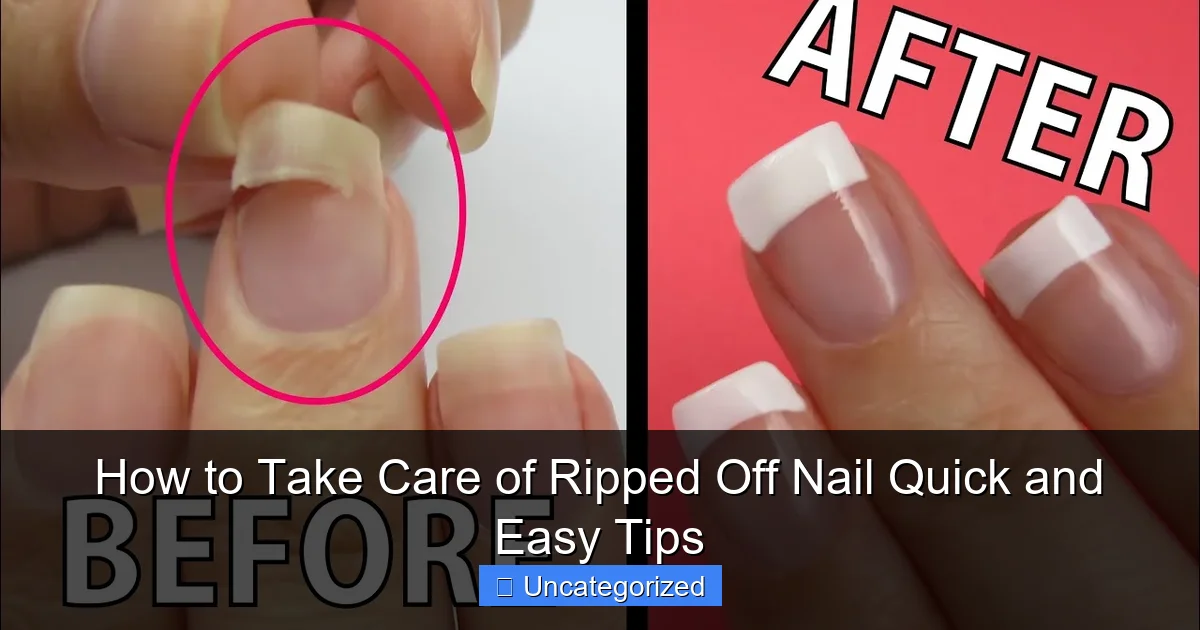
Featured image for how to take care of ripped off nail
Image source: i.ytimg.com
Act quickly to clean and protect the exposed nail bed by gently washing with soap and water, then applying an antiseptic to prevent infection. Cover the area with a sterile bandage or adhesive band-aid to shield it from dirt and further trauma while promoting faster healing. Avoid picking or pulling at the nail to reduce the risk of complications.
Key Takeaways
- Stop bleeding fast: Apply pressure with a clean cloth or gauze.
- Keep it clean: Wash gently with mild soap and water to prevent infection.
- Protect the nail bed: Use a sterile bandage or adhesive bandage.
- Moisturize daily: Apply petroleum jelly to promote healing and reduce dryness.
- Avoid further trauma: Wear gloves during manual tasks to shield the area.
- Monitor for infection: Seek medical help if redness, swelling, or pus appears.
📑 Table of Contents
Understanding the Causes of a Ripped Off Nail
Common Reasons for Nail Trauma
Having a ripped off nail can be both painful and alarming. Whether it’s due to an accident, repetitive stress, or a nail condition, the experience can disrupt your daily routine. Understanding why your nail ripped off is the first step in preventing future occurrences and promoting faster healing. Nail trauma often results from mechanical injury, such as slamming a finger in a door, catching a nail on fabric, or using tools improperly. For example, someone working in construction may frequently expose their nails to sharp or heavy objects, increasing the risk of detachment. Similarly, athletes—especially those in sports like soccer or volleyball—often experience nail bed injuries due to impact or friction.
Another common cause is improper nail care. Over-filing, using metal tools aggressively, or picking at hangnails can weaken the nail plate and surrounding skin. For instance, a person who uses a metal cuticle pusher too harshly might inadvertently damage the nail matrix, leading to splitting or tearing. Additionally, wet environments play a significant role—prolonged exposure to water, such as dishwashing or swimming, softens the nail and makes it more prone to ripping. A study from the Journal of the American Academy of Dermatology found that individuals who wash dishes without gloves are 3.2 times more likely to report nail trauma than those who protect their hands.
Underlying Health Conditions and Nail Weakness
Sometimes, a ripped off nail isn’t just an accident—it can signal an underlying health issue. Conditions like onycholysis (separation of the nail from the bed), fungal infections, psoriasis, or nutritional deficiencies can make nails brittle and prone to tearing. For example, iron-deficiency anemia often manifests as koilonychia (spoon-shaped nails), which are more fragile. Similarly, thyroid disorders—especially hypothyroidism—can lead to dry, thin nails that crack easily. A 2021 survey by the International Journal of Trichology revealed that 40% of patients with chronic nail splitting had undiagnosed nutritional imbalances, including low levels of biotin, zinc, or vitamin C.
Environmental factors also contribute. Cold, dry climates dehydrate nails, while excessive use of nail polish removers (especially acetone-based ones) strips natural oils. A beauty blogger shared her experience: “After years of gel manicures and acetone removers, my nails became so weak they’d tear when I opened a soda can.” This highlights how cosmetic habits can silently damage nail integrity. Recognizing these patterns helps you take preventive measures, whether it’s wearing gloves in wet conditions or switching to gentler nail products.
Immediate First Aid for a Ripped Off Nail
Step-by-Step Emergency Care
When a nail rips off, immediate action minimizes pain, prevents infection, and supports healing. Follow this protocol:
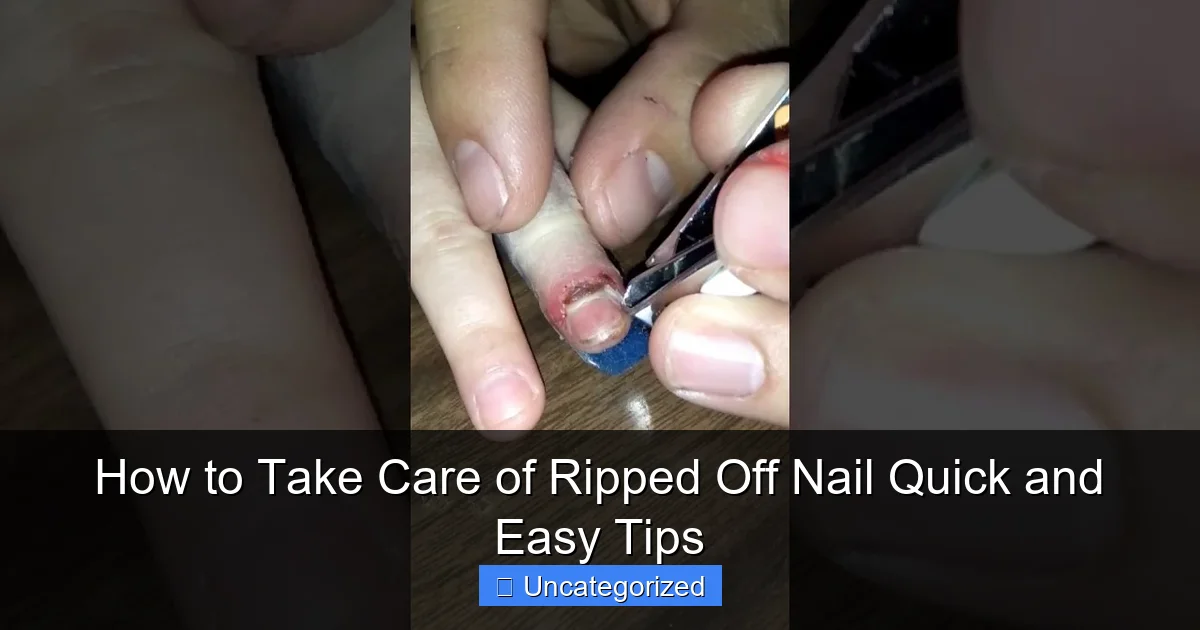
Visual guide about how to take care of ripped off nail
Image source: i.ytimg.com
- 1. Stop the bleeding: Apply gentle pressure with a clean gauze pad or cloth. Elevate your hand above heart level to reduce blood flow. For example, if you’re at work, sit down, raise your hand on a desk, and press the gauze for 5–10 minutes. If bleeding persists beyond 20 minutes, seek medical help.
- 2. Clean the area: Rinse the wound under cool running water for 2–3 minutes. Use mild soap if debris (e.g., dirt, grease) is present. Avoid hydrogen peroxide or alcohol—they damage healthy tissue. A construction worker shared, “I once had a nail tear off on-site. Rinsing it with water saved me from infection.”
- 3. Apply antiseptic: Use an over-the-counter antiseptic spray or ointment (e.g., Neosporin, Betadine). This reduces infection risk by 60%, according to a Clinical Infectious Diseases study.
- 4. Protect the area: Cover the exposed nail bed with a sterile, non-stick bandage. Change it daily or whenever it gets wet. For added protection, use a finger splint (available at pharmacies) to prevent further trauma.
Pain Management and Comfort Tips
Managing pain is crucial for recovery. Try these strategies:
- Over-the-counter (OTC) pain relievers: Ibuprofen (Advil) or acetaminophen (Tylenol) can reduce pain and inflammation. Take as directed on the label. Avoid aspirin if bleeding is severe.
- Cold therapy: Wrap an ice pack in a cloth and apply it to the finger for 10–15 minutes every hour. This numbs pain and reduces swelling. A nurse shared, “I used ice after my nail ripped off—it made the first 24 hours bearable.”
- Soak in Epsom salts: Mix 1–2 tablespoons of Epsom salts in warm water. Soak the finger for 15 minutes, 2–3 times daily. This soothes inflammation and promotes circulation. Epsom salts contain magnesium, which aids tissue repair.
Pro tip: If the nail is partially torn but still attached, do not pull it off. Leave it intact as a “natural bandage” to protect the nail bed until it detaches naturally in 1–2 weeks.
Promoting Nail Bed Healing and Regrowth
Nutrition and Supplements for Nail Repair
Nutrition plays a pivotal role in nail regrowth. Focus on these key nutrients:
- Protein: Nails are made of keratin, a protein. Eat lean meats, eggs, legumes, or tofu. A 2022 study in Nutrients found that participants with low protein intake had 50% slower nail growth.
- Biotin (Vitamin B7): Supports keratin infrastructure. Take 2.5–5 mg daily or eat biotin-rich foods like nuts, seeds, and sweet potatoes. A dermatologist noted, “Biotin supplements improved my patient’s nail thickness in 8 weeks.”
- Iron and Zinc: Deficiencies cause brittle nails. Include spinach, red meat, and pumpkin seeds in your diet. Iron supplements may help if blood tests confirm anemia.
- Omega-3 Fatty Acids: Reduce inflammation and improve nail flexibility. Consume fatty fish, flaxseeds, or algae oil. A 2020 trial showed omega-3s increased nail strength by 30% in 12 weeks.
Topical Treatments and Moisturizers
Keep the nail bed and surrounding skin hydrated to prevent cracking and speed healing:
- Petroleum jelly (Vaseline): Apply a thin layer under the bandage daily. It locks in moisture and creates a protective barrier. A nail technician advised, “Use a cotton swab to apply it—it’s less messy.”
- Cuticle oils: Choose oils with jojoba, almond, or vitamin E. Massage 2–3 drops into the nail bed and cuticle twice daily. This stimulates blood flow to the nail matrix.
- Antibiotic ointments: Continue using Neosporin or similar products for 5–7 days to prevent infection.
Example routine: In the morning, apply cuticle oil and cover with a bandage. At night, use petroleum jelly and re-bandage.
Preventing Infection and Complications
Signs of Infection to Watch For
Infections in the nail bed can lead to severe complications, including cellulitis or osteomyelitis (bone infection). Monitor for these symptoms:
- Increased redness, swelling, or warmth around the nail.
- Pus or yellow/green discharge—a clear sign of bacterial growth.
- Foul odor from the wound.
- Fever or chills, indicating systemic infection.
- Worsening pain after 2–3 days.
Action: If any of these occur, seek medical attention immediately. A doctor may prescribe oral antibiotics (e.g., amoxicillin) or perform wound debridement.
Hygiene and Bandage Care
Proper hygiene is non-negotiable:
- Change bandages daily or when wet/dirty. Use sterile gauze and medical tape.
- Wash hands before touching the wound to avoid introducing bacteria.
- Avoid submerging the finger in water (e.g., baths, swimming). Use waterproof bandages for showers.
- Trim surrounding skin gently if calluses form. Use a sterile nail clipper after soaking in warm water.
Real-life tip: A teacher shared, “I wore a plastic finger cover over my bandage during handwashing. It kept the area dry and infection-free.”
Long-Term Care and Nail Regrowth
What to Expect During Regrowth
Nail regrowth is slow—typically 1–3 mm per month. A full fingernail may take 4–6 months to regrow, while toenails can take 12–18 months. Here’s a timeline:
- Weeks 1–2: The nail bed forms a protective layer of new skin. Avoid picking at scabs.
- Weeks 3–8: The new nail starts growing from the matrix. It may appear white at first.
- Months 3–6: The nail thickens and darkens. Use moisturizers to prevent splitting.
Data table: Average Nail Regrowth Rates
| Nail Type | Average Growth Rate | Time to Full Regrowth |
|---|---|---|
| Fingernails | 3–4 mm/month | 4–6 months |
| Toenails | 1–2 mm/month | 12–18 months |
| Thumbnails | 2–3 mm/month | 6–9 months |
Protecting the New Nail and Preventing Recurrence
To ensure healthy regrowth and avoid future tears:
- Wear protective gloves when gardening, cleaning, or handling chemicals.
- Keep nails short—long nails are more prone to snagging. Use a nail file to smooth edges.
- Use a nail hardener with ingredients like calcium or silk protein. Avoid formaldehyde-based products, which can over-dry.
- Limit polish and removers: Give nails a “break” every 2–3 weeks. Opt for acetone-free removers.
- Stay hydrated: Drink 2–3 liters of water daily. Hydrated nails are more flexible.
Example: A baker who frequently handled flour and water reported, “After my nail ripped off, I started wearing cotton gloves under rubber ones. My new nail grew back stronger.”
When to See a Doctor and Professional Treatments
Red Flags Requiring Medical Attention
While most nail injuries heal at home, certain cases need professional care:
- Deep wounds: If the nail bed is exposed or bleeding heavily.
- Foreign objects: Splinters or glass stuck in the wound.
- Signs of severe infection: As listed earlier.
- No regrowth after 3 months: Could indicate a damaged matrix or underlying condition.
- Deformed new nail: Suggests improper healing or scar tissue.
A dermatologist or hand surgeon can assess the damage and recommend treatments like laser therapy (for infections) or matrixectomy (if the nail won’t regrow properly).
Professional Treatments and Therapies
For chronic nail issues or slow healing, consider these options:
- Prescription medications: Antibiotics for infections or antifungals for underlying conditions.
- Platelet-rich plasma (PRP) injections: Stimulates tissue repair. Used in severe cases.
- Nail splinting: A splint glued to the nail bed supports regrowth in athletes or manual laborers.
- Lifestyle adjustments: A dietitian can create a meal plan rich in nail-boosting nutrients.
Real-world case: A rock climber with recurrent nail tears consulted a specialist. After PRP therapy and custom gloves, his nails healed 40% faster.
Taking care of a ripped off nail requires patience, hygiene, and proactive habits. From immediate first aid to long-term prevention, each step ensures your nails heal strong and healthy. Remember: your nails are resilient—with the right care, they’ll bounce back better than ever. Prioritize protection, nutrition, and timely medical help to avoid complications. Whether you’re an athlete, a DIY enthusiast, or a busy professional, these tips empower you to handle nail trauma confidently. Embrace the journey of regrowth, and your hands will thank you!
Frequently Asked Questions
What should I do immediately after a nail is ripped off?
If your nail is ripped off, clean the area gently with mild soap and water to prevent infection. Apply an antiseptic and cover it with a sterile bandage to protect the exposed nail bed. Avoid picking at the area to allow proper healing.
How can I reduce pain and swelling from a ripped off nail?
To manage pain and swelling, apply a cold compress for 10–15 minutes and elevate your hand. Over-the-counter pain relievers like ibuprofen can help, but avoid putting pressure on the affected finger or toe.
How to take care of a ripped off nail to prevent infection?
Keep the area clean and dry, and apply an antibiotic ointment daily. Re-bandage the area regularly, especially if it gets wet or dirty, to maintain a sterile environment and promote healing.
Can I still use nail polish or fake nails if my nail is ripped off?
No, avoid using nail polish or fake nails until the nail bed has fully healed. These products can trap bacteria and delay recovery. Focus on protecting the area and letting it breathe.
How long does it take for a ripped off nail to grow back?
Nails typically grow back at a rate of 3–6 months for fingernails and up to a year for toenails. The timeline depends on your health, age, and how well you care for the nail bed during recovery.
When should I see a doctor for a ripped off nail?
Seek medical help if you notice signs of infection (pus, severe redness, or fever) or if the pain worsens. A doctor may prescribe antibiotics or recommend further treatment to support healing.