
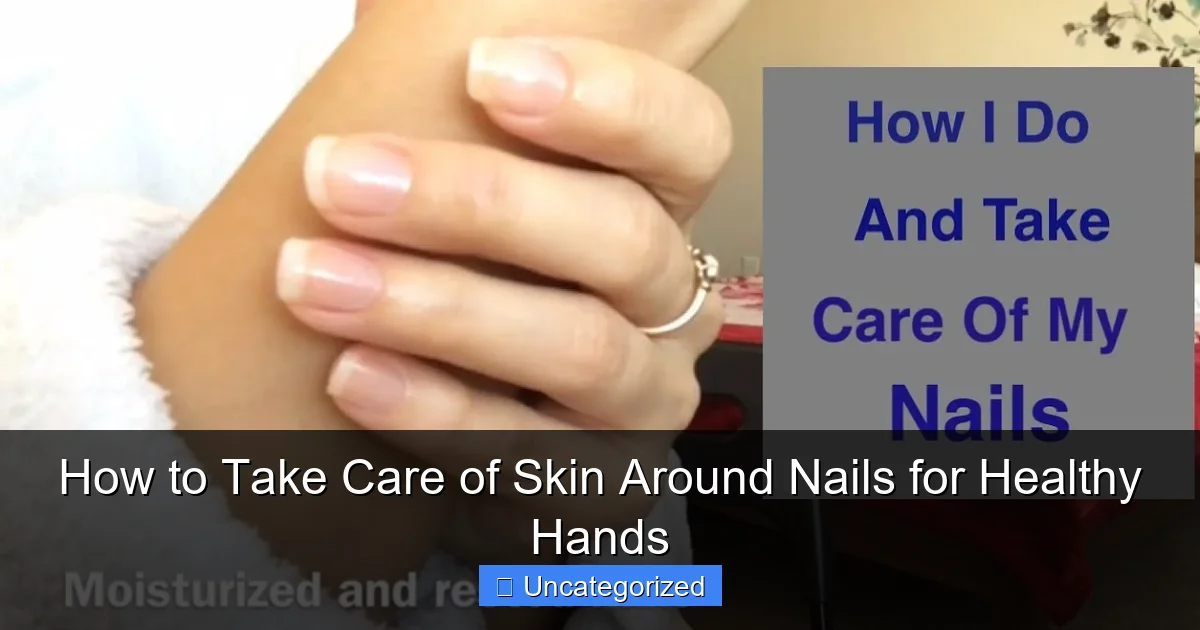
Featured image for how to take care of skin around nails
Image source: i.ytimg.com
Keep the skin around your nails healthy by moisturizing daily with a rich hand cream or cuticle oil to prevent dryness and cracking. Gently push back cuticles weekly and avoid harsh chemicals or excessive picking to maintain strong, resilient skin. Consistent care and protection from irritants ensure smooth, nourished skin and promote overall nail health.
Key Takeaways
- Moisturize daily: Apply hand cream to prevent dry, cracked skin around nails.
- Protect from chemicals: Wear gloves when cleaning or using harsh products.
- Trim cuticles safely: Avoid cutting; gently push back with a soft tool.
- Hydrate nails: Use cuticle oil to strengthen and nourish nail edges.
- Exfoliate weekly: Remove dead skin with a gentle scrub for smoother texture.
- Avoid picking: Stop tearing hangnails to prevent infections and damage.
📑 Table of Contents
- How to Take Care of Skin Around Nails for Healthy Hands
- Understanding the Anatomy of the Skin Around Nails
- Daily Habits for Nourishing the Skin Around Nails
- Weekly Maintenance: Exfoliation, Trimming, and Treatments
- Addressing Common Problems and Infections
- Nutrition and Supplements for Stronger Nail Skin
- Professional Care and When to Seek Help
How to Take Care of Skin Around Nails for Healthy Hands
The skin around your nails—often called the cuticles and periungual skin—is more than just an aesthetic feature. It’s a critical barrier that protects your nail matrix, the living tissue beneath your nail plate responsible for nail growth. When neglected, this delicate area can become dry, cracked, or infected, leading to painful hangnails, ingrown nails, or even fungal infections. Yet, despite its importance, the skin around nails is frequently overlooked in daily skincare routines. Whether you’re a busy professional, a parent, or someone who loves DIY manicures, taking care of this area is essential for both health and appearance.
Healthy skin around nails not only prevents infections but also enhances the overall look of your hands. Dry, peeling cuticles or ragged edges can make even the most polished nails appear unkempt. On the other hand, well-moisturized, smooth periungual skin gives your hands a refined, cared-for appearance. The good news? With a few simple, consistent habits, you can transform the health of your nail beds and cuticles. In this guide, we’ll explore the anatomy of the nail area, the common problems you might face, and a step-by-step routine to keep your skin around nails soft, strong, and infection-free. From daily care tips to professional treatments, this comprehensive approach will help you achieve and maintain healthy hands—one cuticle at a time.
Understanding the Anatomy of the Skin Around Nails
The Role of Cuticles and Periungual Skin
The skin surrounding your nails is a complex, highly specialized area composed of several key components. The cuticle (also known as the eponychium) is the thin layer of dead skin that seals the gap between your nail plate and the surrounding skin. Its primary function is to act as a protective barrier, preventing bacteria, fungi, and moisture from entering the nail matrix. Without this seal, your nails become vulnerable to infections and growth issues.
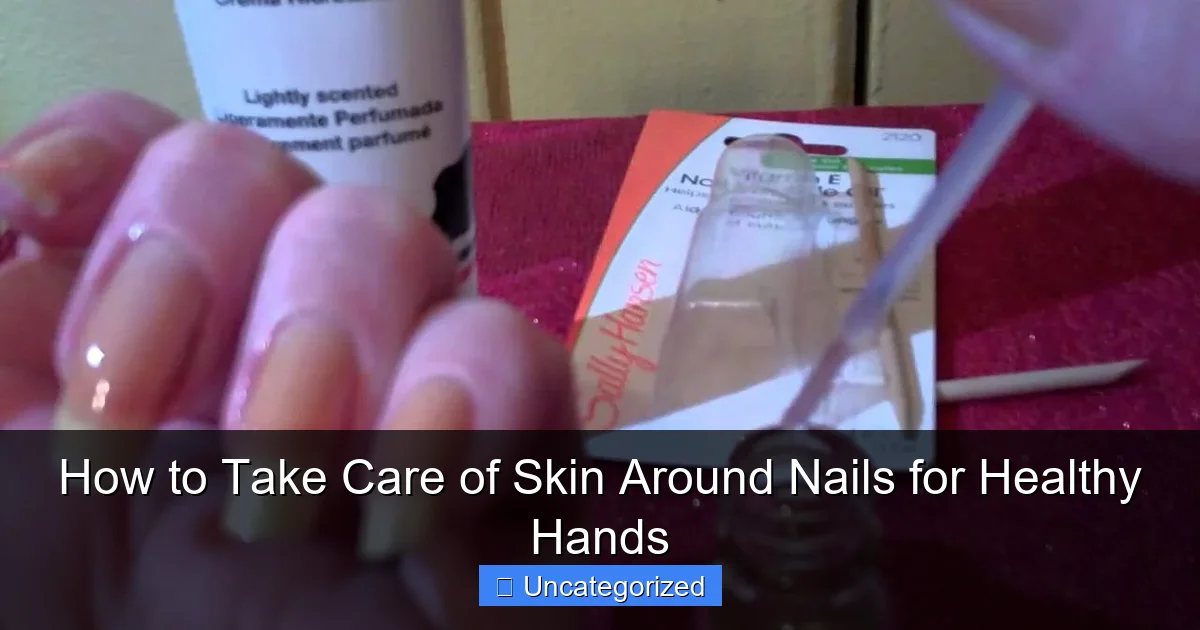
Visual guide about how to take care of skin around nails
Image source: i.ytimg.com
Adjacent to the cuticle is the periungual skin, which includes the skin on the sides of your nails (lateral nail folds) and the area under your free edge (hyponychium). This skin is thinner and more sensitive than the rest of your hand, making it prone to dryness, irritation, and trauma. The nail matrix—the living tissue beneath the base of the nail—produces new nail cells, and its health is directly influenced by the condition of the surrounding skin. When the periungual skin is inflamed or infected, it can disrupt nail growth, leading to ridges, discoloration, or slow regeneration.
Common Signs of Unhealthy Skin Around Nails
Recognizing the early signs of poor nail skin health is crucial for timely intervention. Look out for the following symptoms:
- Dryness and flakiness: A telltale sign of dehydration or over-exposure to water.
- Hangnails: Small tears in the cuticle or lateral folds, often caused by biting, picking, or improper cutting.
- Redness or swelling: May indicate inflammation or early infection (paronychia).
- Peeling or splitting: Can result from nutrient deficiencies or excessive use of harsh chemicals.
- Ridges or discoloration in the nail plate: Often a sign that the nail matrix is stressed due to skin issues.
For example, if you frequently wash dishes without gloves, the constant exposure to water and detergents can strip natural oils from the periungual skin, leading to dryness and hangnails. Similarly, using acetone-based nail polish removers too often can dehydrate the cuticles, making them brittle and prone to cracking.
Daily Habits for Nourishing the Skin Around Nails
Moisturize with the Right Products
Moisturization is the cornerstone of healthy nail skin. Unlike regular hand lotions, which may be too light for the delicate periungual area, you need products with occlusive (moisture-locking) and emollient (softening) ingredients. Look for:
- Shea butter or cocoa butter: Rich in fatty acids to repair dry skin.
- Jojoba oil or argan oil: Mimic the skin’s natural sebum for deep hydration.
- Beeswax or lanolin: Form a protective barrier against water and irritants.
- Urea (10-20%): A humectant that draws moisture into the skin.
For daily use, apply a cuticle oil or cream at least twice a day—once in the morning and once at night. A practical tip: Keep a travel-sized cuticle oil in your bag or desk drawer for quick reapplication after washing hands. For example, brands like CND SolarOil or OPI Cuticle Oil are formulated specifically for this area and absorb quickly without greasiness.
Gentle Cleansing and Hand Hygiene
While cleanliness is important, over-washing or using harsh soaps can strip the skin of natural oils. Follow these guidelines:
- Use pH-balanced, fragrance-free hand soap.
- Wash with lukewarm water (not hot) to avoid drying.
- Pat hands dry with a soft towel—never rub.
- Apply moisturizer immediately after drying (the “soak and seal” method).
For professionals who wash hands frequently (e.g., healthcare workers, chefs), consider wearing nitrile gloves during prolonged water exposure. If gloves aren’t practical, rinse hands with plain water after using soap, then reapply a protective balm.
Protect Your Hands from Environmental Stressors
Everyday activities can damage the skin around nails. Protect yourself by:
- Wearing rubber gloves when cleaning, gardening, or handling chemicals.
- Using nail-friendly tools (e.g., rubber-tipped cuticle pushers) instead of metal.
- Applying SPF 30+ hand cream daily—UV exposure ages skin and weakens nails.
- Avoiding nail biting or cuticle picking, which cause micro-tears and increase infection risk.
For instance, if you’re a gardener, opt for breathable, moisture-wicking gloves with a snug fit. If you’re outdoors, reapply hand cream with SPF every 2-3 hours.
Weekly Maintenance: Exfoliation, Trimming, and Treatments
Exfoliate to Remove Dead Skin
Exfoliation prevents buildup of dead skin cells that can clog the nail folds and lead to hangnails. Use a gentle physical or chemical exfoliant once or twice a week:
- Physical: A sugar scrub with jojoba oil or a soft nail brush. Gently massage the periungual area for 30 seconds.
- Chemical: Lactic acid (5-10%) or urea-based creams. These dissolve dead skin without abrasion.
Example routine: After showering (when skin is soft), apply a cuticle scrub, then rinse and follow with cuticle oil. Avoid exfoliating if you have active hangnails or inflammation.
Proper Cuticle Care: To Cut or Not to Cut?
There’s ongoing debate about cutting cuticles, but dermatologists generally advise against it. Cutting can damage the protective seal and increase infection risk. Instead:
- Push back cuticles with a wooden or rubber pusher after a shower or bath (when they’re soft).
- Use a cuticle nipper only for hangnails or loose, dead skin. Never cut live cuticles.
- Disinfect tools with rubbing alcohol before and after use.
Pro tip: Soak a cotton pad in warm water with a few drops of tea tree oil, then press it onto the cuticles for 5 minutes to soften them before pushing.
Weekly Nourishing Treatments
Boost hydration with targeted treatments:
- Cuticle masks: Apply a thick layer of shea butter or a commercial cuticle mask (e.g., Deborah Lippmann’s The Cure) and cover with cotton gloves overnight.
- Paraffin wax treatments: Heat-safe paraffin wax deeply moisturizes and improves circulation. Ideal for salon visits or at-home kits.
- Vitamin E oil: Apply directly to hangnails or dry patches to promote healing.
For a DIY treatment, mix 1 tbsp olive oil, 1 tsp honey, and 1 tsp aloe vera gel. Apply to the periungual area, leave for 10 minutes, then rinse.
Addressing Common Problems and Infections
Hangnails: Prevention and Treatment
Hangnails are painful tears in the cuticle or lateral folds. To prevent them:
- Moisturize daily (see Section 2).
- Wear gloves during chores.
- Use a hangnail prevention cream with ceramides.
If you develop a hangnail:
- Do not bite or pick it—this can introduce bacteria.
- Clean the area with mild soap and water.
- Apply an antiseptic (e.g., tea tree oil or benzalkonium chloride).
- Trim it with sterilized nippers if loose.
- Cover with a small bandage until healed.
Paronychia: Recognizing and Treating Nail Infections
Paronychia (infection of the nail fold) causes redness, swelling, and pus. Causes include:
- Cutting cuticles.
- Biting nails.
- Exposure to moisture (e.g., dishwashing).
For mild cases:
- Soak the finger in warm water with Epsom salt 3-4 times daily.
- Apply an over-the-counter antibiotic ointment (e.g., Neosporin).
For severe cases (pus, fever, spreading redness), consult a doctor. They may prescribe oral antibiotics or drain the abscess.
Ingrown Nails: Causes and Remedies
Ingrown nails occur when the nail edge grows into the periungual skin. Risk factors include:
- Improper nail trimming (cutting too short or rounded).
- Tight shoes or gloves.
- Trauma to the nail.
Home remedies:
- Soak the foot/hand in warm water 3-4 times daily.
- Gently lift the nail edge with a cotton wick.
- Apply antibiotic ointment.
For persistent ingrown nails, seek professional care to avoid chronic infection or surgery.
Nutrition and Supplements for Stronger Nail Skin
Key Nutrients for Nail and Skin Health
Healthy skin around nails starts from within. Prioritize these nutrients:
- Biotin (B7): Supports keratin production. Found in eggs, nuts, and sweet potatoes. Supplement with 2,500–5,000 mcg/day.
- Vitamin E: An antioxidant that protects skin cells. Sources: almonds, sunflower seeds, spinach.
- Omega-3 fatty acids: Reduce inflammation and improve skin elasticity. Found in fatty fish, flaxseeds, and walnuts.
- Zinc: Essential for wound healing. Sources: oysters, pumpkin seeds, lentils.
- Collagen: Promotes skin elasticity. Consider a hydrolyzed collagen supplement (10g/day).
Hydration and Dietary Habits
Dehydration worsens dry skin. Drink at least 8-10 glasses of water daily. Limit diuretics (coffee, alcohol) that dehydrate. Eat a balanced diet rich in:
- Leafy greens: High in vitamins A, C, and K.
- Colorful fruits/vegetables: Packed with antioxidants.
- Lean proteins: Provide amino acids for skin repair.
Example meal: Grilled salmon (omega-3s), quinoa (zinc), and roasted sweet potatoes (biotin) with a spinach salad (vitamins A/C).
When to Consider Supplements
If your diet lacks key nutrients, supplements can help. Consult a doctor before starting any regimen. A typical nail-support stack includes:
- Biotin (2,500 mcg/day).
- Vitamin E (400 IU/day).
- Omega-3s (1,000–2,000 mg EPA/DHA daily).
- Zinc (15–30 mg/day).
Professional Care and When to Seek Help
Salon Treatments for Nail Skin
Professional manicures can enhance nail skin health when done correctly:
- Paraffin wax: Deeply hydrates and soothes.
- Cuticle oil treatments: Use high-quality oils (e.g., jojoba, rosehip).
- Hydration masks: Contain hyaluronic acid or ceramides.
Ensure salons sterilize tools and avoid cutting cuticles. If you have sensitive skin, bring your own products.
When to See a Dermatologist or Podiatrist
Seek professional help if you experience:
- Persistent redness, swelling, or pain.
- Recurrent infections (more than 2-3 times/year).
- Thickened, discolored, or pitted nails (signs of fungal infection).
- Sudden changes in nail shape or growth.
Doctors may prescribe topical/oral antibiotics, antifungals, or corticosteroids. In severe cases, minor surgery may be needed.
Data Table: Common Nail Skin Issues and Treatments
| Condition | Primary Causes | Home Remedies | Medical Treatment |
|---|---|---|---|
| Hangnails | Dryness, picking, trauma | Moisturize, trim loose skin | Antiseptic ointment |
| Paronychia | Bacteria/fungi, moisture | Warm soaks, antibiotic cream | Oral antibiotics, drainage |
| Ingrown Nail | Improper trimming, pressure | Soaks, cotton wick | Nail avulsion, surgery |
| Nail Fungus | Fungal infection | Tea tree oil, Vicks VapoRub | Oral antifungals (e.g., terbinafine) |
Taking care of the skin around your nails is a small investment with big rewards. From preventing painful infections to achieving a polished, professional look, a consistent routine pays off. Remember: healthy periungual skin starts with daily moisturization, gentle hygiene, and protection from environmental stressors. Add weekly exfoliation and nourishing treatments, and don’t neglect the role of nutrition and hydration. If problems arise, act early—whether with home remedies or professional care.
Your hands are your most used tools—treat them with kindness. By prioritizing the health of your cuticles and periungual skin, you’ll not only protect your nails but also enhance the overall appearance of your hands. Start today with one simple step: apply a cuticle oil before bed. Over time, these small acts of care will build resilient, beautiful skin around your nails. After all, healthy hands aren’t just about looking good—they’re about feeling good, too. So go ahead, pamper your hands, and let your nails shine with strength and vitality.
Frequently Asked Questions
Why is the skin around my nails dry and cracked?
Dry, cracked skin around nails is often caused by frequent hand washing, cold weather, or exposure to harsh chemicals. To prevent this, moisturize daily with a nourishing hand cream and wear gloves during chores to protect the delicate skin.
How can I take care of skin around nails to prevent hangnails?
Keep the area hydrated with cuticle oil or a thick balm, and avoid picking or biting the skin. Regularly exfoliate with a gentle scrub to remove dead skin cells and promote healthy regeneration.
What’s the best way to treat inflamed skin around nails?
Apply an antibacterial ointment and cover with a bandage to reduce irritation. For persistent redness or swelling, consult a dermatologist—it could signal an infection like paronychia.
How often should I use cuticle oil for healthy skin around nails?
Apply cuticle oil 2–3 times daily, especially after hand washing, to lock in moisture. Consistent use strengthens the nail bed and prevents peeling or splitting of the surrounding skin.
Can I use hand cream for skin around nails, or do I need special products?
Hand creams with shea butter, glycerin, or hyaluronic acid work well, but targeted cuticle oils or balms provide deeper hydration. For best results, combine both—apply cream for overall care and oil for focused treatment.
Why does the skin around my nails peel, and how can I stop it?
Peeling is often due to dehydration, vitamin deficiencies (like biotin), or excessive water exposure. Boost hydration with occlusive balms and wear gloves when washing dishes to shield the skin.