
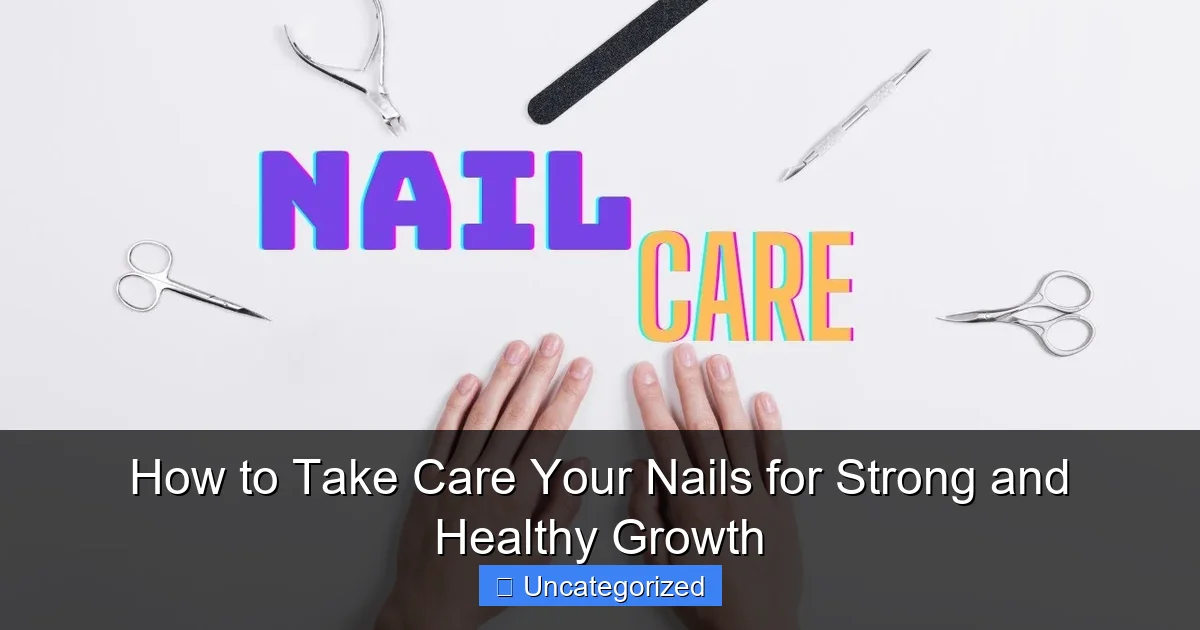
Featured image for how to take care your nails
Image source: i.ytimg.com
Keep your nails clean and dry to prevent bacterial growth and weakening—this foundational habit supports long-term nail strength. Moisturize daily with cuticle oil and hand cream, and avoid harsh chemicals by wearing gloves during chores, ensuring resilient, healthy nail growth.
Key Takeaways
- Moisturize daily: Apply cuticle oil or cream to prevent dryness and cracking.
- Trim regularly: Cut nails straight across to avoid ingrown edges and splits.
- Protect with gloves: Wear gloves during chores to shield nails from harsh chemicals.
- Eat nail-friendly foods: Boost growth with protein, biotin, and omega-3-rich foods.
- Limit polish remover: Use acetone-free removers to prevent brittleness and damage.
- Buff gently: Smooth nails lightly to enhance shine without thinning the surface.
📑 Table of Contents
Understanding the Basics of Nail Health
The Anatomy of Your Nails
Your nails are more than just a canvas for polish—they’re a reflection of your overall health and a vital part of your body’s protective system. Composed primarily of keratin, a tough protein also found in hair and skin, nails serve as a shield for the sensitive tips of your fingers and toes. Understanding their structure is key to proper care. The visible part of the nail is the nail plate, which rests on the nail bed, where new cells grow. The cuticle seals the base of the nail to protect it from infection, while the lunula—the pale half-moon near the cuticle—marks the visible portion of the nail matrix, where nail cells are produced.
Healthy nails grow about 3.5 millimeters per month on fingers and half that on toes. Growth rates vary by age, health, and season (faster in summer), but consistent care can optimize this process. Weak, brittle, or discolored nails often signal underlying issues, from dehydration to nutritional deficiencies. For example, white spots (leukonychia) may indicate trauma, while yellowing can point to fungal infections or excessive polish use. Recognizing these signs early empowers you to act before problems escalate.
Why Nail Care Matters
Neglecting nail care can lead to painful ingrown nails, fungal infections, or even systemic health clues. For instance, spoon-shaped nails (koilonychia) may suggest iron deficiency, while ridges could hint at thyroid imbalances. Beyond health, well-maintained nails enhance confidence and prevent social discomfort—imagine a job interview or date with cracked, peeling tips. Daily habits like typing, gardening, or even frequent handwashing can stress nails, making proactive care essential. A 2021 Journal of Cosmetic Dermatology study found that 68% of participants who followed a structured nail regimen reported stronger nails within three months. Investing a few minutes daily pays dividends in resilience and appearance.
Daily Habits for Optimal Nail Care
Moisturize Like a Pro
Dry, brittle nails are a universal woe, often caused by environmental exposure (cold air, harsh soaps) or dehydration. To combat this, moisturize nails and cuticles twice daily using a blend of emollients and humectants. Look for products containing:
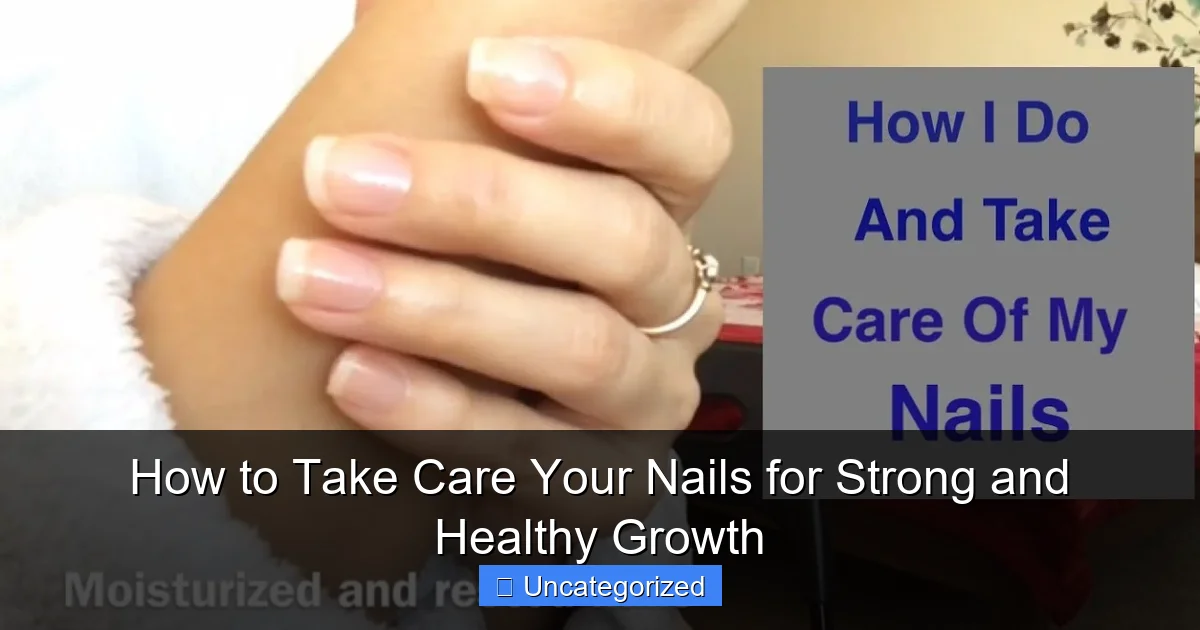
Visual guide about how to take care your nails
Image source: i.ytimg.com
- Shea butter and jojoba oil (emollients that seal in moisture)
- Hyaluronic acid (draws water into the nail plate)
- Lanolin (mimics the skin’s natural oils)
Apply after washing hands or showering, when nails are most receptive. For an intensive treatment, massage a thick balm into nails and wear cotton gloves overnight. Pro tip: Keep a travel-sized cuticle oil in your bag for midday hydration—especially if you work with paper or frequent sanitizer use.
Gentle Cleaning and Hygiene
Over-cleaning or using abrasive tools can damage the nail plate and cuticles. Follow these steps for safe hygiene:
- Wash nails with lukewarm water and mild soap (avoid antibacterial soaps with harsh sulfates).
- Use a soft-bristled nail brush to remove debris, but limit scrubbing to 10–15 seconds per hand.
- Disinfect tools weekly with rubbing alcohol to prevent bacterial growth.
- Always dry nails thoroughly—prolonged moisture breeds fungi.
Example: A nurse in a hospital setting should sanitize hands but follow up with a moisturizing cream to counteract alcohol’s drying effects. Avoid metal cuticle pushers; opt for wooden or silicone alternatives to reduce micro-tears.
Smart Nail Length and Shape
Long nails are glamorous but require extra care. For strength, keep nails no longer than 2–3 millimeters past the fingertip. Use a glass or crystal nail file (never metal or emery boards) to shape in one direction—sawing back and forth creates fissures. Popular shapes and their benefits:
- Square: Durable but prone to snagging; ideal for short nails.
- Oval: Reduces breakage risk; suits most hand types.
- Almond: Elegant but requires frequent maintenance to prevent splitting.
Trim nails weekly with sharp, clean clippers. Soak them in warm water for 5 minutes first to prevent splitting.
Nutrition and Supplements for Nail Growth
Essential Nutrients for Strong Nails
Nails are 80% protein, so a balanced diet is non-negotiable. Key nutrients include:
- Biotin (Vitamin B7): Supports keratin infrastructure. A 2017 meta-analysis linked 2.5 mg/day to reduced brittleness.
- Iron: Prevents koilonychia. Pair plant-based iron (spinach, lentils) with vitamin C (citrus) for absorption.
- Zinc: Repairs nail tissue. Oysters, pumpkin seeds, and beef are top sources.
- Omega-3s: Reduce inflammation. Aim for 1–2 servings of fatty fish (salmon, mackerel) weekly.
- Vitamin E: Acts as an antioxidant. Found in almonds, sunflower seeds, and avocados.
Example: A vegetarian can boost iron intake with lentil soup + bell peppers (vitamin C) and pair biotin-rich walnuts with yogurt for a snack.
When to Consider Supplements
While diet should be your first line of defense, supplements help address deficiencies. Consult a doctor before starting any regimen, but common options include:
- Biotin: 2.5–10 mg/day (excess may interfere with lab tests).
- Collagen peptides: 10–20 g/day to support nail matrix health.
- Multivitamins: Choose one with 100% RDA of B vitamins, iron, and zinc.
Warning: Over-supplementing zinc (above 40 mg/day) can cause copper deficiency, worsening nail health. A 2020 Nutrients study found that 30% of participants with brittle nails improved with a 3-month biotin + zinc combo.
Professional and DIY Treatments
Salon vs. Home Care: Pros and Cons
Professional manicures offer precision and relaxation, but frequent gel or acrylic use can thin natural nails. Compare your options:
- Salon manicures: Ideal for special occasions. Opt for “dip powder” (less damaging than gels) and request a buffing finish instead of excessive filing.
- DIY care: Cost-effective and safer. Use a 3-way buffer to add shine without polish.
- Hybrid approach: Visit salons quarterly for deep treatments (e.g., paraffin wax) and maintain daily routines at home.
Tip: If you get gels, ask for “soak-off” instead of filing to preserve nail thickness. Always bring your own tools to avoid cross-contamination.
Strengthening Treatments and Masks
For weak nails, try these science-backed treatments:
- Protein-rich masks: Mix 1 tbsp gelatin + 2 tbsp water; apply weekly for 10 minutes.
- Oil soaks: Warm coconut oil + 5 drops tea tree oil (antifungal). Soak for 15 minutes 3x/week.
- Nail hardeners: Use sparingly (2x/week) to avoid brittleness. Look for formaldehyde-free formulas with calcium or wheat protein.
Data table: Effectiveness of common treatments
| Treatment | Frequency | Time to See Results | Best For |
|---|---|---|---|
| Cuticle oil | 2x/day | 2 weeks | Dry, peeling nails |
| Biotin supplements | Daily | 3 months | Biotin deficiency |
| Paraffin wax | 1x/week | 4 weeks | Cracked cuticles |
| Gelatin soak | 1x/week | 6 weeks | Brittle nails |
Protecting Nails from Damage
Workplace and Activity-Specific Tips
Nails face daily threats—from chemicals to repetitive stress. Tailor your protection:
- Office workers: Use a keyboard wrist rest to reduce pressure on nails. Keep hand cream at your desk.
- Cleaners/cooks: Wear nitrile gloves (latex can trigger allergies) and apply a barrier cream before shifts.
- Gardeners: Use thick gloves and a nail brush to remove soil without damaging cuticles.
- Swimmers: Rinse nails immediately after chlorine exposure and apply oil to counteract dryness.
Example: A hairdresser should use gloves while coloring hair and avoid using nails as tools (e.g., opening bottles).
Seasonal Nail Care
Climate dramatically affects nail health:
- Winter: Cold air + indoor heating = dehydration. Use a humidifier and wear gloves outdoors. Apply a thick balm (e.g., beeswax-based) before bed.
- Summer: UV exposure weakens nails. Wear SPF 30+ hand cream and reapply after swimming.
- Rainy seasons: Prolonged moisture breeds fungi. Dry feet thoroughly and use antifungal powder in shoes.
Pro tip: In high-altitude areas, increase biotin intake to counter thinner nail growth caused by lower oxygen levels.
When to See a Dermatologist
Red Flags and Professional Care
Most nail issues improve with care, but certain signs require medical attention:
- Discoloration: Yellow (fungus), black (trauma or melanoma), or blue (oxygen deficiency).
- Thickening: Often fungal; may require prescription antifungals.
- Separation from the bed (onycholysis): Could signal psoriasis or thyroid disease.
- Persistent pain: Suggests infection or ingrown nail.
Dermatologists can diagnose conditions like onychomycosis (fungal infection) or lichen planus (inflammatory disorder) through biopsies or lab tests. Early intervention prevents permanent damage.
Advanced Treatments
For stubborn issues, professionals offer:
- Laser therapy: Kills nail fungus with heat (6–12 sessions).
- Topical steroids: For inflammatory conditions like psoriasis.
- Nail avulsion: Surgical removal for severe ingrown nails.
Example: A diabetic with recurring fungal infections might need oral antifungals due to slower healing.
Healthy nails are achievable with consistency, not magic. By integrating daily moisturizing, nutrient-rich meals, protective habits, and professional guidance when needed, you’ll build resilience from the inside out. Remember: strong nails grow slowly—patience is key. Start with one change (e.g., nightly oil application) and build your regimen. In three months, you’ll see fewer breaks, faster growth, and a glow that no polish can mimic. Your nails aren’t just for show—they’re a testament to your self-care. Treat them kindly, and they’ll reward you with strength and beauty for years to come.
Frequently Asked Questions
How to take care your nails to prevent breakage?
Keep your nails trimmed and filed to avoid snagging, and apply a strengthening base coat regularly. Moisturize cuticles daily with cuticle oil to maintain flexibility and reduce splitting.
What’s the best way to moisturize nails and cuticles?
Use a nourishing cuticle oil or hand cream with ingredients like jojoba oil, shea butter, or vitamin E. Massage it into your nails and cuticles at least once a day for optimal hydration.
How often should I trim and shape my nails?
Trim your nails every 1–2 weeks, depending on growth speed, and file them weekly to maintain shape. Always file in one direction to prevent weakening the nail structure.
Can diet affect how to take care your nails?
Yes! A balanced diet rich in biotin, protein, iron, and omega-3s supports strong, healthy nail growth. Include foods like eggs, nuts, spinach, and salmon for best results.
Why do my nails peel, and how can I fix it?
Peeling often results from dehydration, excessive water exposure, or harsh chemicals. Wear gloves when cleaning and apply a hydrating nail treatment to restore moisture and strength.
Is it safe to use nail polish removers frequently?
Limit use of acetone-based removers, as they can dry out nails. Opt for acetone-free formulas and give your nails a break between polishes to recover.