Featured image for this comprehensive guide about does caudalie haircare cruelty free
Image source: i1.wp.com
Is Caudalie Haircare Cruelty-Free?
In today’s conscious consumer landscape, the demand for ethical and sustainable beauty products is stronger than ever. From skincare to makeup, and increasingly to haircare, people want to know that the products they use align with their values. One question frequently asked by those seeking to make more compassionate choices is: “Is Caudalie Haircare cruelty-free?”
Caudalie, a French brand renowned for its Vinothérapie-inspired products and natural ingredients derived from grapes, has a loyal following. Their haircare line, promising everything from shine to repair, has captured attention. But for many, a product’s effectiveness and natural origins aren’t enough; its ethical standing is paramount. Let’s delve deep into Caudalie’s policies, their market presence, and what “cruelty-free” truly means to uncover the answer regarding Caudalie Haircare’s cruelty-free status.
📋 Table of Contents
- Decoding Cruelty-Free: What Does It Really Mean?
- Caudalie’s Stance on Animal Testing
- The China Conundrum: A Key Hurdle for Cruelty-Free Brands
- Beyond the Brand: Supply Chain and Third-Party Testing
- Are Caudalie Haircare Products Vegan? A Related Consideration
- Making Informed Choices: Your Guide to Cruelty-Free Haircare
- Conclusion
Decoding Cruelty-Free: What Does It Really Mean?
Before we can determine if Caudalie Haircare is cruelty-free, it’s essential to understand the comprehensive definition of “cruelty-free” in the beauty industry. This term is often misunderstood and can be applied inconsistently, leading to confusion among consumers.
Generally, a truly cruelty-free brand meets several stringent criteria, ensuring no animal harm throughout the product lifecycle:
| Cruelty-Free Criterion | Caudalie’s Official Stance | Third-Party Certification Status | Implication for Consumers |
|---|---|---|---|
| **Direct Animal Testing** | “We do not test our products or ingredients on animals.” | **Not** certified by Leaping Bunny or PETA’s Beauty Without Bunnies. | Brand states no direct testing, but lacks independent verification. |
| **Supplier/Third-Party Testing** | “Our suppliers do not test raw materials on animals.” | Certifications (like Leaping Bunny) include rigorous supplier audits, which Caudalie has not undergone. | Relies on brand’s internal claims; no independent audit of the supply chain for animal testing. |
| **Sales in Mainland China** | Yes, Caudalie products are sold in physical stores in mainland China. | Major cruelty-free certifications generally **do not** approve brands selling in mainland China due to mandatory post-market animal testing requirements. | This market presence is the primary reason Caudalie is not considered truly cruelty-free by leading organizations. |
| **Parent Company Policy** | Caudalie is an independent, family-owned brand. | Not applicable, as there is no parent company that tests on animals. | A positive aspect, as the brand’s policies are not influenced by a non-cruelty-free parent company. |
| **Haircare Product Specifics** | Caudalie’s haircare range (e.g., Vinoperfect, Resveratrol-Lift) falls under the company’s overall policy. | No separate certification specifically for their haircare line. | The cruelty-free assessment for the entire brand applies directly to its haircare products. |
- No Animal Testing on Finished Products: The final formulation of the product must not be tested on animals by the brand or any third party on its behalf.
- No Animal Testing on Ingredients: None of the raw materials or individual ingredients used in the product are tested on animals, either by the brand or its suppliers.
- No Third-Party Animal Testing: The brand does not commission or pay any external entity to conduct animal testing on its behalf at any stage.
- No Animal Testing “Where Required by Law”: This is a crucial distinction. A brand is considered fully cruelty-free only if it does not sell its products in any market (like mainland China for many years) where animal testing is legally mandated for imported cosmetics.
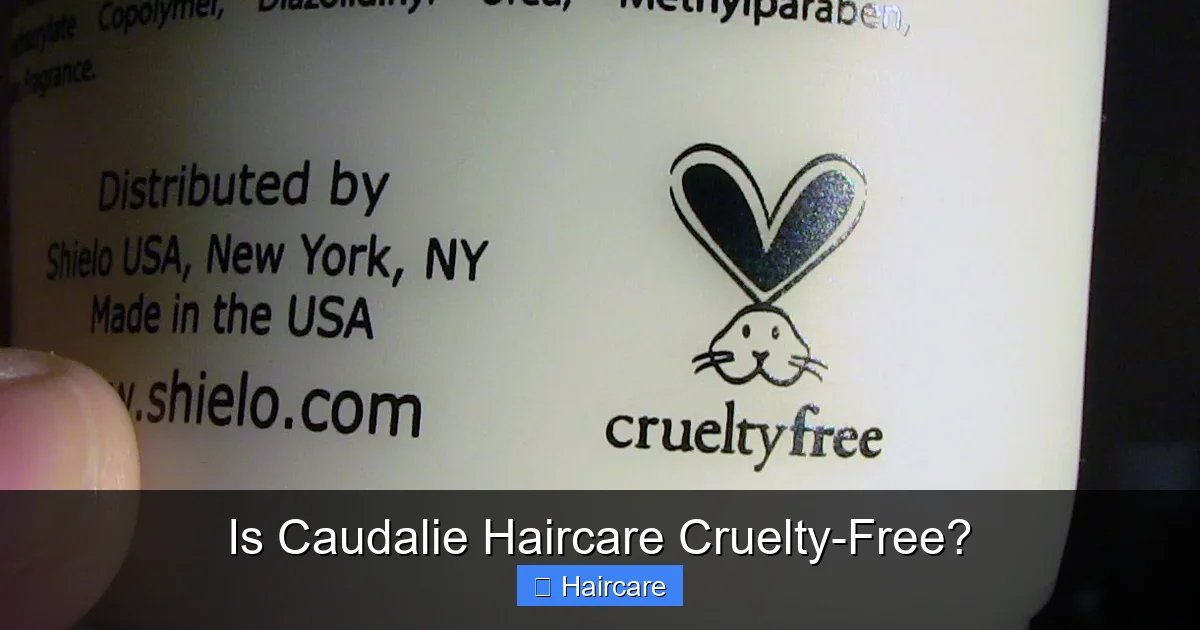
Reputable organizations such as Leaping Bunny and PETA’s Beauty Without Bunnies program provide certifications for brands that adhere to these comprehensive standards, offering consumers clarity and peace of mind. Without such certification, a brand’s claim of being “cruelty-free” can often be ambiguous or incomplete.
Caudalie’s Stance on Animal Testing
Caudalie’s official position on animal testing is explicitly stated on their website, highlighting their long-standing commitment: “Since Caudalie was created in 1995, we have been fundamentally against animal testing. We do not test our products or ingredients on animals, nor do we ask anyone to do so on our behalf.” This statement indicates a direct and internal commitment from the brand to avoid animal testing.
Learn more about does caudalie haircare cruelty free – Is Caudalie Haircare Cruelty-Free?
Image source: 4.bp.blogspot.com
The brand further clarifies that they ceased all animal testing for their products and ingredients in 2006. They also emphasize their active investment in alternative testing methods, such as using reconstructed skin models and various in-vitro tests, to ensure product safety and efficacy without involving animals. This dedication to ethical development in formulation is a positive aspect of Caudalie’s philosophy.
However, the narrative around Caudalie animal testing becomes significantly more complex and nuanced when considering their global market reach and compliance with diverse regulatory requirements.
The China Conundrum: A Key Hurdle for Cruelty-Free Brands
Herein lies the primary challenge in answering “Is Caudalie Haircare cruelty-free?” For many years, and still in various contexts, brands wishing to sell beauty products in physical retail stores in mainland China have been legally required to submit their products for animal testing. This mandatory testing can occur either before the product is sold (pre-market testing) or even after it has reached consumers (post-market testing).
Learn more about does caudalie haircare cruelty free – Is Caudalie Haircare Cruelty-Free?
Image source: crueltyfreesoul.com
Caudalie, like many other large international beauty brands, has a substantial retail presence in mainland China. While the brand adamantly maintains that they themselves do not conduct animal tests, their decision to operate in this specific market means that their products, including their popular haircare range, become subject to these mandatory animal tests performed by Chinese regulatory authorities. This distinction is critical for evaluating a brand’s overall cruelty-free status.
Consequently, although Caudalie itself does not *perform* the tests, they consent to having their products sold in a market where such tests are legally mandated and carried out by local authorities. This stance is precisely why organizations with stringent cruelty-free standards, such as Leaping Bunny, do not certify Caudalie. Leaping Bunny certification requires a complete absence of animal testing at all stages of product development and in all markets where a brand sells. This is why many respected ethical beauty directories consistently list Caudalie Haircare as not being truly cruelty-free.
Recent Developments in China: A Note on Evolving Regulations
It’s important to acknowledge that China has been gradually reforming its animal testing requirements. From May 2021, *certain* categories of imported “general cosmetics” (which exclude “special-use” cosmetics like hair dyes, sunscreens, and anti-hair loss products) may be exempt from pre-market animal testing, provided brands can meet specific non-animal testing certifications in their home countries and fulfill other regulatory requirements. However, post-market testing can still occur, and the rules remain complex and subject to continuous change. For a brand to be considered strictly cruelty-free by global standards, it must ensure absolutely no animal testing occurs anywhere in its supply chain or market presence, including any governmental requirements.
Beyond the Brand: Supply Chain and Third-Party Testing
Achieving a truly cruelty-free status also hinges on the integrity of the entire supply chain. Caudalie states that they collaborate closely with their suppliers to verify that ingredients are not tested on animals, indicating a commendable level of due diligence in their sourcing processes.
However, as previously discussed, the “where required by law” clause in China overshadows these efforts. Even if ingredient suppliers adhere to non-animal testing policies, the final product can still be subjected to testing once it enters the Chinese market. This is the predominant reason why many dedicated cruelty-free haircare advocates and watchdog organizations do not consider Caudalie to be fully cruelty-free.
The absence of a widely recognized, independent third-party certification like Leaping Bunny makes it challenging for consumers to verify the full extent of a brand’s claims, particularly when navigating complex international regulations. Leaping Bunny certification, for instance, involves rigorous, ongoing auditing of a brand’s entire supply chain to ensure consistent compliance with its strict, no-exceptions standards.
Are Caudalie Haircare Products Vegan? A Related Consideration
It’s crucial to understand the distinction between “cruelty-free” and “vegan.” A product can be cruelty-free but not vegan (containing animal-derived ingredients such as honey, beeswax, or carmine). Conversely, a product can be vegan (free from animal ingredients) but from a brand that is not considered cruelty-free overall if, for example, they sell in markets requiring animal testing.
Caudalie has demonstrated a strong commitment to increasing its vegan offerings across its product lines. Many of their products are indeed vegan, meaning they contain no ingredients of animal origin. Specifically for their haircare, many formulations are likely free from animal-derived ingredients. Caudalie explicitly communicates its aim for 100% vegan formulations in new product development wherever feasible. If you are specifically seeking a vegan Caudalie haircare product, it is always best to meticulously check the individual product’s ingredient list and specific labeling, as not all products currently in their extensive lineup are vegan, even if many are plant-based.
Therefore, while you might successfully find a vegan Caudalie haircare product, this characteristic does not automatically confer full cruelty-free status to the brand, primarily due to the animal testing requirements in specific markets where they operate.
Making Informed Choices: Your Guide to Cruelty-Free Haircare
Understanding the nuances of cruelty-free claims empowers you to make purchasing decisions that genuinely align with your ethical values. If avoiding all forms of animal testing is your absolute top priority, here’s how you can confidently navigate the market:
- Look for Official Certifications: The most reliable method to identify truly cruelty-free haircare is to seek out official, independent certifications. The Leaping Bunny logo is widely regarded as the gold standard, ensuring that no animal testing has occurred at any stage of product development, production, by suppliers, or by third parties, and crucially, the brand does not sell in any market that mandates animal testing. PETA’s Beauty Without Bunnies program is another valuable resource.
- Thoroughly Research Brand Policies: Always visit brand websites and carefully read their explicit statements regarding animal testing. Pay close attention to any clauses such as “unless required by law,” as these often indicate a compromise on strict cruelty-free principles.
- Consult Dedicated Cruelty-Free Databases: Websites like Cruelty-Free Kitty, Ethical Elephant, and Logical Harmony maintain extensively researched and frequently updated lists of cruelty-free brands, often providing detailed insights into their policies and market presence in regions like China.
- Read Ingredient Lists for Vegan Options: If your commitment extends to veganism, meticulously check ingredient lists for common animal-derived components such as keratin, silk protein, lanolin, honey, beeswax, or carmine.
- Prioritize Dedicated Cruelty-Free Brands: Choose to support brands that have made a fundamental, unwavering commitment to being cruelty-free from their inception and have consistently opted out of entering markets where animal testing is mandatory.
Globally, consumer demand for ethical products is continuously soaring. The cruelty-free beauty market size was valued at USD 10.4 billion in 2021 and is projected to grow significantly, indicating a powerful and accelerating trend towards more compassionate and conscious consumption. Your informed choices contribute directly to this positive industry shift!
Conclusion
So, is Caudalie Haircare cruelty-free? The answer, while complex, leads to “no” when applying the strictest and most widely accepted definitions of cruelty-free. While Caudalie itself explicitly states that it does not test its products or ingredients on animals and has made commendable efforts in ethical product development and vegan formulations, its decision to sell products in mainland China, where animal testing is often a legal requirement for imported cosmetics, means it cannot be considered a fully cruelty-free brand by organizations like Leaping Bunny.
For consumers whose top priority is a truly 100% cruelty-free haircare routine, it is essential to seek out brands that maintain a strict, no-exceptions policy regarding animal testing across all markets and ideally carry a recognized third-party certification. Caudalie’s commitment to natural ingredients and increasing vegan options represents a positive stride in ethical beauty, but its presence in China remains the pivotal factor preventing it from achieving full, unequivocal cruelty-free status.
Ultimately, the power to choose lies with you. By understanding these critical distinctions and nuances, you can make purchasing decisions that genuinely align with your personal ethical standards and actively support the beauty industry’s ongoing evolution towards more compassionate and responsible practices.
Frequently Asked Questions
Is Caudalie Haircare Cruelty-Free?
Caudalie officially states that they do not test their haircare products or ingredients on animals. However, because they sell in mainland China, where animal testing has historically been required by law for imported cosmetics, their cruelty-free status is debated by some organizations.
Does Caudalie test its haircare products on animals anywhere in the world?
Caudalie asserts that they do not conduct animal testing on their haircare products or ingredients themselves. They state that they are committed to finding alternative testing methods and ensuring their supply chain adheres to these ethical standards.
Are Caudalie’s haircare products sold in countries where animal testing is legally required?
Yes, Caudalie sells its haircare products in mainland China, which has historically mandated animal testing for many imported cosmetic products. While regulations are evolving, this market presence prevents them from being certified by strict cruelty-free organizations.
What is Caudalie’s official stance on animal testing for its haircare line?
Caudalie maintains a clear stance against animal testing, stating they have never tested their haircare formulas or ingredients on animals. They advocate for and invest in alternative testing methods that ensure product safety and efficacy without animal involvement.
Is Caudalie Haircare certified by any cruelty-free organizations?
Caudalie’s haircare is not certified by major independent cruelty-free organizations like Leaping Bunny or PETA. This is primarily due to their distribution in mainland China, which contradicts the strict “no animal testing anywhere in the world” criteria required by these certifications.
Are Caudalie’s haircare ingredients tested on animals?
Caudalie states that they ensure none of their haircare ingredients are tested on animals. They work closely with their suppliers to confirm that all raw materials comply with their strict no-animal-testing policy throughout the entire development process.