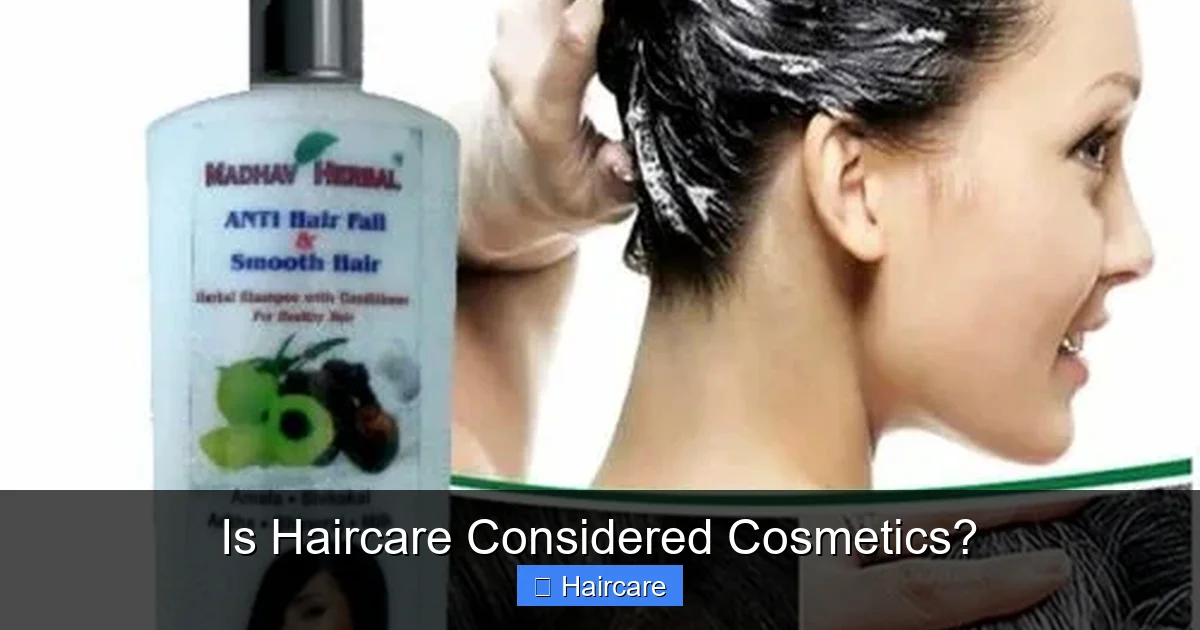
Featured image for this comprehensive guide about is haircare cosmetics industry
Image source: 5.imimg.com
Is Haircare Considered Cosmetics?
Ever wondered where your favorite shampoo, conditioner, or styling gel truly fits within the vast world of beauty? Is it just a personal hygiene item, or does it belong to the glamorous realm of cosmetics? This isn’t just a matter of semantics; it delves into how products are regulated, marketed, and perceived by consumers. The lines can often seem blurred, especially with an ever-evolving market that promises everything from a good cleanse to significant hair transformation. So, let’s unravel this fascinating question: is haircare cosmetics? The short answer is yes, but the journey to understanding why is rich with nuance and important distinctions.
In this comprehensive guide, we’ll dive deep into the official definitions, explore the regulatory landscape, examine the incredible growth of the haircare cosmetics industry, and provide you with actionable insights to make informed choices for your hair. Prepare to look at your daily hair routine with a new level of understanding!
📋 Table of Contents
- Decoding “Cosmetics”: The Official Stance
- Haircare’s Firm Place in the Cosmetic Spectrum
- The Regulatory Framework: What Defines Haircare as Cosmetic?
- Beyond Basic Beauty: Specialized Haircare and “Hairceuticals”
- Market Trends: The Thriving Haircare Cosmetics Industry
- Navigating Your Haircare Choices: A Consumer’s Guide
- Conclusion
Decoding “Cosmetics”: The Official Stance
To truly understand if haircare falls under the cosmetic umbrella, we must first look at how “cosmetics” are legally defined. In the United States, the Food and Drug Administration (FDA) is the primary regulatory body. The Federal Food, Drug, and Cosmetic Act (FD&C Act) defines cosmetics as “articles intended to be rubbed, poured, sprinkled, or sprayed on, introduced into, or otherwise applied to the human body for cleansing, beautifying, promoting attractiveness, or altering the appearance.”
This definition is crucial because it focuses on the product’s “intended use.” Notice what’s missing? Any claim of treating or preventing disease, or affecting the structure or function of the body. Products with such claims would typically be classified as drugs, or even a combination of both (a “cosmetic-drug” product). The key takeaway here is that if a product’s primary purpose is to clean, enhance, or change your appearance, it’s very likely a cosmetic. This foundational understanding sets the stage for why hair care products are squarely in this category.
| Aspect | Haircare Industry Characteristics | Broader Cosmetics Industry Characteristics | Relationship / Implication |
|---|---|---|---|
| **Primary Purpose** | Cleansing, conditioning, styling, and treating hair/scalp health; enhancing hair’s appearance. | Cleansing, beautifying, promoting attractiveness, or altering the appearance of the human body (skin, hair, nails, etc.). | Haircare’s functional and aesthetic goals align perfectly with the general definition of cosmetics. |
| **Product Scope** | Shampoos, conditioners, hair masks, serums, styling gels, hair sprays, colorants, scalp treatments. | Makeup, skincare, fragrances, body care, nail care, deodorants, sun care, *and* haircare products. | Haircare is a distinct and substantial product *category* within the wider cosmetics product portfolio. |
| **Regulatory Classification** | Generally regulated as cosmetic products by authorities like the FDA (US) or EU Commission. | Products applied to the external human body for cleansing, beautifying, promoting attractiveness, or altering appearance. | Haircare products meet the legal and regulatory definition of “cosmetics” in major global markets. |
| **Market Value (Approx. 2023/2024)** | ~$90-100 Billion USD (Global Market). | ~$550-600 Billion USD (Global Market). | Haircare represents a significant portion (approx. 15-20%) of the total global cosmetics market value. |
| **Industry Integration** | Major beauty conglomerates (L’Oréal, P&G, Unilever) have significant haircare divisions. | Companies often produce a wide range of beauty products, including haircare, skincare, and makeup. | Haircare is an integral and inseparable part of the beauty and personal care industry, which is synonymous with cosmetics. |
Haircare’s Firm Place in the Cosmetic Spectrum
Given the FDA’s definition, it becomes clear why haircare products are firmly classified as cosmetics. Think about your daily routine:
Learn more about is haircare cosmetics industry – Is Haircare Considered Cosmetics?
Image source: connect.in-cosmetics.com
- Shampoo: Its primary intent is to cleanse the hair and scalp, removing dirt, oil, and product buildup. This directly aligns with the “cleansing” aspect of the cosmetic definition.
- Conditioner: Conditioners are designed to beautify, detangle, add shine, and improve the texture and manageability of hair. These are all about “beautifying” and “promoting attractiveness.”
- Hair Styling Products (gels, mousses, sprays): These products are explicitly used to “alter the appearance” of hair by shaping it, adding volume, or creating specific styles.
- Hair Treatments (masks, serums for shine/smoothness): While some might have deeper claims, the vast majority focus on improving the look, feel, and overall attractiveness of the hair.
From a regulatory standpoint, there’s little debate: most haircare products meet the legal definition of cosmetics. They are integral to the broader beauty industry, often sharing manufacturing facilities, distribution channels, and marketing strategies with other personal care products like makeup and skincare.
The Regulatory Framework: What Defines Haircare as Cosmetic?
The classification of haircare products as cosmetics means they are subject to specific regulations, though these differ significantly from drugs. For instance, in the U.S., cosmetic products and their ingredients do not need FDA approval before they are marketed. However, manufacturers are responsible for ensuring their products are safe and properly labeled. This includes:
Learn more about is haircare cosmetics industry – Is Haircare Considered Cosmetics?
Image source: c8.alamy.com
- Ingredient Listing: All ingredients must be listed on the product label in descending order of predominance.
- Truthful Labeling: Claims made on the product must be truthful and not misleading.
- Safety Substantiation: Manufacturers must ensure the safety of their products for their intended use.
- Good Manufacturing Practices (GMP): While not strictly enforced for cosmetics like they are for drugs, adherence to GMPs is expected to ensure product quality and safety.
Understanding this framework is crucial for consumers. When you buy a product that promises “volume” or “shine,” these are cosmetic claims. If a product claims to “treat dandruff” or “regrow hair,” it often moves into the drug category (like many anti-dandruff shampoos which contain active drug ingredients) or a “cosmetic-drug” hybrid, facing more stringent regulatory oversight. This distinction is key to navigating the sophisticated haircare cosmetics industry.
Beyond Basic Beauty: Specialized Haircare and “Hairceuticals”
While most hair care products are cosmetics, the market has seen a surge in specialized products blurring the lines. These are often referred to informally as “hairceuticals” or “cosmeceuticals,” echoing trends in skin care. These products might contain active ingredients that suggest a therapeutic benefit, even if their primary classification remains cosmetic.
Consider:
- Anti-dandruff shampoos: These often contain active ingredients like zinc pyrithione or selenium sulfide, which are classified as over-the-counter (OTC) drugs by the FDA because they treat a condition (dandruff). Therefore, these products are regulated as both cosmetics and drugs.
- Hair growth serums: Some may contain ingredients like minoxidil (a drug for hair regrowth), making them drugs. Others might contain botanicals or peptides that claim to promote a healthy scalp environment for growth, which are typically cosmetic claims.
- Scalp treatments: Products aimed at balancing scalp oil, soothing irritation, or strengthening the hair follicle might walk a fine line. If they claim to treat a disease, they’re drugs; if they promote overall health and appearance, they’re cosmetics.
This evolving landscape showcases the innovation within the haircare cosmetics industry, continuously pushing the boundaries of what a single product can achieve. It’s a testament to consumer demand for more targeted, effective solutions that go beyond basic cleansing and conditioning.
Market Trends: The Thriving Haircare Cosmetics Industry
The haircare cosmetics industry is a vibrant and rapidly growing segment of the global beauty industry. Consumers worldwide are investing significantly in their hair, seeking personalized solutions, natural ingredients, and products that address specific concerns like hair loss, damage, color protection, and scalp health.
According to various market research reports, the global haircare market was valued at approximately USD 80-90 billion in 2023 and is projected to grow at a Compound Annual Growth Rate (CAGR) of around 4-5% over the next few years, potentially reaching over USD 100 billion by 2028-2030. This growth is driven by several factors:
- Premiumization: A willingness to spend more on high-quality, specialized products.
- Sustainability: Increasing demand for eco-friendly, cruelty-free, and ethically sourced options.
- Personalization: Products tailored to specific hair types, textures, and concerns (e.g., curly hair products, anti-frizz solutions).
- E-commerce Growth: Online platforms making a wider range of products accessible globally.
- Ingredient Innovation: The integration of advanced skincare ingredients into haircare formulations.
This dynamic growth underscores that haircare isn’t just a utilitarian necessity; it’s a significant part of personal expression and well-being, firmly embedded in the world of beauty and self-care. The demand for innovative hair care products continues to fuel the expansion and evolution of this exciting market.
Navigating Your Haircare Choices: A Consumer’s Guide
Understanding that haircare is cosmetics, with some nuanced exceptions, empowers you to make smarter decisions about the products you use. Here are some actionable tips:
- Read Labels Carefully: Always check the ingredient list. If a product makes a claim like “treats dandruff,” look for active drug ingredients listed separately (e.g., “Active Ingredient: Zinc Pyrithione”). This indicates it’s also regulated as a drug.
- Understand Claims: Differentiate between cosmetic claims (e.g., “adds shine,” “smoothes frizz,” “volumizes”) and drug claims (“treats hair loss,” “prevents dandruff”). Cosmetic claims are about appearance; drug claims are about modifying body function or treating disease.
- Research Brands: Opt for reputable brands known for transparency and quality. Look for certifications or third-party testing if particular claims are important to you.
- Patch Test: Especially with new hair treatment products, perform a patch test to check for any allergic reactions or sensitivities.
- Consult Professionals: For persistent scalp issues or hair loss concerns, always consult a dermatologist or trichologist. They can diagnose conditions and recommend appropriate treatments, which may include prescription drugs or specific OTC drug products.
By being an informed consumer, you can navigate the vast and exciting haircare cosmetics industry with confidence, choosing products that genuinely meet your hair’s needs and your personal values.
Conclusion
So, is haircare cosmetics? Absolutely. From your everyday shampoo to your advanced styling serum, the vast majority of hair care products fit neatly into the cosmetic definition, designed to cleanse, beautify, and alter the appearance of your hair. This classification places them firmly within the thriving beauty industry, subject to specific regulations that ensure safety and truthful labeling.
While some specialized products with therapeutic claims may cross into the drug category, the core function of most haircare remains cosmetic. Understanding this distinction empowers you as a consumer to make informed choices, distinguish between genuine beauty enhancements and medical treatments, and ultimately find the perfect routine to keep your hair looking its best. The evolution of the haircare cosmetics industry continues to offer innovative solutions, making it an exciting space for both beauty enthusiasts and those simply seeking healthier, more beautiful hair.
Frequently Asked Questions
Is haircare truly considered part of the cosmetics industry?
Yes, in most regulatory frameworks worldwide, haircare products are indeed classified under the umbrella of cosmetics. This includes items like shampoos, conditioners, styling products, and hair treatments. The primary function of these products—to cleanse, beautify, promote attractiveness, or alter the appearance of hair—aligns directly with the definition of a cosmetic.
How do regulatory bodies like the FDA define cosmetics, and where does haircare fit in?
The U.S. FDA defines cosmetics as articles intended to be applied to the human body for cleansing, beautifying, promoting attractiveness, or altering the appearance. Haircare products perfectly fit this definition as they are applied to the hair and scalp with these specific intentions. This classification subjects them to the same regulations as other personal care products like makeup and skincare.
Are hair styling products and hair dyes also considered cosmetics?
Absolutely. Hair styling products, such as gels, mousses, and hairsprays, are used to alter the appearance and hold of hair, fitting the cosmetic definition. Similarly, hair dyes and colorants are designed to change the color of hair for aesthetic purposes, making them clear examples of haircare cosmetics.
Why is it important to understand that haircare falls under cosmetics?
Understanding this classification is crucial for several reasons. It ensures that haircare products are subject to the same safety standards, ingredient restrictions, labeling requirements, and manufacturing practices as other cosmetic items. This helps protect consumers and ensures product quality and transparency within the industry.
Does the classification of haircare as cosmetics vary by country or region?
While specific regulations may differ, the general classification of haircare as cosmetics is largely consistent across major global markets. Regions like the European Union, the United States, Canada, and many Asian countries define cosmetics in a way that inherently includes hair products. This harmonization helps facilitate international trade and ensures a consistent approach to product safety.
What types of products are generally excluded if a haircare product isn’t considered a cosmetic?
If a haircare product is *not* considered solely a cosmetic, it’s typically because it falls under another regulated category, such as a drug or medical device. For example, products claiming to treat hair loss or dandruff with active pharmaceutical ingredients might be classified as over-the-counter drugs, even if they also offer cosmetic benefits. This distinction often depends on the product’s intended use and claims.