
Featured image for this comprehensive guide about how long has wen haircare been around
Image source: edwize.org
The world of haircare is vast and ever-evolving, constantly introducing new trends, ingredients, and philosophies. Amidst this dynamic landscape, certain brands leave an indelible mark, sparking both fervent loyalty and heated debate. One such brand is Wen Haircare, a name that resonates with millions, yet often brings to mind a complex history. If you’ve ever wondered, "how long has Wen Haircare been around?" or what its journey entails, you’re not alone. Its story is one of innovation, meteoric rise, controversy, and enduring presence.
Wen Haircare burst onto the scene with a revolutionary concept, challenging decades of traditional shampoo use. It promised healthier, more beautiful hair by ditching lather and harsh detergents. But like any journey of significant impact, Wen’s path has been anything but straight. From its humble beginnings in a celebrity stylist’s salon to becoming a household name, and then navigating substantial legal challenges, Wen’s timeline offers fascinating insights into the beauty industry. Let’s dive deep into the origins, rise, and current standing of this iconic haircare brand.
📋 Table of Contents
The Genesis of Wen: A Visionary’s Creation
The story of Wen Haircare begins not in a corporate boardroom, but in the hands of a passionate hairstylist named Chaz Dean. Born and raised in Southern California, Dean’s journey into haircare started with a desire to create products that would genuinely improve hair health, rather than just cleanse it. Frustrated by the drying and damaging effects of traditional shampoos, which often strip hair of its natural oils, he began experimenting with alternative formulations in the late 1990s and early 2000s.
Chaz Dean’s Philosophy and the Birth of the Cleansing Conditioner
Chaz Dean’s philosophy was simple yet radical: eliminate harsh detergents, sulfates, and parabens, and instead, nourish hair with botanicals and natural extracts. He envisioned a single product that could cleanse, condition, and treat the hair without lather. This vision led to the development of what he called the "cleansing conditioner." Initially, these custom-blended formulas were exclusively used on his high-profile clientele at his Los Angeles salon, garnering rave reviews for transforming dry, damaged, and unruly hair into soft, shiny, and manageable locks.
| Milestone/Aspect | Year/Detail | Significance/Context |
|---|---|---|
| **Founding Year** | 2000 | Commercial launch by celebrity hairstylist Chaz Dean. |
| **Flagship Product Introduction** | Cleansing Conditioner | Revolutionized “no-poo” hair washing method, gaining widespread attention. |
| **Peak Popularity Period** | Early 2000s – Mid 2010s | Achieved immense success through extensive infomercials and QVC sales. |
| **Major Legal Challenges** | 2014-2016 | Faced class-action lawsuits alleging hair loss and scalp irritation. |
| **Estimated Years Active (as of 2024)** | ~24 Years | Demonstrates a significant and enduring presence in the haircare industry. |
The success within his salon environment proved the concept. The demand for his unique product grew, prompting him to make it accessible to a wider audience. This move marked the official launch of the Wen Haircare brand to the public. So, how long has Wen Haircare been around in the public eye? The brand officially launched its direct-to-consumer model, primarily through infomercials and QVC, in 2004, introducing the masses to the "no-poo" movement that would soon sweep the nation.
Wen’s Revolutionary Approach: The Cleansing Conditioner Phenomenon
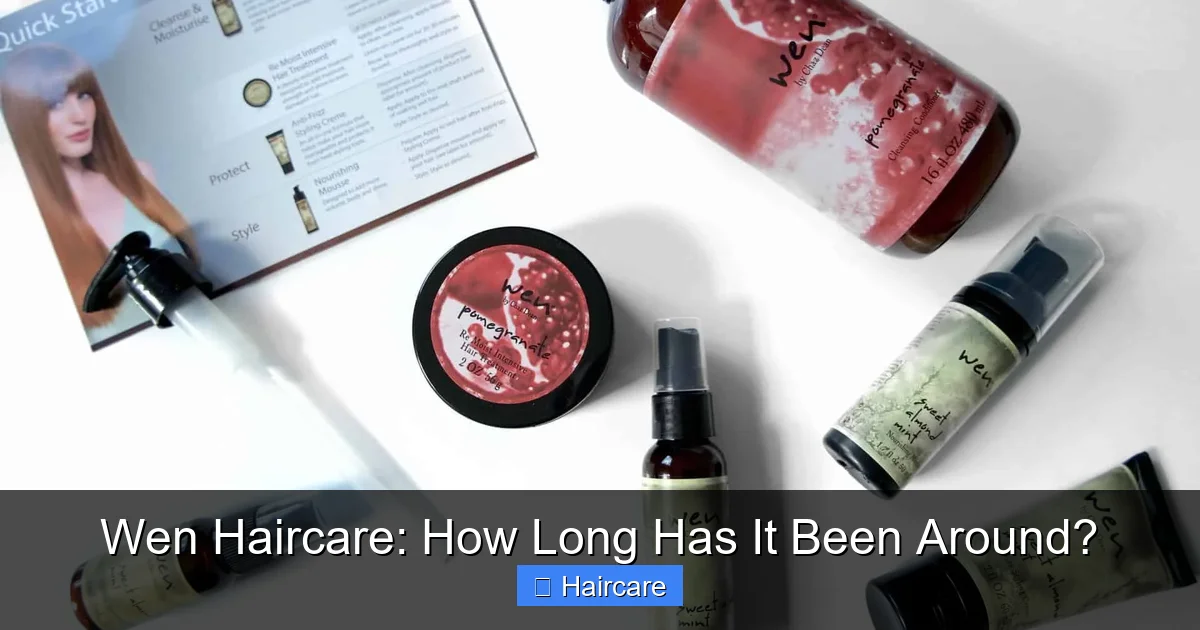
At its core, Wen Haircare challenged the fundamental ritual of washing hair. For decades, hair washing meant lathering up with shampoo and then applying conditioner. Wen proposed a single step: massage a generous amount of cleansing conditioner into wet hair, leave it in for a few minutes, and then rinse thoroughly. This innovative method promised to:
Learn more about how long has wen haircare been around – Wen Haircare: How Long Has It Been Around?
Image source: i.pinimg.com
- Cleanse gently: Without harsh sulfates, it wouldn’t strip natural oils.
- Condition deeply: Infused with botanical extracts, it aimed to hydrate and nourish.
- Detangle effectively: Making hair more manageable during and after washing.
- Improve hair health: Leading to less frizz, more shine, and overall healthier-looking hair.
This distinct approach quickly resonated with consumers tired of dry, brittle hair caused by conventional shampoos. The concept of a "cleansing conditioner" was foreign to many, but the compelling testimonials and impressive before-and-after photos presented in their infomercials quickly converted skeptics into loyal users. This novel method of hair washing helped Wen carve out a unique niche in the competitive haircare market, fundamentally altering how many people thought about their hair cleansing routine.
The Rise to Prominence: QVC and Beyond
The brand’s growth trajectory after its 2004 launch was nothing short of phenomenal. Wen Haircare leveraged the power of direct-response television marketing, primarily through infomercials produced by Guthy-Renker, a giant in the direct marketing industry. These compelling ads, featuring Chaz Dean himself and numerous testimonials, played a crucial role in educating consumers about the new "cleansing conditioner" concept and showcasing its alleged benefits.
Learn more about how long has wen haircare been around – Wen Haircare: How Long Has It Been Around?
Image source: ami-rose.com
Simultaneously, Wen found a powerful platform in QVC, the televised shopping channel. The live demonstrations, detailed explanations from Chaz Dean, and immediate customer feedback allowed Wen to build trust and connection with its audience. The brand became a QVC powerhouse, with products frequently selling out and achieving "Today’s Special Value" status multiple times. Celebrity endorsements from figures like Alyssa Milano and Angie Harmon further propelled Wen Haircare into the mainstream, cementing its status as a must-have product for many seeking healthier, more luxurious hair.
During its peak, Wen wasn’t just a product; it was a movement. It popularized the idea that "no-poo" wasn’t just for crunchy granola types but for anyone aspiring to a more natural and gentle approach to hair care. This widespread success meant that for over a decade, Wen Haircare was a dominant force in the beauty industry, with millions of users worldwide.
Controversy and Challenges: A Turning Point
Despite its initial triumphs and dedicated following, Wen Haircare‘s journey took a challenging turn. Around late 2014 and early 2015, a growing number of consumers began reporting adverse reactions to the cleansing conditioners. Complaints ranged from severe scalp irritation, redness, and rashes to significant hair breakage, and most distressingly, substantial hair loss.
These individual complaints soon coalesced into a widespread concern, culminating in class-action lawsuits filed against Chaz Dean, Inc. and Guthy-Renker. The lawsuits, which gained national attention in 2015 and 2016, alleged that the cleansing conditioners caused permanent hair damage and loss for thousands of users. While Wen and Guthy-Renker maintained that their products were safe and effective when used as directed, the negative publicity had a significant impact on the brand’s reputation and sales.
In 2016, a preliminary settlement of $26.25 million was reached in the class-action lawsuit. While not an admission of guilt, the settlement aimed to compensate individuals who experienced adverse effects. This period marked a significant turning point in Wen’s history, transforming it from an undisputed haircare innovator to a brand embroiled in controversy.
Wen Haircare Key Milestones: A Timeline
| Year/Period | Event/Development |
|---|---|
| Late 1990s – Early 2000s | Chaz Dean develops his unique cleansing conditioner concept in his salon. |
| 2004 | Wen Haircare officially launches to the public, primarily via infomercials and QVC, introducing the “no-poo” movement. |
| Mid-2000s – Early 2010s | Rapid growth and widespread popularity, becoming a household name in alternative haircare. |
| Late 2014 – Early 2015 | Reports of adverse reactions, including hair loss and scalp irritation, begin to surface more widely. |
| 2015 | First class-action lawsuits are filed against Chaz Dean and Guthy-Renker (the infomercial company). |
| 2016 | A preliminary settlement of $26.25 million is reached in the class-action lawsuit. |
| Present Day | Wen Haircare continues to be available for purchase, primarily through Chaz Dean’s official website and select retailers. |
Wen Today: Adapting and Evolving
Despite the legal battles and reputational damage, Wen Haircare has not disappeared. It continues to operate and innovate, albeit with a significantly lower public profile than its heyday. Chaz Dean has continued to develop new formulas and variations of his original cleansing conditioner, expanding the product line to cater to different hair types and concerns. The brand’s primary sales channels are now through Chaz Dean’s official website and select online retailers, rather than mass-market infomercials.
For its loyal customer base, Wen remains a beloved brand. Many users report continued positive experiences, attributing any negative outcomes to improper usage or individual sensitivities rather than inherent product flaws. Chaz Dean himself has often emphasized the importance of following application instructions meticulously, particularly using enough product and rinsing thoroughly.
The brand’s survival illustrates the enduring appeal of its core philosophy. Even in the aftermath of controversy, the idea of gentle, nourishing, and non-lathering hair care continues to resonate with a segment of the population, demonstrating the complex and often personal relationship consumers have with their beauty products. So, when considering "how long has Wen Haircare been around," it’s clear the brand has proven its resilience, navigating significant challenges to maintain its presence in the market.
The Lasting Legacy of Wen
Wen Haircare‘s journey is a microcosm of the modern beauty industry – a tale of groundbreaking innovation, massive commercial success, intense scrutiny, and the challenge of maintaining brand integrity. Regardless of personal experiences or opinions, Wen has left an undeniable mark on the haircare landscape:
- Pioneered the "no-poo" movement: It introduced the concept of cleansing conditioners to the mainstream, paving the way for countless other brands to follow suit with low-lather or sulfate-free formulas.
- Emphasized ingredient awareness: Wen brought attention to the potential harshness of sulfates and other common shampoo ingredients, prompting consumers to read labels more carefully.
- Sparked industry-wide conversations: The controversies surrounding Wen led to broader discussions about product safety, regulatory oversight in cosmetics, and the power of consumer feedback.
- Demonstrated direct marketing power: Its success through infomercials and QVC highlighted the effectiveness of direct-response marketing for beauty brands.
In essence, Wen Haircare didn’t just sell products; it sold a different way of thinking about hair care. Its enduring presence, even after facing immense challenges, speaks volumes about its initial revolutionary appeal and the dedication of its remaining advocates. The question of "how long has Wen Haircare been around" is answered not just in years, but in the profound impact it has had on industry trends and consumer habits.
Conclusion
From its inception in Chaz Dean’s salon in the early 2000s to its public launch in 2004, and through its peaks of popularity and valleys of controversy, Wen Haircare has certainly had a storied and eventful run. For nearly two decades, it has challenged traditional notions of hair cleansing, garnered millions of loyal customers, and weathered significant storms. Its journey underscores the dynamic nature of the beauty industry, where innovation, marketing prowess, consumer experience, and public perception constantly intertwine.
So, how long has Wen Haircare been around? Since 2004 as a public brand, marking almost 20 years of presence in the highly competitive haircare market. While its future may look different from its past, the legacy of Wen Haircare as a true disruptor and a catalyst for change in how we approach hair health is undeniable. Its story serves as a compelling reminder that in the world of beauty, every product has a unique journey, shaped by innovation, consumer trust, and the ever-present demand for effective, gentle solutions.
Frequently Asked Questions
When was Wen Haircare first introduced?
Wen Haircare was first launched by celebrity stylist Chaz Dean in the year 2000. He developed the brand to offer a revolutionary cleansing conditioner system that departed from traditional shampoos.
How long has Wen Haircare been available to consumers?
Wen Haircare has been available to consumers for over two decades, having launched in 2000. Its innovative approach to hair cleansing quickly gained attention, especially through infomercials and celebrity endorsements.
Is Wen Haircare still active and selling products today?
Yes, Wen Haircare by Chaz Dean is still active and continues to sell its line of cleansing conditioners and styling products. Despite past controversies, the brand maintains a dedicated customer base and its products are available through various channels.
Who founded Wen Haircare and when did it start?
Wen Haircare was founded by renowned celebrity hairstylist Chaz Dean. He officially launched the brand in 2000, introducing his unique “cleansing conditioner” concept to the beauty market.
What year did Wen Haircare gain significant popularity?
Wen Haircare began gaining significant popularity a few years after its launch, particularly in the mid-2000s, through extensive infomercial campaigns. These campaigns effectively showcased the dramatic transformations attributed to its unique hair cleansing system.
Has Wen Haircare been around for over 20 years?
Yes, Wen Haircare has indeed been around for over 20 years, celebrating its launch in 2000. This longevity highlights its enduring presence in the haircare industry and its consistent appeal to a segment of consumers.