
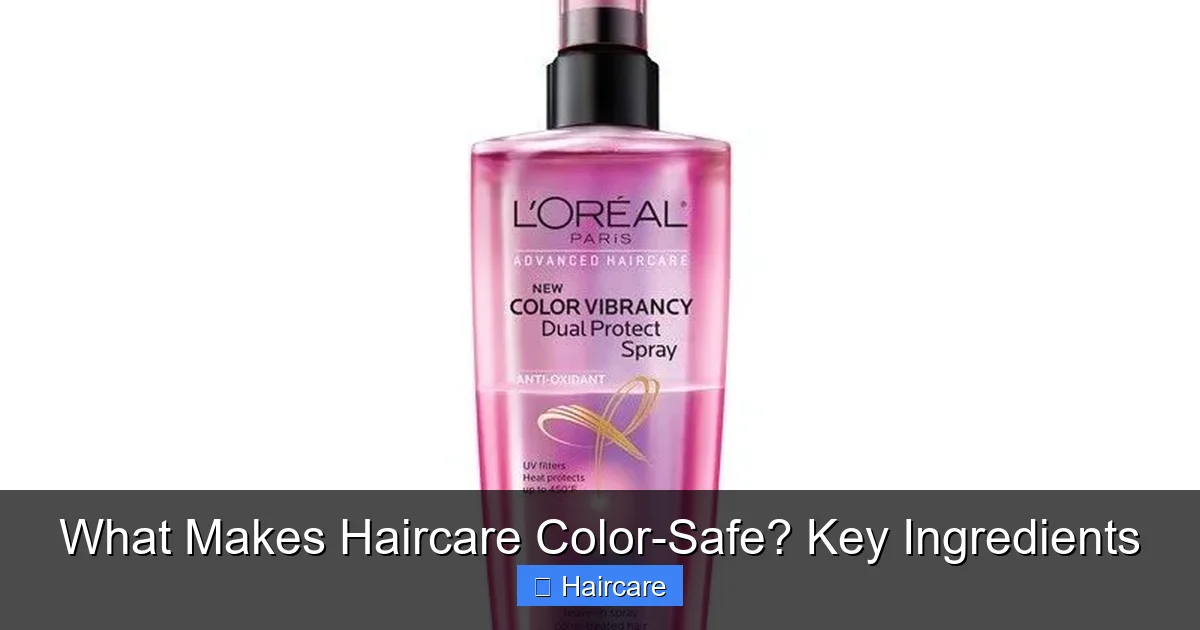
Featured image for this comprehensive guide about what makes haircare color safe
Image source: cdn1.skinsafeproducts.com
What Makes Haircare Color-Safe? Key Ingredients
There’s nothing quite like the feeling of fresh, vibrant hair color. The shine, the depth, the way it perfectly complements your style – it’s a confidence booster! But the joy can quickly turn to dread as you watch your expensive, beautiful hue fade with each wash, leaving you with dull, lackluster locks. If you’ve ever wondered how to keep your color looking salon-fresh for longer, the secret lies in understanding what makes haircare color-safe.
Choosing the right products isn’t just about finding a label that says “color-safe.” It’s about delving into the science behind the ingredients and formulations that actively work to protect your hair dye. From gentle cleansers to UV defenders, every component plays a crucial role. Let’s unlock the mystery of color-safe haircare and empower you to make informed choices that truly preserve your stunning shades.
📋 Table of Contents
- The Science of Color Fading: Why Your Hue Loses Its Luster
- Gentle Cleansing: The Foundation of Color Safety
- Moisturizing & Nourishing Ingredients: Locking in Color and Luster
- UV Protection and Antioxidants: Guarding Against Environmental Damage
- Avoiding Common Color-Stripping Culprits
- Beyond Ingredients: Application & Lifestyle Tips for Lasting Color
- Conclusion: Embrace Vibrant, Lasting Color
The Science of Color Fading: Why Your Hue Loses Its Luster
Before we dive into solutions, it’s helpful to understand the enemy: color fading. Hair dye molecules, whether permanent or semi-permanent, are deposited within the hair shaft. However, various factors conspire to strip these molecules away or alter their structure, leading to that undesirable dullness. These factors include:
- Washing: Perhaps the most significant culprit. Water and cleansing agents can swell the hair cuticle, allowing dye molecules to leach out. Did you know that up to 80% of hair color fading can be attributed to washing?
- UV Radiation: Sun exposure is a major oxidant. UV rays break down dye molecules, altering their chemical structure and causing them to appear faded or even change tone (think brassiness).
- Heat Styling: High temperatures from flat irons, curling wands, and even blow dryers can damage the hair’s outer layer, making it more porous and susceptible to color loss.
- Environmental Pollutants: Free radicals from pollution can also contribute to oxidative damage and color degradation.
- Harsh Ingredients: Certain chemicals in non-color-safe products can actively strip dye from the hair.
The goal of haircare color-safe products is to counteract these forces, keeping your hair cuticle sealed, minimizing oxidation, and protecting dye molecules.
| Key Color-Safe Feature | Mechanism & Benefit for Color | Typical Impact & Comparison |
|---|---|---|
| **Sulfate-Free Formulas** | Uses milder cleansing agents that don’t strip artificial color molecules as aggressively from the hair shaft. | **15-20% Longer Vibrancy:** Can extend color vibrancy by several washes compared to sulfate-containing shampoos. |
| **Low pH / Acidic Formulas** | Helps to close the hair’s cuticle layer after coloring, trapping color pigments inside and preventing premature wash-out. | **Up to 30% Reduced Fading:** Significantly helps to lock in color and maintain shine, reducing wash-out. |
| **UV Filters & Antioxidants** | Protects hair from harmful UVA/UVB rays and neutralizes free radicals that cause oxidative color degradation and dullness. | **20-25% Less Sun Fading:** Significantly reduces color loss due to sun exposure and environmental damage. |
| **Gentle, Hydrating Ingredients** | Avoids harsh alcohols, parabens, and strong detergents that can dry out hair, make cuticles brittle, or react with dyes. | **Improved Hair Health:** Reduces dryness and damage, indirectly supporting longer-lasting color retention and shine. |
| **Color-Protecting Oils/Silicones** | Forms a micro-thin protective barrier around the hair strand, sealing in moisture and color while adding gloss. | **Enhanced Shine & Protection:** Provides a physical barrier, which can help retain color for an extra week or two. |
Gentle Cleansing: The Foundation of Color Safety
The first and most critical step in preserving hair color is how you wash your hair. Aggressive cleansing can be devastating for colored hair, opening the cuticle and allowing dye to escape. This is where truly color-safe products shine.
Learn more about what makes haircare color safe – What Makes Haircare Color-Safe? Key Ingredients
Image source: i.pinimg.com
Sulfates: The Stripping Culprits
Many traditional shampoos contain harsh sulfates like Sodium Lauryl Sulfate (SLS) and Sodium Laureth Sulfate (SLES). While excellent at creating lather and removing oil and dirt, these powerful detergents can also strip away natural oils and, critically, hair dye. For color-treated hair products, it’s imperative to choose:
- Sulfate-Free Shampoos: Look for cleansers that use gentler, plant-derived surfactants such as Sodium Cocoyl Isethionate, Coco-Glucoside, Decyl Glucoside, or Disodium Laureth Sulfosuccinate. These create a mild lather that cleanses without over-stripping.
The Power of pH Balance
Hair and scalp have a natural pH of around 4.5-5.5, which is slightly acidic. This acidity helps keep the hair cuticle flat and closed, trapping moisture and color inside. Products with a high (alkaline) pH can cause the cuticle to swell and open, accelerating color loss. Color-safe haircare is almost always formulated to be:
- pH Balanced: Shampoos and conditioners with a pH in the acidic range (around 3.5-5.5) help to smooth the cuticle after coloring, sealing in the dye and enhancing shine. Ingredients like citric acid are often used to achieve this balance.
Moisturizing & Nourishing Ingredients: Locking in Color and Luster
Colored hair is often more porous and prone to dryness. Hydration is key to keeping the cuticle smooth and sealed, which in turn helps to protect hair color from leaching out. Haircare color-safe formulations are rich in ingredients that nourish and moisturize.
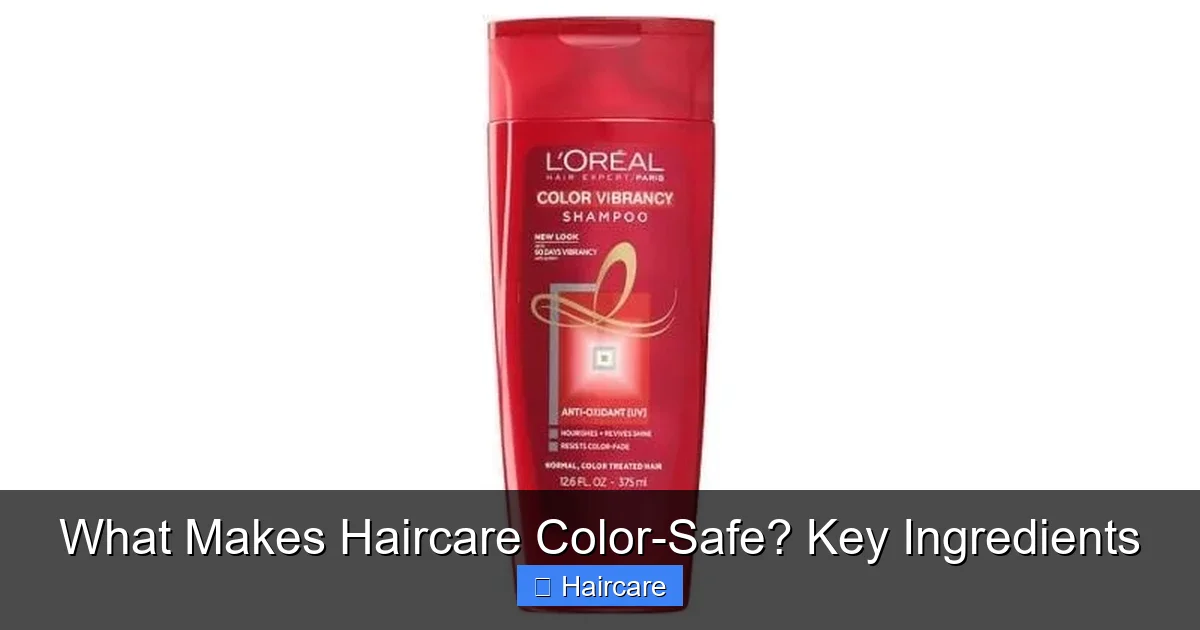
Learn more about what makes haircare color safe – What Makes Haircare Color-Safe? Key Ingredients
Image source: cdn1.skinsafeproducts.com
Humectants and Emollients
- Glycerin: A powerful humectant that draws moisture from the air into the hair.
- Hyaluronic Acid: Can hold up to 1000 times its weight in water, providing intense hydration.
- Natural Oils (Argan, Jojoba, Coconut, Sunflower Seed): These emollients penetrate the hair shaft or form a protective layer on the surface, sealing in moisture and adding shine. Sunflower seed oil, in particular, has a protective effect against UV radiation.
- Shea Butter & Fatty Alcohols (Cetearyl Alcohol, Stearyl Alcohol): Provide deep conditioning and help to soften and smooth the hair cuticle.
Proteins and Botanical Extracts
- Hydrolyzed Wheat/Rice/Soy Protein: These smaller protein molecules can penetrate the hair shaft, strengthening it and helping to repair damage, which can lead to better color retention.
- Keratin: A natural component of hair, added keratin can help to fortify strands and smooth the cuticle.
- Quinoa Extract: Known to help protect color and add shine.
UV Protection and Antioxidants: Guarding Against Environmental Damage
Just as your skin needs sun protection, so does your hair – especially if it’s colored. UV radiation and environmental pollutants generate free radicals that break down dye molecules. Effective color-safe haircare includes ingredients that act as shields.
UV Filters for Hair
Look for ingredients that offer a degree of UV protection to prevent color fading from sun exposure. While not as strong as sunscreen for skin, they make a significant difference:
- Benzophenone-4, Ethylhexyl Methoxycinnamate, Butyl Methoxydibenzoylmethane: These chemical filters absorb or block UV radiation.
- Plant-Based UV Protection: Some natural extracts, like sunflower seed extract or vitamin E (Tocopherol), offer inherent UV protective qualities.
Antioxidant Powerhouses
Antioxidants neutralize free radicals before they can damage hair and fade color.
- Vitamin E (Tocopherol): A potent antioxidant that protects against oxidative stress.
- Vitamin C (Ascorbic Acid): Another powerful antioxidant that can help protect against UV damage.
- Green Tea Extract, Rosemary Extract: Botanical antioxidants that provide environmental protection.
Avoiding Common Color-Stripping Culprits
Knowing what to look for is half the battle; knowing what to avoid is the other half. Beyond sulfates, several other ingredients can compromise your hair color.
Drying Alcohols
Not all alcohols are bad, but some can be extremely drying and cause the hair cuticle to open, leading to color loss. Avoid:
- Ethanol, Isopropyl Alcohol, Alcohol Denat., Propanol: These ‘short-chain’ alcohols evaporate quickly and can strip moisture and color.
- Good Alcohols: Be aware that ‘fatty alcohols’ like Cetyl, Stearyl, and Cetearyl alcohol are beneficial emollients and humectants, and are often found in conditioners.
Beware of Heavy Silicones (Sometimes)
While some silicones (like cyclomethicone and dimethicone) can smooth hair and add shine, heavy, non-water-soluble silicones can build up on the hair over time. This buildup can:
- Prevent Moisture Penetration: Create a barrier that keeps nourishing ingredients out.
- Require Harsh Cleansing: Lead to the need for stronger shampoos to remove buildup, which then strips color.
Opt for water-soluble silicones or those that are easily rinsed off, or choose silicone-free alternatives if you experience buildup.
Other Potential Irritants
While less direct color strippers, some ingredients can irritate the scalp or cause sensitivities, indirectly affecting hair health and potentially color longevity:
- Parabens: Often used as preservatives, some individuals prefer to avoid them.
- Synthetic Fragrances/Dyes: Can cause irritation for sensitive scalps.
Beyond Ingredients: Application & Lifestyle Tips for Lasting Color
Even with the best haircare color-safe products, your habits play a huge role. Incorporate these tips to extend the life of your vibrant hue:
- Wash Less Frequently: The less you wash, the longer your color lasts. Use dry shampoo between washes.
- Use Cool Water: Hot water opens the hair cuticle, accelerating color loss. Rinse with lukewarm or cool water to seal the cuticle.
- Condition First: Some experts recommend applying conditioner to the ends of your hair *before* shampooing to create a protective barrier against cleansing agents.
- Limit Heat Styling: High heat damages hair and causes color to fade. Air dry when possible, use heat protectant sprays, and opt for lower heat settings.
- Wear a Hat: Protect your hair from sun exposure, especially during prolonged outdoor activities.
- Use Leave-in Treatments: A good leave-in conditioner or serum can provide continuous hydration and protection.
- Deep Condition Regularly: Fortify your hair with a weekly deep conditioning treatment to keep it strong and moisturized.
- Chlorine Protection: Wet your hair and apply a leave-in conditioner before swimming to create a barrier against chlorine.
Conclusion: Embrace Vibrant, Lasting Color
Preserving your hair color doesn’t have to be a constant battle against fading. By understanding what makes haircare color-safe, you gain the power to choose products that truly nurture your treated locks. Prioritize sulfate-free, pH-balanced formulas rich in moisturizing, UV-protective, and antioxidant ingredients. Combine these smart product choices with thoughtful hair care habits, and you’ll transform your routine.
Invest in your hair, and it will reward you with long-lasting, brilliant color that reflects your inner radiance. Say goodbye to dull, faded shades and hello to a vibrant, confident you with truly color-safe haircare.
🎥 Related Video: ✨ Choose the Right Hair Dye for Your Hair Health! ✨ #HairCareTips #HealthyHairDyes
📺 Dr.Krishna Dermatologist
Choose the Right Hair Dye for Your Hair Health! ✨ Say NO to random hair dyes! Dr. Krishna Bhalala, Dermatologist, …
Frequently Asked Questions
What does “color-safe” haircare actually mean?
“Color-safe” haircare products are specifically formulated to gently cleanse and condition hair without stripping away its artificial color. They help to extend the vibrancy and longevity of your hair dye by avoiding harsh ingredients that can cause premature fading. This allows you to maintain your salon-fresh look for longer.
What key ingredients make haircare color-safe?
Look for ingredients like gentle surfactants (e.g., coco-betaine, decyl glucoside), UV filters (e.g., benzophenone-4, ethylhexyl methoxycinnamate), and moisturizing agents (e.g., argan oil, shea butter). These components work together to protect the hair shaft, minimize color bleed, and keep your color vibrant. Antioxidants like Vitamin E also play a role in preventing oxidative damage to the color.
Are sulfates really bad for color-treated hair?
Yes, sulfates like Sodium Lauryl Sulfate (SLS) and Sodium Laureth Sulfate (SLES) are generally considered detrimental to color-treated hair. These harsh cleansing agents can open the hair cuticle, allowing color molecules to escape more easily and leading to faster fading. Opting for sulfate-free formulas is a key step in preserving your hair color.
What ingredients should I avoid in haircare if I want to preserve my hair color?
Beyond sulfates, it’s wise to avoid heavy alcohols (like ethanol or isopropyl alcohol), strong chelating agents, and excessive use of highly acidic or alkaline products. These ingredients can either dry out the hair, strip away natural oils, or disrupt the hair’s cuticle, accelerating color fading and dullness.
How do UV filters protect hair color from fading?
UV filters in color-safe haircare products work by forming a protective barrier on the hair shaft that absorbs or reflects harmful ultraviolet (UV) radiation from the sun. This protection prevents the UV rays from breaking down the dye molecules and causing premature color degradation. They are crucial for maintaining the intensity and shine of your hair color, especially with sun exposure.
Is pH balance important for color-safe haircare?
Absolutely, pH balance is critical for maintaining healthy, color-treated hair. Products with a slightly acidic pH (typically between 4.5 and 5.5) help to keep the hair cuticle closed and smooth, trapping color molecules inside. This prevents color from bleeding out and helps preserve vibrancy and shine, making pH-balanced formulas a cornerstone of color-safe care.