
Featured image for this comprehensive guide about what percent of women wear makeup
Image source: i0.wp.com
What Percent of Women Wear Makeup?
Makeup has been an integral part of human culture for thousands of years, evolving from ancient rituals to a multi-billion dollar industry today. From a simple swipe of lipstick to a full glam transformation, its presence is felt globally. But have you ever stopped to wonder, beyond the beauty aisles and social media feeds, what percent of women wear makeup? It’s a question that seems straightforward, yet the answer is far more nuanced than a single number. It delves into cultural norms, personal preferences, economic factors, and shifting beauty ideals.
This blog post will explore the fascinating world of makeup usage, dissecting statistics, understanding motivations, and examining the ever-changing landscape of beauty habits. We’ll look beyond the surface to understand the myriad reasons why women choose to embrace or eschew cosmetics, ultimately providing a comprehensive picture of how many women wear makeup in today’s world.
📋 Table of Contents
The Shifting Landscape: Unpacking Makeup Usage Statistics
Pinpointing an exact figure for what percent of women wear makeup is challenging, as statistics vary widely depending on the region, methodology of the study, and definition of “wearing makeup” (daily use vs. occasional use). However, various market research firms and beauty industry reports offer some compelling insights into global and regional trends.
Generally, studies suggest that a significant majority of women engage with makeup to some degree. Estimates often indicate that around 70-80% of women use makeup occasionally or regularly. When it comes to daily use, the numbers tend to be lower but still substantial, with many reports placing it in the range of 40-60% of women wearing makeup every day. For instance:
| Demographic Group | % Who Wear Makeup (At Least Occasionally) | % Who Wear Makeup Daily/Most Days |
|---|---|---|
| Overall Average (e.g., US/UK) | 78% | 52% |
| Women Aged 18-24 | 88% | 65% |
| Women Aged 25-44 | 83% | 58% |
| Women Aged 45-64 | 72% | 40% |
| Women Aged 65+ | 58% | 25% |
- A 2017 survey by Mintel found that 84% of women in the UK wore makeup, with 70% wearing it at least once a week.
- Another study by Statista indicated that in the U.S., a high percentage of women purchase and use makeup products regularly.
- While precise global figures are elusive, it’s clear that cosmetic use is widespread, albeit with varying intensity.
It’s crucial to remember that these numbers are snapshots in time and are constantly influenced by emerging trends, economic shifts, and societal changes. The definition of “makeup” itself has broadened, encompassing everything from a tinted moisturizer to elaborate contouring, making a definitive count even more complex.
Delving Deeper: Factors Influencing Makeup Wear
The decision to wear makeup, and how much, is rarely arbitrary. It’s shaped by a confluence of personal, social, and cultural factors. Understanding these helps us grasp why the answer to what percent of women wear makeup isn’t a simple yes or no.
Learn more about what percent of women wear makeup – what percent of women wear makeup
Image source: refinery29.com
Age Demographics
- Younger Generations (Teens to 20s): Often driven by experimentation, social media trends, and peer influence. They might wear more makeup for social events or self-expression.
- Middle-Aged Women (30s to 50s): May use makeup to enhance features, address signs of aging, or maintain a professional appearance. Daily usage can be high.
- Older Generations (60s+): Usage can vary. Some may reduce makeup as they age, while others continue a lifelong routine or use it to feel more put-together.
Cultural and Geographical Differences
Makeup norms vary dramatically across the globe. In some cultures, heavy makeup is a sign of beauty or status, while in others, a more natural look is preferred. For example, East Asian beauty trends often focus on flawless skin and subtle enhancements, while some Western cultures might embrace bolder, more dramatic looks. Urban dwellers might also wear makeup more frequently than those in rural areas due to different social and professional environments.
Lifestyle and Profession
A woman’s daily routine and career can significantly impact her makeup habits. Those in corporate or client-facing roles might feel a greater societal expectation to wear makeup, perceiving it as part of a polished, professional image. Conversely, individuals with active lifestyles, remote workers, or those in less formal professions might opt for minimal or no makeup for comfort and convenience.
Personal Preference and Self-Expression
Ultimately, makeup is deeply personal. For many, it’s a form of self-expression, a creative outlet, or simply a way to feel good. The choice to wear it, how much, and what style, often comes down to individual feeling and confidence.
The “Why”: Reasons Women Choose to Wear Makeup
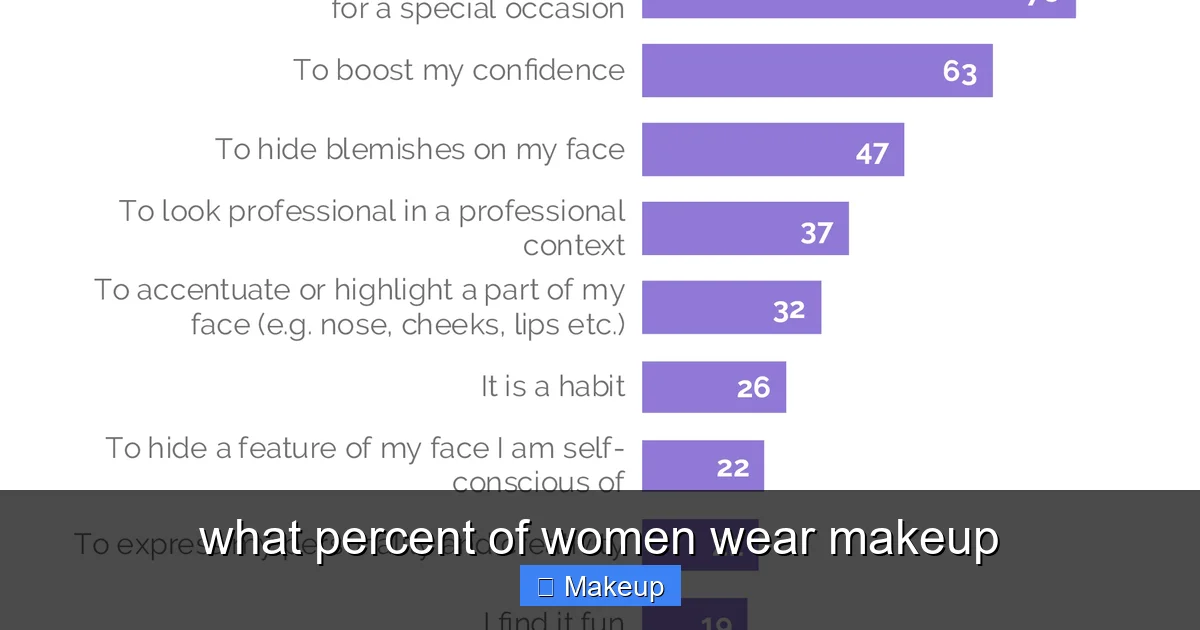
For the significant percentage of women who do wear makeup, their motivations are as diverse as the products themselves. These reasons often overlap and can evolve throughout a woman’s life.
Learn more about what percent of women wear makeup – what percent of women wear makeup
Image source: d25d2506sfb94s.cloudfront.net
Enhancing Features & Boosting Confidence
One of the primary drivers is the desire to enhance natural beauty. Makeup can highlight eyes, define lips, or even out skin tone. Beyond aesthetics, many women report a significant boost in self-confidence when wearing makeup. It can make them feel more prepared, capable, and ready to face the day.
Social & Professional Expectations
In many professional environments, there’s an unspoken expectation for women to present a “put-together” appearance, which often includes makeup. While these norms are slowly shifting, for many, makeup is seen as a tool for professionalism and social conformity.
Self-Care & Ritual
For some, applying makeup is a cherished morning ritual, a moment of quiet self-care before the day begins. It can be a mindful practice that helps them transition into their day, a small luxury that provides a sense of calm and control.
Creative Expression
Makeup can be a powerful artistic medium. From dramatic eyeshadow looks to intricate contouring, many women use makeup as a way to express their creativity, experiment with trends, or even transform their appearance for special occasions or artistic pursuits.
The “Why Not”: Reasons Women Opt Out or Wear Less Makeup
Just as there are many reasons to wear makeup, there are equally valid and increasingly common reasons why women choose to wear less or no makeup at all. Understanding these factors provides a more complete answer to what percent of women wear makeup by accounting for those who don’t.
Embracing Natural Beauty
A growing movement celebrates natural beauty and body positivity. Many women are choosing to embrace their natural skin, focusing instead on skincare for a healthy glow rather than covering imperfections with cosmetics. This shift is often about self-acceptance and redefining beauty standards.
Time Constraints & Convenience
Modern life is busy, and for many women, the time it takes to apply makeup simply isn’t a priority. Opting for a makeup-free look saves precious minutes in the morning, offering a more convenient and often more comfortable choice, especially for those with demanding schedules.
Cost & Sustainability Concerns
High-quality makeup can be expensive, and maintaining a full collection can add up. Beyond the financial aspect, a growing awareness of environmental impact and ethical sourcing leads some women to reduce their consumption of beauty products. The desire for a more sustainable lifestyle can influence makeup habits.
Skin Health & Sensitivity
Some women have sensitive skin, allergies, or concerns about the ingredients in makeup products. For them, going makeup-free is a choice for better skin health, avoiding potential irritation, breakouts, or long-term damage.
Personal Choice & Rejection of Norms
For some, not wearing makeup is a deliberate personal choice, a rejection of societal pressures or traditional beauty standards. It can be an act of defiance, a statement about gender equality, or simply a preference for authenticity over perceived expectations.
Makeup Trends and the Future of Beauty
The beauty industry is in constant flux, and understanding current trends helps us project future shifts in what percent of women wear makeup. The past decade has seen a significant evolution:
- The “No-Makeup Makeup” Look: This trend emphasizes natural-looking enhancements, focusing on healthy skin, subtle tints, and light coverage rather than heavy application. It blurs the lines between wearing makeup and looking naturally radiant.
- Rise of Skincare: There’s a noticeable shift towards investing in high-quality skincare as the foundation for beauty, often reducing the perceived need for extensive makeup.
- Influence of Social Media: Platforms like Instagram and TikTok have democratized beauty, allowing for diverse representations and tutorials. However, they also create new pressures related to filters and idealized appearances, influencing both the desire to wear makeup and the pushback against it.
- Diversity and Inclusivity: The beauty industry is slowly but surely becoming more inclusive, offering wider shade ranges and catering to diverse skin tones and types, potentially encouraging more women to find products that suit them.
- Sustainable and Ethical Beauty: Consumers are increasingly demanding transparency, ethical sourcing, and eco-friendly packaging, shaping product development and consumer choices.
These trends suggest a future where makeup is less about conformity and more about personal choice, self-care, and conscious consumption. The numbers might fluctuate, but the motivations behind wearing or not wearing makeup will continue to deepen.
Conclusion
So, what percent of women wear makeup? While there’s no single, universally agreed-upon number, it’s safe to say that a vast majority of women engage with makeup at some point in their lives, with a significant portion wearing it regularly. However, the exact figures are dynamic, influenced by age, culture, lifestyle, and evolving beauty ideals.
More importantly, the discussion goes beyond mere statistics. It’s about understanding the complex tapestry of reasons that drive a woman’s decision to apply lipstick, contour her cheekbones, or confidently step out bare-faced. Whether it’s for self-expression, confidence, professional presentation, or simply because it feels good, makeup remains a powerful tool. Conversely, the choice to forgo makeup is equally empowering, reflecting a growing appreciation for natural beauty, convenience, and individual comfort.
Ultimately, the most important takeaway is that makeup is a personal choice. The beauty landscape continues to evolve, championing authenticity and individuality, ensuring that every woman’s decision, whether to embrace a full face or a natural glow, is celebrated.
“`
🎥 Related Video: Why Women Wear Makeup and Men Lie…
📺 Alex Hormozi
Want to SCALE your business? Go here: https://acquisition.com Want to START a business? Go here: https://skool.com/games If …
Frequently Asked Questions
What percentage of women wear makeup daily?
Studies suggest that a significant majority, often cited as around 70-80% of women, wear some form of makeup regularly. However, “daily” wear can be slightly lower, with many women opting for makeup on specific occasions rather than every single day. The exact percentage varies depending on the survey’s methodology and definition of “makeup.”
Do most women wear a full face of makeup or just a few products?
While some women enjoy a full face of makeup, many opt for a more minimalist approach, focusing on just a few key products. Popular choices often include mascara, concealer, and lip balm or lipstick for a quick enhancement. The trend has been shifting towards natural-looking makeup routines for everyday wear.
How does the percentage of women wearing makeup vary by age group?
The prevalence of wearing makeup often peaks in adolescence and early adulthood, with a high percentage of younger women experimenting with and regularly applying makeup. While many older women continue to wear makeup, the frequency and amount might decrease with age, with some preferring a lighter touch or focusing on skincare.
What are the main reasons women choose to wear makeup?
Women wear makeup for a variety of reasons, including enhancing their features, boosting self-confidence, and expressing personal style. For many, it’s also a creative outlet or a way to feel more “put together” for social or professional engagements. The decision to wear makeup is deeply personal and multifaceted.
Is the trend of women wearing makeup changing over time?
Yes, makeup trends are continually evolving. While the overall percentage of women wearing makeup remains high, there’s a growing emphasis on natural beauty, skinimalism, and the use of products that enhance rather than completely transform. There’s also an increasing awareness and demand for ethical and clean makeup options.
What percentage of women choose not to wear makeup at all?
While the majority of women wear makeup at least occasionally, a notable segment, estimated to be around 20-30%, chooses not to wear any makeup regularly or at all. This choice often stems from personal preference, comfort with their natural appearance, or a desire to simplify their routine. Some women prioritize skincare over cosmetic application.